
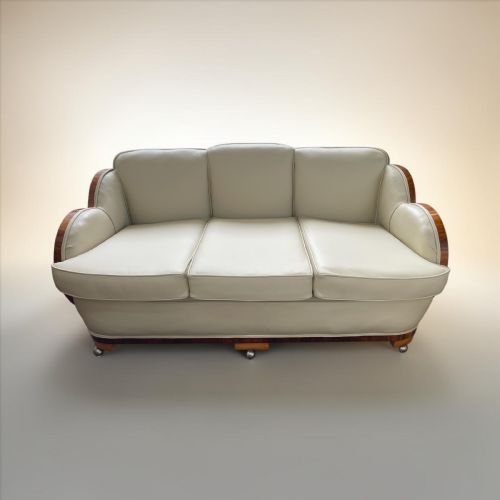


1930s British Art
1930s british art spans the striking paintings, silver and modernist furniture defining an era of sleek geometric lines.
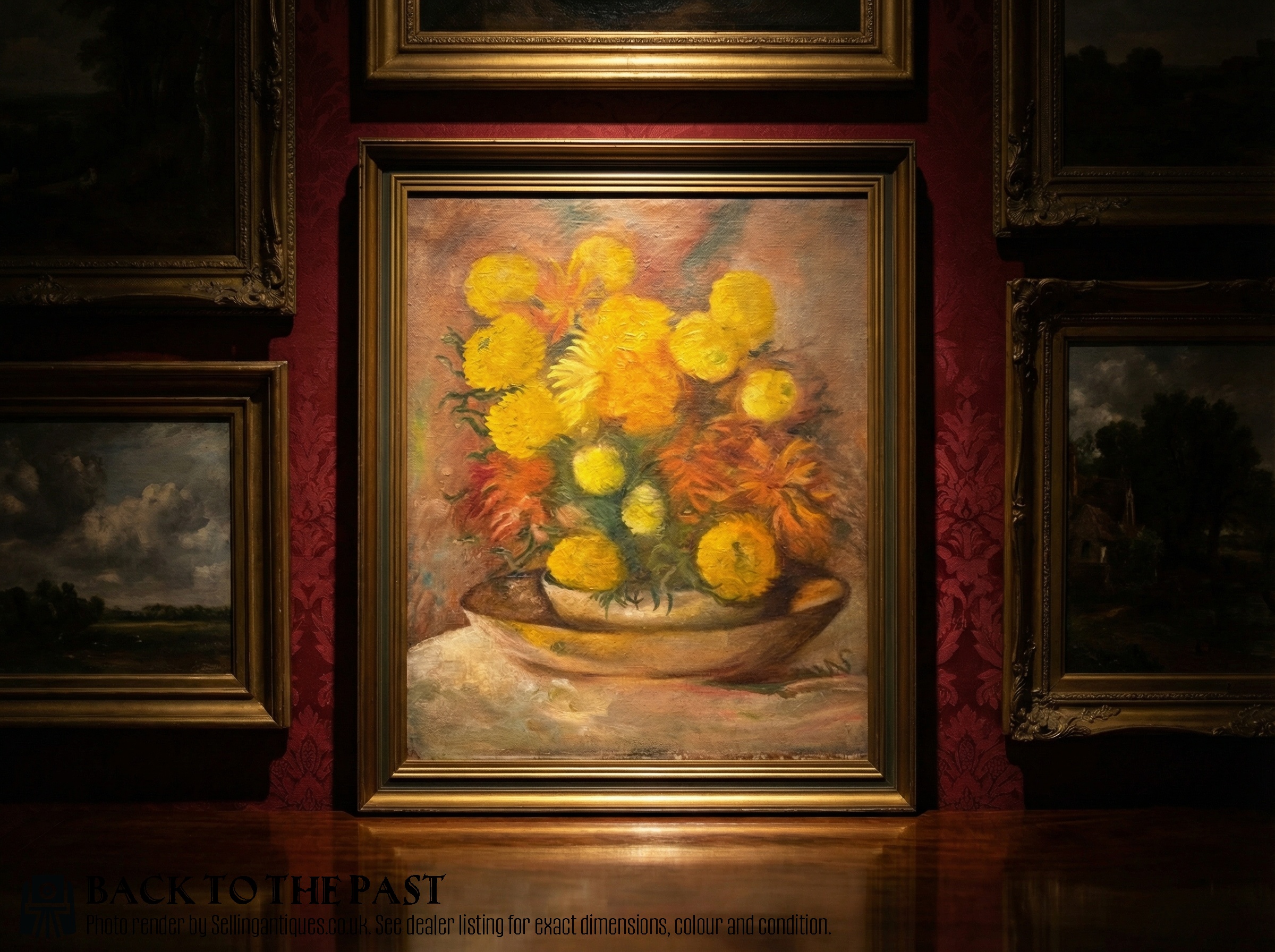
1930s British Art
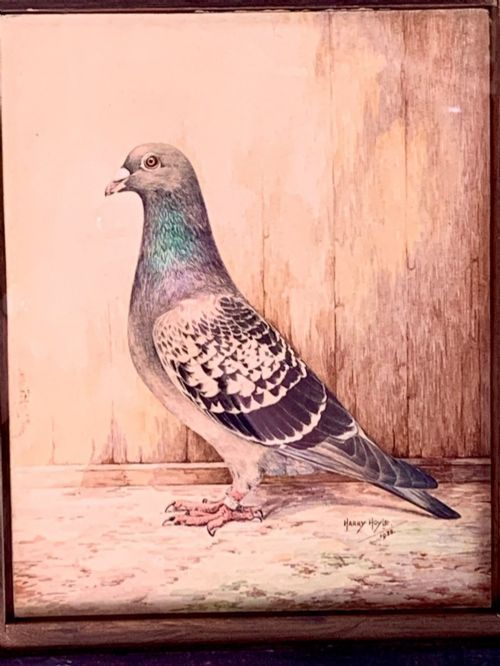
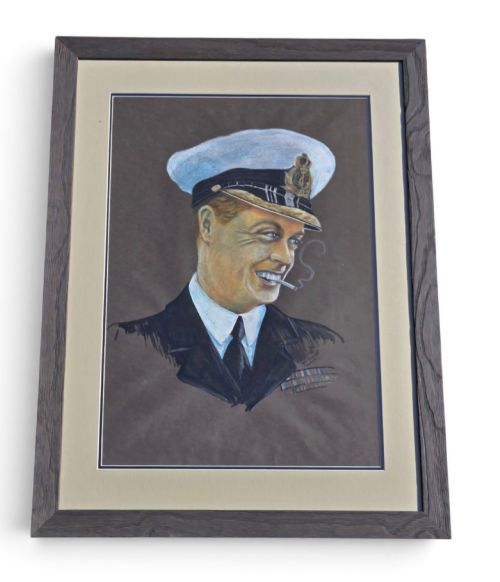
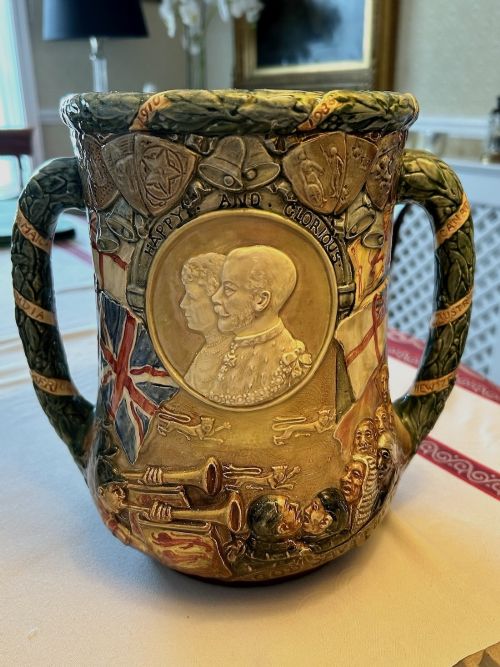
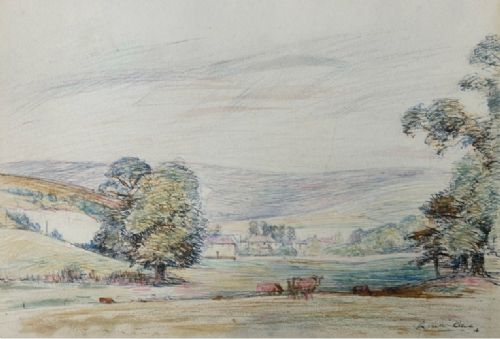
When you search for 1930s british art, you encounter a varied selection spanning oil and watercolour paintings alongside functional decorative objects. The paintings range from pastoral landscapes to striking portraits, often framed and signed by notable hands.
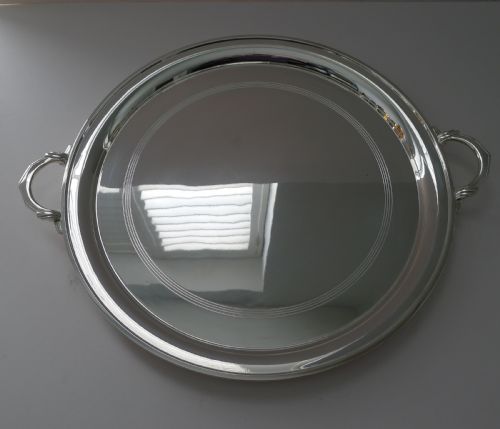
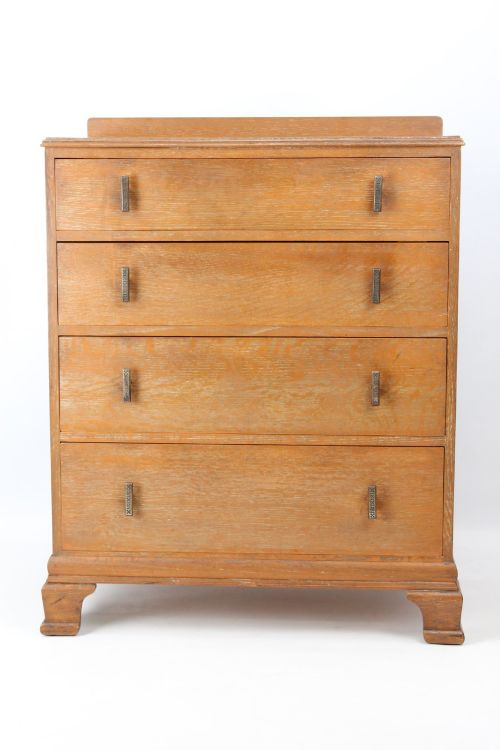
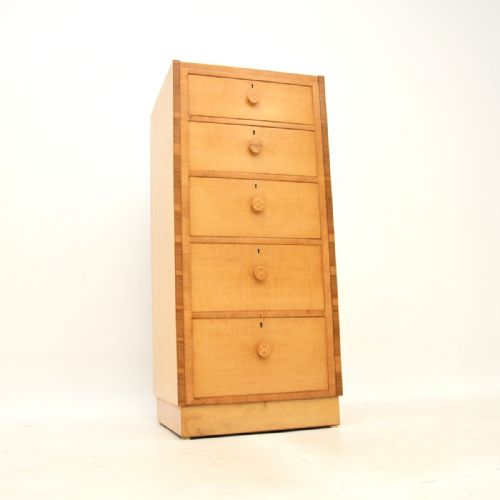
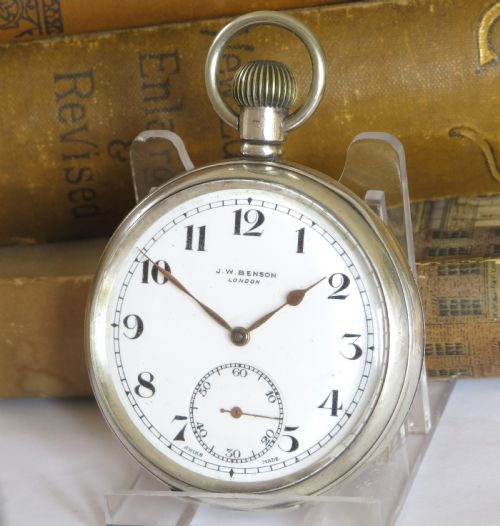
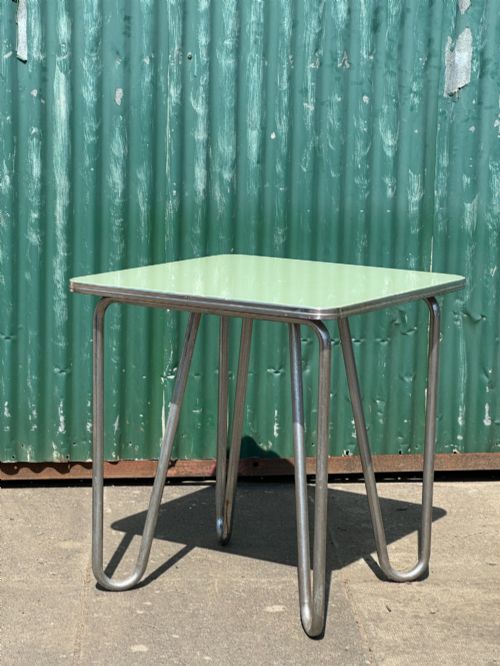
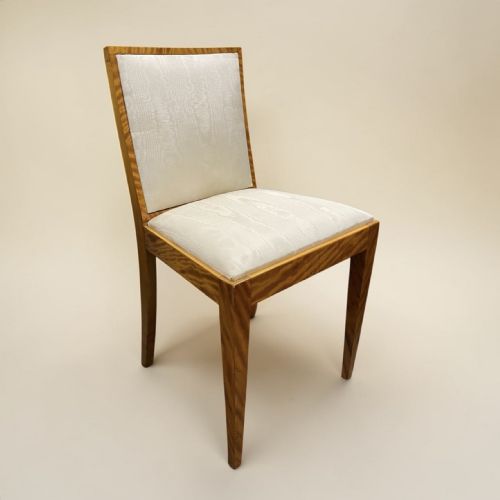
Beyond paintings, the domestic sphere is strongly represented by modernist furniture, clocks and silver tableware. Sideboards, nests of tables and chests of drawers display the prevailing geometric aesthetic of the decade.
Materials and Methods
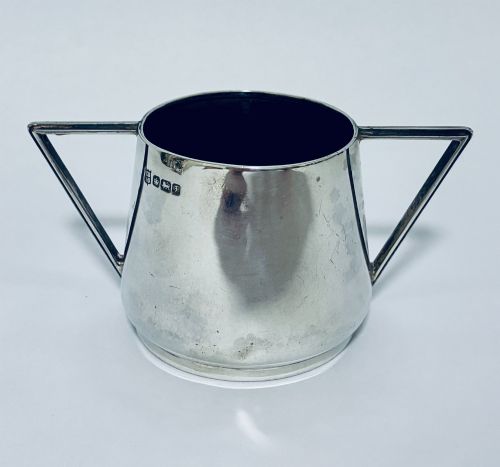
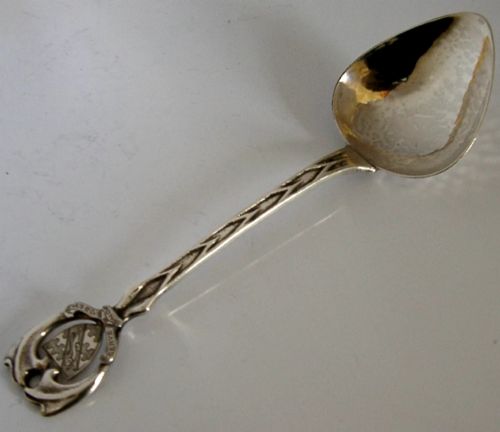
The furniture relies on solid woods paired with distinct veneers like burr walnut and macassar ebony, creating rich patterned surfaces. Metalwork utilises sterling silver and pewter, shaped into modernist vessels and serving pieces.
Paintings utilise oil, pastel and watercolour mediums applied to canvas, board and paper. Glass production employs moulded pedestal bowls, while clocks incorporate traditional brass movements housed in decorative desk and mantel cases.
Listings feature wood, glass, sterling silver and paper across diverse object types.
Quality and Execution
Excellence in these pieces rests upon the integrity of the design and the reputation of the maker or studio. Pieces bearing attribution to leading cabinet makers or documented artists command greater attention.
Material selection and handling drive distinction, such as highly figured walnut veneer on a sideboard or confident brushwork in a landscape painting. Original mounts, hardware and surface finishes preserve the historical integrity of the piece.
Harry and Lou Epstein·Betty Joel·Maurice Adams·Hille·PEL
The 1930s British Art Glossary
- Art Deco
- A design style characterised by sleek geometric shapes, streamlined forms and rich materials. It dominated architecture, furniture and decorative arts during the interwar period.
- Veneer
- A thin slice of ornamental wood applied to a core structure to create patterned surfaces. Burr walnut veneer was particularly favoured by elite cabinet makers for its mottled grain.
- Watercolour
- A painting method where water-soluble pigments are applied to paper. It was frequently used for rapid landscape studies and detailed portraiture.
- Sterling Silver
- An alloy containing a high proportion of pure silver, marked with official hallmarks indicating origin and date of assay. It was widely used for tableware and desk accessories.
1930s British Art: Frequently Asked Questions
How do I care for wooden cabinets and tables?
Maintain wooden surfaces by keeping them away from direct sunlight and extreme temperature changes. Regular dusting with a soft cloth preserves the polished finish.
Avoid commercial silicone sprays which can damage historical veneer surfaces over time.
What subjects appear in the paintings?
The paintings capture English pastoral landscapes, farmyards, portraits and mythological scenes. Artists recorded rural life and figures using oils, watercolours and pastels.
Signed works provide a direct link to mid-century British artistic output.
How is silver from this decade marked?
Silver pieces bear British hallmarks that identify the assay office, standard of purity and year of production. These stamps often include maker marks for silversmiths or retailers.
Such marks help establish the exact chronology of domestic silver items.