

1930s Art Deco Light
A 1930s art deco light delivers geometric form and industrial polish, bringing period character and striking illumination to modern interiors.
1930s Art Deco Light
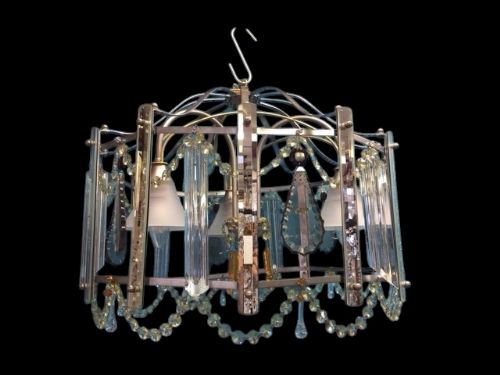
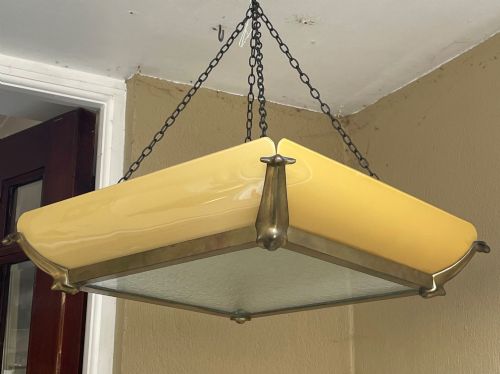
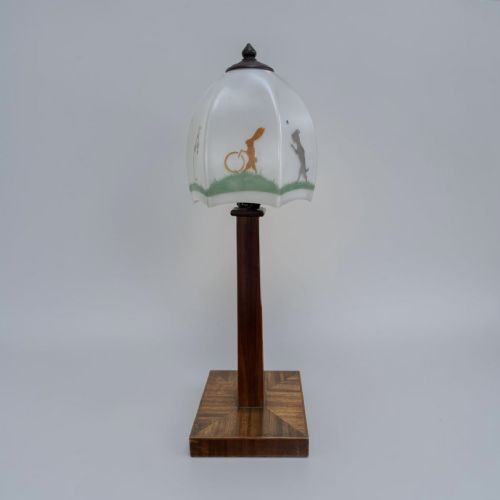
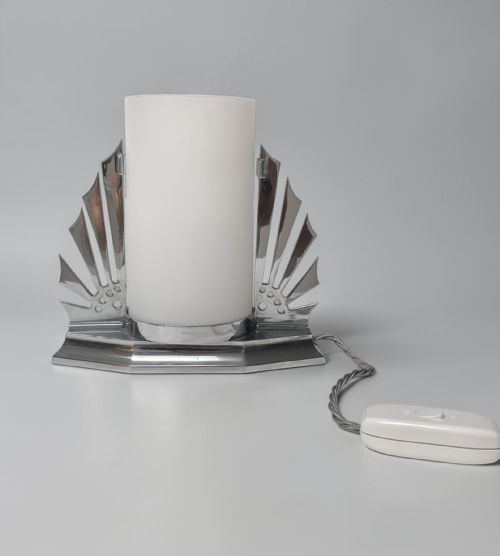
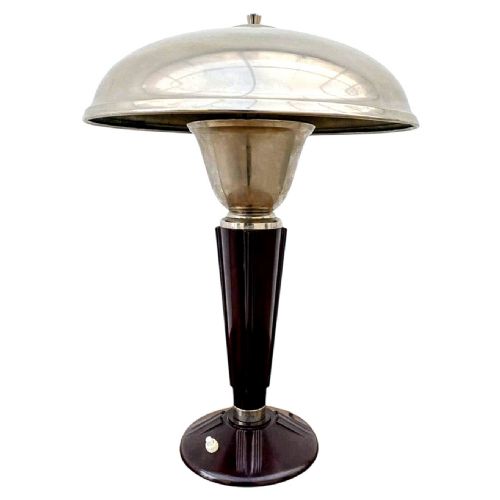
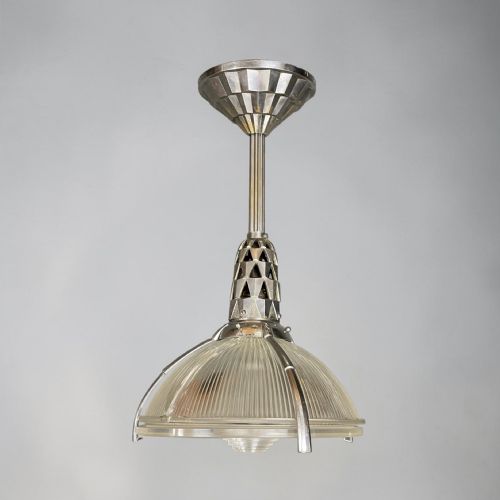
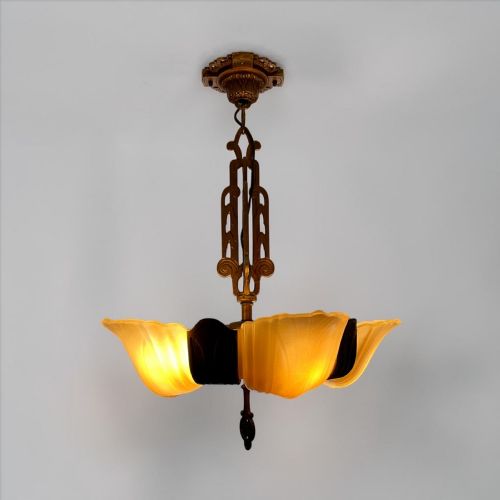
When searching for a 1930s art deco light, buyers encounter a diverse selection of wall sconces, hanging pendants, flush-mounted ceiling fixtures, and table lamps. These pieces originate predominantly from the 1930 period, drawing stylistic influence from Machine Age design and Swedish modernism.
The assortment on this page spans simple geometric shades to elaborate sculptural forms involving nude figures and shell motifs. Wall lights and ceiling fixtures dominate the archival record, whilst table and floor lamps appear frequently among current selections.
Materials span functional metals paired with decorative glass elements, capturing the technological optimism of the interwar decades. Buyers find both British workshop pieces and continental European designs, particularly from French makers.
Materials and construction methods
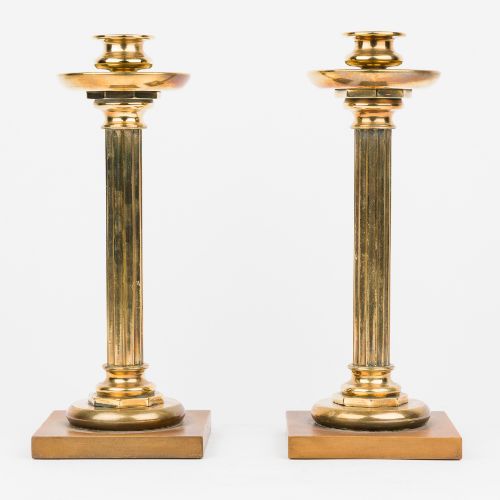
Makers constructed these fixtures using robust metals such as brass, chrome, copper, and wrought iron to form rigid frames and structural bases. Chrome and brass provide the reflective surfaces characteristic of the period, whilst wrought iron grounds heavier sculptural designs.
Glass forms the central component for diffusion, utilising frosted, opalescent, mottled, and slip shade techniques. Workshops also incorporated natural elements like marble bases and wooden accents including oak, walnut, satin birch, and sycamore to complement the metallic structures.
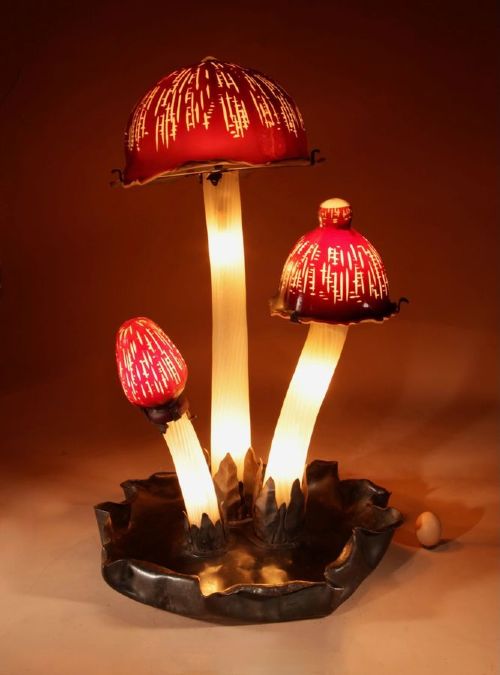
Several novelty lamps depict sculptural dogs and parrots keeping silent watch beside the bulb.
Distinctions in quality and execution
Quality rests upon the weight and finish of the metalwork, alongside the depth and coloration of the moulded glass shades. Superior examples display crisp geometric casting and integrated design where the metal mountings harmonize precisely with the glass.
Pieces bearing attribution to known designers or prominent retail houses exhibit greater refinement in proportion and material pairing. Lesser examples rely on standard commercial castings with simpler glass configurations that lack distinct regional stylistic touches.
Eileen Grey·Émile-Jacques Ruhlmann·Fratelli Toso·Hille·Gomme
The 1930s Art Deco Light Glossary
- Slip shade
- A moulded piece of glass that slides directly into a metal frame to form a ceiling or wall fixture.
- Skyscraper
- A stepped architectural style of lampshade that mimics the vertical setbacks of modern interwar buildings.
- Opaline
- A milky, semi-translucent glass type that softens bulb glare evenly across the surface of the shade.
- Millefiori
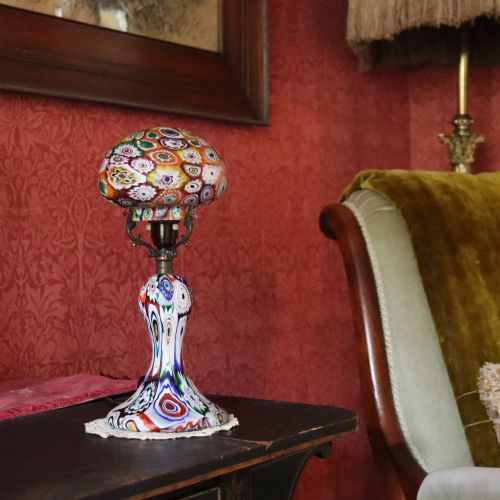
- A glasswork technique involving multicoloured floral patterns fused within the material body of the lamp.
- Machine Age
- A design aesthetic celebrating industrial efficiency, clean lines, and unadorned chrome or steel surfaces.
1930s Art Deco Light: Frequently Asked Questions
How do I identify an authentic 1930s art deco light?
Authentic pieces rely on period construction methods such as heavy brass, copper, or early chrome plating combined with moulded slip, frosted, or opalescent glass. Look for stepped geometric forms and architectural profiles typical of interwar manufacturing.
Examine the wiring channels, screw threads, and maker signatures where present. Many fixtures from this era also incorporate natural materials like marble or exotic woods alongside the primary metal structures.
Where were these lights typically placed in a home?
Wall sconces and shell lights were mounted in pairs or sets along hallways and living room walls to provide diffused ambient glow. Ceiling pendants and flush-mounted geometric fixtures served as primary overhead illumination for principal rooms.
Table and desk lamps were positioned on wooden pedestals, sideboards, and writing desks to offer focused task lighting. Floor-standing uplighters stood in corners to cast light upward against ceilings.
How should I care for vintage chrome and glass?
Clean metal surfaces gently with a soft dry cloth to avoid scratching thin vintage plating or lacquered finishes. Avoid abrasive chemical cleaners that can strip original patination from brass or copper components.
Wash glass shades separately in lukewarm soapy water after removing them from the fixture. Ensure all parts are completely dry before reassembly and testing.