


1930s Chrome Pendant Light
These 1930s chrome pendant light examples bring genuine Art Deco utility and brightness to a room.
1930s Chrome Pendant Light
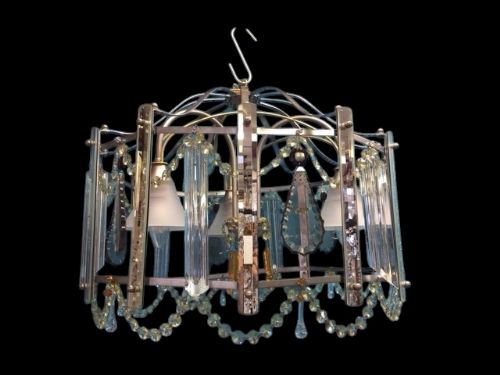
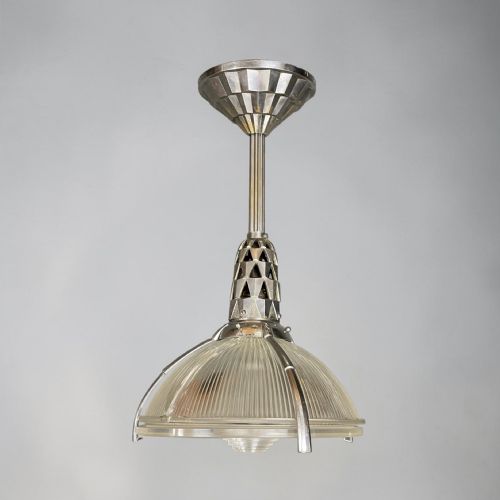
A 1930s chrome pendant light encompasses ceiling fixtures, hanging lights, lanterns, and chandeliers created in the Art Deco style. These fittings hang from ceilings to illuminate spaces with period character.
How they were made
The construction relies on metals such as chrome, steel, and nickel plated metal to form the structural frames and suspension hardware. These metallic elements provide durable support for the hanging assemblies.
Fish scale opaline shades prove that even 1930s electricians possessed a subtle aquatic sense of humour.
What varies in quality
Quality differences emerge in the complexity of the glasswork and the finish of the metal components. Suites of lights and multi-tiered chandeliers represent a higher tier of domestic lighting design than single basic pendants.
The integration of specific decorative styles, such as Odeon elements or clam shell glass formations, elevates the distinction of individual pieces. Subtleties in metal plating and the weight of the moulded glass define the upper echelon.
Émile-Jacques Ruhlmann
The 1930s Chrome Pendant Light Glossary
- Art Deco
- A design style characterised by sleek geometric shapes, streamlined forms, and modern industrial materials. This aesthetic dominated decorative arts during the interwar period.
- Pendant light
- A solitary light fixture suspended from the ceiling by a cord, chain, or metal rod. It directs illumination downward into a specific area of a room.
- Frosted glass
- Glass treated via acid etching or sandblasting to create a textured, opaque surface. This treatment diffuses harsh light to produce an even glow.
- Moulded glass
- Glass shaped by being pressed into a mould while hot to create decorative patterns and reliefs. This technique allowed for repeatable geometric and sculptural shade designs.
- Chandelier
- A branched ornamental light fixture designed to hold multiple bulbs and hang from the ceiling. These larger pieces often incorporate cut glass or crystal drops for enhanced light refraction.
1930s Chrome Pendant Light: Frequently Asked Questions
How do I hang a pendant light?
These fixtures suspend from the ceiling using chains, rods, or cords attached to the primary wiring. Professional installation ensures the weight of the metal and glass is properly secured.
Height adjustments depend on the clearance needed in your specific room, particularly above tables or open floor spaces.
What rooms suit these lights?
Pendant lights and chandeliers work effectively in hallways, dining areas, and living spaces where overhead illumination is required. Their compact footprint also suits smaller rooms needing focused ceiling lighting.
Matching suites of lights allow for consistent styling across adjoining spaces in a home.
How do I clean frosted glass?
Gentle cleaning with warm soapy water and a soft cloth removes dust without damaging the textured surface. Avoid abrasive scourers that might scratch the frosted finish.
Dry the glass thoroughly before reassembling the fixture to prevent water spots.
Are these lights strictly Art Deco?
The pieces span the 1920s and 1930s, firmly anchoring them within the Art Deco period. Their design language relies on geometric lines, chrome surfaces, and moulded glass shades characteristic of that era.
Variations include lanterns and bag chandeliers alongside standard pendant forms.