


1930s Art Deco Armchairs
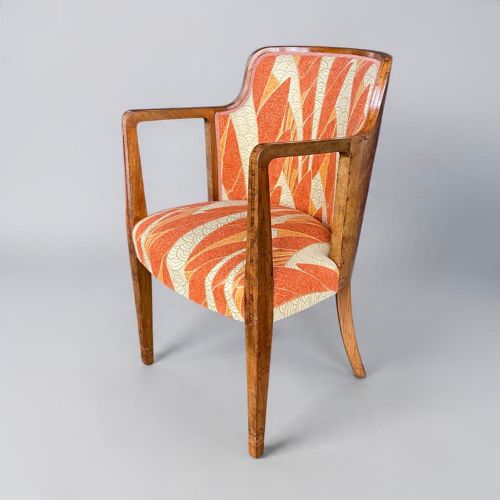
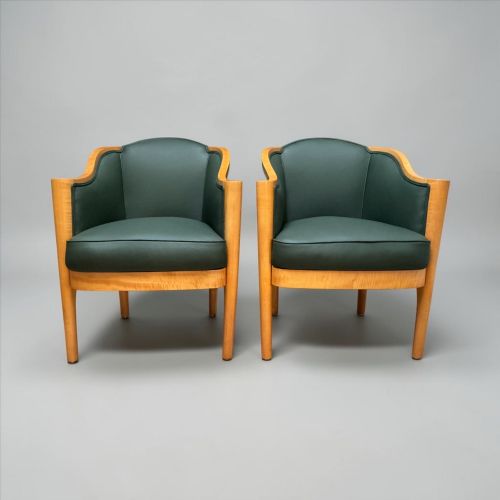
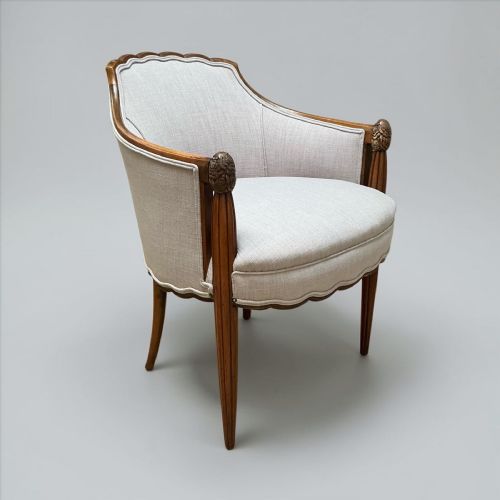
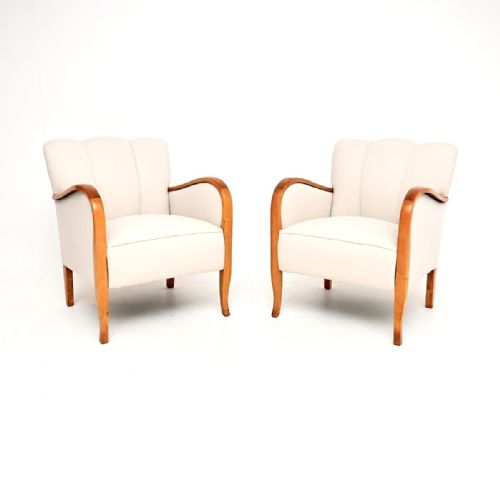
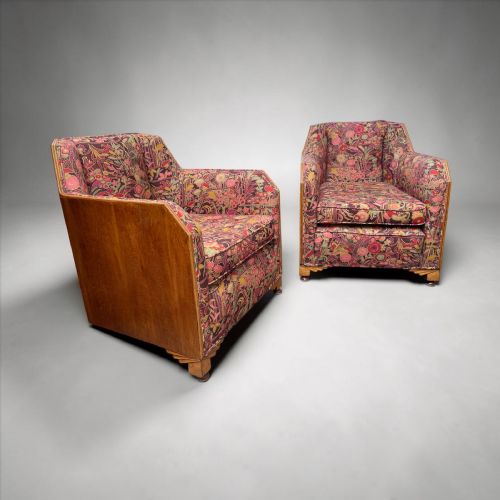
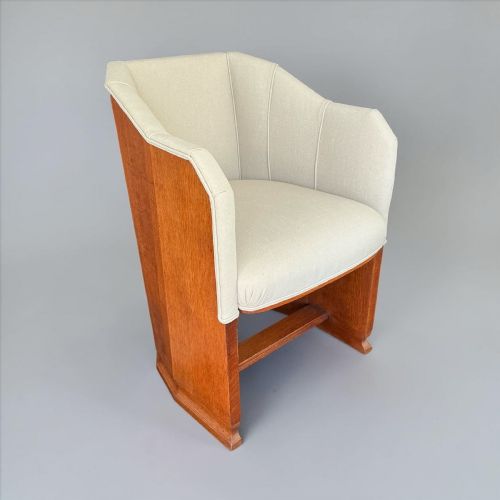
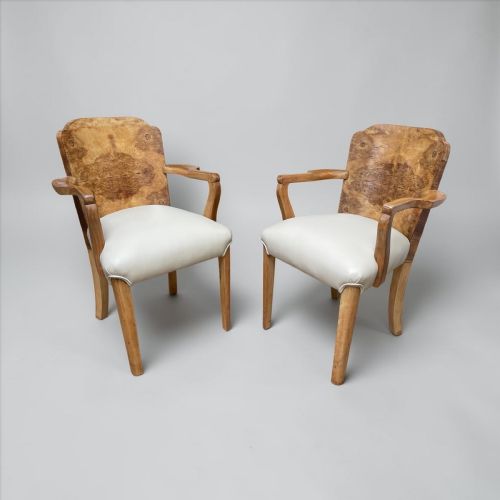
These 1930s art deco armchairs combine bold geometric forms with rich woods and comfortable upholstery, offering striking centrepieces for modern interiors.
1930s Art Deco Armchairs
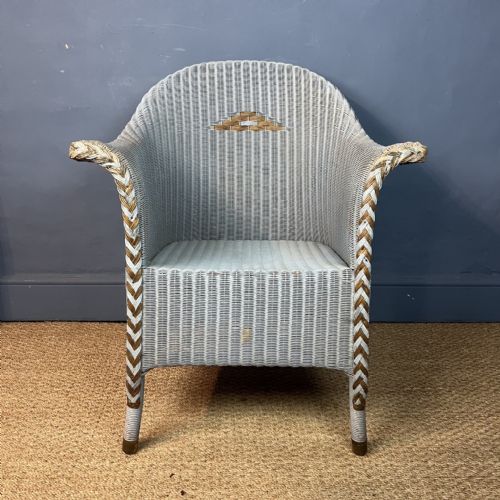
When searching for 1930s art deco armchairs, buyers encounter striking seating options that define the interwar aesthetic. These pieces span standard armchairs, club chairs, occasional chairs, and garden variants shaped during the 1920s, 1930s, and 1940s.
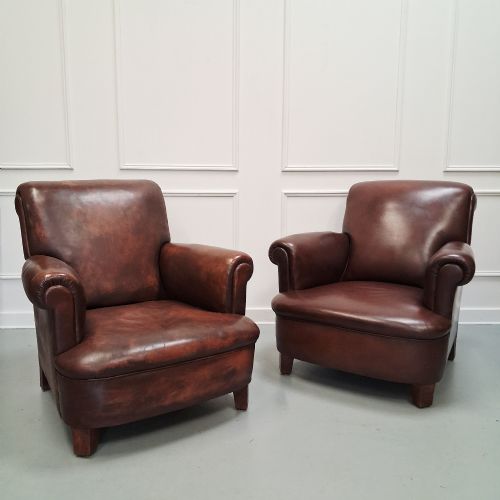
The version met most frequently on this page is the club chair or occasional chair, often found in pairs. French, British, and Swedish origins dominate the selection, bringing distinct regional interpretations to the movement.
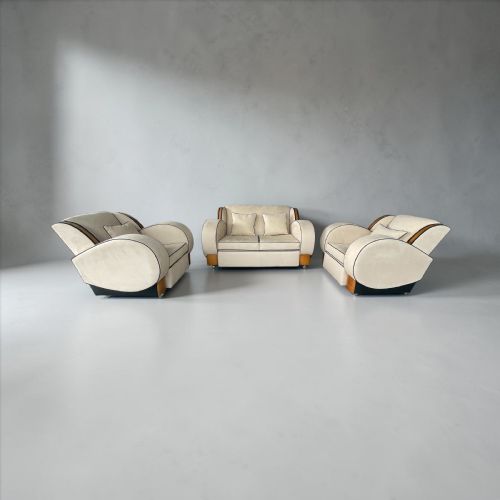
Makers and designers from the period utilised robust frames and generous proportions to create seating that prioritised visual weight and physical comfort. Forms range from streamlined bentwood models to rounded cloud suites upholstered in rich hides.
How they were made
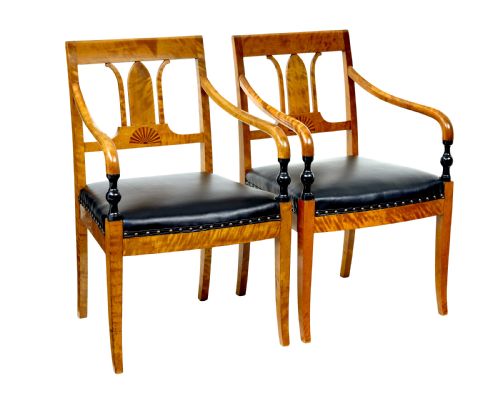
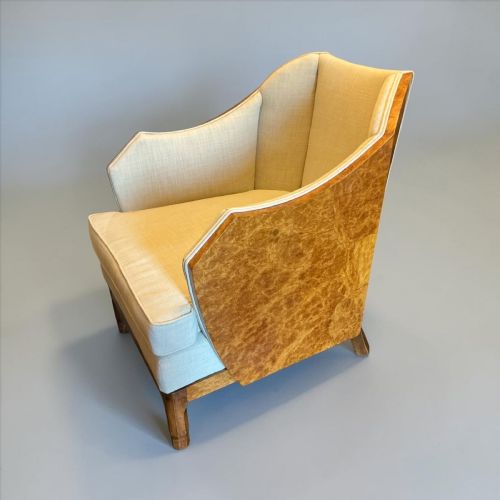
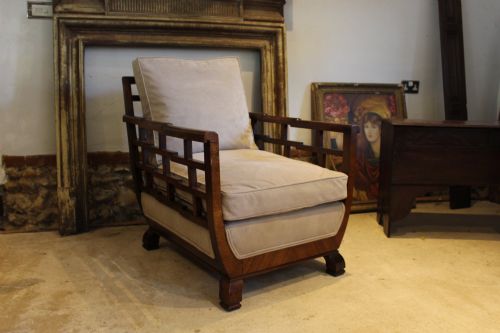
The construction of these chairs relies heavily on solid timber and hardwood frames, utilising walnut, oak, satin birch, and various other woods for structural integrity and exposed decorative veneers. Burr walnut and satinwood frequently appear on premium surfaces to create striking grain patterns.
Upholstery and finishing materials complete the framework, with supple leather, calf suede, fabric, rattan, and wicker defining the seating surfaces. Traditional techniques like button-back stitching and bentwood shaping provide both structural support and distinct stylistic flair.
1930s Art Deco Armchairs Retail Price Guide 2026
Typical asking prices for 1930s art deco armchairs among the pieces listed under this phrase on Sellingantiques today, from the lower quarter to the upper quarter. They describe what is for sale here now, not the wider market.
Listings feature pieces from the 1920s to the 1940s, constructed in leather, fabric, walnut, oak, satin birch, and wicker.
What varies in quality
Quality separates through the selection and handling of timbers, where figured veneers like burr walnut or meticulously finished satin birch elevate a piece above standard hardwoods. The sophistication of the silhouette, from simple occasional seating to complex cloud-shaped frames, dictates the level of craftsmanship involved.
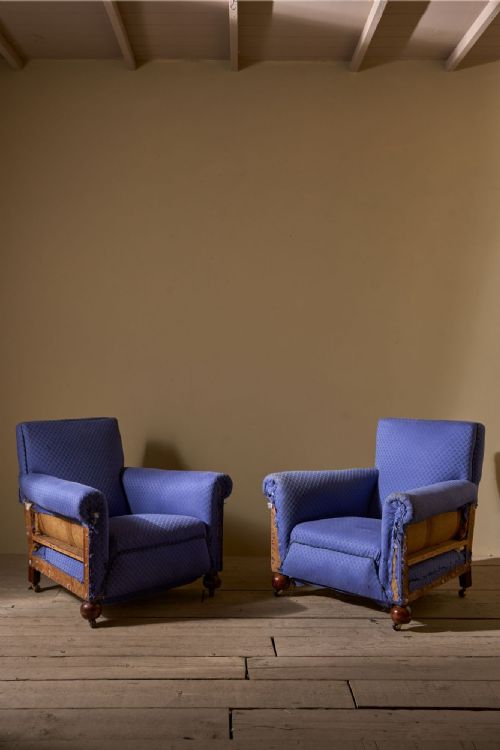
Upholstery execution and the choice of covering material further distinguish the range, as premium hides, suede, or specialist textiles applied by renowned makers command greater attention. The integrity of the original wood framing and the harmony of the overall proportions ultimately determine the standing of each armchair.
Maurice Adams·Hille·Harry and Lou Epstein·Heals·Angraves of Leicester
The 1930s Art Deco Armchairs Glossary
- Club chair
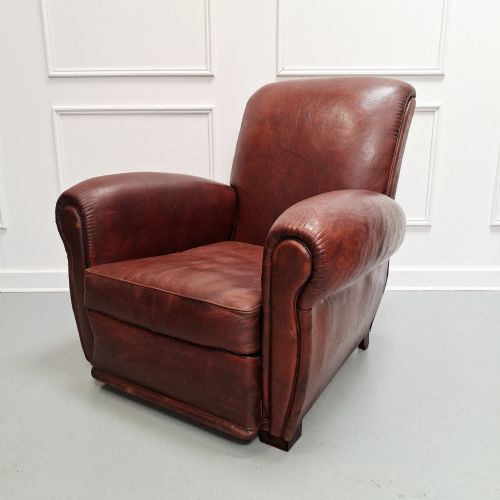
- A deep, low-slung armchair traditionally upholstered in leather and built for maximum comfort. This form became a staple of French and British interior design during the interwar period.
- Cloud suite
- A matching set of seating characterised by rounded, bulbous upholstery padded into soft, volumetric shapes. These suites often incorporate walnut frames.
- Satin birch
- A pale, lustrous hardwood favoured by Scandinavian designers for its fine grain and reflective quality. It brings a bright elegance to regional art deco furniture.
- Bentwood
- Wood that is moistened and heated to bend into curved shapes, allowing for smooth, continuous structural lines. This method was utilised to create resilient and graceful chair frames.
- Occasional chair
- A movable, decorative seat intended for use in specific spots around a room rather than as primary lounging furniture. They showcase lighter frames and ornamental woodwork.
1930s Art Deco Armchairs: Frequently Asked Questions
What defines a 1930s art deco armchair?
These armchairs are defined by their combination of clean geometric lines or rounded volumetric shapes, such as the popular cloud design. They utilise stylish woods like walnut and satin birch paired with leather or fabric upholstery.
Origins stretch across Britain, France, and Sweden, reflecting diverse regional interpretations of the modernist movement during the interwar decades.
How do I identify French club chairs?
French club chairs from this era typically feature deep, enveloping leather upholstery and low profiles designed for relaxation. They often exhibit rich patination on caramel tan or oxblood hides.
Many examples maintain a sturdy internal wooden frame while prioritising plush, supportive cushioning over visible woodwork.
Where were bentwood armchairs made?
Bentwood armchairs from this period were produced by prominent British retailers and manufacturers who utilised steam-bent timber techniques. Makers like Heals adopted this method to achieve flowing, organic structural curves.
These pieces combine resilient framing with newly updated upholstery to blend vintage forms with modern interiors.