


Art Deco Tub Chair
An art deco tub chair brings curved lines and deep seating into a room, offering the distinct silhouette collectors seek from the period.
Art Deco Tub Chair
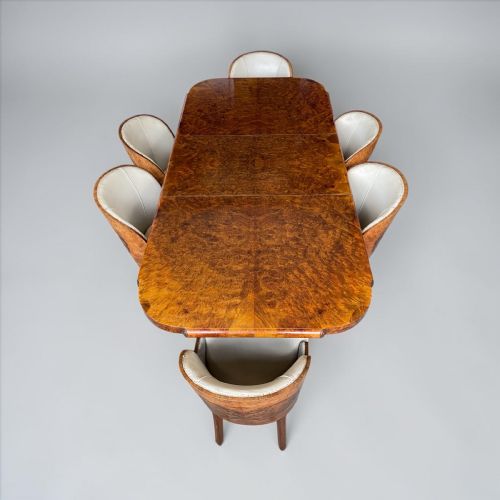
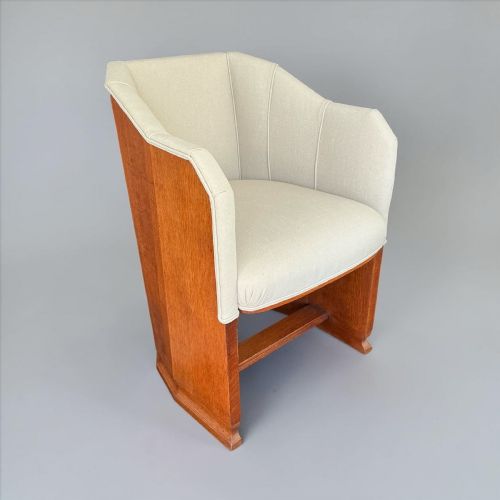
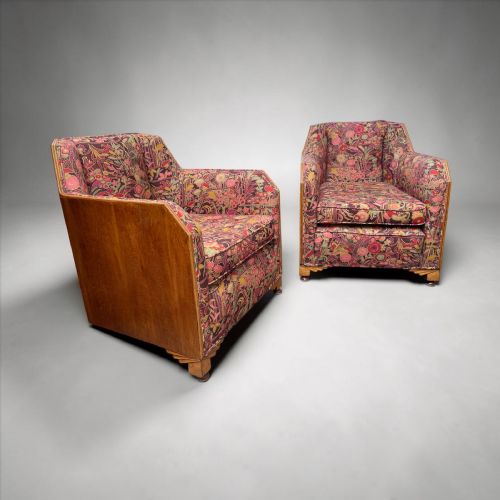
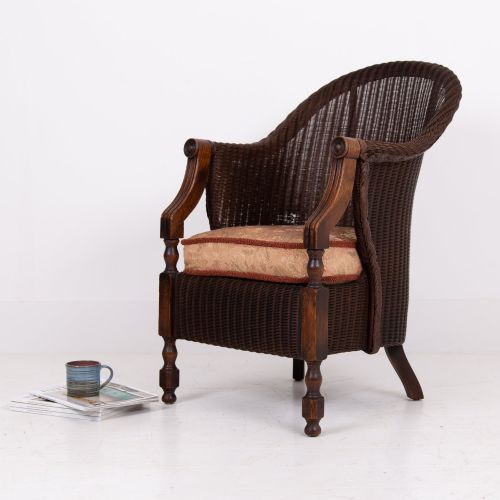
An art deco tub chair combines a rounded, enclosing back with a low-slung seat, forming a continuous curve that wraps around the sitter. You will frequently encounter pairs within these listings, alongside individual lounge and desk chairs originating primarily from the 1920s and 1930s.
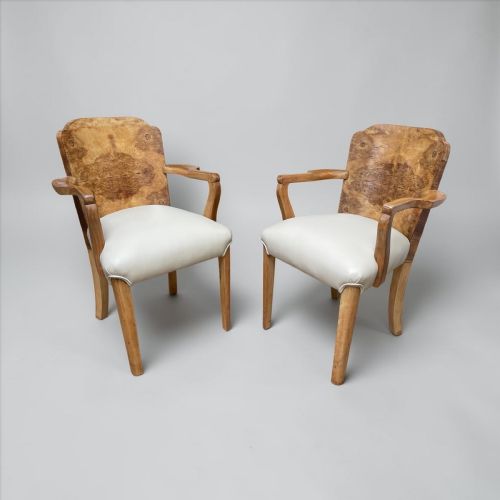
The materials span traditional timber frames upholstered in leather or fabric, with specific examples employing burr walnut, burr birch, burr maple, oak, teak, and mahogany. Makers such as Maurice Adams and Hille appear among the pieces, reflecting British and international production during the period.
Materials and construction
Makers built the foundational frames of an art deco tub chair using hardwoods such as oak, mahogany, teak, and walnut, often accentuating the grain with burr veneers. Timber elements support sprung or padded interiors that maintain the signature rounded profile.
Upholstery relies heavily on leather, fabric, cane, and brass details, with specific variants incorporating polished wood armrests or exposed wooden bases. The combination of dense internal stuffing and tight surface covering creates the smooth, unbroken contours characteristic of the style.
Art Deco Tub Chair Retail Price Guide 2026
Typical asking prices for art deco tub chair among the pieces listed under this phrase on Sellingantiques today, from the lower quarter to the upper quarter. They describe what is for sale here now, not the wider market.
Listings feature oak, leather, fabric, brass, and burr walnut across 1930s and 1920s pieces.
Assessing quality
The calibre of an art deco tub chair rests upon the sophistication of its woodwork and the integrity of its frame structure. Pieces featuring selected burr veneers or solid mahogany and walnut demonstrate superior cabinet-making compared to simpler utility builds.
Upholstery execution dictates the final finish, where hand-stitched leather or correctly tensioned fabric follows the exact curvature of the tub shell. The visual harmony between the exposed timber grain and the padded sections separates standard production from finer workshop output.
Maurice Adams·Hille
The Art Deco Tub Chair Glossary
- Tub chair
- A low, rounded armchair where the backrest curves continuously into the arms to form an enclosing shell. This shape defines the primary seating form sought in these designs.
- Burr walnut
- A highly figured wood veneer taken from the growth growths or burls of walnut trees. It provides complex, swirling patterns across the wooden panels of the chair frame.
- Fauteuil
- An open-armed upholstered armchair originating in France. The term frequently appears alongside club and library seating descriptions in the archive.
- Cane
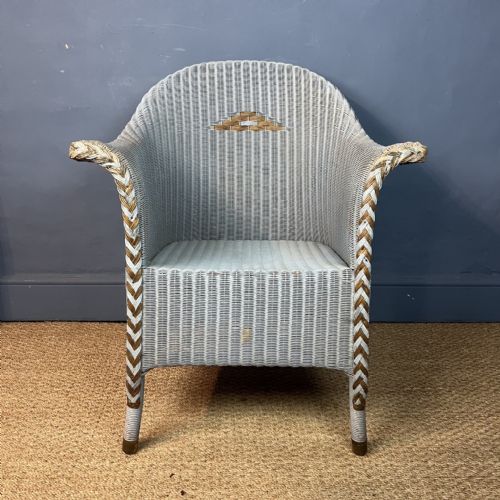
- Woven rattan material used for seat panels, seen in specific Anglo Indian variants. This technique introduces a lighter texture to the dense wooden frame.
- Mahogany
- A durable tropical hardwood utilised for structural frames and exposed arm elements. Its stable nature allowed makers to carve deep curves.
Art Deco Tub Chair: Frequently Asked Questions
How do I identify a 1930s tub chair?
Identification relies on observing the signature curved silhouette, the use of period timbers like walnut and mahogany, and characteristic upholstery styles. Many examples from this era incorporate low profiles and streamlined geometric influences.
Looking closer at the construction methods, such as hand-finished timber frames and traditional leather or fabric coverings, helps confirm the era. Maker details or specific regional styles like British or Anglo Indian variants also assist with dating.
Where were these chairs used originally?
These chairs served multiple purposes in period interiors, appearing in libraries, offices, cocktail lounges, and garden rooms. Swivelling desk versions catered to workspaces, while leather club variants suited residential reception rooms.
Pairs frequently sat around low tables or firesides, reflecting the social seating arrangements popular during the interwar decades. Their versatile size allowed them to fit into both formal and relaxed domestic settings.
How do I care for leather tub chairs?
Leather upholstery requires regular dusting and occasional conditioning to maintain suppleness and prevent the natural material from drying out. Keeping the chairs away from direct sunlight and heat sources protects the finish and the underlying wood.
Gentle cleaning with appropriate leather care products preserves the original texture and patina. Ensuring the internal frame remains in a stable, dry environment prevents structural warping.