

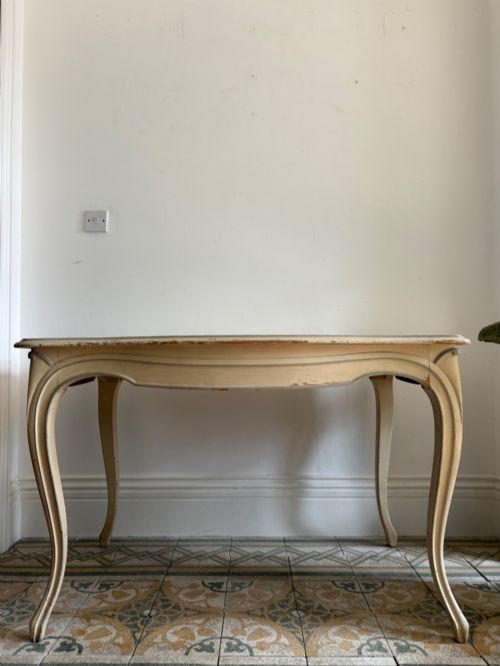


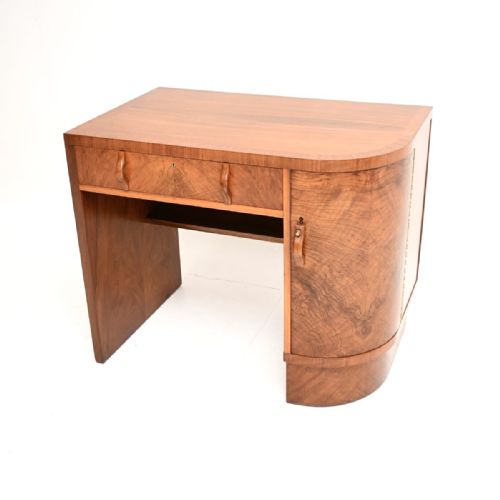
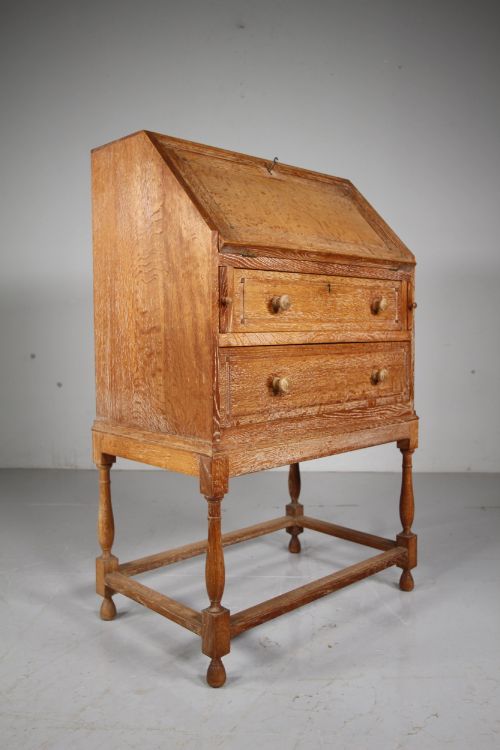
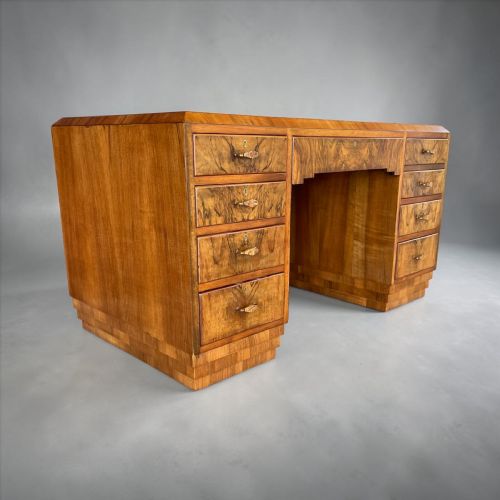



1920s Writing Desk
A 1920s writing desk is a practical workspace combining period charm with fitted drawers, perfect for daily correspondence.
1920s Writing Desk
A 1920s writing desk encompasses a variety of practical forms designed for correspondence and study, emerging from the 1920 and 1930 periods. Buyers searching this phrase encounter multiple iterations, from compact bureaux and side tables to pedestal desks and Bureau bookcases.
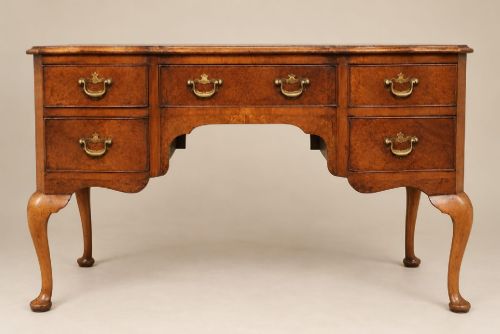
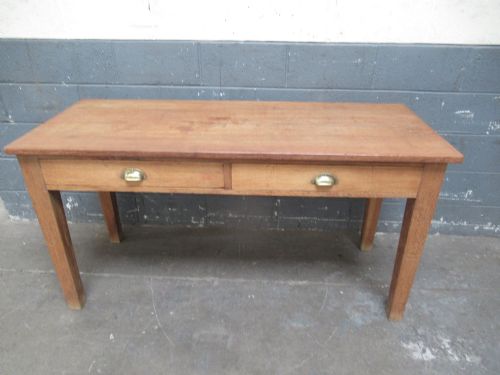
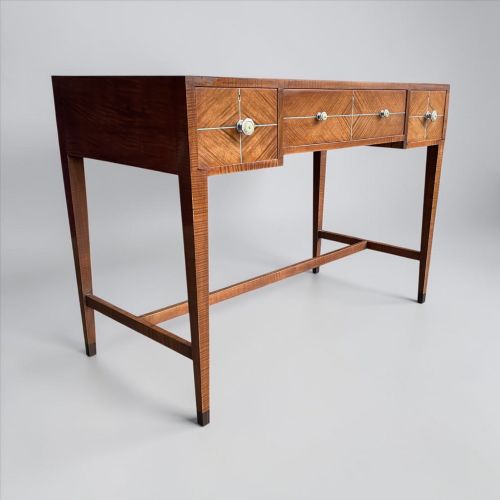
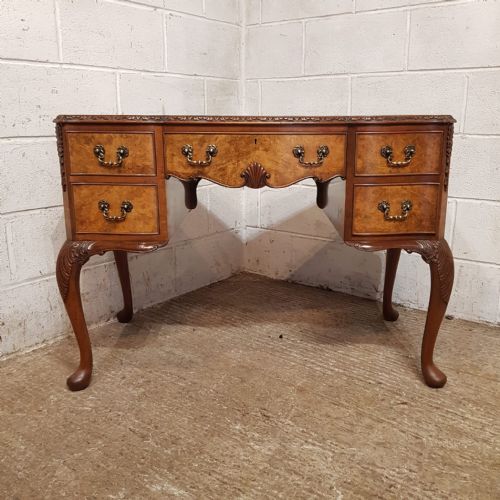
The oak and walnut versions dominate the listings, often displaying styles such as Art Deco, Queen Anne Revival, and Arts and Crafts. Pieces range from simple English oak writing desks to French Art Deco rosewood writing tables and serpentine fronted burr walnut designs.
How they were made
Construction relies heavily on traditional hardwoods including oak, walnut, and rosewood, frequently enhanced by burr walnut veneers for visual depth. Leather and glass inserts frequently top the writing surfaces, while brass handles and hardware provide functional detailing.
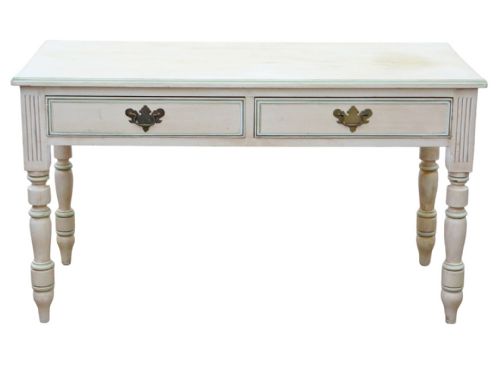
Joinery methods reflect both mass production and bespoke craftsmanship seen in labeled pieces by makers like Heals of London. Painted finishes on cream or mixed woods also appear alongside natural grain polishes.
1920s Writing Desk Retail Price Guide 2026
Typical asking prices for 1920s writing desk among the pieces listed under this phrase on Sellingantiques today, from the lower quarter to the upper quarter. They describe what is for sale here now, not the wider market.
Crocodile writing cases from the decade ensure that even your stationery travels with reptilian ambition.
What varies in quality
The grade of timber selection and veneer matching defines the upper tier of these pieces, particularly in burr walnut and rosewood examples. Superior execution shows in the crispness of carved revival details, such as cabriole legs or linenfold panels, versus simpler utilitarian forms.
Heals of London·Maurice Dufrêne·Rene Lalique
The 1920s Writing Desk Glossary
- Bureau
- A writing desk with a sloping hinged lid that covers fitted pigeonholes and small drawers. This form was widely produced in oak and walnut during the period.
- Lowboy
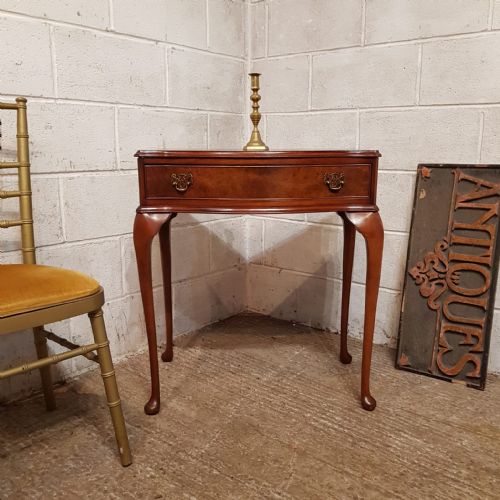
- A small dressing or writing table with low legs and one or more rows of drawers. Examples often follow Queen Anne or Georgian revival styles.
- Roll top
- A type of desk featuring a flexible slatted wooden tambour that pulls down to conceal the writing surface and pigeonholes. It provides secure closure for paperwork.
- Serpentine
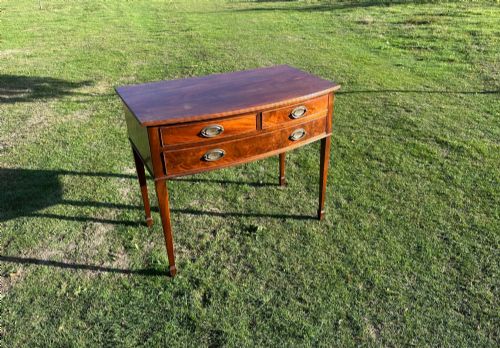
- A furniture front characterised by a wavy shape with a convex centre flanked by concave sides. This contour requires skilled woodworking.
- Blotter
- A desk accessory pad designed to absorb excess ink during writing, often produced in glass by makers such as Rene Lalique.
1920s Writing Desk: Frequently Asked Questions
What is a 1920s writing desk?
A 1920s writing desk is a dedicated wooden piece of furniture designed for correspondence, featuring drawers, flat writing surfaces, or sloping lids.
These pieces reflect the design transitions of the era, spanning utilitarian oak office tables to decorative Art Deco walnut models.
How do I identify Art Deco style?
Art Deco pieces typically display sleek geometric lines, stylized motifs, and rich materials like figured walnut and rosewood.
They stand apart from earlier revival styles by embracing modern industrial aesthetics and streamlined symmetry.
Where were these desks used?
These desks served in domestic studies, libraries, and commercial offices, adapting to both administrative tasks and personal letter writing.
Many smaller bureau and side table variants suited domestic rooms with limited space.
How do I care for walnut wood?
Walnut surfaces benefit from occasional dusting with a soft cloth and protection from direct sunlight to preserve the natural grain and colour.
Avoid excessive moisture and harsh chemical polishes to maintain the original finish.