




1920s Sterling Silver Box
These pieces known as a 1920s sterling silver box encompass decorative vessels and small containers crafted during the interwar period.
1920s Sterling Silver Box
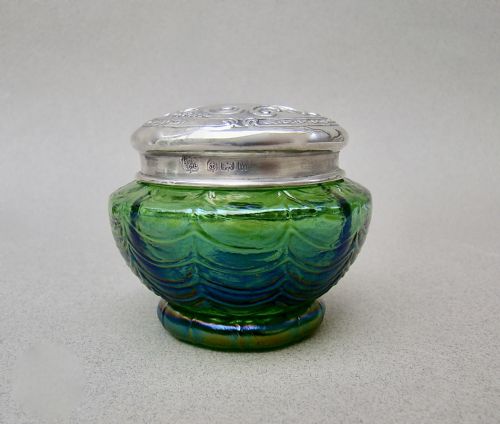
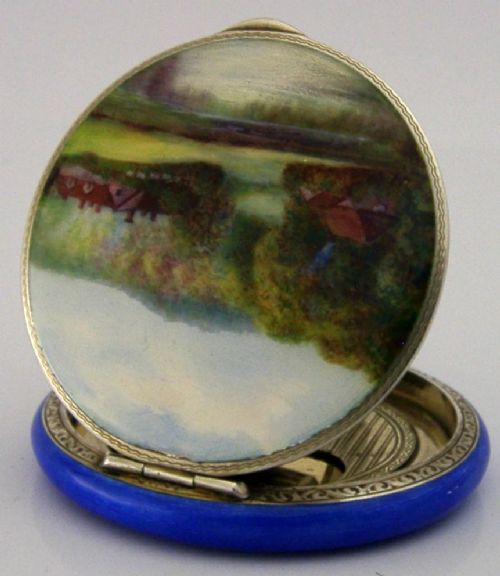
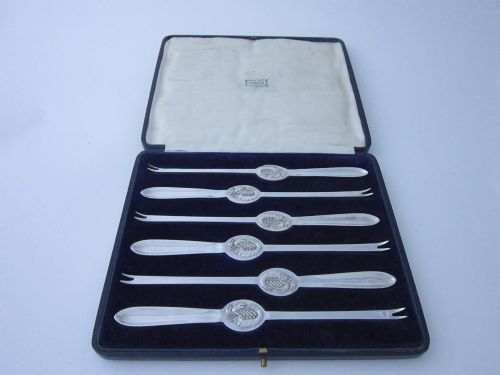
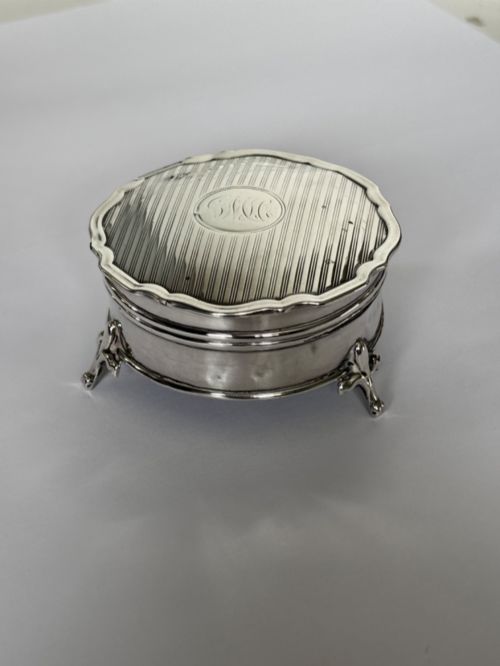
A 1920s sterling silver box covers a diverse group of small personal containers produced primarily during the George V reign and the interwar period. The selection includes trinket boxes, dressing table jars, powder compacts, cigarette cases, and vesta cases made for daily utility. Glass bodies paired with silver lids, alongside tortoiseshell and enamel variants, appear frequently across the collection.
Makers working in Birmingham produced a substantial portion of these items, stamping them with regional hallmarks alongside London examples. Art Deco design influences dominate the forms, bringing geometric patterns and stylised motifs to dressing tables and pocket items alike.
Materials and construction
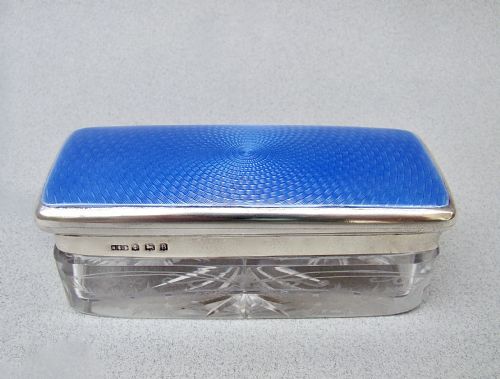
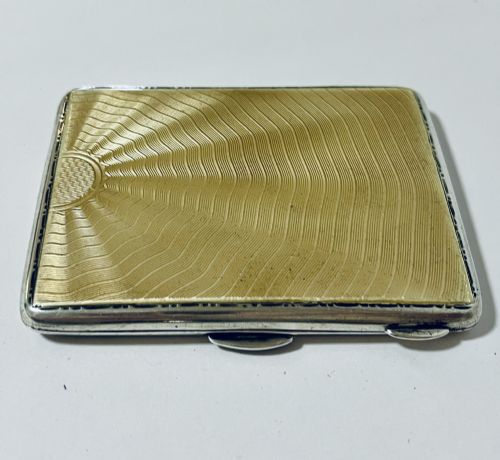
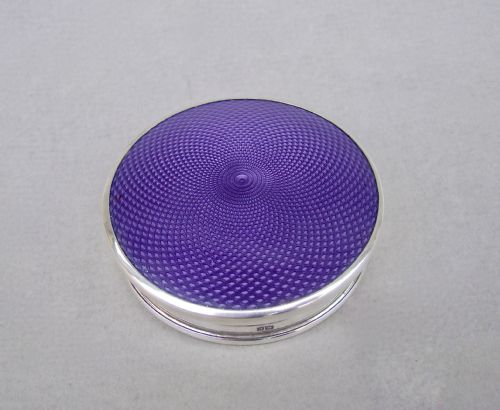
Silversmiths utilised sterling silver alongside glass, tortoiseshell, and leatherette to construct these vessels. Guilloche enamel and hand-painted decoration frequently adorn the exterior surfaces of compacts and dressing table jars.
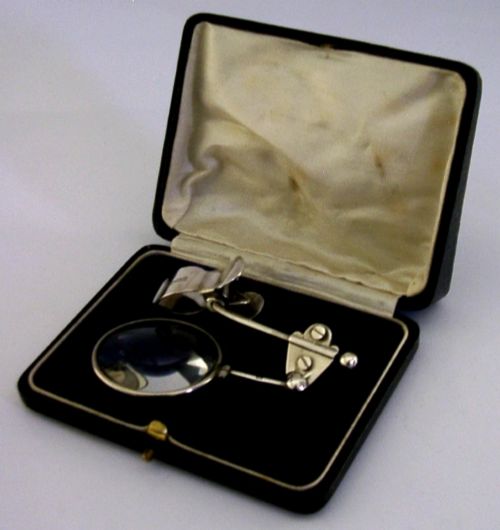
Cut glass and Kralick glass serve as body materials for lidded trinket boxes, secured with hinged or lift-off silver lids. Celluloide components and velvet linings add internal structure to specific compacts and ring boxes.
An enamelled pug dog adorns one silver vesta case from Birmingham.
Quality variations
The precision of the engine-turned guilloche enamel patterns and the clarity of the hand-painted details separate standard output from finer workshop productions. Crisp Birmingham or London hallmarking provides clear evidence of origin and silver standard.
The integration of materials such as undamaged tortoiseshell or intact glass bodies with secure silver mounts defines the superior examples. Maker marks from established firms indicate higher standards of craftsmanship.
A. J. Pepper & Co·Henry Clifford Davis·Henry Matthews·The Daniel Manufacturing Co·Wilmot Manufacturing Co
The 1920s Sterling Silver Box Glossary
- Guilloche enamel
- A decorative technique involving precise mechanical patterns engraved beneath a translucent enamel layer. This method creates geometric depth on compacts and dressing table jars.
- Hallmark
- An official stamp applied to precious metals indicating the standard of silver, the assay office, and the year of manufacture. Birmingham and London marks are common on these pieces.
- Vesta case
- A small pocket container designed to hold matches, typically fitted with a striking strip on the base. Many examples from this period feature engraved geometric or animal motifs.
- Kralick glass
- An artistic glass type utilised for the bodies of lidded trinket boxes combined with silver mounts. It provides coloured or iridescent visual effects beneath the metal lid.
1920s Sterling Silver Box: Frequently Asked Questions
What were 1920s silver boxes used for?
These containers served practical daily functions on dressing tables, containing trinkets, rings, powder, or cigarettes. Pocket-sized versions held matches or valuables while travelling.
Their presence reflected the personal grooming and social habits of the interwar period, combining utility with decorative display.
How do I identify a 1920s piece?
Examination of the hallmarks reveals the exact year of assay, linking the piece to the George V period and the 1920s decade. Birmingham and London marks appear frequently on the silver mounts.
Stylistic indicators such as Art Deco geometric lines and guilloche enamel further confirm the interwar manufacture date.
How should I clean silver boxes?
Gentle dusting with a soft cloth maintains the polished surface of the sterling silver without harming adjacent enamel or glass elements. Avoiding abrasive polishes protects delicate engraved patterns and hand-painted details.
Care must be taken around fitted velvet linings and inset materials during any maintenance.
What materials are combined with silver?
Glass bodies, including cut glass and Kralick glass, frequently pair with silver lids on trinket jars and dressing table containers. Enamel, tortoiseshell, and celluloide also appear as decorative surface elements.
Internal compartments often incorporate velvet linings or leatherette finishes to protect stored items.