


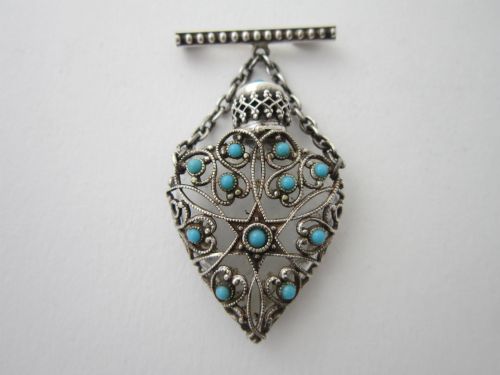
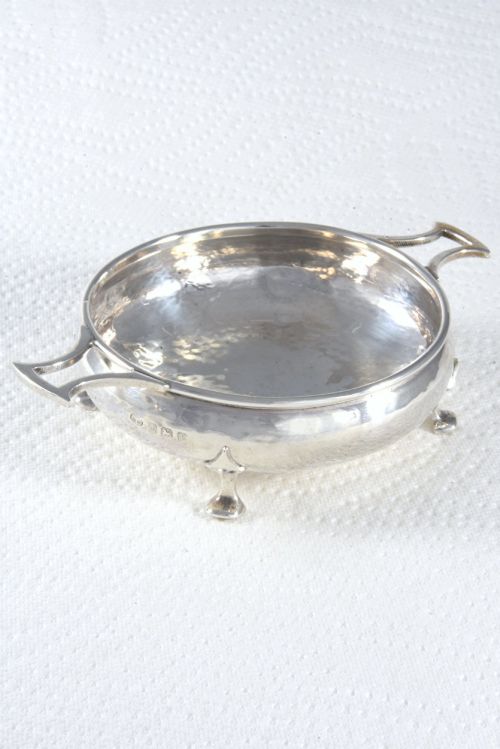
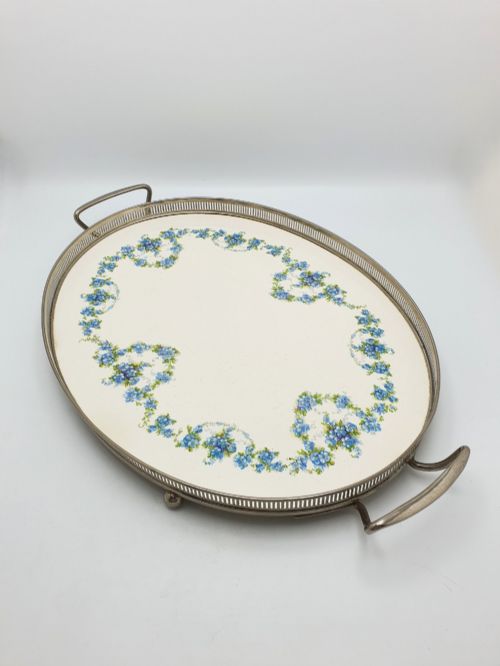


1920s Silver Vanity
These 1920s silver vanity items bring geometric styling and bright enamel work to the dressing table.
1920s Silver Vanity
A 1920s silver vanity search covers dressing table accessories, compacts, and small containers from the 1920 and 1930 periods. You will frequently meet silver-mounted glass jars, trinket boxes, and hand-painted enamel compacts.
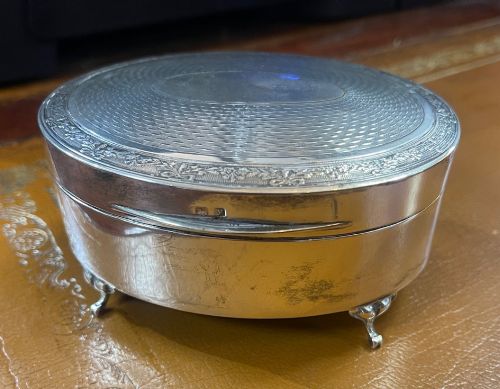
The surviving forms range from large footed caskets and serving trays down to miniature pill boxes and hat pin holders. Many items display the distinct geometric lines of the Art Deco style or the traditional hallmarks of the George V era.
How they were made
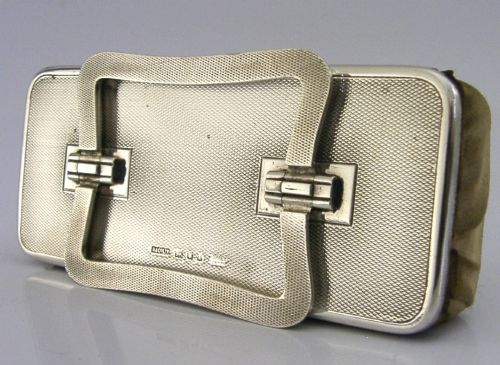
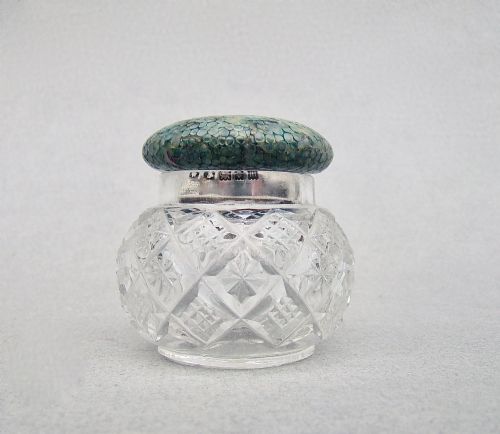
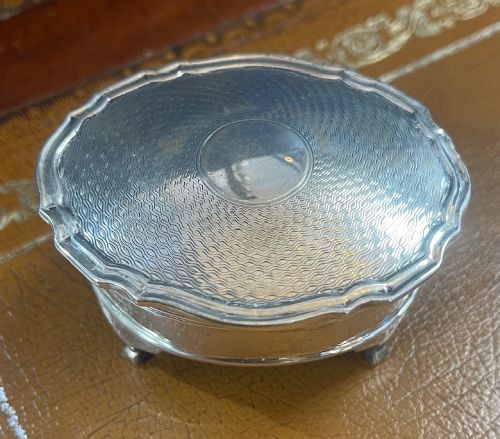
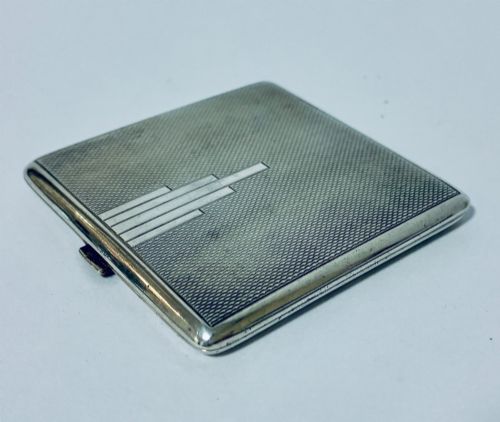
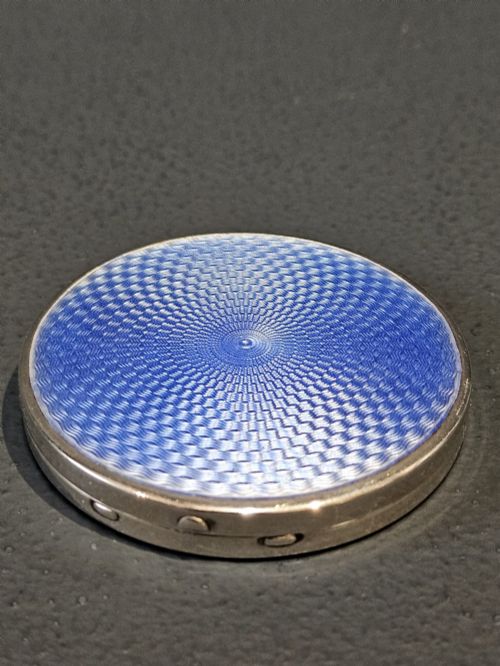
Silversmiths formed the mounts and boxes from sterling silver or silver plate, frequently applying engine-turned patterns or guilloché enamel in blue and other colours. Glass bodies were blown, moulded, or cut to shape before receiving silver lids and collars.
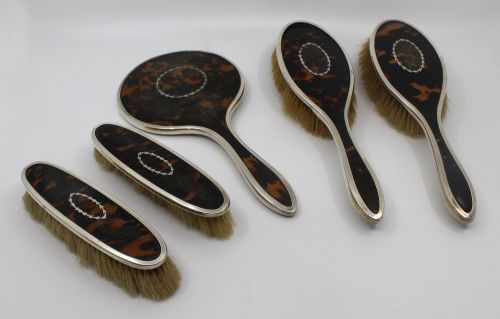
Makers combined silver with organic or synthetic elements such as tortoiseshell, shagreen, celluloid, and natural bristle for brushes and vanity sets. Coloured glass, including cranberry and amethyst overlays, added depth to perfume bottles and rouge pots.
1920s Silver Vanity Retail Price Guide 2026
Typical asking prices for 1920s silver vanity among the pieces listed under this phrase on Sellingantiques today, from the lower quarter to the upper quarter. They describe what is for sale here now, not the wider market.
Object forms include vanity sets, scent bottles, rouge pots, hat pin holders, and pill boxes.
What varies in quality
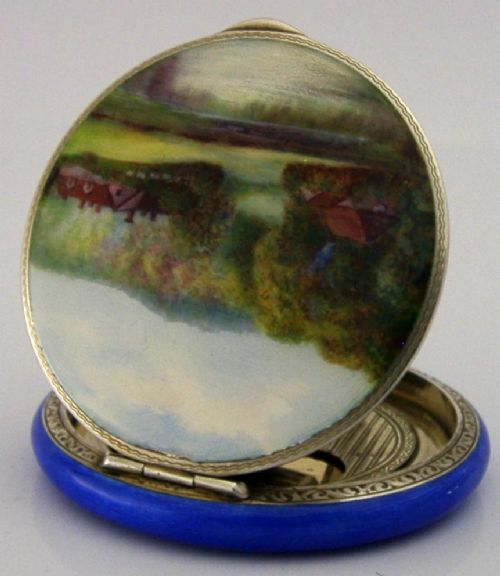
Quality rests in the crispness of the Birmingham or London hallmarks, the precision of the engine-turning, and the condition of the delicate guilloché enamel panels. Intricate hand-painted details and intact original glass or tortoiseshell elevate specific pieces above standard production items.
The weight of the silver mount and the integration between glass bodies and metal collars demonstrate the original maker's skill. Pieces bearing named silversmith marks often show superior finishing in hinges, clasps, and interior linings.
Asprey·B and Co·Henry Clifford Davis·Henry Matthews·The Daniel Manufacturing Co·Crisford and Norris·Henry Perkins·Barnsley and Co·Henry Perkins and Sons·Adie Brothers Ltd
The 1920s Silver Vanity Glossary
- Guilloché enamel
- A decorative technique where a precise geometric pattern is mechanically engraved beneath a translucent coloured enamel layer. This creates a shimmering, patterned depth often seen on compacts and dressing table jars.
- Sterling silver
- A silver alloy containing 92.5 percent pure silver and 7.5 percent other metals, usually copper, to increase durability. Most British items from this period carry standard assay office marks for this standard.
- Engine-turned
- A mechanical surface decoration method producing intricate, repetitive geometric lines. It provides texture and light reflection on silver compacts and cigarette cases.
- Shagreen
- Untanned leather prepared from the skin of a shark or ray, dried and sanded to reveal a distinctive granular texture. It appears on modernist boxes and vanity accessories.
- Hallmark
- A series of official marks stamped on precious metals indicating the maker, purity standard, assay office, and year of testing. British pieces typically show town marks like the Birmingham anchor or London leopard head.
1920s Silver Vanity: Frequently Asked Questions
What is a guilloche enamel compact?
A small metal case for powder featuring an engraved geometric base covered by translucent coloured glass-like enamel.
These pieces reflect the bright colours and repetitive patterns characteristic of the Art Deco period.
How do I identify a 1920s silver vanity jar?
Check the metal mounts for British silver assay office hallmarks that indicate exact assay years in the 1920s.
The combination of cut glass bodies and geometric silver lids points directly to this post-war decade.
What were vanity trays used for?
Dressing table trays organised perfume bottles, powder jars, hairbrushes, and trinket boxes as a matching set.
They protected wooden furniture surfaces while displaying decorative silver and coloured glass.
Are these items made of solid silver?
Most vanity mounts, compact lids, and trinket box frames utilise sterling silver stamped with standard assay marks.
Some larger serving trays or specific pieces are silver-plated over a base metal foundation.