


Antique Silver Dressing Table
An antique silver dressing table set or individual accessory brings nineteenth and twentieth-century vanity organisation to life with polished metal, glass, and enamel.
Antique Silver Dressing Table
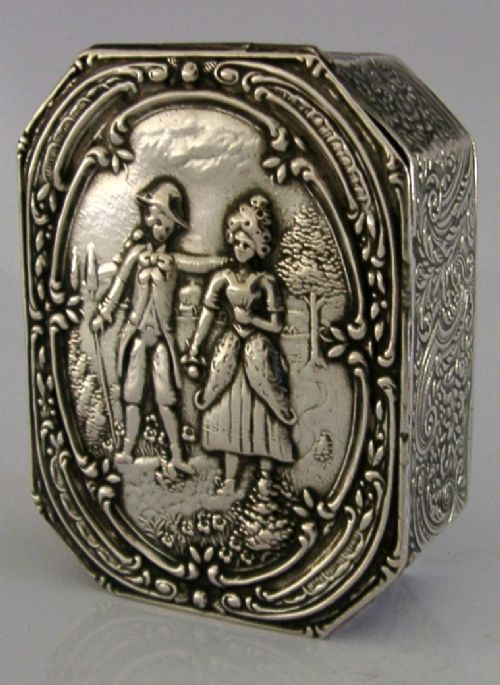
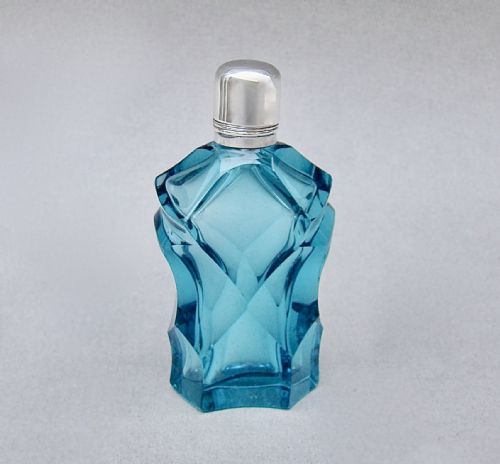
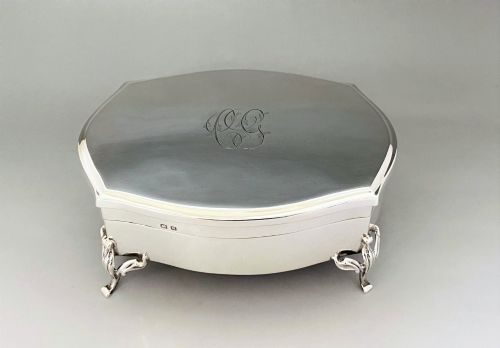
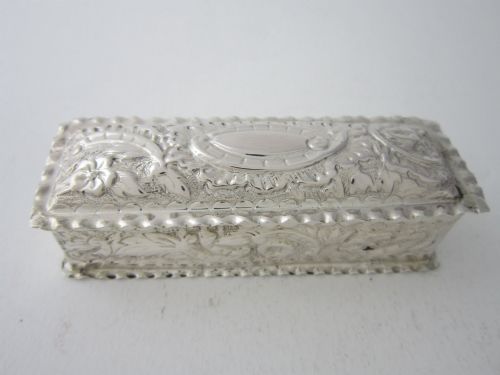
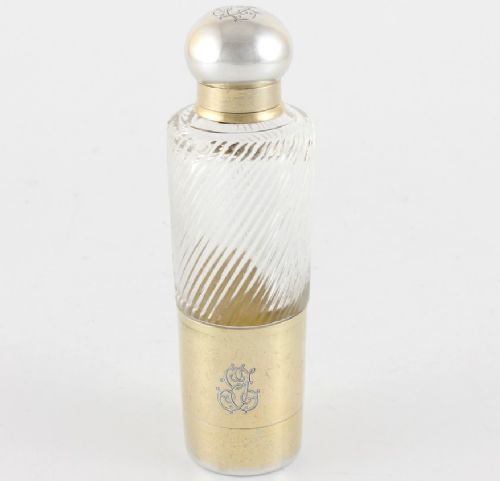
An antique silver dressing table selection encompasses functional bedroom containers, mirrors, and glass bottles mounted in silver. Collectors encounter trinket boxes, vanity jars, scent bottles, and large strut mirrors dating primarily from the Victorian, Edwardian, and Art Deco periods.
The objects served for personal grooming and jewellery storage in domestic boudoirs. Pieces range from small pill bottles and ring boxes to substantial silver trays and framed mirrors intended to stand permanently on a dressing surface.
Originating largely from British workshops alongside continental European makers, these items reflect the changing domestic habits of the nineteenth and twentieth centuries. Surviving examples demonstrate both utilitarian purpose and decorative table ornamentation.
How they were made
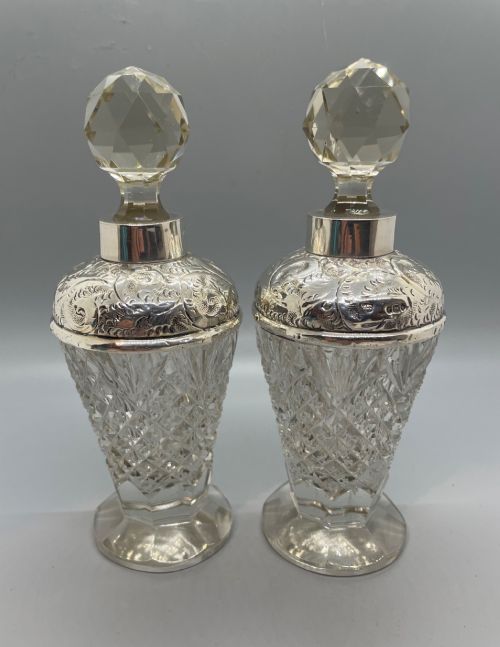
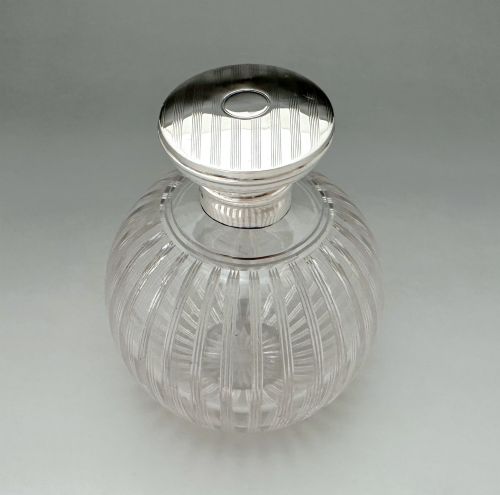
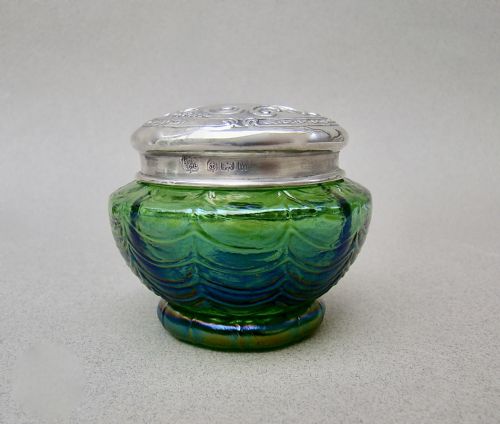
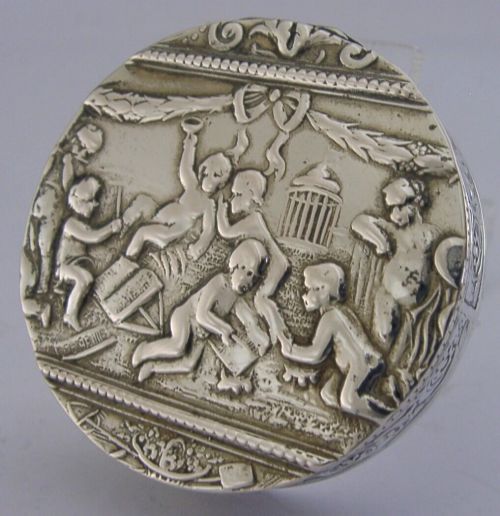
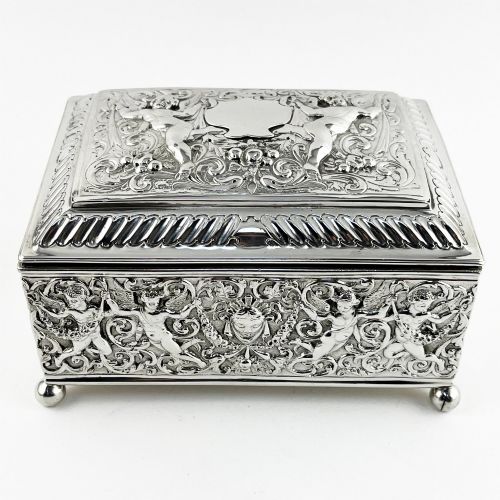
Silversmiths utilised sterling silver and solid silver for mounts, lids, frames, and box bodies, often shaping the metal through stamping, piercing, or repoussé work. Glass components - including cut crystal, sliced-cut teal glass, Bristol green, and satin glass - were blown or moulded to fit snugly within silver collars.
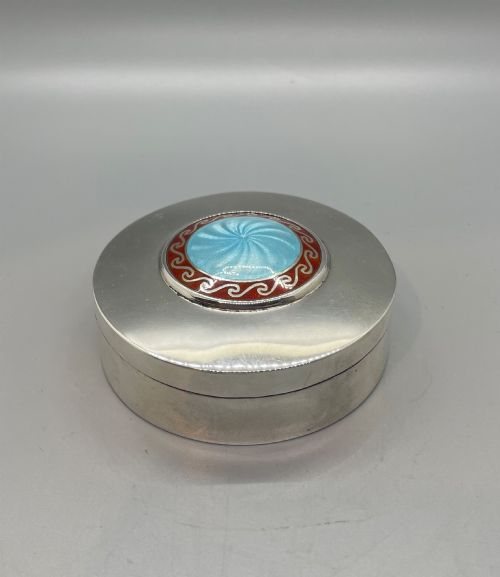
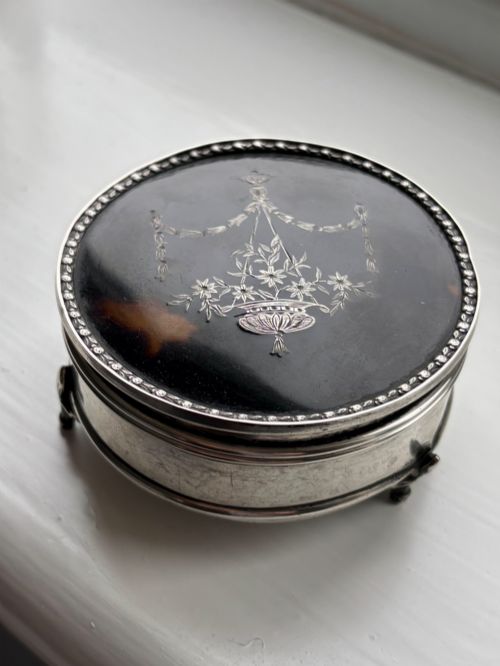
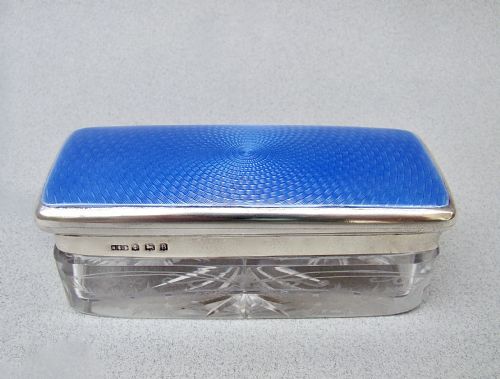
Decorative surfaces frequently incorporated guilloché enamel in shades of blue or green, alongside applied sections of tortoiseshell or faux tortoiseshell. Interior compartments lined with velvet protected delicate jewellery and small trinkets from damage against the hard metal or glass.
A teddy bear button hook from 1909 proves that Edwardian grooming routines still had room for a touch of whimsy.
What varies in quality
The distinction between standard items and superior pieces rests on the weight of the metal and the crispness of the chased or pierced decoration. Master silversmiths and notable firms achieved finer detail in figural scenes and more robust gauge metal than smaller commercial workshops.
Intricacy of applied craftsmanship - such as multi-coloured guilloché enamel work, hand-cut crystal facets, and complete original silk or velvet linings - elevates the standing of individual boxes and mirrors within the broader range.
A. J. Pepper & Co·Henry Clifford Davis·William Comyns·Goldsmiths & Silversmiths·Henry Williamson·Paul Storr·Asprey
The Antique Silver Dressing Table Glossary
- Guilloché
- A decorative engineering technique where a precise, intricate repeating pattern is mechanically engraved into a underlying metal surface before translucent enamel is applied. This creates shimmering wave or sunburst effects visible beneath the coloured glass-like coating.
- Sterling silver
- An alloy consisting of ninety-two point five percent silver by mass, with the remainder composed of copper or other metals to improve durability. Most British pieces carry hallmark stamps verifying this standard.
- Repoussé
- A metalworking method in which the smith hammers the metal from the reverse side to form a raised design in relief on the front. Details are subsequently refined by chasing from the exterior.
- Trinket box
- A small container designed specifically for holding rings, brooches, pins, and other personal ornaments on a bedroom surface. They frequently feature hinged lids and velvet-lined interiors.
- Strut mirror
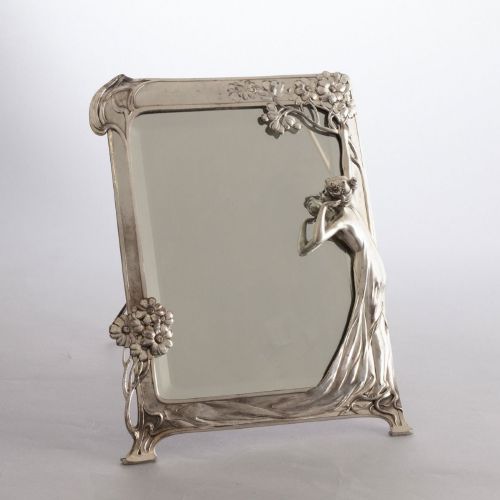
- A looking glass supported by a hinged prop or stand attached to the rear, allowing the mirror to tilt upright on a flat table.
Antique Silver Dressing Table: Frequently Asked Questions
What is an antique silver dressing table set?
A matched or assembled group of grooming accessories created for the nineteenth or twentieth-century bedroom. These groupings typically combined hair brushes, trinket boxes, and scent bottles.
Items were arranged across a wooden vanity surface to provide both utility and a unified decorative appearance. Surviving examples display the shifting aesthetic tastes from Victorian ornamentation to clean Art Deco lines.
How do I date a silver dressing table box?
Dating relies upon the official assay office hallmarks stamped directly onto the silver elements. These marks identify the specific town of testing, the standard of the metal, and a date letter corresponding to the year of manufacture.
Stylistic indicators such as enamel colours, glass types, and construction methods further help narrow down the decade when hallmarks are rubbed or missing.
How should I clean antique silver and glass?
Silver components require a gentle microfibre cloth and a reputable silver polish formulated to remove tarnish without abrading the metal. Care must be taken to avoid applying liquid polish directly onto enamel or velvet linings.
Glass bottles and jars can be washed in warm, soapy water using a soft brush. Thorough drying prevents moisture from damaging internal historic linings.
Were these items made as sets?
Some vanity accessories were retailed as comprehensive suites packaged in fitted presentation cases for wedding gifts or personal use. Many individual pieces seen today, however, were purchased separately over time.
Matching sets often share identical maker's marks, crests, or decorative motifs like guilloché enamel. Assembled collections are equally common on dressing tables.