


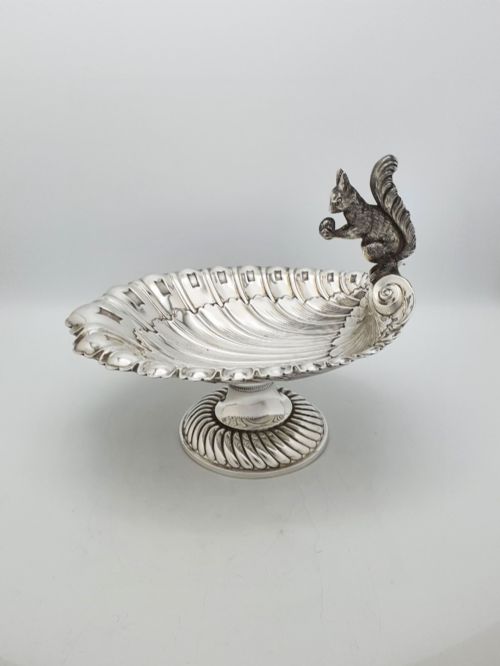

1920s Silver Plate
When you search for 1920s silver plate, you are looking at an era of cocktail shakers, trays, and tableware defined by Art Deco geometry and solid metal craftsmanship.
1920s Silver Plate
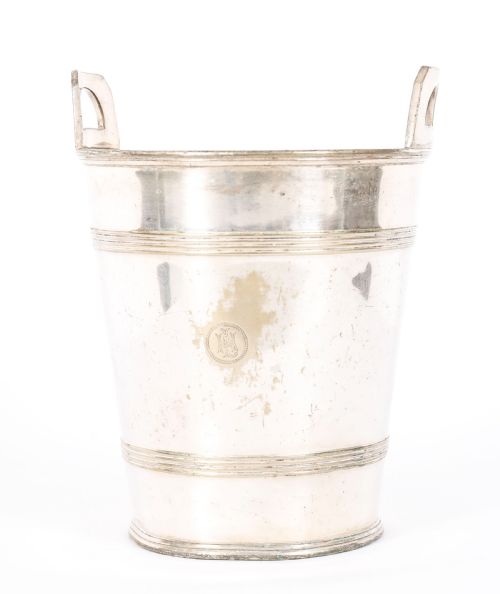
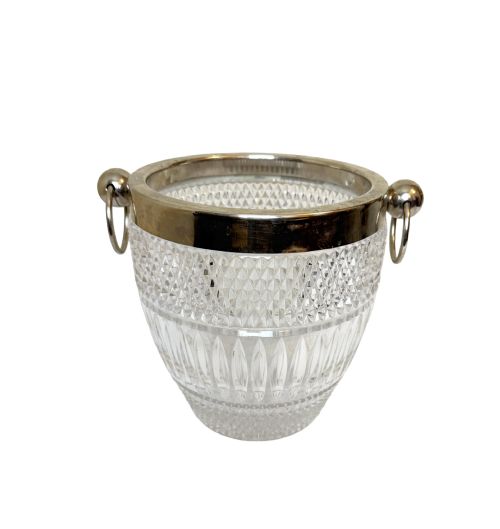
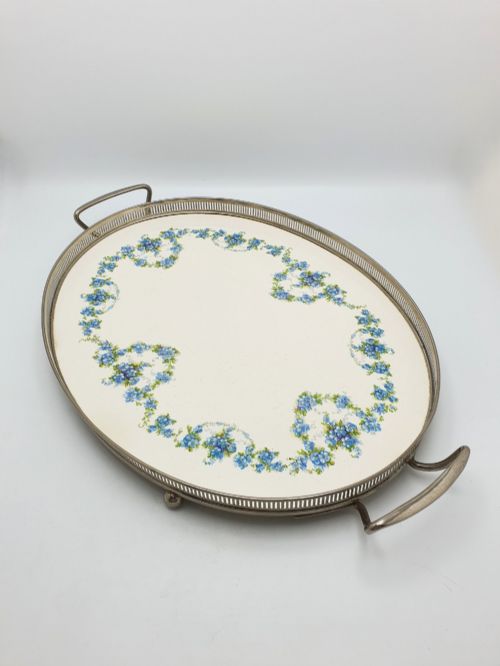
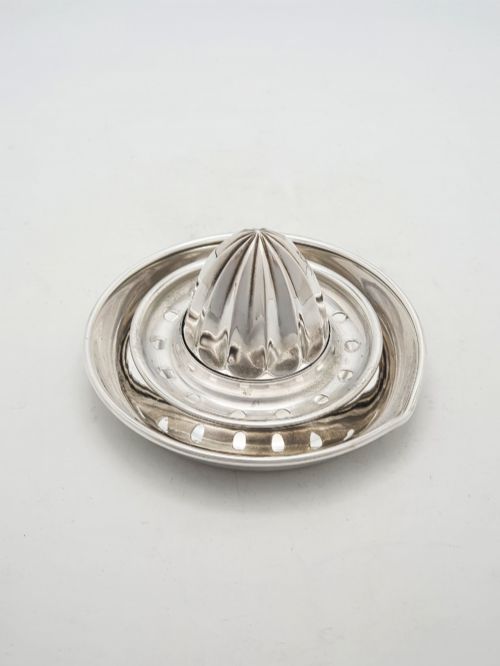
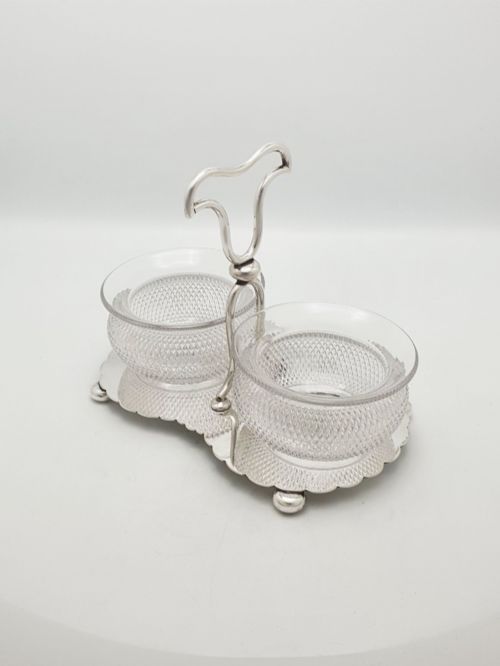
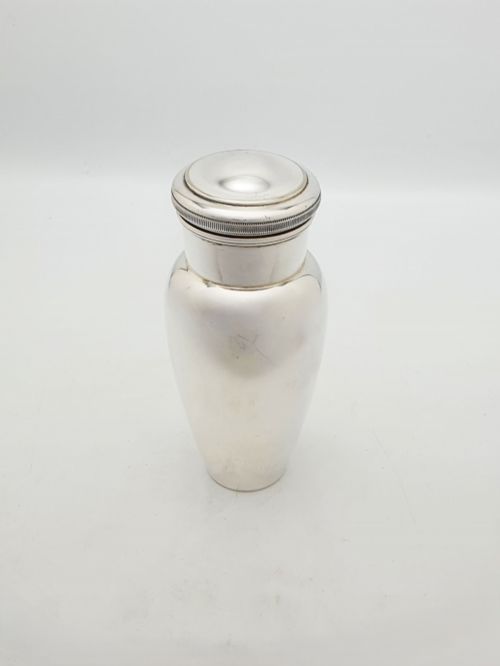
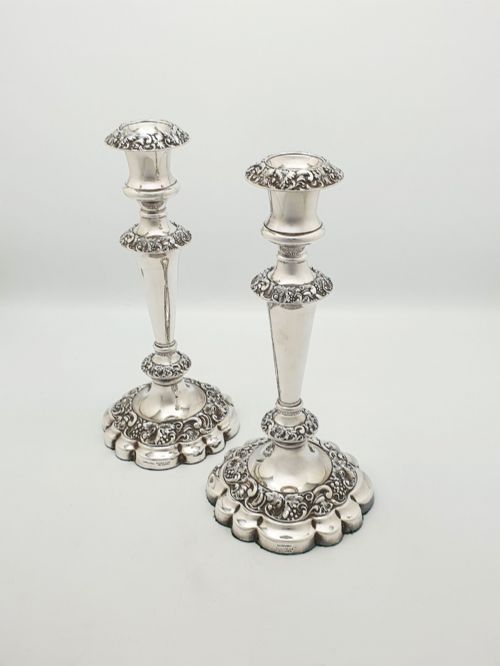
Searching for 1920s silver plate brings up a diverse array of domestic and decorative objects produced during a period of rapid design evolution. You will frequently encounter cocktail shakers, serving trays, ice buckets, and tea sets alongside candlesticks and barware.
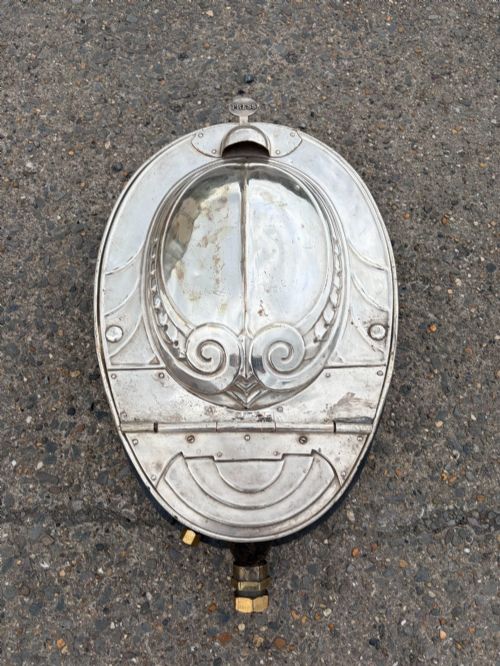
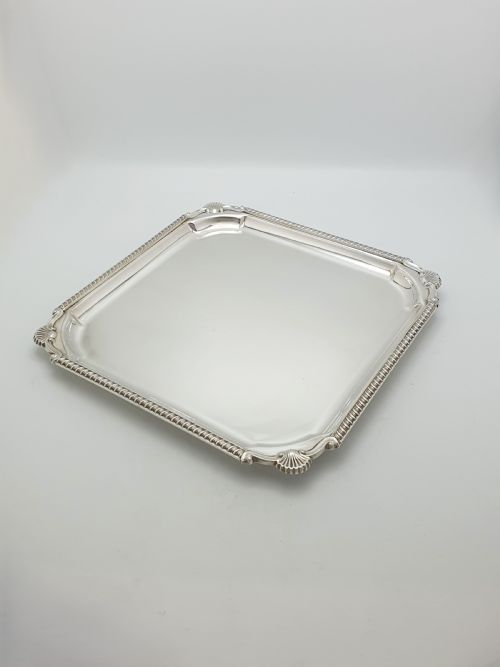
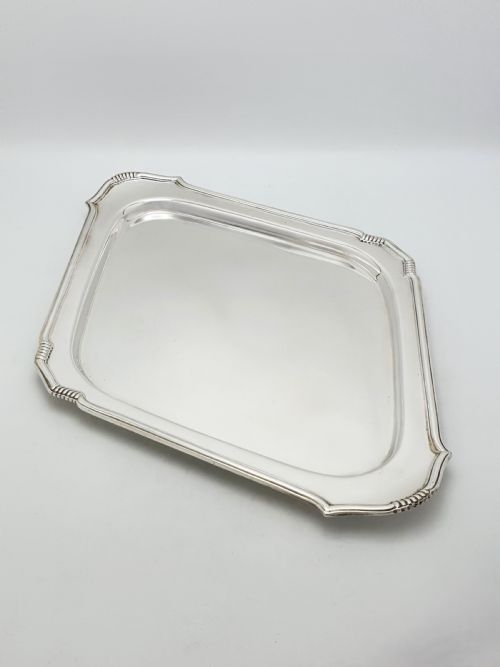
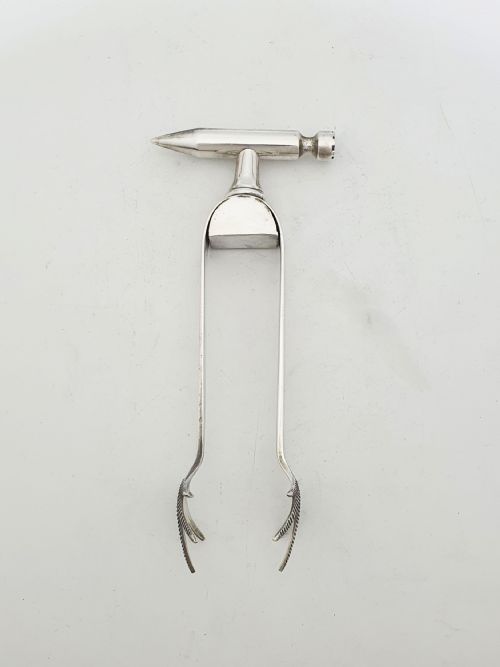
The objects on this page reflect both the geometric boldness of Art Deco and the lingering influence of earlier traditions like the Georgian Revival. Pieces range from utilitarian items like railway carriage sinks and lobster picks to grand champagne coolers and decorative sculptures.
Makers from Britain, France, and Germany utilised silver plating over base metals to create luxury goods for everyday dining and entertaining. These wares capture the spirit of interwar hospitality, combining functional utility with striking ornamental design.
How these pieces were made
Makers produced these items by applying a thin layer of silver over a base metal foundation, such as nickel silver or brass, often utilising techniques like electroplating. This method allowed workshops to achieve the appearance and lustre of solid silver while keeping production practical.
Many items incorporate contrasting materials, pairing silver-plated frames with cut glass liners, cobalt blue glass, mahogany bases, or ebony handles. Surface decoration frequently involved engine-turning, geometric stamping, or applied naturalistic motifs like grapevines and shell borders.
Materials appearing across the current inventory include silver plate, cut glass, brass, mahogany, and cobalt blue mirror glass.
What varies in quality
The distinction between standard domestic items and high-end pieces often rests on the weight of the base metal and the thickness of the silver deposition. Substantial gauge metal ensures that trays, shakers, and candlesticks resist denting and maintain their structural integrity through decades of use.
Design execution and secondary materials further differentiate the range, as seen in the precision of cut glass inserts, the tightness of mechanical fittings on cocktail shakers, and the crispness of chased or engraved decorative borders.
Hutton Sheffield·Mappin & Webb·P H Vogel & Co·Elkington & Co·Christofle·James Dixon·Walker & Hall·John Collyer & Co·Andre Laine·Asprey
The 1920s Silver Plate Glossary
- Silver plate
- A base metal object coated with a thin layer of silver, usually through electroplating. This technique became widespread in the nineteenth and twentieth centuries to provide affordable luxury.
- Art Deco
- A design style prevalent in the 1920s and 1930s characterised by sleek geometric shapes, stylised motifs, and streamlined forms. It is commonly found on cocktail shakers and serving trays from this era.
- Taza
- A shallow cup or bowl mounted on a stem and foot, used for serving small dishes or sweets. These decorative pieces often display ornate borders or modernist lines.
- Wine coaster
- A small circular tray or stand, frequently fitted with a wooden base, designed to hold a wine bottle and protect table surfaces. They are often paired with silver-plated galleries and mounts.
- Engine-turned
- A decorative technique involving precise geometric patterns mechanically engraved into metal surfaces. This finish is typical of 1920s barware and hip flasks.
1920s Silver Plate: Frequently Asked Questions
What is a bachelor cocktail shaker?
A bachelor cocktail shaker is a smaller-scale vessel designed to mix individual or modest portions of drinks rather than large rounds.
These compact items often include built-in strainers, ice breakers, or recipes stamped directly onto the metal surface for ease of use.
How do I clean silver plate safely?
Cleaning silver plate requires a gentle approach to preserve the delicate metallic layer over the base metal.
Utilise a soft microfibre cloth and a specialised silver polish, avoiding harsh abrasives that can strip the plating entirely.
Were these items used daily?
Many of these pieces were manufactured for active domestic service, from tea sets and condiment stands to lobster picks and ice buckets.
Middle and upper-class households routinely utilised plated wares for both formal dinner parties and everyday family meals.
How can I spot an Art Deco piece?
Art Deco items are identifiable by their strict symmetry, sunburst motifs, stepped edges, and clean geometric lines.
Unlike earlier floral styles, this aesthetic embraces industrial modernity and stylised depictions of animals or natural forms.