





1920s Persian Village Rug
A 1920s persian village rug brings grounded tribal character and rich natural dyes into a room, offering authentic hand-knotted wool craftsmanship from classic regional workshops.
1920s Persian Village Rug
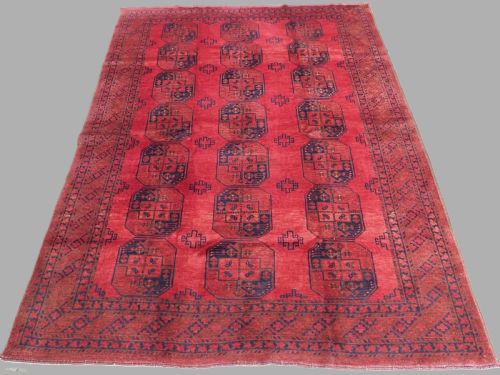
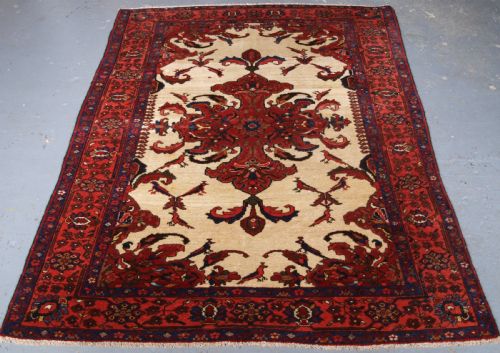
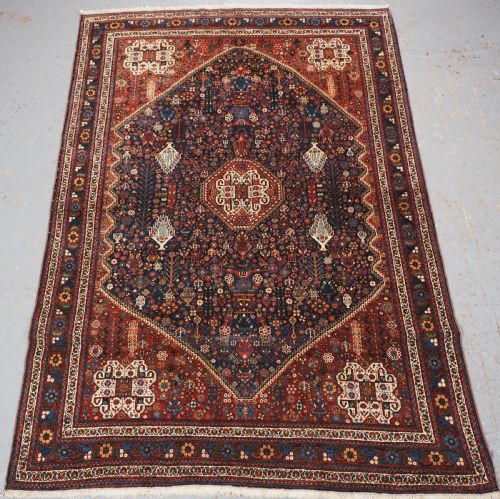
A 1920s persian village rug delivers genuine tribal and regional character directly from early twentieth-century weavers. Buyers searching this phrase will find authentic examples including Afghan, Abedeh, Hamadan, Borodjert, Sarab, and Tafresh pieces.
Most entries on this page date precisely to the nineteen-twenties and showcase traditional designs like floral lattices, Turkmen style motifs, and pictorial elements such as birds. These floor coverings function equally well as area rugs, carpets, and narrow runner rugs.
Originating from specific weaving traditions across Persia and neighbouring regions, these textiles present robust everyday utility paired with distinctive folk artistry. Each piece reflects the specific local palette and knotting techniques of its producing village.
Distinctions in quality
The standard of a 1920s persian village rug rests on the tightness of the weave, the clarity of the traditional design, and the vibrancy of the natural dyes. Superior examples demonstrate meticulous execution in complex layouts like floral lattices or pictorial bird motifs.
The finesse of the hand-spun wool and the complexity of the regional styling dictate the visual distinction between standard village production and exceptional collector examples. Regional attribution, such as specific Kurdish or Hamadan region provenance, further defines the calibre of the weaving.
1920s Persian Village Rug Retail Price Guide 2026
Typical asking prices for 1920s persian village rug among the pieces listed under this phrase on Sellingantiques today, from the lower quarter to the upper quarter. They describe what is for sale here now, not the wider market.
Current listings exclusively feature wool and hand-spun wool materials combined with natural dyes, dating strictly to the year 1920.
The 1920s Persian Village Rug Glossary
- Natural Dyes
- Colourants derived from plant, animal, and mineral sources rather than synthetic chemicals. These materials yield rich, complex tones that age gracefully over decades.
- Hand-spun Wool
- Wool yarn prepared manually using a drop spindle or simple wheel rather than industrial machinery. This process results in varied thickness and texture that absorbs natural dye unevenly for a lively surface.
- Area Rugs
- Floor coverings scaled to define a specific zone within a room rather than wall-to-wall carpeting. They provide portable warmth and decorative focus.
- Runner Rugs
- Narrow, elongated formats designed primarily for hallways, corridors, or alongside beds. Their proportions suit linear spaces.
- Floral Lattice
- A repeating geometric grid pattern interspersed with stylised floral motifs. This classic design structures the field of many traditional village carpets.
1920s Persian Village Rug: Frequently Asked Questions
Where were these rugs made?
These textiles originate from specific villages and regions across Persia and adjacent territories, including Abedeh, Sarab, Tafresh, and the broader Hamadan area, as well as Afghan tribal communities.
Each producing district maintained distinct design traditions, colour palettes, and weaving methods that distinguish its output from other regions.
How do I clean a vintage rug?
Gentle regular vacuuming without a rotating beater bar helps remove loose dust from the hand-spun wool pile without damaging the cotton foundation.
Professional specialist cleaning is recommended for deeper maintenance to protect the natural dyes and traditional construction.
Can I use these rugs daily?
These hand-knotted wool floor coverings were built for practical domestic utility and handle normal foot traffic well in residential settings.
Using a quality rug underlay provides additional cushioning and prevents slipping while reducing friction against hard floors.