
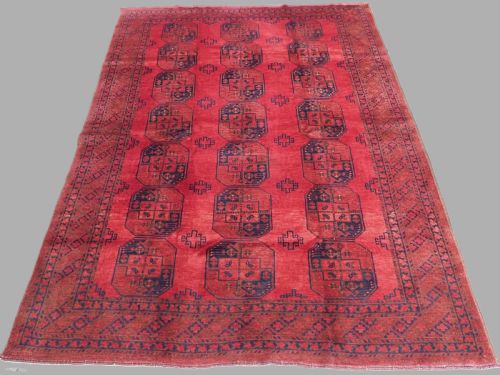


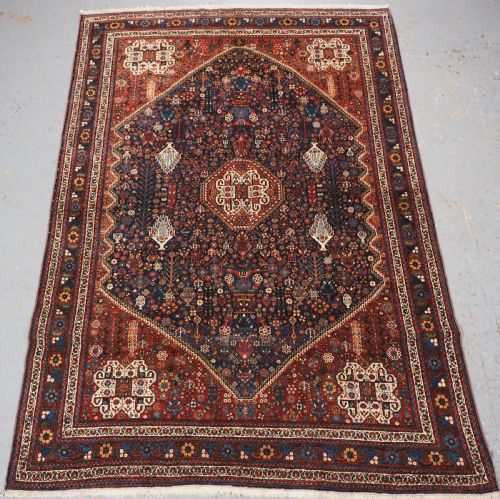


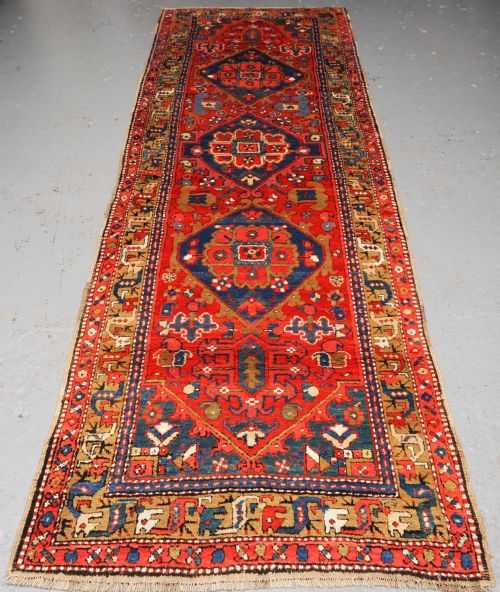
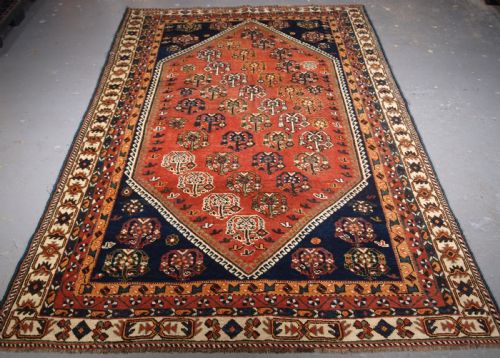
1920s Persian Tribal Rug
These 1920s persian tribal rug examples bring character and tactile history to a floor, woven by nomadic and village makers.
1920s Persian Tribal Rug
A 1920s persian tribal rug encompasses village and nomadic floor coverings originating from distinct regions and tribal groups. When exploring this selection, buyers encounter formats ranging from small scatter formats and prayer rugs to long hallway runners and substantial carpets.
The regional attribution spans specific weaving centres and confederations, including Heriz, Afghan village workshops, Baluch, Afshar, Qashqai, Khamseh, Luri, Senneh, Abedeh, and Hamadan. Each piece reflects the traditional design vocabulary and motifs handed down through generations of weavers.
The assortment includes flatwoven kilims alongside pile carpets, presenting geometric medallions, boteh patterns, floral lattices, and repeat chevron layouts. These floor coverings bridge the gap between utilitarian country house furnishings and collectible textile art.
Materials and Weaving Techniques
The construction relies fundamentally on wool and cotton foundations and pile, utilising hand-spun wool for durability and rich texture. Weavers employed natural dyes to achieve warm red tones, ivory grounds, and deep contrasting shades across the surface.
Nomadic and village looms produced varied structures, from the sturdy pile knots of Heriz and Hamadan carpets to the flatwoven tapestry technique seen in kilims. The integration of local animal fibres and botanical colour sources gives each textile its individual handle and appearance.
One specific village rug preserves twenty-one distinct birds stitched into the wool field by the weaver.
Distinctions in Quality
Quality rests upon the fineness of the knotting, the stability of the wool foundation, and the complexity of the traditional design execution. Superior pieces maintain structural integrity alongside well-preserved natural dye palettes and crisp geometric or figurative delineation.
The handling of regional motifs, such as repeating birds, star medallions, or complex boteh arrangements, separates standard village weaving from exemplary tribal artistry. Balance in composition and disciplined symmetry elevate certain runners and carpets above routine production.
The 1920s Persian Tribal Rug Glossary
- Kilim
- A flatwoven textile produced without a pile, created by tightly interlocking the coloured weft threads through the warp. This technique yields a lightweight, reversible rug suitable for floors or wall hanging.
- Boteh
- A traditional almond-shaped or paisley motif with a curved upper end, symbolising life and eternity. It appears frequently in Persian and tribal weaving traditions.
- Medallion
- A central symmetrical ornamental design motif placed in the middle of the rug field. Heriz and various village carpets utilise large geometric iterations to anchor the composition.
- Prayer rug
- A small format textile featuring a specific architectural mihrab or arch design at one end. Weavers knelt upon these rugs during daily devotions.
- Runner
- A long, narrow carpet format designed specifically for hallways, corridors, and narrow passageways. Village weavers in regions like Sarab and Hamadan produced these in quantity.
1920s Persian Tribal Rug: Frequently Asked Questions
What defines a tribal rug?
A tribal rug is a textile woven by nomadic or semi-nomadic groups rather than urban workshop artisans. These pieces rely on memory and traditional motifs rather than drawn cartoon templates.
Designs typically feature geometric patterns, stylised animals, and bold colour blocking rooted in regional heritage.
How do I care for an old wool rug?
Maintenance requires regular gentle vacuuming without a rotating power brush to protect the hand-spun wool pile and edges. Professional cleaning suited to antique textiles preserves the natural dyes.
Keeping the rug out of direct, harsh sunlight prevents the fading of traditional red and ivory tones.
Where were these rugs made?
Production took place across diverse regions of Persia and neighbouring Afghan territories, spanning tribal territories and settled villages. Specific groups like the Qashqai, Baluch, and Luri contributed distinct regional styles.
Local access to sheep's wool and plant dye sources shaped the output of each specific weaving community.
How do I identify a runner?
Runners are distinguished by their elongated, narrow proportions designed for corridors and staircases. Village weavers structured these formats to fit domestic architecture.
They frequently display repeating medallions, boteh patterns, or geometric lattice designs adapted to the narrow field.