

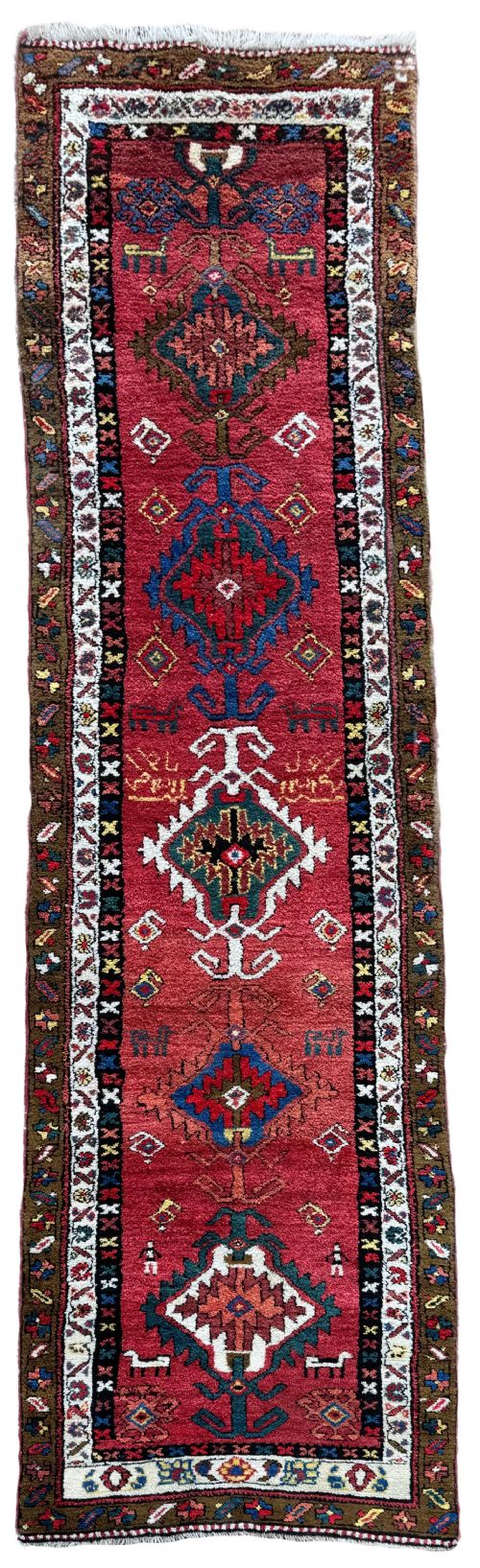
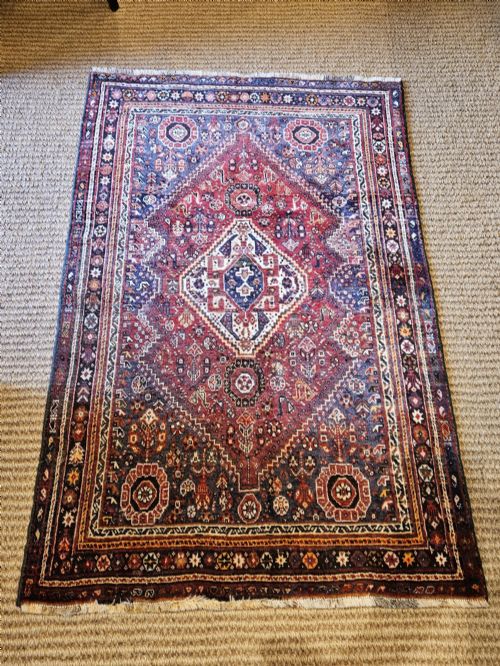
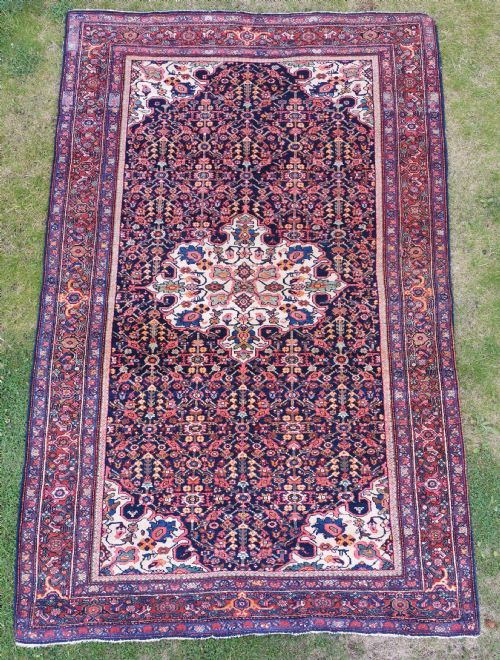
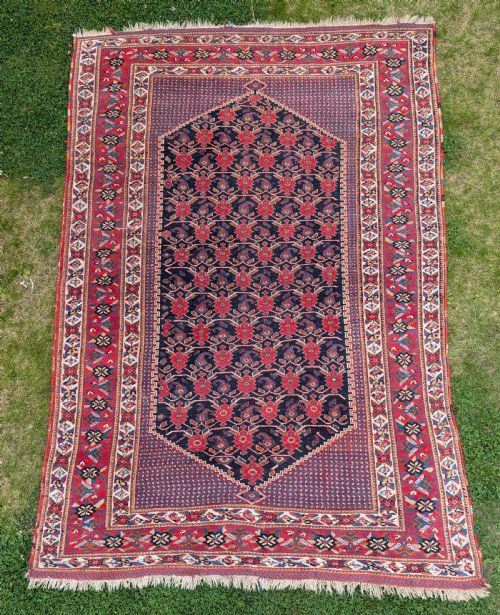
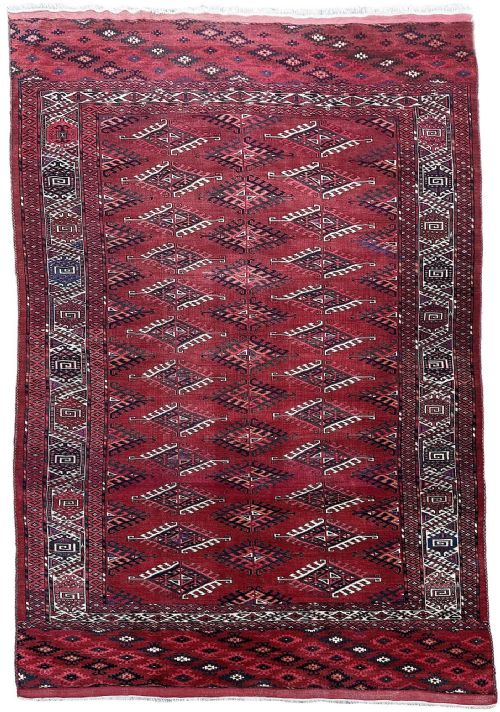
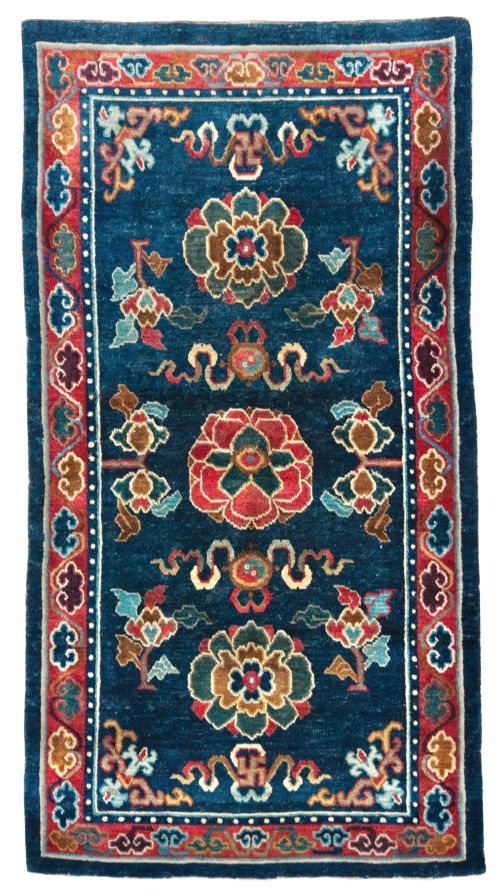
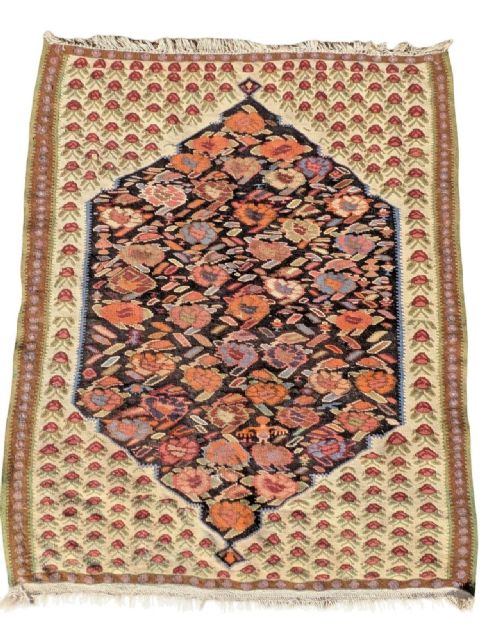
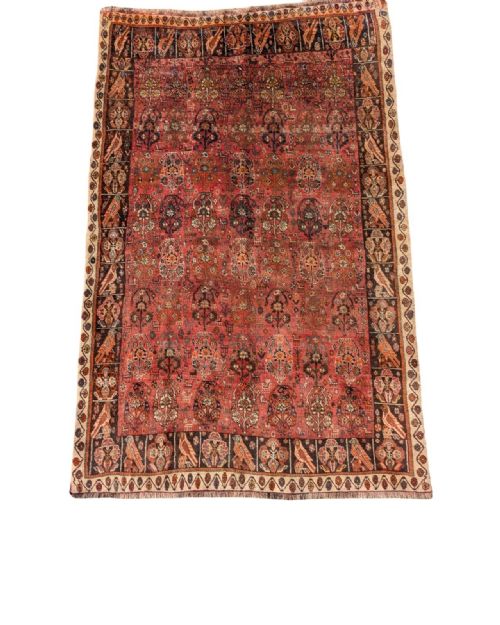
Handwoven Wool Oriental Rug
These handwoven wool oriental rug pieces bring warmth and history to a room through centuries of tribal and village weaving traditions.
Handwoven Wool Oriental Rug
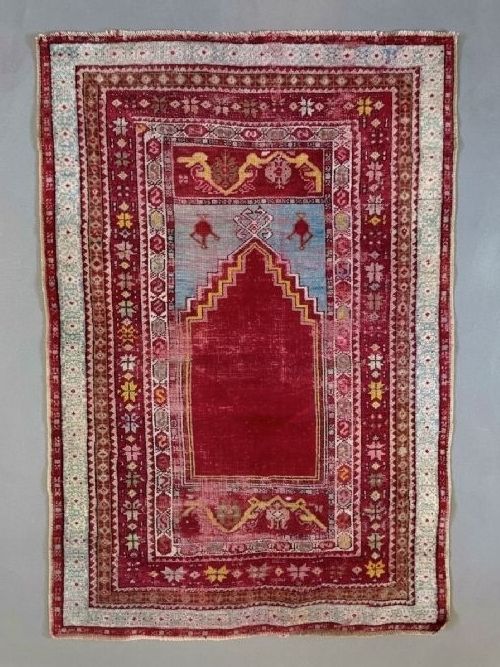
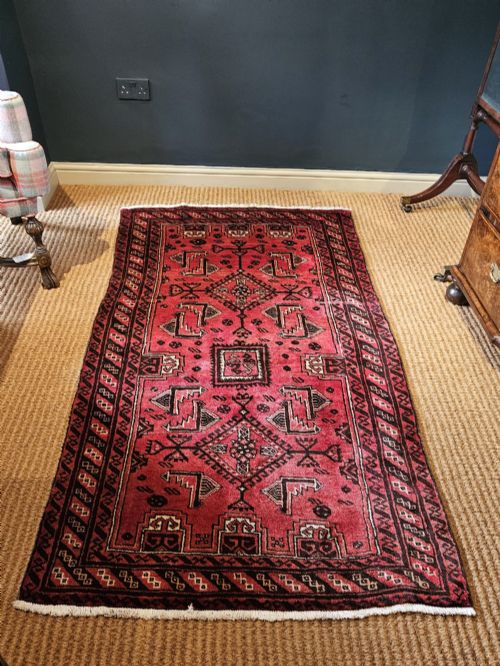
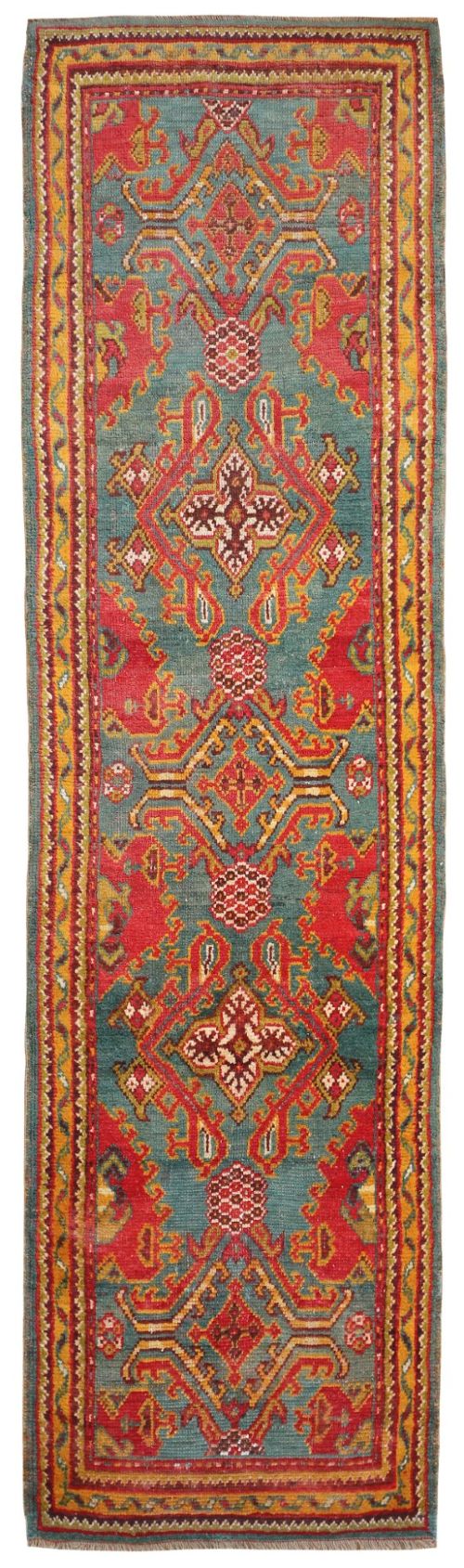
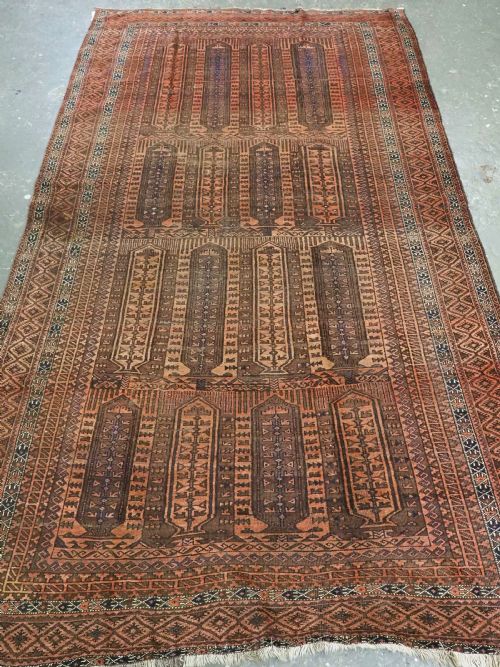
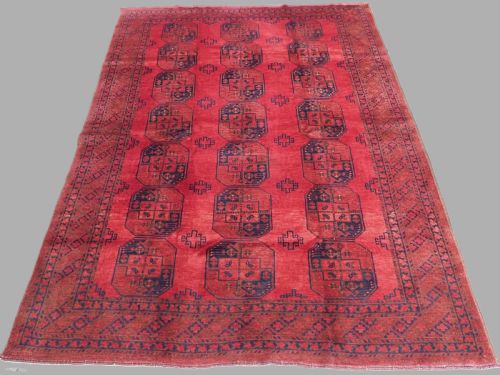
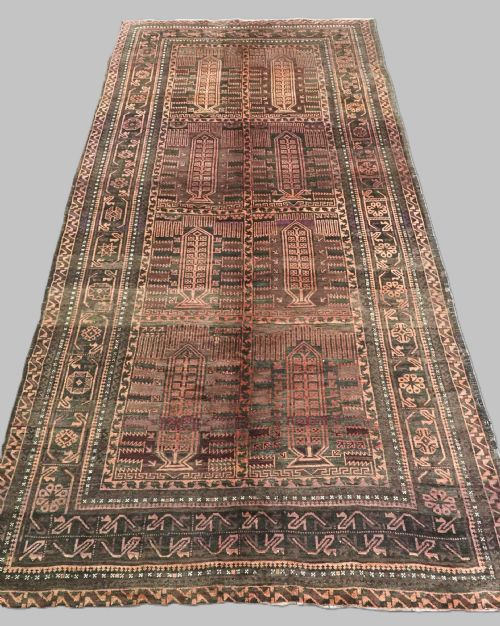
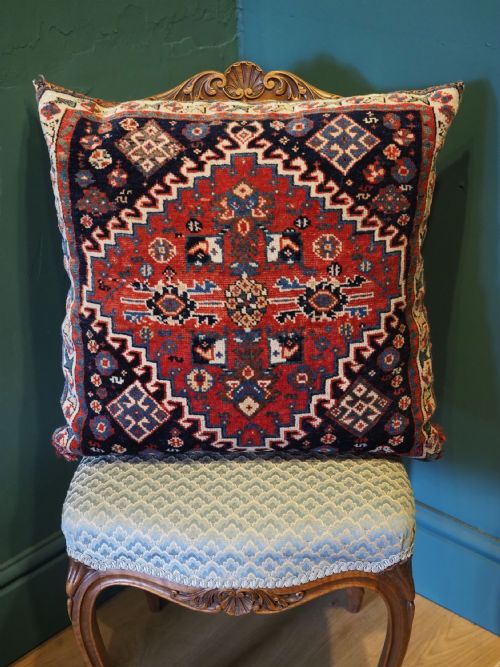
A handwoven wool oriental rug encompasses floor coverings, runners, and smaller tribal textiles originating from Persia, the Caucasus, and Afghanistan. The selection on this page ranges from room-sized carpets down to compact prayer rugs, saddle bags, and cushions.
The periods represented stretch across the late nineteenth and early twentieth centuries, capturing village and nomadic work alongside larger town productions. Buyers encounter formats like long narrow runners, square scatter rugs, and practical utilitarian bags turned into decorative items.
How They Were Made
These textiles rely on hand-spun wool and pure wool foundations, paired frequently with cotton warps and wefts depending on the region of origin. Weavers knot or weave the pile by hand, using natural dyes that yield rich earthy tones like warm reds, rust, and olive green.
Village and tribal workshops utilise traditional vertical or horizontal looms, passing down geometric, medallion, and pictorial motifs across generations. The density of the knotting and the preparation of the yarn dictate the handle and durability of each individual piece.
Nomadic weavers occasionally tucked tiny accidental thumbprint imperfections into their geometric carpets to ward off evil spirits.
What Varies in Quality
Quality rests in the precision of the weave and the integrity of the materials, where tighter knot counts and well-prepared hand-spun wool create greater resilience. The depth and clarity of the natural dyes also set finer examples apart, as age mellows well-dyed wool into harmonious abrasash and tonal shifts.
Design execution marks the difference between standard village output and exceptional workshop pieces, showing in the balance of cruciform medallions, Heriz geometries, or balanced border systems. Structural soundness in the selvedges and ends preserves the textile against the rigours of daily foot traffic.
The Handwoven Wool Oriental Rug Glossary
- Warp
- The vertical threads stretched tightly on the loom that form the foundational skeleton of the rug. Fringe ends typically consist of these exposed parallel strands.
- Weft
- The horizontal threads passed alternately over and under the warp threads to lock the knots firmly in place. They give the textile its structural width and firmness.
- Pile
- The upright cut or looped wool surface that forms the soft upper layer of the rug. Pile height varies from densely clipped city carpets to longer, shaggier nomadic weaves.
- Medallion
- A large central ornamental design motif placed in the middle of the field. These shapes range from sharp geometric polygons to elaborate floral roundels.
- Abrasash
- Variations in colour hue caused by differences in dye batches or hand-spun wool lots. Collectors value this natural tonal striping as proof of genuine hand-dyeing.
Handwoven Wool Oriental Rug: Frequently Asked Questions
How do I clean a handwoven wool oriental rug?
Regular gentle vacuuming without a rotating brush roll prevents dust from settling into the wool pile. Professional specialist cleaning remains essential every few years to protect the natural dyes and fibres.
Avoid using harsh chemical detergents or soaking the piece in water. Spot cleaning requires lukewarm water and mild wool-safe soap, blotting gently rather than rubbing the fibres.
Are these rugs suitable for high traffic areas?
Pure wool possesses natural lanolin that resists dirt and provides considerable durability under normal foot traffic. Denser village weaves and sturdy runners handle hallways and living rooms with ease.
Delicate tribal bags, older prayer rugs, and finely knotted pieces benefit from placement in quieter rooms or display on walls. Using a quality underlay prevents slipping and cushions the foundation against wear.
How can I tell a tribal rug from a city rug?
Tribal rugs typically feature bolder, geometric patterns, asymmetric layouts, and nomadic motifs inspired by daily surroundings. They are often woven on portable looms by specific regional confederations like the Qashqai or Baluch.
City or town workshop rugs display symmetrical floral designs, precise curvilinear medallions, and finer knotting structures. These pieces reflect formal artistic traditions supported by established weaving centres.
What does natural dye mean for these carpets?
Natural dye describes colours extracted from plants, roots, insects, and minerals rather than synthetic chemical laboratories. These traditional colourants age gracefully, developing a soft patina over decades of light exposure.
Synthetic dyes introduced in later periods can appear flat or bleed when wet. Natural dyes interact uniquely with wool, creating subtle tonal variations across the field.