




Red Persian Floor Carpet
A red persian floor carpet brings warmth and deep heritage to a room, offering dense wool pile woven by generational workshops.
Red Persian Floor Carpet
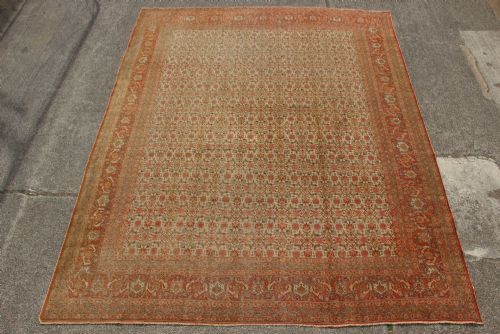
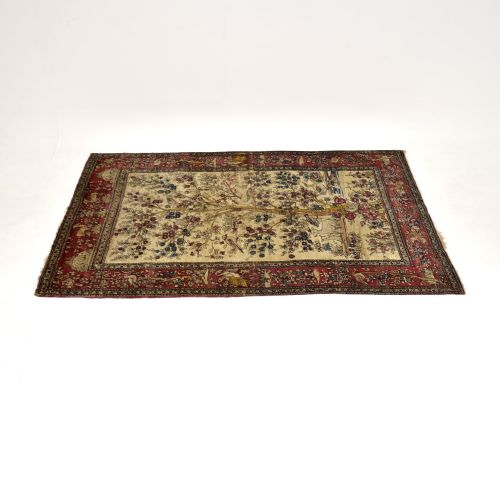
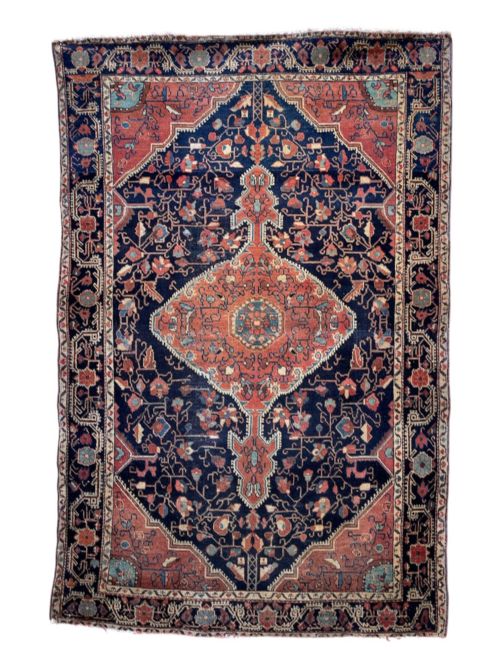
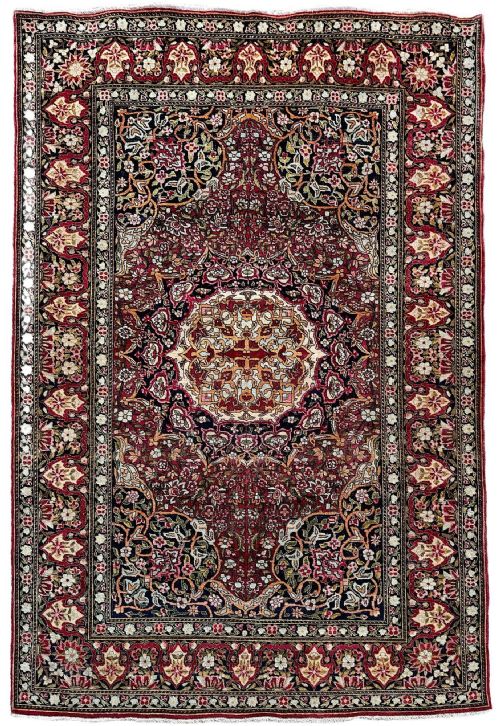
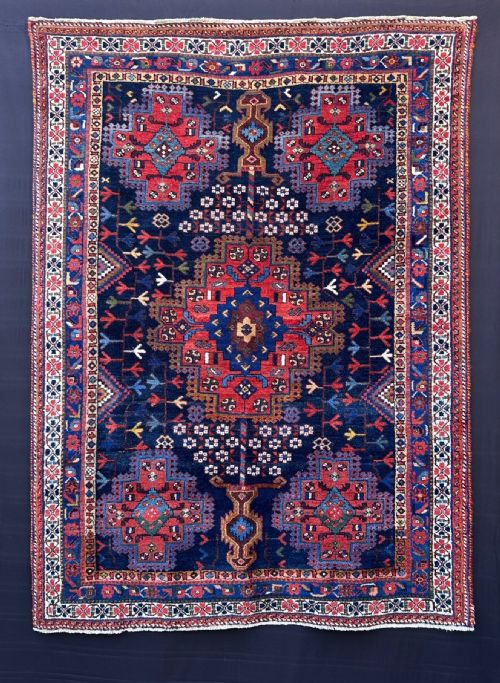
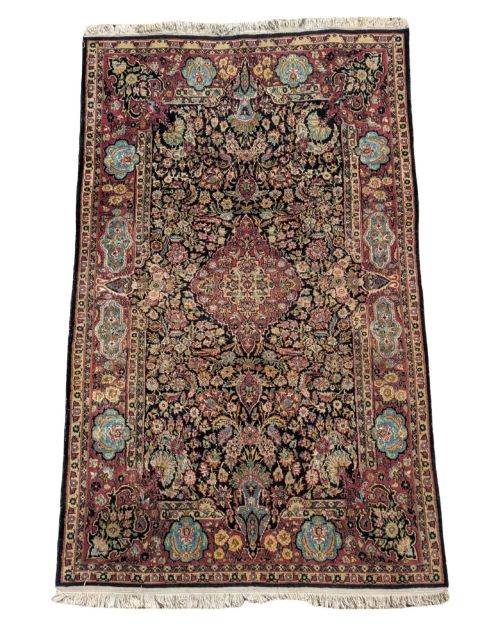
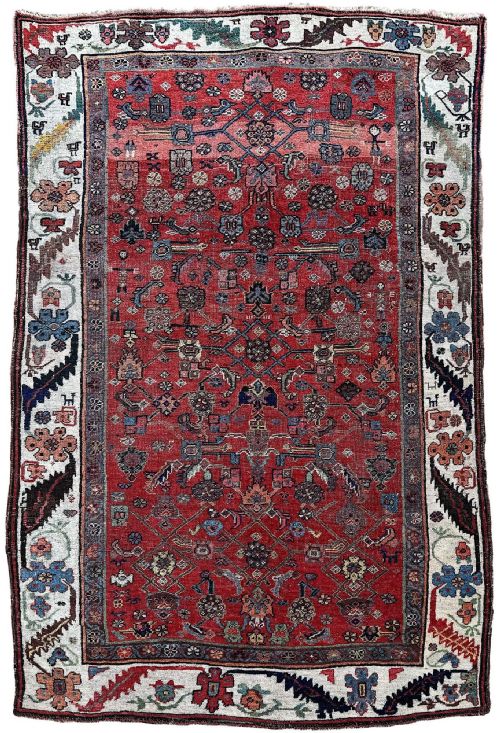
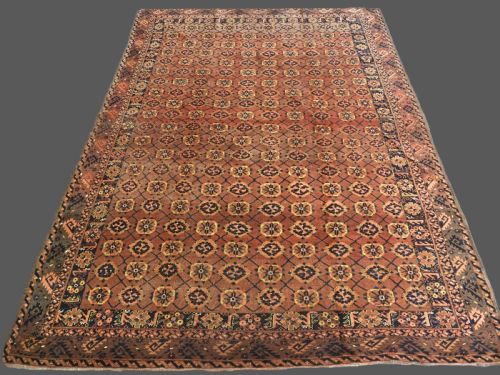
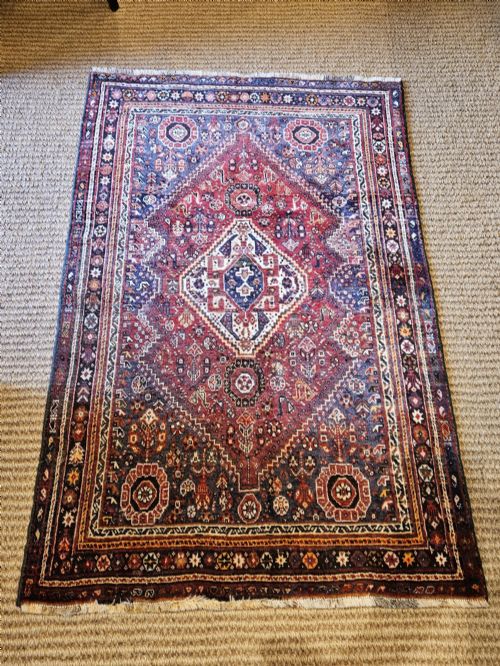
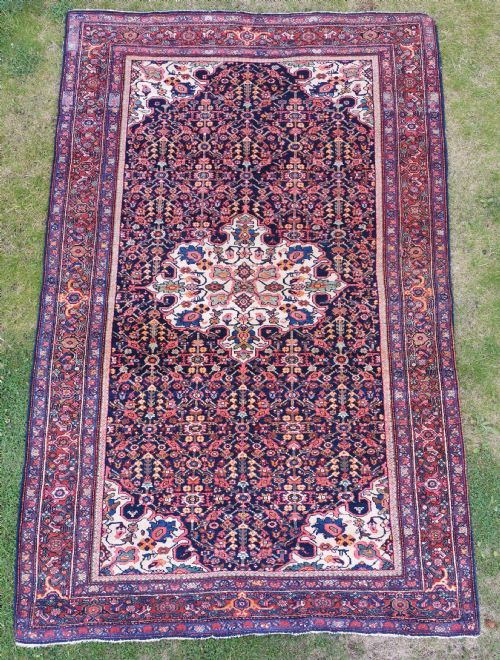
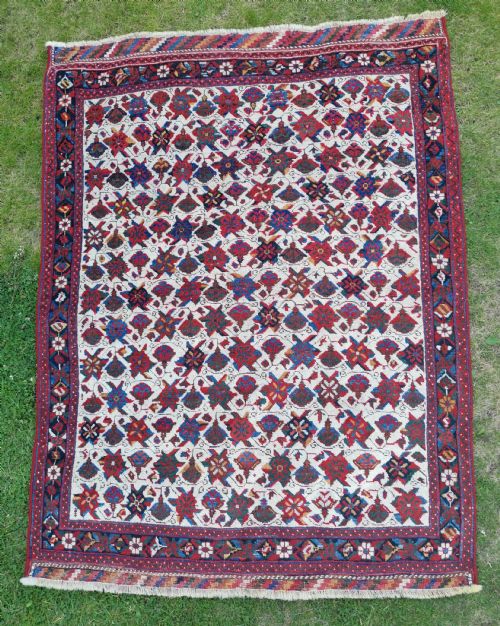
A red persian floor carpet encompasses heavy room-size carpets, area rugs, and long hallway runners originating from traditional weaving centres and tribal regions across Persia. These floor coverings date from the mid-nineteenth century through the early decades of the twentieth century, displaying rich crimson and rust ground colours.
The version most commonly encountered on this page is the antique village or town rug, measuring around two metres in length, woven with distinctive geometric or classical medallion designs. Makers utilised regional motifs specific to areas such as Heriz, Bakhtiar, Afshar, and Saroukh, creating durable floor coverings intended for domestic use.
Buyers look for these pieces to ground a space with organic dyes and hand-knotted construction that develops character over decades of foot traffic. Each piece reflects the aesthetic of its specific district, ranging from bold tribal patterns to curvilinear floral compositions.
Materials and construction
The foundation of a red persian floor carpet typically relies on sturdy cotton warps and wefts, providing structural stability for the dense pile. Wool serves as the primary material for the surface nap, sourced locally and spun by hand to yield a resilient texture capable of withstanding heavy daily use.
Weavers knotted the wool pile firmly onto the foundation threads by hand, occasionally incorporating silk highlights into finer town pieces to accentuate specific floral details. Natural dye sources supplied the deep red and rust tones characteristic of these textiles, yielding rich colour variations across the surface.
Early weavers often embedded small geometric amulets or deliberate minor wool colour errors into the pile to ward off the evil eye.
Distinctions in quality
Knot density and the precision of the design execution set the finer examples apart from standard village work. Carpets possessing tighter knots allow for sharper rendering of intricate Heriz medallions or complex floral schemes.
The vibrancy and depth of the red dye ground indicate the quality of the materials and the skill of the dye master. Pieces retaining rich, saturated natural tones with minimal fading demonstrate superior wool preparation and dye fixing.
Saroukh Mahal·Heriz Carpet·Bakhtiar Rug·Jozan Rug·Isfahan Rug·Afshar Rug·Kashan Rug·Bidjar Rug·Fereghan Carpet
The Red Persian Floor Carpet Glossary
- Warp
- The vertical foundation threads stretched tightly on the loom before weaving begins. These parallel strings carry the tension of the entire rug.
- Weft
- The horizontal threads passed alternately over and under the warp threads after each row of knots. They bind the structure together firmly.
- Pile
- The upright cut ends of the knotted yarn that form the usable surface of the carpet. Its thickness and density dictate the plushness underfoot.
- Medallion
- A large central ornamental motif placed in the middle of the field. This design element draws the eye and anchors the symmetrical composition of the rug.
- Natural dye
- Colouring matter derived from plants, insects, or minerals rather than synthetic chemicals. These substances produce nuanced shades that age gracefully.
Red Persian Floor Carpet: Frequently Asked Questions
How do I clean an antique rug?
Professional immersion washing remains the safest method for maintaining wool pile textiles. Regular gentle vacuuming without a rotating power brush removes embedded dust from the foundation.
Avoid harsh chemical cleaners or excessive moisture, which can damage natural dyes and weaken cotton foundations. Prompt blotting of spills prevents staining without disturbing the hand-knotted fibres.
Are these carpets suitable for hallways?
Long hallway runners and narrower formats in this selection suit high-traffic corridors and transitional spaces. Their durable wool construction withstands regular walking while adding distinct colour to narrow areas.
Placing an appropriate rug underlay beneath the piece prevents slipping and reduces friction against the floorboards. This simple measure protects the cotton foundation from premature wear over time.
How do I identify a tribal design?
Tribal rugs display geometric motifs, repeating angular medallions, and stylized animal or plant forms rather than precise floral curves. Weavers in nomadic or village communities worked from memory rather than drawn cartoons.
These pieces often exhibit slight asymmetries and spontaneous colour shifts in the red field. Such irregularities highlight the individual hand of the maker rather than mass production.
Can I place furniture on these carpets?
Placing chairs and tables on a substantial floor carpet is standard practice in traditional room layouts. Distributing weight evenly across the surface avoids concentrated pressure points on the wool pile.
Using furniture cup supports under heavy legs prevents permanent crushing of the knots. Periodically shifting the position of the rug balances exposure to sunlight and foot traffic.