


1920s Original Artwork
When seeking 1920s original artwork, buyers encounter distinct period paintings, drawings and etchings capturing early twentieth-century modernism.
1920s Original Artwork
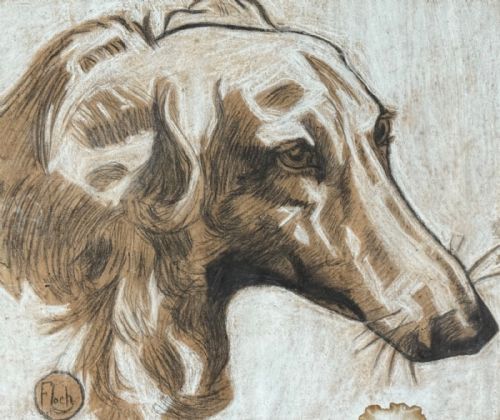
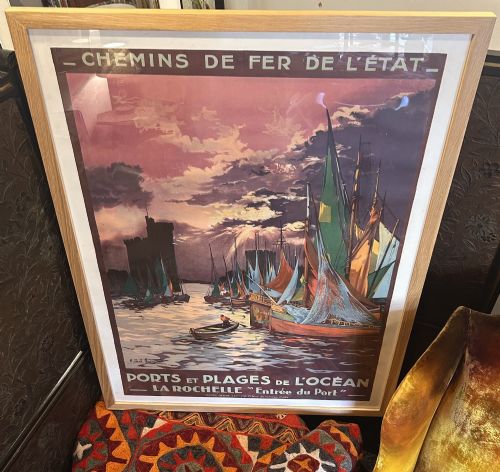
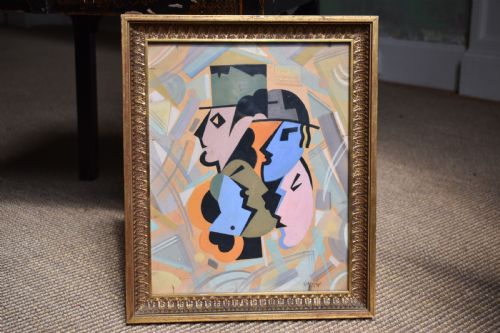
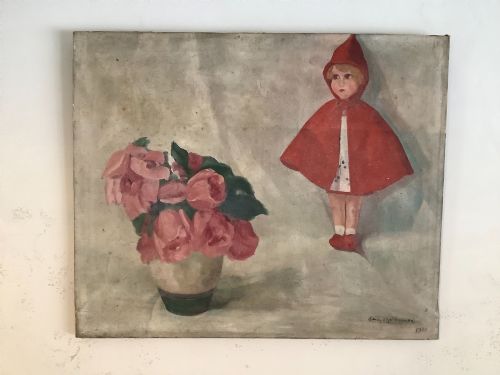
The 1920s original artwork selections on this page span paintings, watercolours, etchings and drawings produced during the interwar decades. Buyers will find pieces reflecting diverse stylistic movements such as Art Deco, Post-Impressionism, Cubism, Fauvism and British Impressionism.
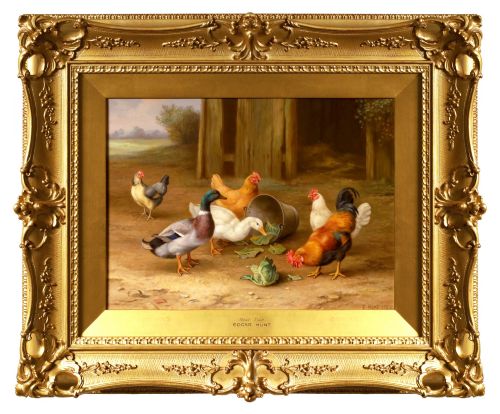
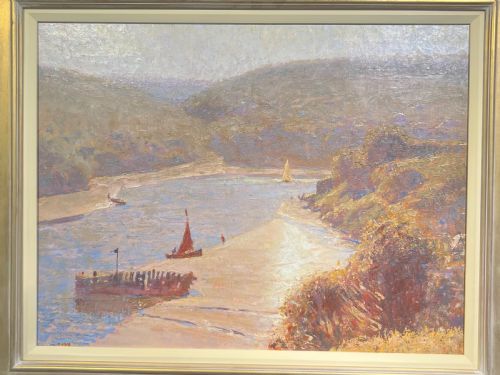
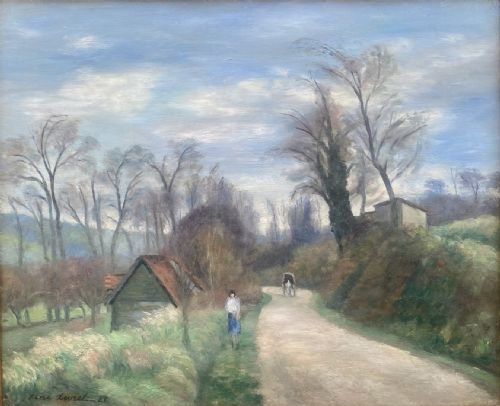
The predominant forms include oil paintings on canvas or board and detailed works on paper. Subjects range from French coastal scenes and Parisian cityscapes to intimate portraits, theatrical studies and avant-garde compositions.
Materials and techniques
Artists of this period utilised traditional supports such as canvas, wood panels, buff paper and cardboard. Pigments were applied through oil paint, watercolour, gouache, ink, charcoal, pastel and graphite.
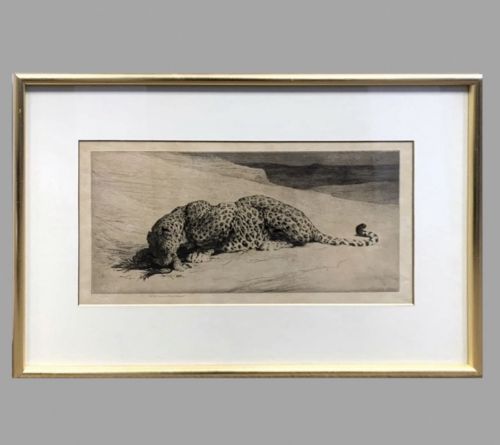
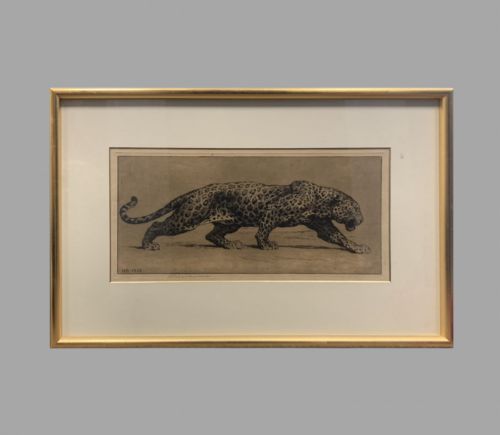
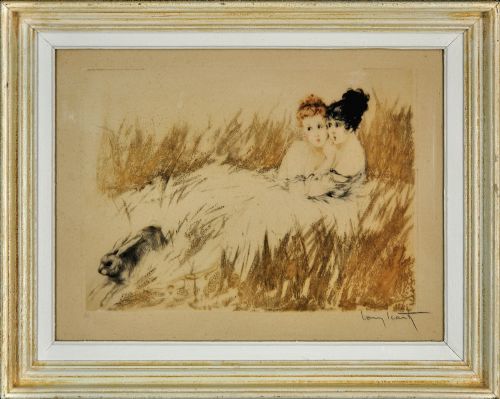
Printmakers employed etching techniques, often creating limited editions signed by hand or enhanced with watercolour tints. Framing materials typically combine wood and glass to protect delicate works on paper.
Listings feature works created across several decades, predominantly anchored in the 1920s alongside examples from the 1910s, 1930s, 1940s, and 1950s.
Differentiating quality across the range
Quality in these works rests upon the surety of the draughtsmanship, the depth of composition and the handling of pigment or ink. Stronger examples demonstrate confident brushwork and a distinct personal vision within movements like Cubism or Post-Impressionism.
Condition also influences standing, particularly the preservation of paper supports against foxing and the retention of vibrant colour in watercolours and oils. Provenance and exhibition history further distinguish notable pieces from anonymous decorative works.
Edgar Hunt·Herbert Dicksee·Louis Icart·Edward Horace Thompson·Owen Bowen
The 1920s Original Artwork Glossary
- Gouache
- An opaque watercolour paint that dries to a matte finish, frequently used in the 1920s for illustrative and graphic designs.
- Etching
- A printmaking process where lines are bitten into a metal plate with acid, allowing artists to produce detailed multi-impression runs.
- Artist proof
- An early print pulled to test the plate before the main edition, typically retained by the artist and highly regarded by collectors.
- Avant-garde
- Innovative or experimental work pushing the boundaries of traditional artistic norms, prominent in interwar European painting.
- Buff paper
- A pale brownish-yellow paper stock chosen by artists of the era to provide a mid-tone background for pencil and gouache highlights.
1920s Original Artwork: Frequently Asked Questions
What defines 1920s art style?
Art from this decade bridges traditional representation and modern abstraction, embracing clean lines, bold colour and experimental perspectives. Movements like Art Deco and Cubism dominate the visual language.
Works often reflect the social shifts and urban dynamism of the interwar period, moving away from strict Victorian realism toward expressive interpretations of light and form.
How do I care for works on paper?
Watercolours, drawings and etchings require protection from direct sunlight to prevent fading of the pigments and yellowing of the paper. Acid-free mounting ensures the preservation of vulnerable edges.
Keep pieces in rooms with stable humidity levels to avoid warping or damp damage to the paper support and wooden frame.
Are these pieces signed by the artist?
Many works feature original signatures, monograms or inscriptions left by the creator at the time of execution. Etchings frequently include pencil signatures on the margin alongside edition details.
Unsigned pieces still appear, often attributed through stylistic analysis, gallery labels, or documentation regarding the artist's circle and working methods.
How can I tell an etching from a painting?
An etching displays a characteristic plate mark indented into the paper where the metal press applied pressure around the printed image. Close inspection reveals fine inked lines rather than brushstrokes or pigment layers.
Paintings utilise oil or watercolour on canvas, board or paper, showing visible texture from the medium rather than the flat surface of a printed graphic.