



1920s Oak Occasional Table
A 1920s oak occasional table brings robust timber and compact utility to a room, offering a sturdy surface for lamps, books and daily use.

1920s Oak Occasional Table
A 1920s oak occasional table encompasses a variety of compact side tables, lamp tables, lowboys and book tables produced during the early twentieth century. These pieces emerge in styles ranging from Arts and Crafts and Jacobean Revival to Art Deco and Georgian Revival, reflecting the eclectic tastes of the interwar period.
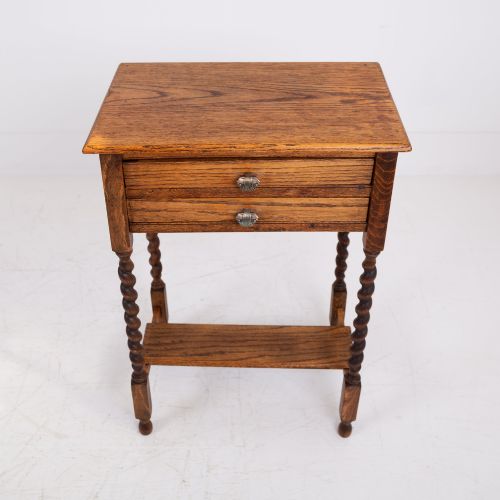
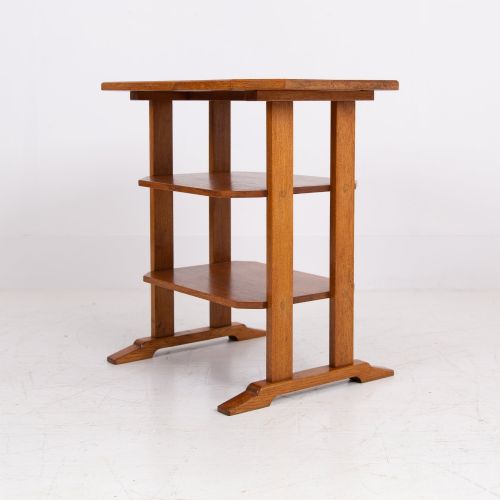
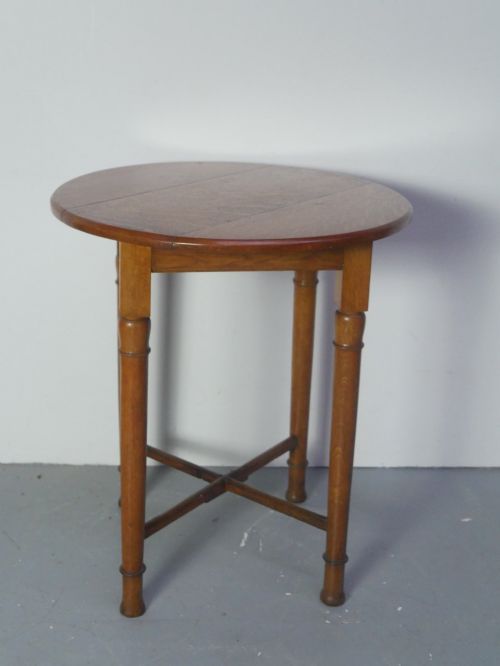
The version most commonly met on this page is the side table or lamp table constructed from solid oak, often featuring practical additions such as drawers, drop leaves or multiple tiers. Forms vary from rectangular and oblong shapes to six-sided designs and pie crust tops, providing versatile options for modern interiors.
Materials and construction
Construction relies heavily on oak, solid oak and hardwood, selected for strength and distinctive grain patterns. Metal and brass elements appear as supporting hardware, hinges or decorative accents on specific tables.
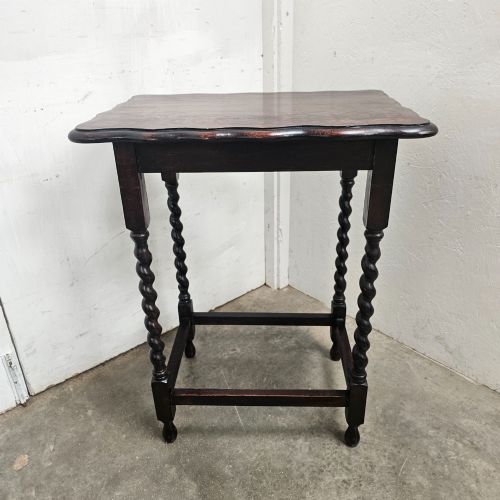
Joinery methods of the period ensure stability, while turned woodwork such as barley twist legs demonstrates traditional carpentry skills adapted for domestic furniture production.
Listings feature oak, solid oak, hardwood, brass and metal across Arts and Crafts, Jacobean Revival, Art Deco and Georgian Revival styles.
Assessing quality and design
Quality separates through the selection of timber and the precision of decorative detail, such as the crispness of carved motifs in Jacobean Revival pieces or the clean lines of Art Deco examples. Heavier solid oak construction and thoughtful proportions elevate a piece above standard utility furniture.
The integration of functional elements like smooth-running drawers, drop-leaf mechanisms and tiered shelving distinguishes finer examples. Consistency in finish and the preservation of the original grain enhance the overall character of the table.
The 1920s Oak Occasional Table Glossary
- Occasional table
- A small, movable table designed for a specific, intermittent use rather than a permanent central placement in a room. These pieces function well beside seating or in hallways.
- Barley twist
- A type of turning shaped like a spiral or helix, commonly found on the legs of tables from this era. This decorative technique adds vertical visual interest.
- Pie crust table
- A table featuring a raised, carved, undulating edge along the perimeter of the top. The moulding resembles the crimped crust of a pastry.
- Lowboy
- A small oak table with one or more drawers, styled after Georgian period furniture. It serves as a compact side or serving table.
- Drop-leaf table
- A table with a fixed central section and hinged leaves that fold down to save space. It allows the surface area to expand when needed.
1920s Oak Occasional Table: Frequently Asked Questions
What is a 1920s oak occasional table used for?
These tables provide convenient surfaces for lamps, books and decorative objects in living rooms, hallways and bedrooms. Their compact dimensions allow them to fit easily beside armchairs or sofas.
Historically, they filled specific domestic needs for movable surface space as homes evolved during the interwar years.
How do I identify a 1920s oak occasional table?
Look for characteristic timber grain, solid oak construction and stylistic markers associated with the early twentieth century, such as Arts and Crafts simplicity or Jacobean Revival turns. Details like barley twist legs and multi-tiered structures frequently point to this era.
Comparing the proportions and hardware with documented examples from the period helps confirm the date.
Are these tables solid oak?
Many examples on this page are constructed from solid oak or durable hardwood. Carpenters of the period utilised these robust materials to ensure longevity.
Checking the undersides and drawer linings provides clear evidence of the timber used throughout the piece.
How do I live with an oak side table?
An oak side table integrates naturally into contemporary and traditional interiors due to the warm tones of the wood. Regular dusting and occasional maintenance keep the surface protected.
Keep the timber away from direct heat sources and strong sunlight to preserve the finish over time.