



1920s Mahogany Cabinet
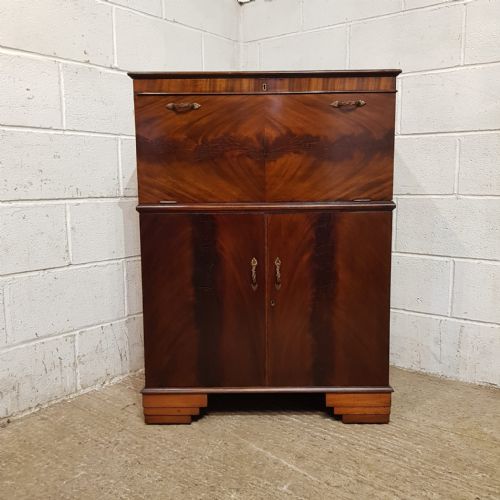
A 1920s mahogany cabinet brings practical storage and display into a room through solid timber and glass.
1920s Mahogany Cabinet
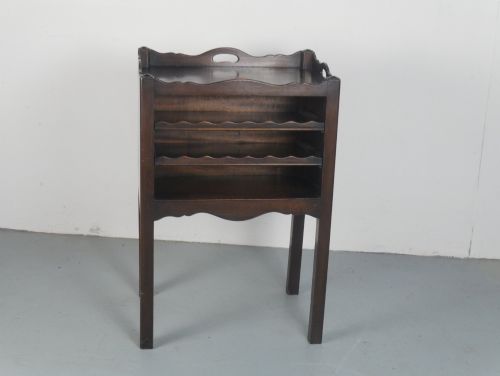
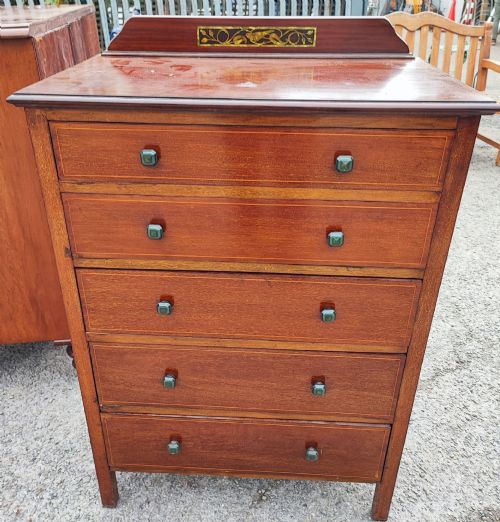
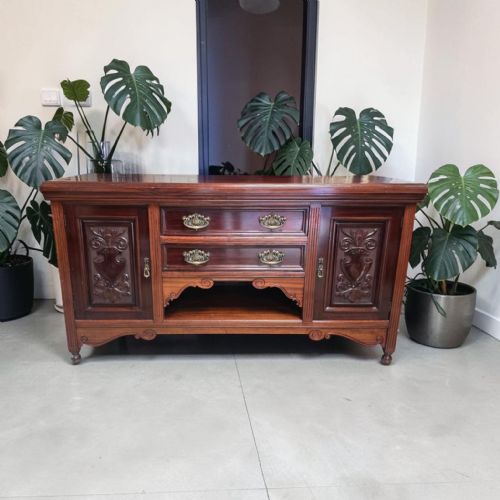
A 1920s mahogany cabinet spans domestic furniture and commercial shop fittings. Buyers encounter domestic items like bedside tables, drinks cabinets, chests of drawers, and sideboards alongside retail display counters, jewellery cases, and haberdashery shirt cabinets.
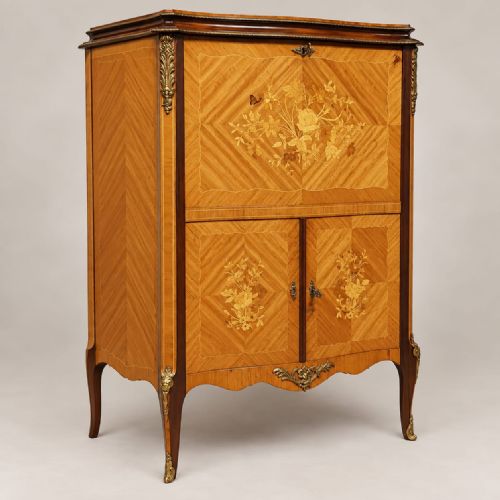
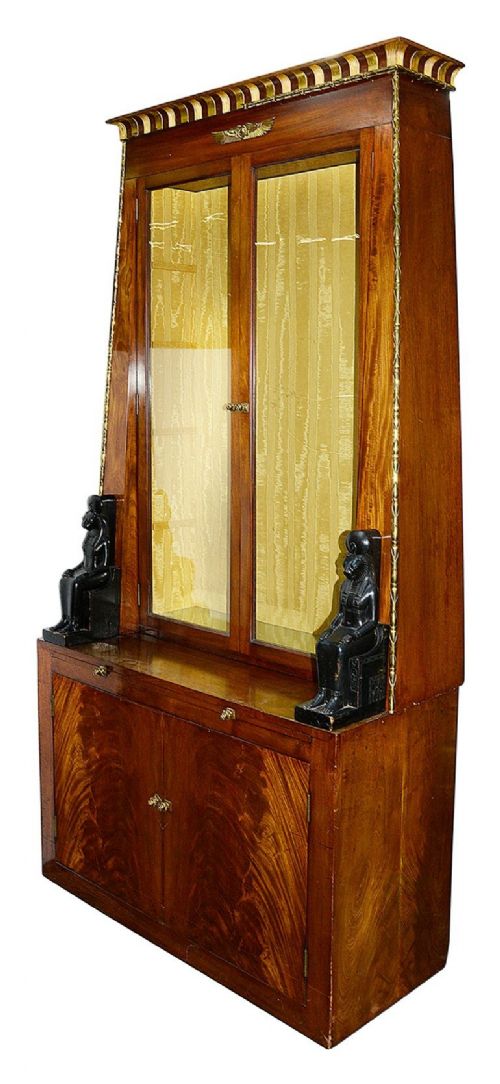
The pieces emerge from the 1920 period with lingering Edwardian influences or adopt newer styles including Art Deco, Egyptian Revival, and various revivals such as Georgian, Louis XV, and Chippendale. Commercial variants range from workshop banks of drawers to countertop display cases.
Materials and construction
Makers construct these pieces primarily from solid mahogany and burr walnut veneers, often combining timber frames with clear glass panels for display variants. Brass, gilt metal, and bronze provide structural hardware, hinges, and decorative mounts.
Interiors frequently utilise felt or fabric linings, particularly within jewellery chests, tabletop display cases, and canteen tables. Commercial pieces incorporate functional elements like tamboured fronts, marble tops, and specialised shop counter layouts.
1920s Mahogany Cabinet Retail Price Guide 2026
Typical asking prices for 1920s mahogany cabinet among the pieces listed under this phrase on Sellingantiques today, from the lower quarter to the upper quarter. They describe what is for sale here now, not the wider market.
Some cigarette dispensary cabinets from this decade still retain their specialised interior fittings for smokers.
Assessing quality
The standard of a 1920s mahogany cabinet rests on the selection of timber grains, such as burr walnut accents, and the integration of secondary materials like bronze and marble. Pieces produced by documented commercial furnishers and shopfitters demonstrate superior structural joinery.
Design ambition separates standard commercial production from elevated examples. Pieces incorporating specific stylistic expressions like French Art Deco or detailed carving show greater artisan investment than utilitarian workshop banks.
M. D. Miller and Sons·F. Sage and Co.·Waring and Gillows·Pollards·Harrods
The 1920s Mahogany Cabinet Glossary
- Bijouterie
- A small display table or cabinet designed specifically for small valuables, jewellery, and curiosities with glazed panels for viewing.
- Tambour
- A flexible sliding door formed of narrow strips of wood glued to a fabric backing, seen on filing cabinets.
- Canteen
- A fitted box or cabinet designed to hold and organise a complete set of cutlery.
- Haberdashery
- Commercial shop furniture featuring multiple shallow drawers, often with glass fronts, originally used for textiles and shirts.
- Tallboy
- A tall chest of drawers, often constructed as one chest stacked upon another.
1920s Mahogany Cabinet: Frequently Asked Questions
What is a 1920s shop display cabinet used for at home?
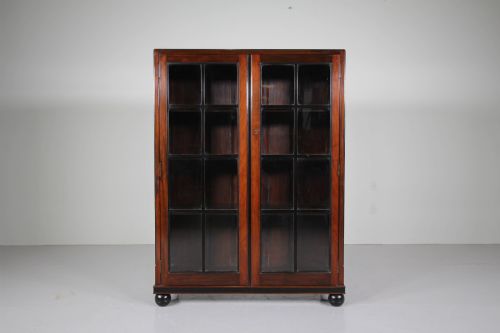
These large glazed cabinets serve to display collections, books, or glassware in domestic living spaces.
Their transparent panels and multiple shelves offer dust-free visibility similar to their original retail purpose.
How do I identify an Art Deco 1920s cabinet?
Art Deco pieces display geometric lines, stylized motifs, and sometimes Egyptian revival influences.
They often contrast mahogany with burr walnut veneers and feature specialised hardware.
Where were bedside tables placed?
Bedside cabinets and tables sit adjacent to the bed to hold small personal items, lamps, and night-time necessities.
Pairs often feature matching marble tops or enclosed cupboards.
What distinguishes a drapers counter?
A drapers counter is a long commercial shop unit designed for serving customers and examining textiles.
They incorporate wide timber surfaces and deep storage capacity suited for retail work.