




1920s Lalique Glassware
These 1920s Lalique glassware pieces capture the absolute zenith of Art Deco design through masterwork glass moulding.
1920s Lalique Glassware
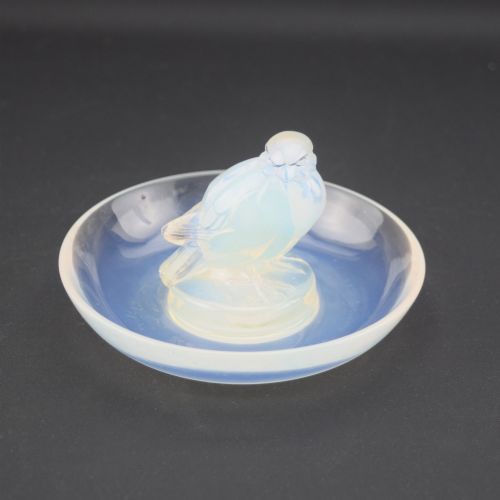
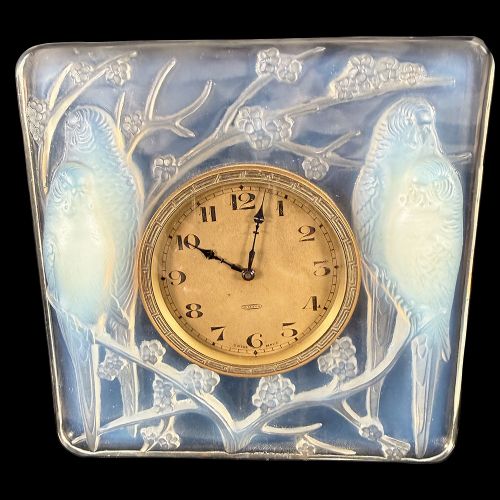
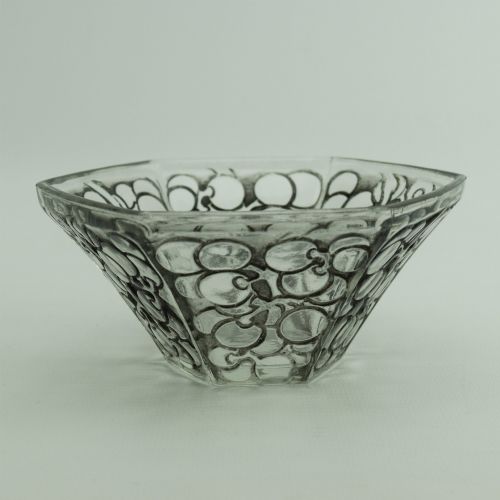
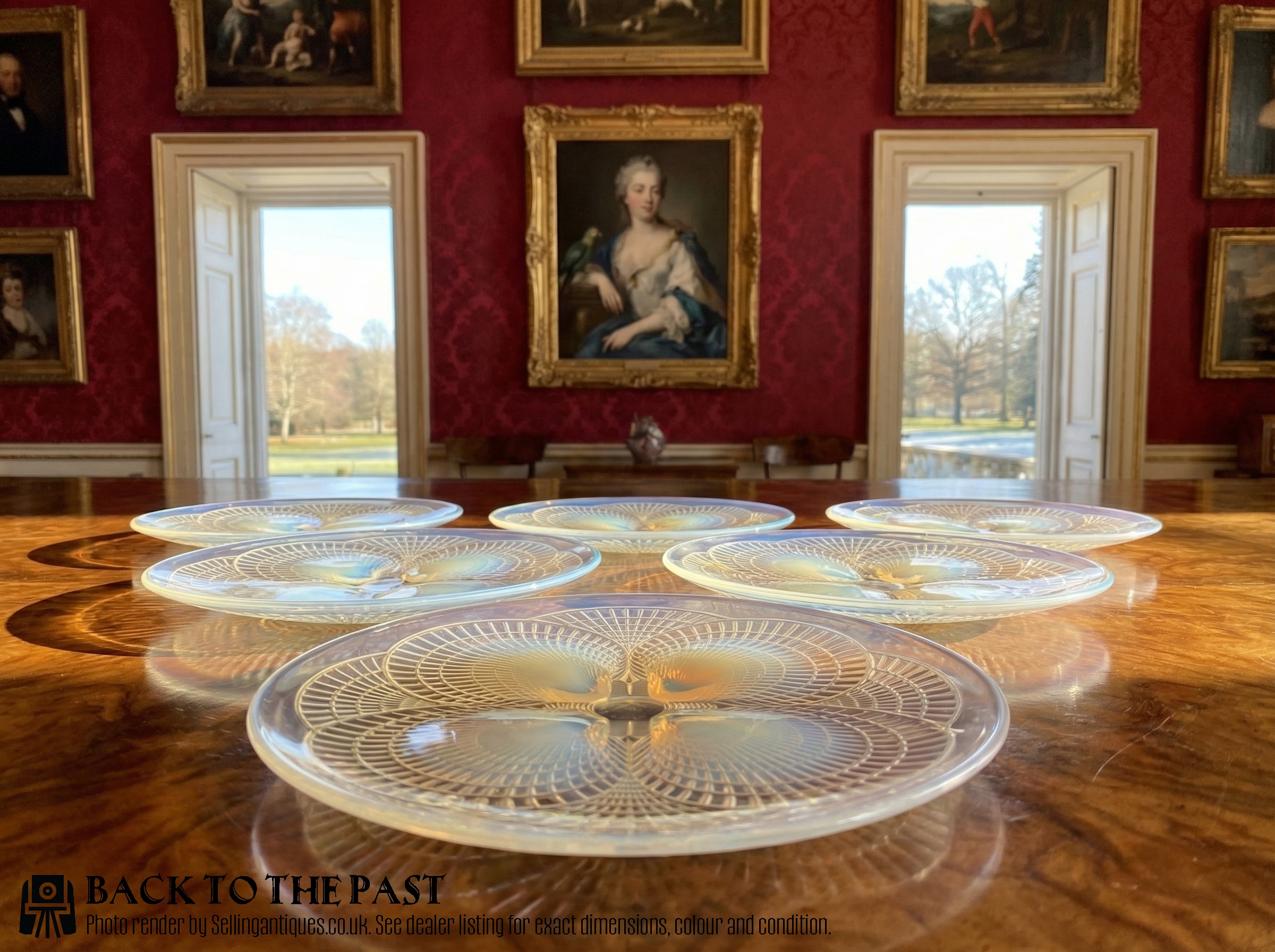
When searching for 1920s lalique glassware, buyers encounter exceptional items created during the 1920 and 1930 periods, predominantly reflecting the Art Deco style. The selection includes vases, decorative bowls, decorative plates, decorative dishes, clocks, and glass bowls.
Vases and bowls form the core of what appears on this page, often showcasing flora and fauna motifs such as birds, fish, and foliage. These items serve as striking decorative centrepieces for interiors focusing on period authenticity.

How these pieces were made
Makers utilised opalescent glass, frosted glass, clear glass, and moulded glass techniques to achieve tactile depth and varied optical effects. Metal fittings and patinated glass surface treatments frequently complement the primary glass bodies.
Moulded and pressed glass methods allowed for intricate relief work, capturing fine details in floral and animal subjects across vases, plates, and clocks.
1920s Lalique Glassware Retail Price Guide 2026
Typical asking prices for 1920s lalique glassware among the pieces listed under this phrase on Sellingantiques today, from the lower quarter to the upper quarter. They describe what is for sale here now, not the wider market.
Listings feature items dated to 1920 and 1930, spanning vases, bowls, plates, dishes, decanters, ashtrays, and clocks in moulded, frosted, opalescent, and patinated glass.
What varies in quality
The sophistication of the surface patination and the clarity of the opalescent glow dictate the visual hierarchy among these glass objects. Deeper contrast in the staining and sharper relief work in the moulded designs elevate specific examples above standard production.
The complexity of the original form, ranging from simple plates to sculptural vases and figural clocks, reflects the artistic ambition behind each individual piece.
Rene Lalique
The 1920s Lalique Glassware Glossary
- Opalescent glass
- Glass containing ingredients that cause it to milky-glow with bluish tones in transmitted light and warm amber tones in reflected light. This optical property creates the signature shifting colours seen in period bowls and vases.
- Frosted glass
- Glass rendered translucent rather than transparent by acid-etching or sandblasting the surface. This finish accentuates the sculptural relief of moulded patterns.
- Patinated glass
- Glass treated with pigment applied to the recessed areas of the design to heighten contrast. The dark stain outlines birds, flowers, and geometric motifs against the lighter body.
- Moulded glass
- Glass shaped by pressing molten material into a metal or wooden form. The technique permits complex three-dimensional ornamentation on vases and dishes.
1920s Lalique Glassware: Frequently Asked Questions
What is 1920s lalique glassware?
It encompasses decorative glass objects created during the 1920s and 1930s under the direction of master designer René Lalique.
Pieces range from functional decanters and ashtrays to sculptural vases, bowls, clocks, and plates executed in opalescent and frosted glass.
How do I identify opalescent glass?
Opalescent glass displays a characteristic milky quality that shifts in colour depending on how the light strikes the surface. It often catches a blue tone against the light and an amber tone when viewed with reflected light.
This effect was heavily utilised in bowls, plates, and vases to give depth to moulded floral and animal motifs.
How were these items used originally?
Many served as decorative items for affluent interwar interiors, functioning as display vases, table centrepieces, and mantel clocks. Smaller pieces like ashtrays and dishes also found a place on occasional tables in refined drawing rooms.
Today, they are largely collected and displayed as autonomous works of Art Deco sculpture.
How do I live with 1920s lalique glassware?
These items require stable placement away from high-traffic zones due to their delicate material composition. Proper lighting placed to catch the opalescent qualities will enhance their visual impact in a room.
Gentle dusting and careful handling are sufficient for daily care, avoiding harsh chemical cleaning agents on patinated surfaces.