


1920s Art Deco Lamp
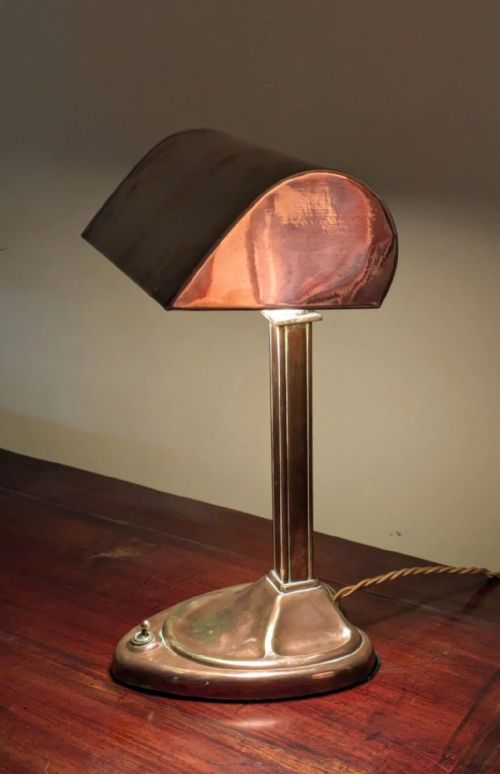
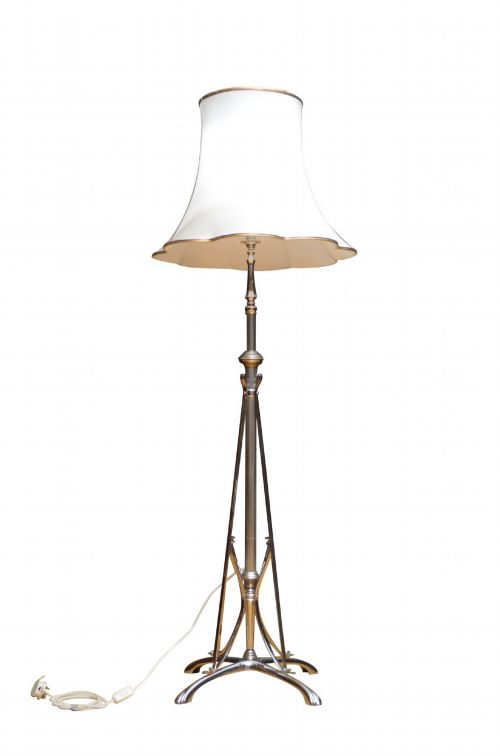
A 1920s art deco lamp brings geometric form and metallic sheen into a room, offering both task illumination and sculptural presence.
1920s Art Deco Lamp
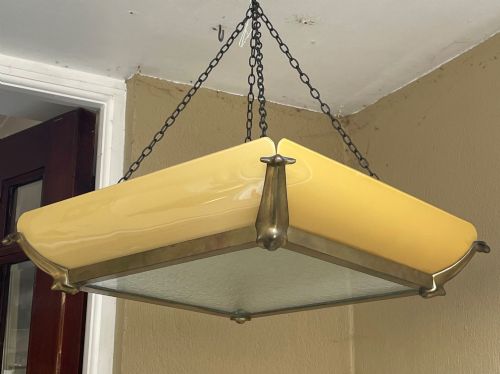
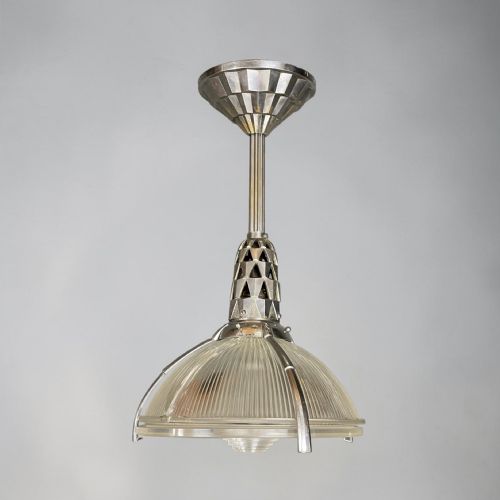
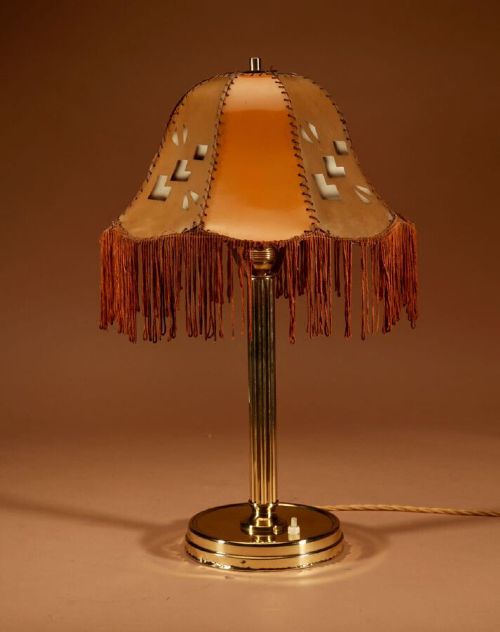
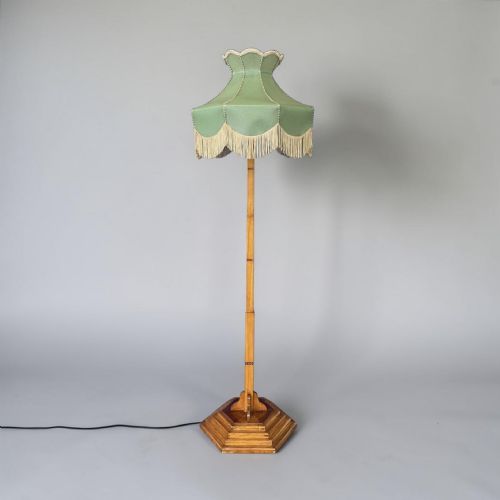
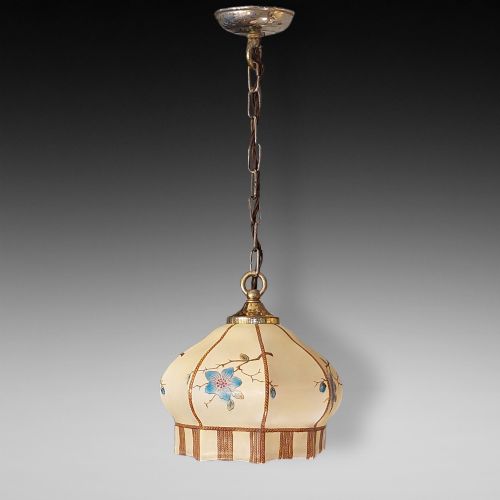
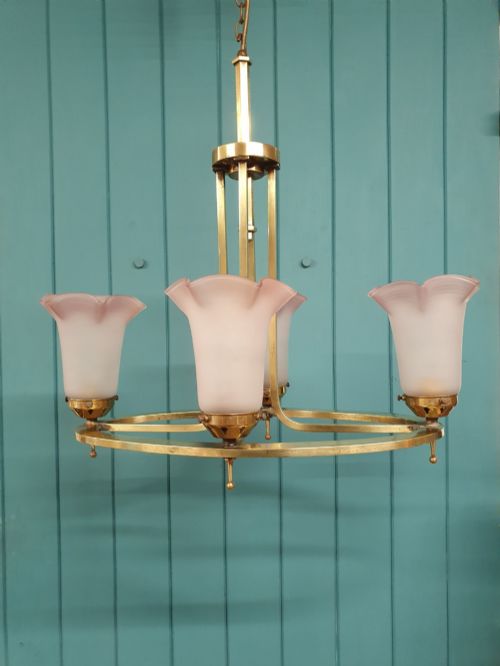
When searching for a 1920s art deco lamp, buyers encounter lighting designed to catch the eye through streamlined profiles and industrial materials. The selection spans table lamps, desk lamps, floor standards, and hanging pendant lights originating from the 1920s and 1930s.
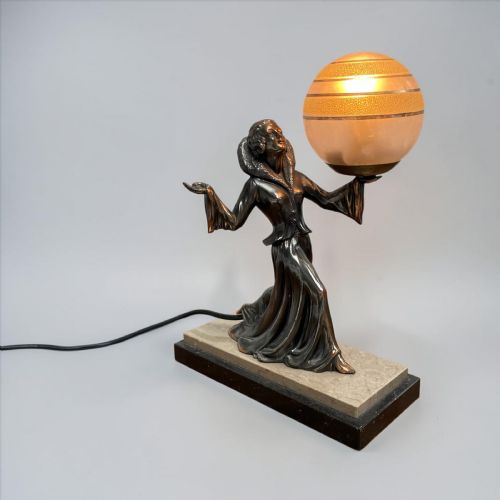
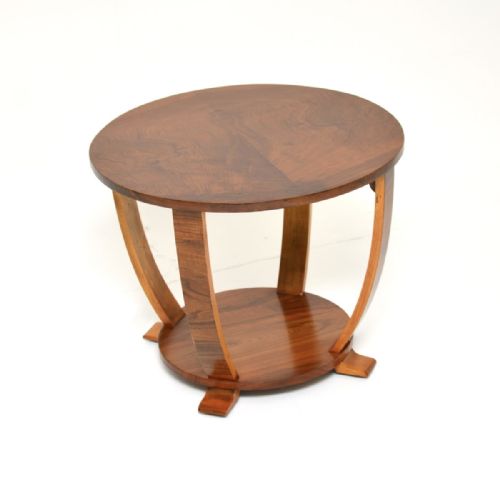
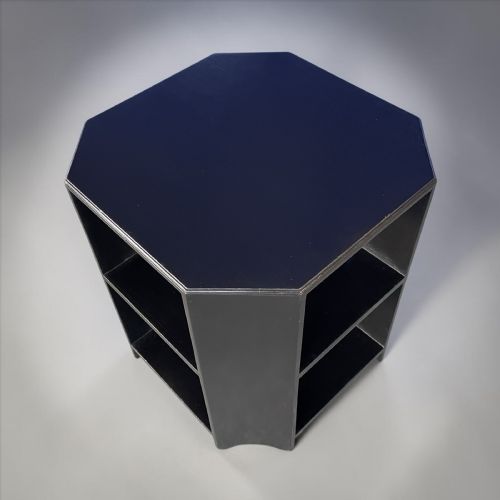
Table lamps and standard lamps dominate the offerings, often incorporating figural elements, sculptural lady motifs, or adjustable metal arms. Alongside dedicated lighting, the listings include occasional side tables and occasional furniture sharing the same period aesthetic.
Materials and construction
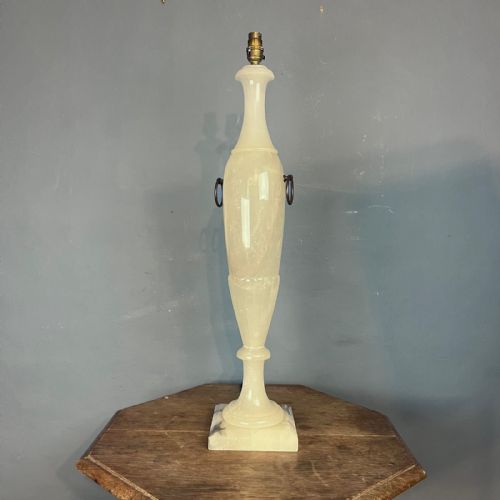
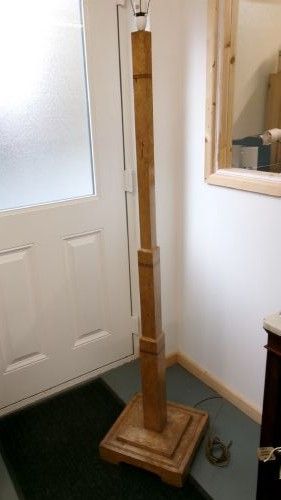
Cabinetmakers and metalworkers employed contrasting materials, pairing figured walnut, blonde walnut, oak, and ebonised timber with alabaster, porcelain, and fabric shades. Construction methods combine turned wooden columns with cast metal fittings and hand-blown glass elements.
1920s Art Deco Lamp Retail Price Guide 2026
Typical asking prices for 1920s art deco lamp among the pieces listed under this phrase on Sellingantiques today, from the lower quarter to the upper quarter. They describe what is for sale here now, not the wider market.
Several lamps double as resting places for porcelain birds and miniature snakes.
Assessing quality
Quality reveals itself in the weight of the metal components, the clarity of the alabaster, and the precision of the joints on adjustable desk and floor lamps. Pieces bearing signed glass shades or specific maker attributions stand apart from anonymous production items.
The sophistication of the surface finish dictates the tier of the piece, whether through hand-painted details on glass and ceramic figures, complex veneers on walnut tables, or heavy cast bronze work.
Émile-Jacques Ruhlmann·Karl Ens·Anton Buschelberger·Wilhelm Wagenfeld·Degue·Muller Bros·Emile Galle
The 1920s Art Deco Lamp Glossary
- Alabaster
- A fine-grained, translucent stone used for carved lamp bases and shades that glow softly when illuminated from within. It allows for substantial sculptural depth in lighting design.
- Opaline glass
- A milky, semi-translucent glass that softens light sources efficiently. It appears frequently in period shades and pendants.
- Standard lamp
- A tall floor-standing lamp designed to illuminate a room from a corner or beside seating. These often feature adjustable heights or swing arms.
- Veilleuse
- A small night light or bedside lamp of French origin. They often incorporate ceramic or glass figural components.
- Chinoiserie
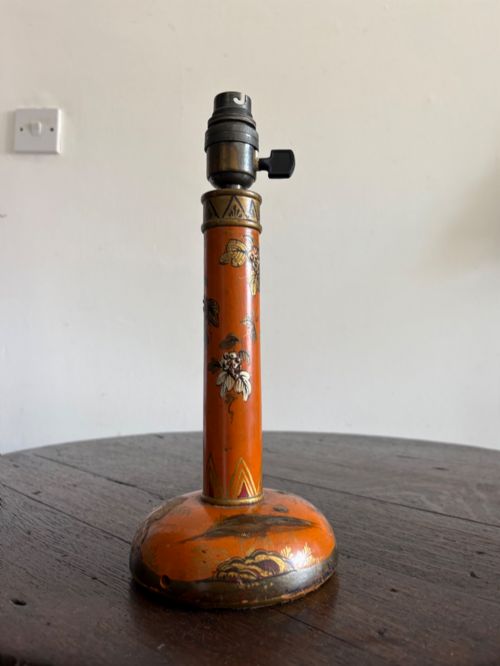
- A decorative style reflecting European interpretations of Chinese art and motifs. It appears in hand-painted lacquer finishes on lamp bases.
1920s Art Deco Lamp: Frequently Asked Questions
How do I identify a genuine period lamp?
Examine the materials, wiring access points, and construction methods for period-appropriate brass, heavy cast iron, or hand-blown glass. Maker signatures or stamps on the metal base or glass shade provide further confirmation.
Compare the switch mechanisms and cord exits against standard manufacturing practices of the interwar decades. Heavy patination on unlacquered brass and copper also indicates age.
Can these lamps take modern electrical bulbs?
Most desk and table lamps accept standard modern screw or bayonet bulbs once checked by a qualified electrician. Care must be taken with wattage limits to protect delicate vintage glass or fabric shades.
Rewiring older fixtures preserves the original metalwork while ensuring household safety standards are met.
What maintenance do glass shades require?
Dust frosted, opaline, or mirrored glass gently with a dry microfibre cloth to avoid disturbing aged surfaces. Avoid harsh chemical cleaners that might strip hand-painted details or lacquer.
Hand-painted glass and mercury mirrored finishes demand particular care during cleaning to preserve their reflective or decorated layers.