


1910s Diamond Pendant
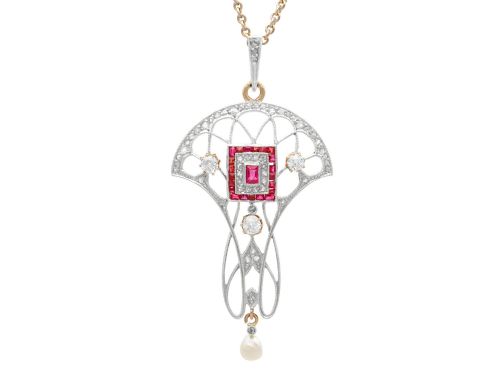
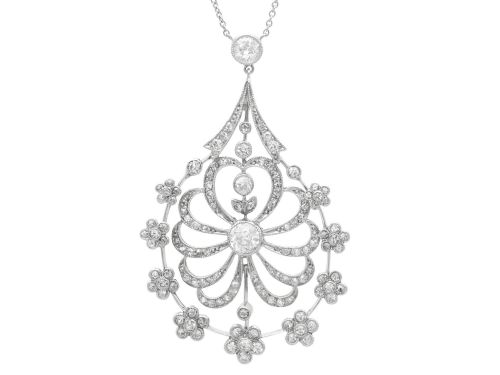
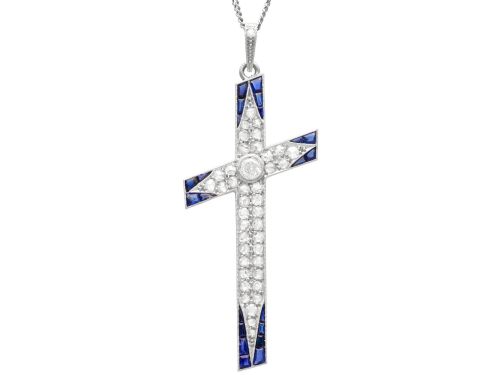
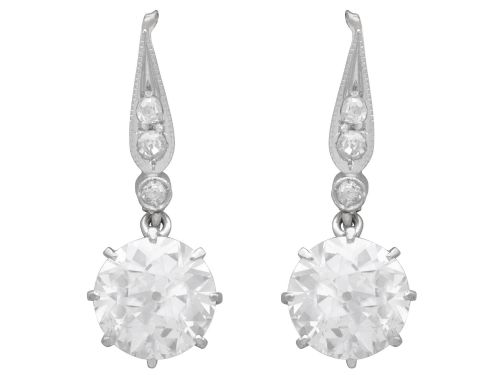
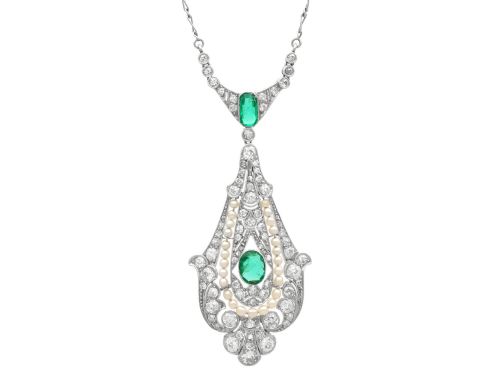
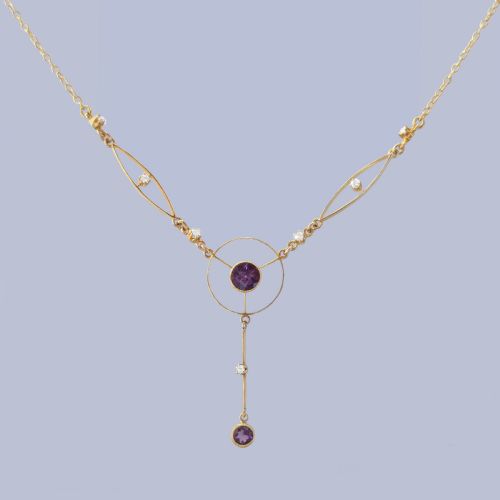
These 1910s diamond pendant examples capture the delicate openwork and brilliant stone-setting characteristic of early twentieth-century jewellery design.
1910s Diamond Pendant
The assortment relies heavily on platinum and various caratages of yellow, white, and rose gold. Central diamonds frequently pair with coloured gems such as sapphires, emeralds, aquamarines, rubies, amethysts, and pearls.
Most items on display date to around 1910 or 1915, representing the height of platinum's adoption in fine metalwork. These pieces showcase how jewellers balanced substantial stone weight with airy, lace-like mountings.
What varies in quality
Quality differences emerge in the complexity of the metalwork and the selection of flanking gems. Superior examples exhibit hand-pierced platinum scrollwork and well-matched coloured stones that harmonise with the central diamond.
The calibre of the stone-cutting and the weight distribution across drop necklaces or pendant brooches dictate the overall refinement. Heavier gold or platinum mounts demand precise balance so the piece hangs correctly when worn.
Early twentieth-century jewellers often hid tiny ventilation holes behind diamond clusters to help clean out accumulated face powder and perfume.
The 1910s Diamond Pendant Glossary
- Old cut diamond
- A precursor to the modern brilliant cut, featuring a smaller table, higher crown, and open culet designed to catch candlelight and gaslight. These stones display distinctive hand-faceted proportions unique to early pieces.
- Lavalier necklace
- A drop necklace featuring a central suspended ornament, popular during the Edwardian and Art Nouveau eras. This form often incorporates pearls and amethysts alongside central diamonds.
- Platinum
- A dense, durable precious metal that gained widespread use in fine jewellery around 1910. Its strength enabled jewellers to craft ultra-fine settings that resembled delicate lace.
- Pendant brooch
- A dual-purpose mount fitted with both a suspension loop and a pin finding. This design allowed the wearer to display the jewel on a chain or fasten it directly to garments.
- Seed pearl
- A tiny, naturally formed pearl often used in rows or clusters to accent central gemstones. Their subtle lustre provides a soft contrast to crisp diamonds.
1910s Diamond Pendant: Frequently Asked Questions
How do I wear a pendant brooch?
A pendant brooch offers dual functionality through a hidden pin mechanism and a top suspension loop. You can thread a fine chain through the loop to wear it as a traditional necklace.
Alternatively, secure the pin fastening directly onto the fabric of a lapel or bodice. The convertible design allows versatile styling options depending on your outfit.
What defines the Edwardian style?
Edwardian jewellery relies heavily on platinum settings, diamond clusters, and airy, garland-inspired motifs. The aesthetic draws on lace and ribbon patterns to create a light appearance.
Coloured gemstones frequently accompany the diamonds to add subtle warmth. This style dominated high-society fashion during the first decade of the twentieth century.
How should I care for pearl accents?
Natural pearls and seed pearls require gentle handling because they are organic gems susceptible to chemical damage. Avoid exposing them to perfumes, cosmetics, and harsh cleaning solutions.
Clean the metal mountings with a soft cloth while keeping moisture away from pearl drill holes. Storing the piece separately prevents scratching from harder diamonds.