



1900s Hand Knotted Rug
A 1900s hand knotted rug brings tactile warmth and deep history into a room through centuries-old nomadic and village weaving traditions.
1900s Hand Knotted Rug
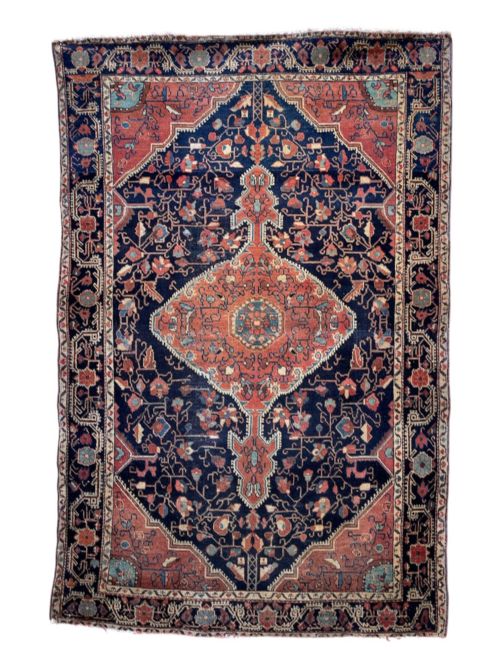
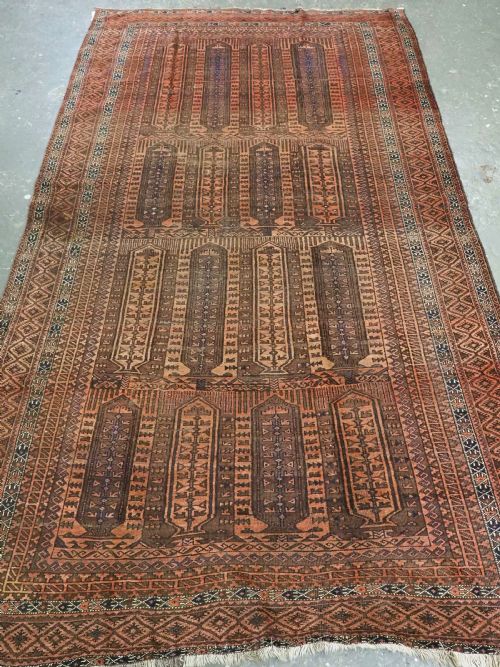
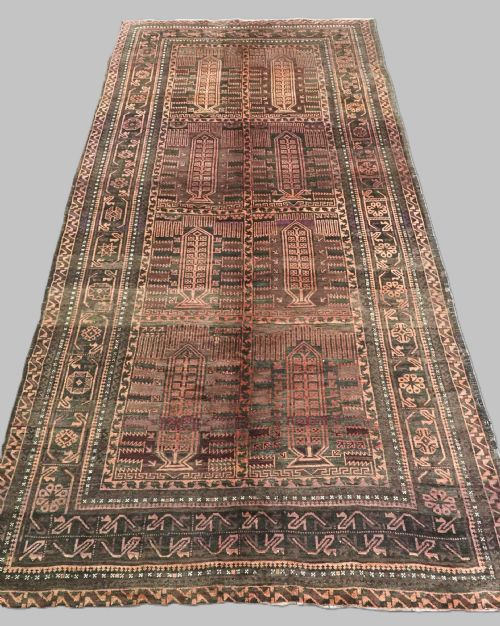
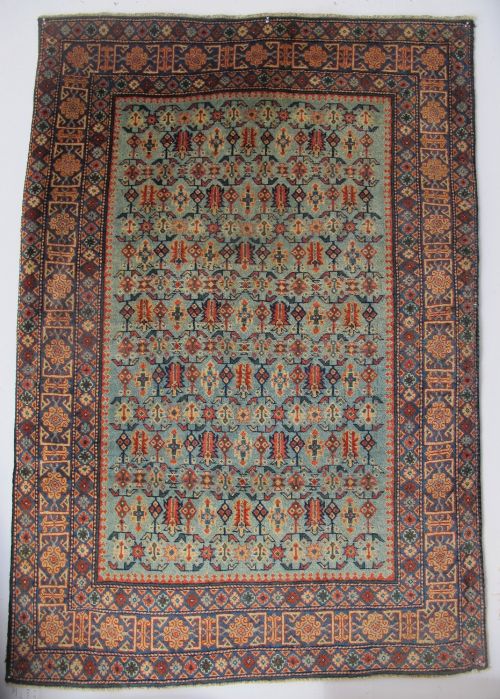
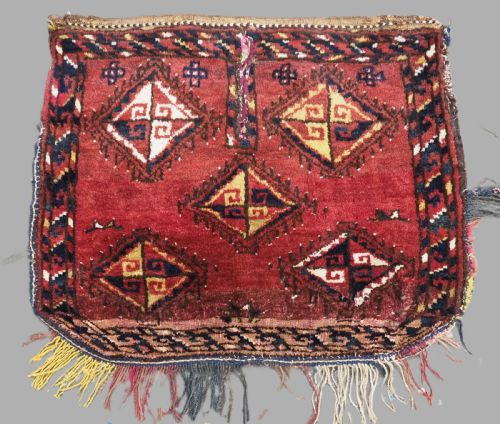
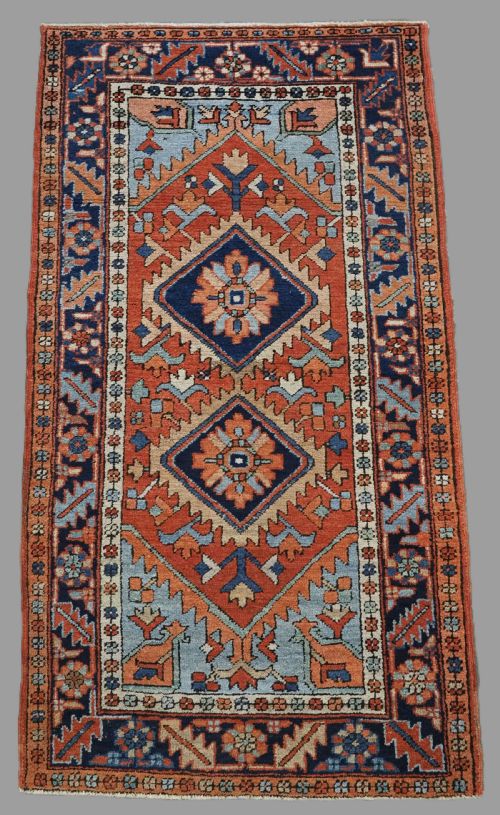
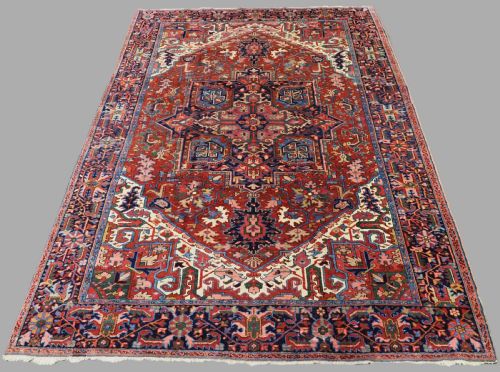
When searching for a 1900s hand knotted rug, you encounter floor coverings originating mainly from Persian, Caucasian, Turkmen, and Baluch tribal workshops or village communities. These textile forms span small saddle bags and prayer rugs to room-sized carpets and narrow runners.
The prevalent examples on this page represent traditional formats produced around the turn of the twentieth century, specifically from the 1890s through the 1920s. They encompass distinct regional identities such as Heriz, Isfahan, Shiraz, and various Turkmen tribal groupings.
Materials and construction methods
These floor coverings utilise natural materials predominantly, featuring hand-spun wool pile foundation structures often supported by cotton warps and wefts. Certain tribal pieces incorporate supplementary elements like goat hair, camel hair, or fine silk highlights.
Weavers employed traditional hand-knotting techniques alongside natural dyes to create enduring patterns. The resulting textiles display varied pile densities and structural builds characteristic of specific regional weaving centres.
Distinctions in construction and material execution
Quality differences emerge through the precision of the knotting and the handling of the wool. Finer examples display tight foundation structures and expertly prepared natural dyes that age with balanced patination.
The integrity of the design layout and the balance of the regional motifs separate standard village outputs from superior workshop pieces. Artisanal mastery shows in the crispness of geometric medallions and floral repeats.
The 1900s Hand Knotted Rug Glossary
- Warp
- The vertical threads stretched lengthwise on the loom before knotting begins. These foundational cords provide the structural skeleton for the entire textile.
- Weft
- The horizontal threads passed through the warps after each row of knots is tied. They secure the pile firmly in place.
- Pile
- The dense surface layer of upright wool or silk ends formed by individual knots. This soft upper face absorbs wear and reveals the woven pattern.
- Medallion
- A central ornamental design motif placed in the middle of the field. It often takes a geometric or floral shape depending on the origin.
- Gul
- An octagonal or medallion-like tribal motif frequently repeated across Turkmen carpets. Each specific clan utilises its own distinct variation of this emblem.
1900s Hand Knotted Rug: Frequently Asked Questions
How do I clean an old wool carpet?
Gentle surface brushing and regular light vacuuming without a beater bar help maintain wool fibres. Professional antique textile cleaning remains the safest method for deep maintenance.
Water saturation and harsh chemical detergents risk damaging natural dyes and fragile cotton or wool foundations. Specialist care preserves the structural integrity of the weave over time.
Can I place these textiles in high-traffic areas?
Sturdy village and tribal weaves handle moderate foot traffic well thanks to dense wool construction and resilient natural materials. Placing a quality underlay beneath the textile prevents slipping and reduces fibre friction.
Rooms exposed to direct, intense sunlight can cause natural dyes to fade unevenly across the surface. Rotating the layout periodically ensures balanced exposure and wear.
What defines a tribal prayer rug?
Prayer rugs feature a distinctive mihrab niche design intended to point toward Mecca during daily devotions. Nomadic weavers from Baluch and Kurdish regions frequently produced these portable formats.
Their compact size allowed easy transport during seasonal migrations while serving both spiritual and domestic functions within the camp.
How are regional styles identified?
Distinctive colour palettes, specific medallion geometries, and particular knotting structures point directly to geographic origins like the Caucasus or Persia. Turkmen groups utilise characteristic repeating guls on deep red grounds.
Comparing border patterns and secondary motifs against known regional corpora helps attribute the weaving correctly.