



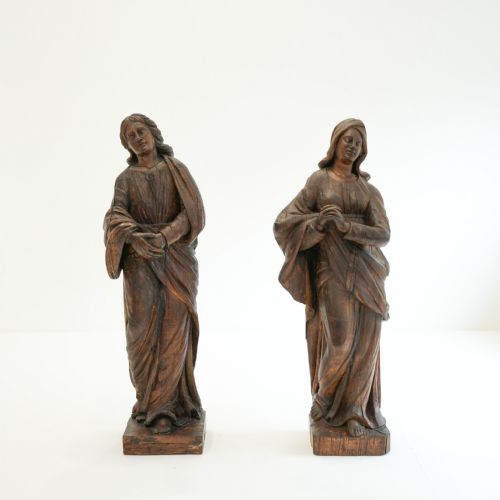
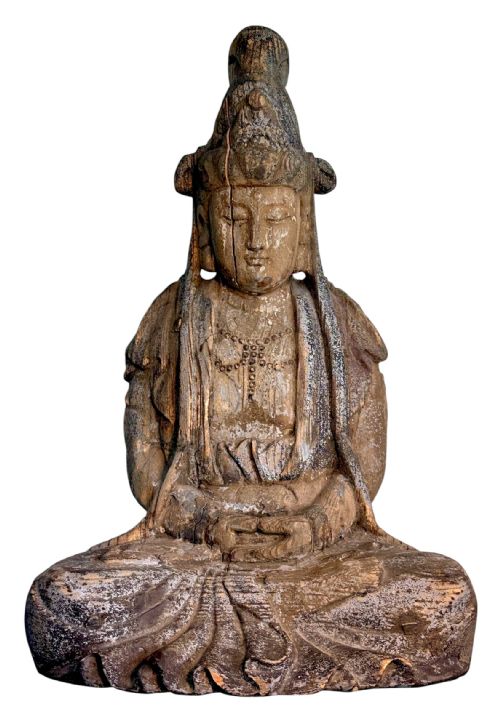


18th Century Wooden Statue
An 18th century wooden statue brings centuries of devotional craft and secular portraiture into an interior through hand-carved grain and historic pigment.
18th Century Wooden Statue
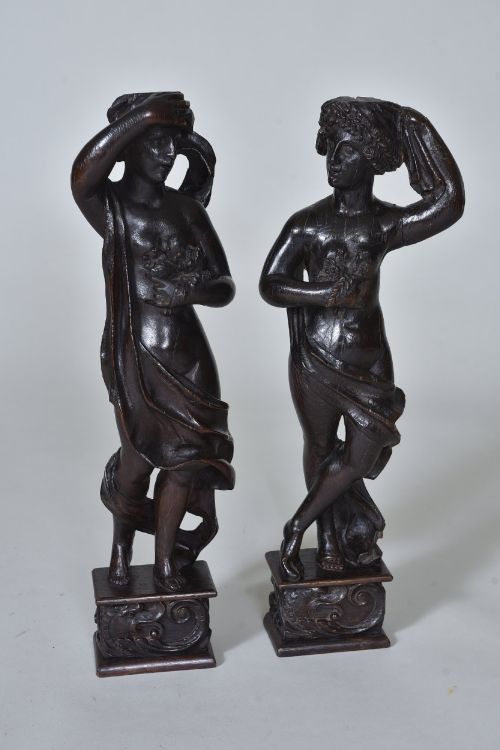
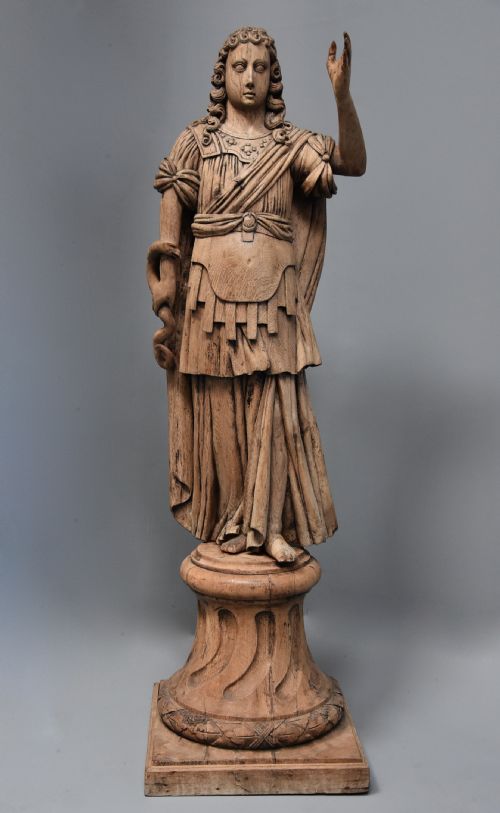
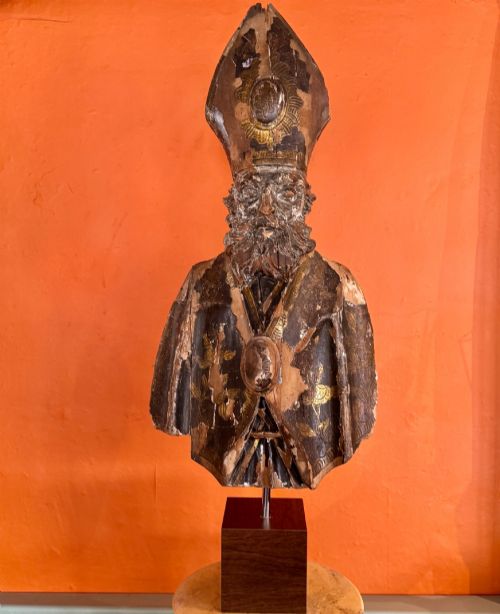
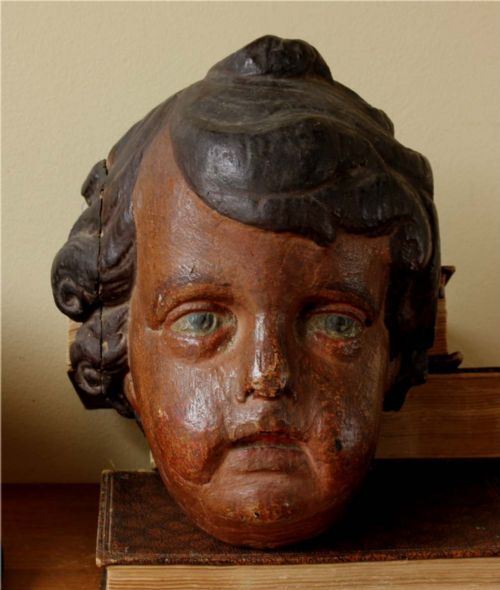
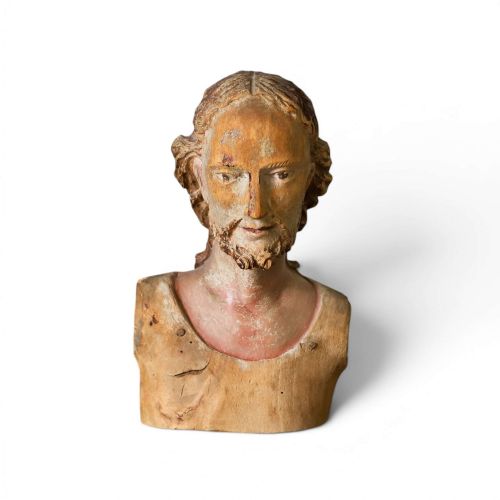
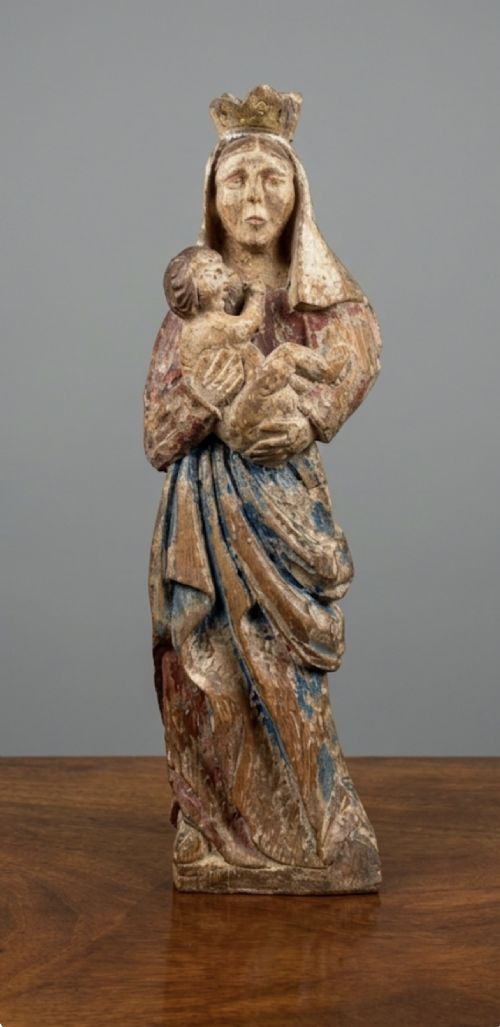
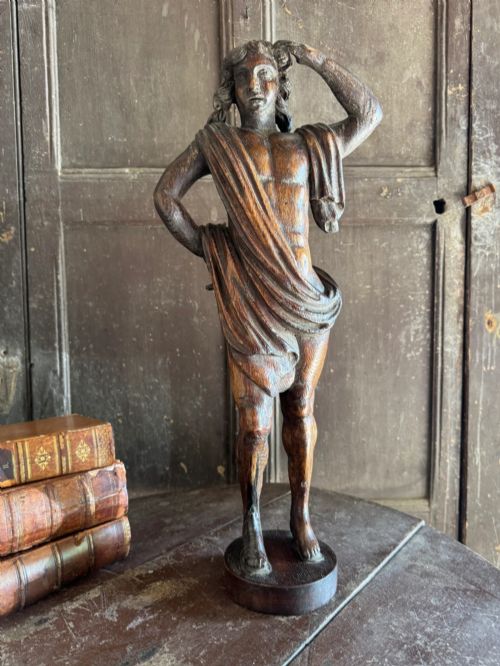
An 18th century wooden statue encompasses ecclesiastical figures, secular portraits and mythical subjects carved during the 1700s across Europe and Asia. Collectors encounter life-size representations of saints and bishops alongside small cherubs, animals and classical deities.
The majority of pieces on this page originate from Continental workshops, span religious and folk art idioms, and appear in oak, pine, lime wood and olive wood. Formats range from full-length standing figures and panel busts to architectural candleholders and architectural fragments.
How They Were Made
Sculptors utilised native timbers such as oak, lime wood, lindenwood and olive wood, selecting logs for density and grain before applying primary chisel work. Many surfaces received a preparation layer of gesso to smooth the wood grain prior to painting or gilding.
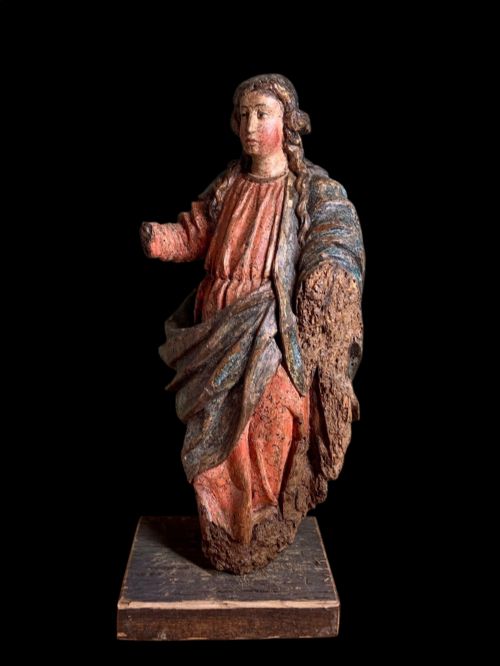
Polychrome paint, silver leaf and gold leaf finish numerous ecclesiastical and secular examples, with pigments applied directly over the gesso or primed wood. Hand carving defines the depth of drapery folds, facial expressions and anatomical details across every regional school.
A gilt-wood swan and an array of winged cherubs wait here to keep eternal watch over your bookshelf.
What Varies in Quality
Quality rests upon the anatomical proportion and expressive depth achieved by the carver's hand, distinguishing master ecclesiastical commissions from provincial folk art. Finer pieces demonstrate confident undercut work in drapery and subtle facial modelling rather than stiff or rudimentary blocking.
The preservation of original surface treatments, including untouched polychrome pigment and gold leaf layers, elevates the historical integrity of a carving. Pieces retaining their original structural elements and unstripped wooden surfaces command greater scholarly interest.
The 18th Century Wooden Statue Glossary
- Polychrome paint
- Decoration executed in multiple colours upon the surface of wood, gesso or stone. This technique brings realism and visual weight to ecclesiastical statues.
- Gesso
- A plaster mixture applied to wooden substrates as a smooth base for painting and gilding. It provides a bright foundation for gold leaf and pigments.
- Capipote
- A Spanish devotional statue featuring a wooden carved head and hands attached to a concealed framework draped in real fabric garments. These figures were often dressed in elaborate textiles for religious processions.
- Santos
- A carved or moulded figure representing a saint or sacred personage, originating primarily from Spanish and Italian traditions. They served as central focal points for private prayer and church altars.
- Ecclesiastical
- Pertaining to the Christian church and its clergy, describing objects created specifically for church interiors, shrines or monastic settings.
18th Century Wooden Statue: Frequently Asked Questions
Where were these statues originally displayed?
Many figures stood within churches, monastic chapels and domestic shrines as objects of veneration or liturgical decoration. Others belonged to wealthy households as secular displays of classical mythology or portraiture.
Larger life-size pieces often occupied niches in architectural settings, while smaller busts and putti adorned private altars and mantelpieces.
How do I care for historic carved wood?
Keep statues away from direct sunlight, heating vents and damp environments to prevent the timber from splitting or warping. Maintain a stable indoor climate.
Dust the surface gently with a dry, soft brush rather than using chemical polishes or water, which can damage aged polychrome paint and gesso.
What is the difference between secular and religious figures?
Religious statues depict saints, Madonna and child groups, bishops and biblical narratives intended for spiritual devotion. Secular carvings represent classical deities, mythological figures, animals and portrait busts.
Both categories share period carving techniques, but their iconography reflects either ecclesiastical liturgy or secular humanist tastes.
Can I identify the original region of a carving?
Regional origins often reveal themselves through the choice of timber, carving style and pigment palette. Spanish and Italian pieces frequently employ specific types of polychrome technique and iconography, while German and French workshops utilise local woods like lime and oak.
Stylistic markers such as Baroque drapery movement or folk art simplicity point directly to the geographic traditions of the maker.