




18th Century Wooden Settee
An 18th century wooden settee brings centuries of craftsmanship into a room, offering generous seating fashioned from rich timbers like mahogany, walnut and oak.
18th Century Wooden Settee
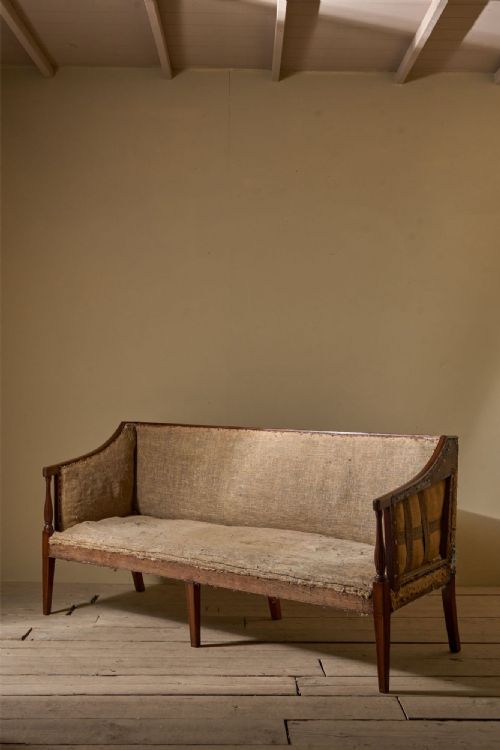
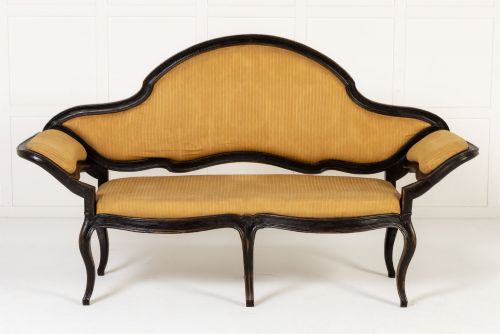
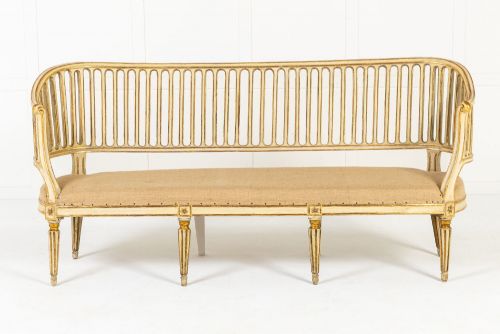
An 18th century wooden settee is a substantial seated form designed to accommodate multiple people, appearing across diverse European styles and periods. The selections span English walnut and mahogany frames alongside lighter Swedish Gustavian models and ornate Italian painted or ebonised pieces.
Buyers encounter forms ranging from early Queen Anne walnut designs to later George III Chippendale creations and provincial continental variations. These pieces serve as functional focal points in a traditional interior, combining historic joinery with upholstered comfort.
Construction and Materials
Makers shaped these frames from solid timbers such as mahogany, walnut, oak and pine, often applying paint, gilding or ebonising to the exterior surfaces. Skilled joiners constructed the structural skeletons using traditional mortise and tenon joints to ensure enduring stability.
Upholstery techniques involved supportive webbing and stuffing covered in traditional textiles like Hessian, linen and contemporary decorative fabrics. Frames frequently featured carved detailing, from rococo curves to classical chairback configurations.
Listings feature timbers including mahogany, walnut, oak and pine alongside painted wood finishes.
Assessing Quality
Superior quality in these pieces rests upon the crispness of the original timber carving and the integrity of the underlying frame construction. Finer examples display harmonious proportions, sophisticated regional styles like Louis XV or Adam, and well-preserved primary woods.
The degree of original surface treatment, whether untouched mahogany patina or authentic period paint, distinguishes the more desirable examples from later interpretations or heavily restored items.
The 18th Century Wooden Settee Glossary
- Chippendale
- A style originating from the mid-eighteenth century characterised by carved mahogany frames and ornate back splats. It draws influence from Gothic, Chinese and French rococo motifs.
- Gustavian
- The Swedish neoclassical style developed during the late eighteenth century, known for lighter colour palettes and restrained geometric carving. These pieces often feature pale painted finishes.
- Canape
- A French upholstered sofa or settee style with an exposed wooden frame, popular during the eighteenth century. These forms typically showcase refined cabriole legs and carved crest rails.
- Ebonised
- Wood finished to resemble ebony through staining, painting or chemical treatment. This technique creates a dark, polished surface popular in various European decorative periods.
- Hessian
- A coarse woven fabric typically utilised as a foundational support layer beneath top upholstery materials. It provides durable tension for traditional seat stuffing.
18th Century Wooden Settee: Frequently Asked Questions
Where did people place these settees?
These large seating forms occupied principal reception rooms, grand parlours and salons in fine homes. They provided ample seating for social gatherings and formal entertaining.
Today, they function effectively in spacious living rooms, entrance halls or large studies as statement architectural seating.
How do I care for antique wood?
Protect wooden frames by keeping them away from direct heat sources and fluctuating humidity levels. Regular dusting with a soft, dry cloth preserves the polished timber surface.
Apply high-quality beeswax sparingly to nourish unpainted mahogany or walnut when the wood appears dry.
Can I use everyday cleaning products?
Harsh chemical sprays and modern multi-purpose cleaners damage historic wood finishes, painted surfaces and antique gilding. Use only specialised conservation products approved for historic furniture.
For upholstered sections, professional textile cleaning ensures delicate historic fabrics and underlying Hessian supports remain intact.
How are different periods identified?
Distinguishing periods relies on observing specific stylistic motifs, such as the cabriole legs of Queen Anne designs or the straight, fluted supports of the Adam style. Construction methods and wood choices also provide clear chronological markers.
Comparative analysis of regional characteristics helps differentiate between English Georgian work and continental Swedish or Italian execution.