

18th Century Wooden Sculpture
An 18th century wooden sculpture brings tactile warmth and carved detail into a room through centuries-old religious figures, architectural fragments and classical forms.
18th Century Wooden Sculpture
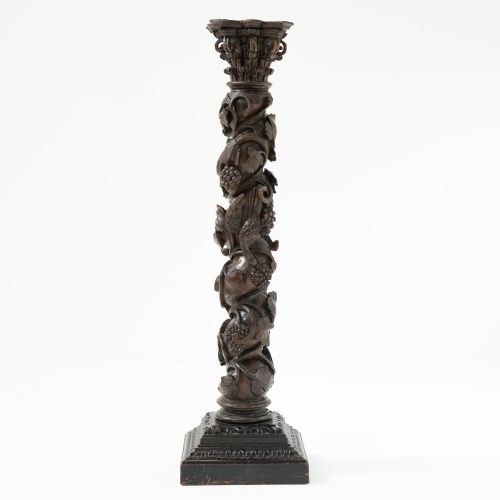
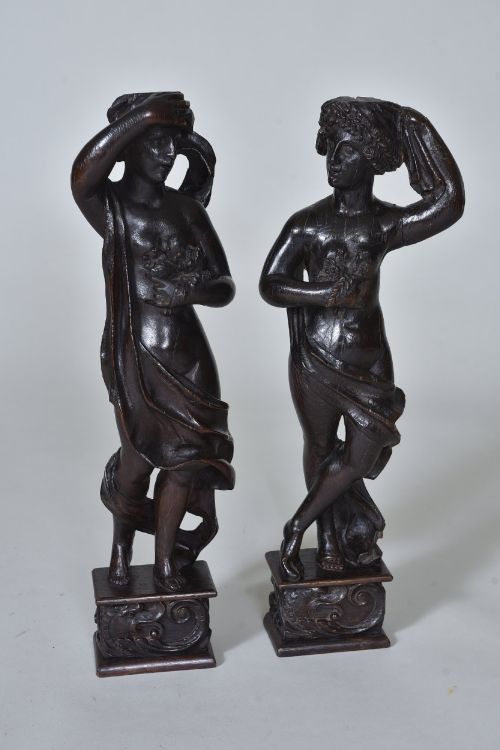
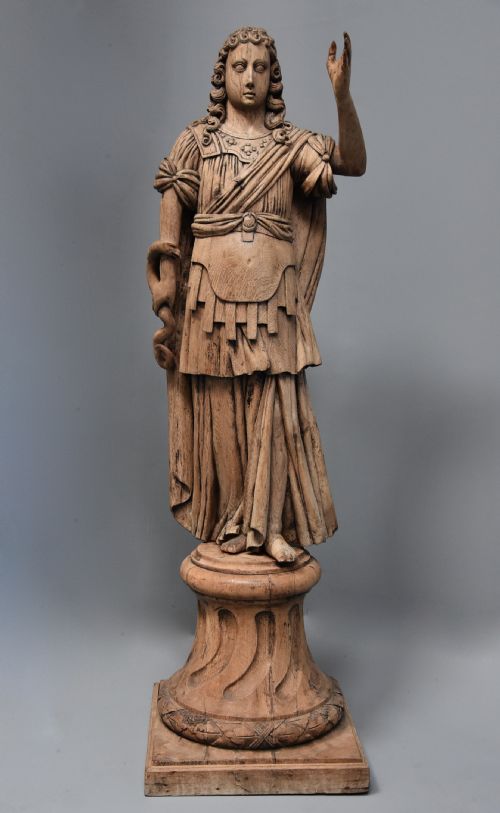
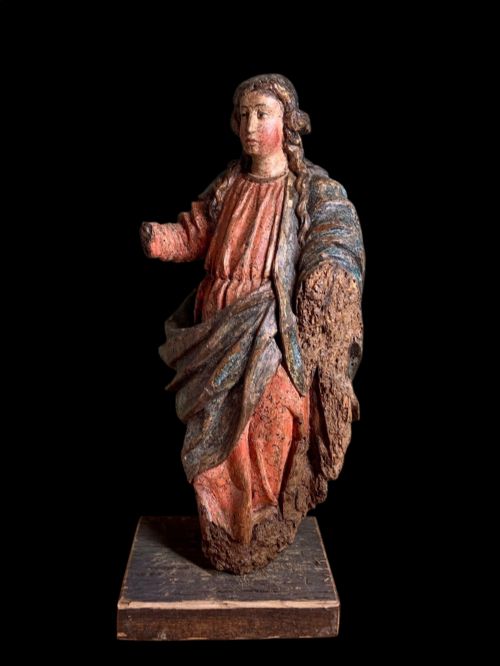
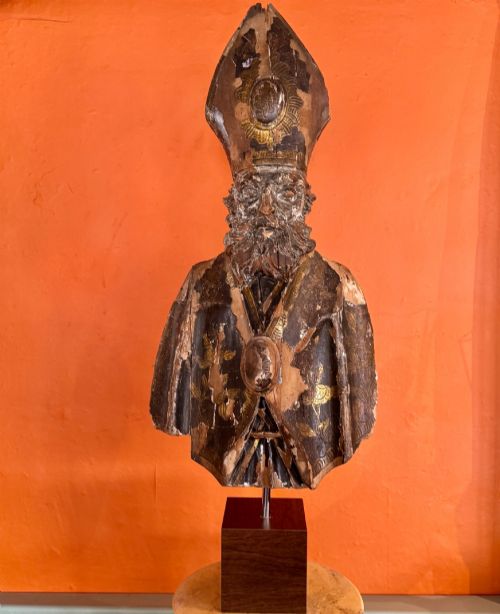
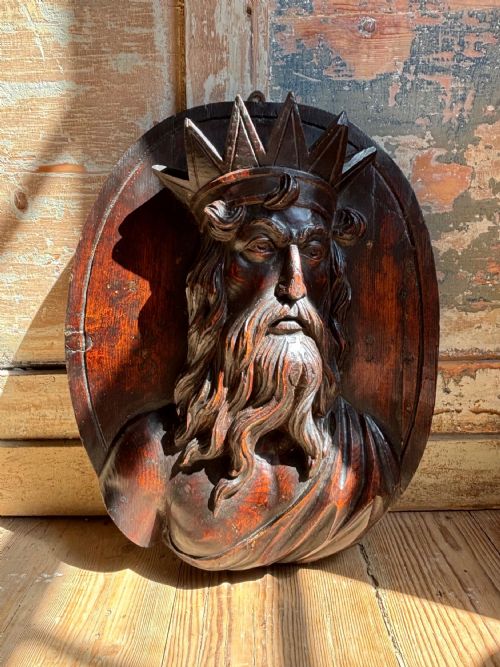
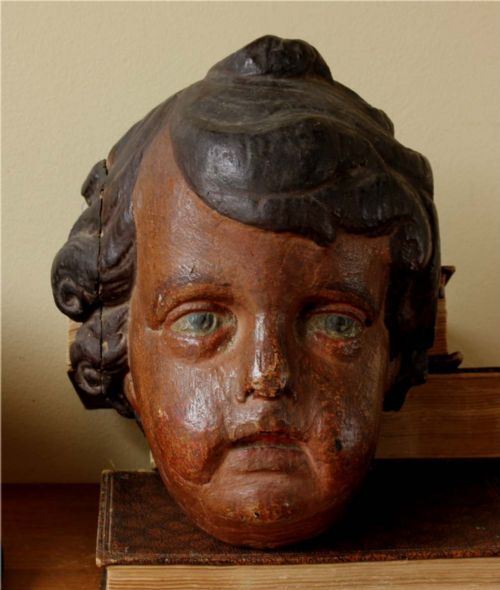
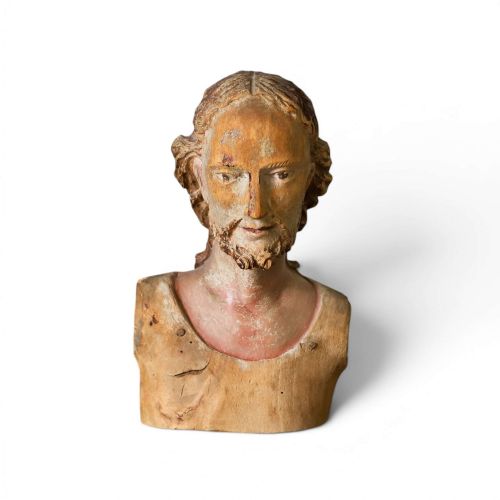
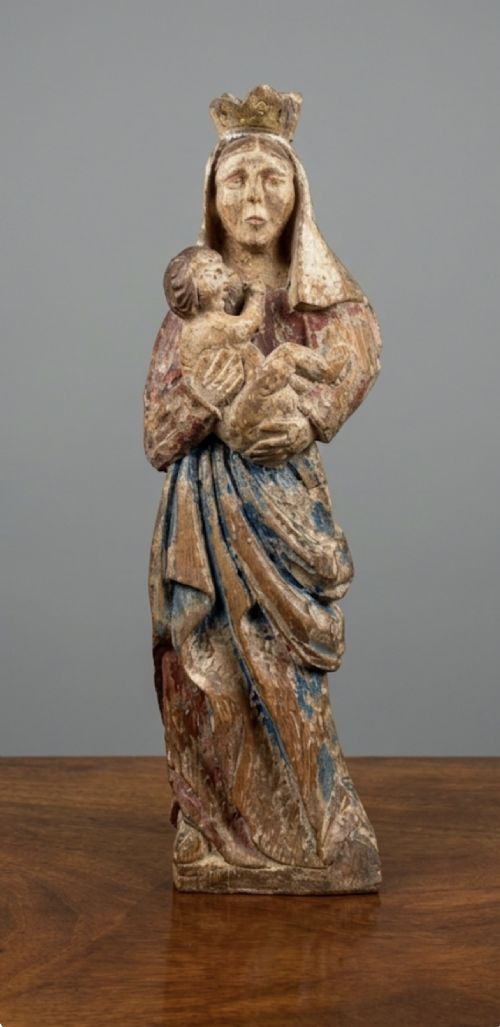
When you search for 18th century wooden sculpture, you encounter a diverse array of devotional objects, architectural salvage and decorative furnishings spanning the 17th to the 19th centuries. The selections commonly include saints, putti, heraldic animals, classical busts and architectural elements such as pedestals and console tables.
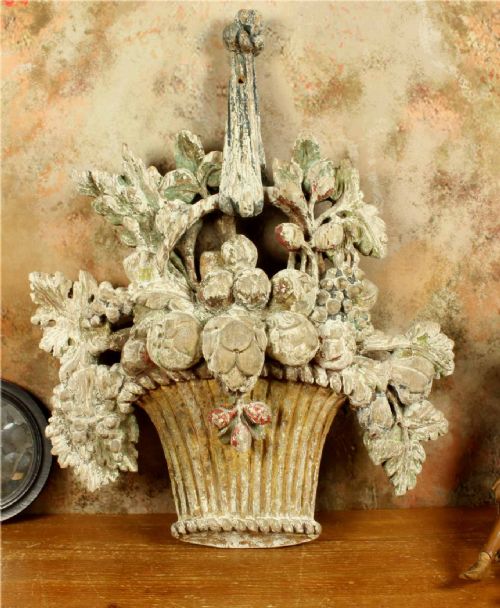
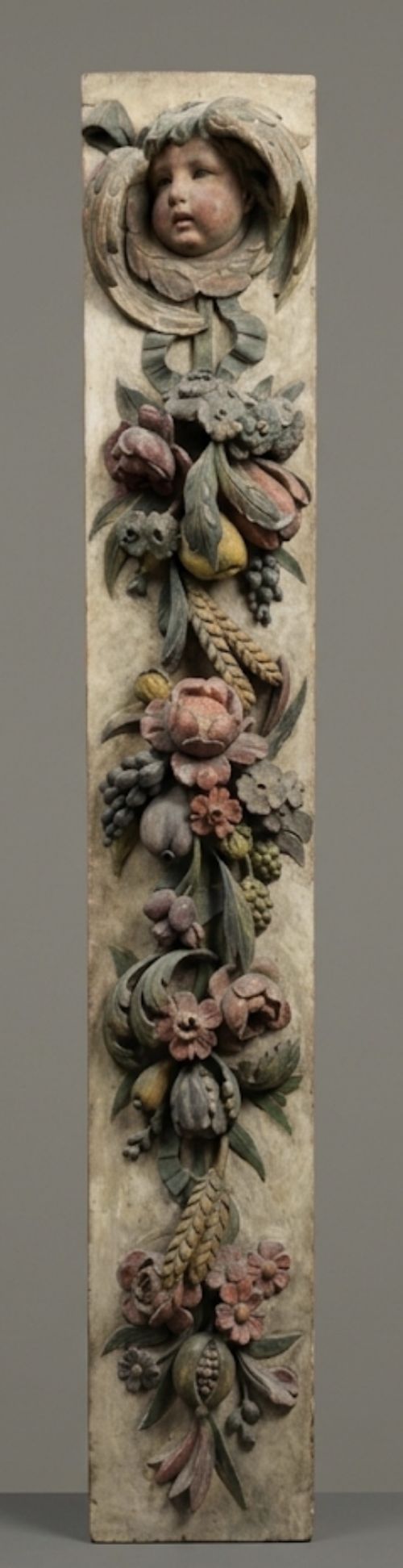
Religious figures originating from Italy, Spain and Germany dominate the offerings, often rendered with expressive faces and dynamic drapery characteristic of Baroque and Neoclassical movements. Alongside these devotional carvings appear secular decorative pieces, including floral wall panels, furniture fragments and naive folk art carvings like toy horses.
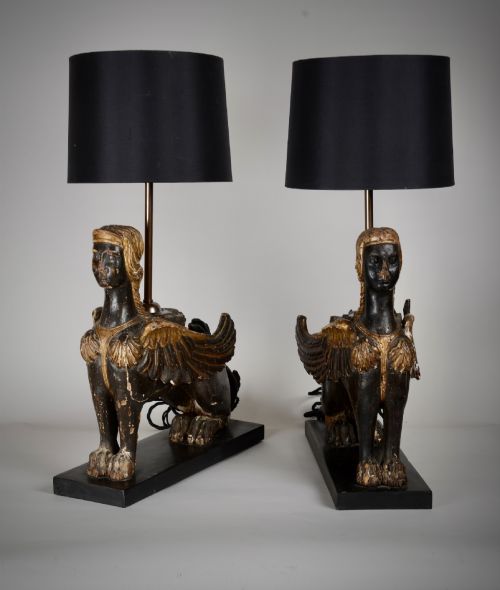
The objects take many functional forms, functioning variously as standalone statues, wall-mounted reliefs, church lecterns, torchiere bases and lamp conversions. Continental workshops produced these works in a range of scales, from intimate boxwood heads to life-sized figures intended for churches and grand interiors.
Materials and carving techniques
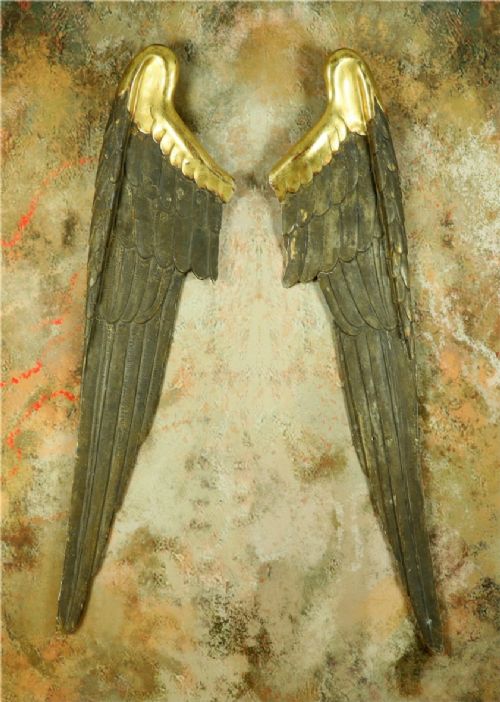
Carvers shaped these pieces from dense native timbers including oak, walnut, elm, lime wood and olive wood, selecting each material for its grain and workability. Craftsmen frequently applied gesso surfaces over the timber to create a smooth base for subsequent gilding with gold leaf or detailing with polychrome paint.
The inventory spans the 17th, 18th and 19th centuries, incorporating styles from Italian Baroque and Spanish Baroque to folk art and Neoclassical.
Factors that separate examples
The distinction between standard decorative objects and exceptional works lies in the anatomical precision of the carving and the preservation of original polychrome or gilded surfaces. Master carvers achieved fluid movement in garments and expressive depth in human faces that lesser artisans missed.
Original surface integrity significantly influences an example, as later repainting or stripped finishes alter the historical character. Pieces retaining their authentic gesso, gold leaf or early paint layers display greater depth of texture and period authenticity.
Simon Troger
The 18th Century Wooden Sculpture Glossary
- Polychrome paint
- Pigments applied to the surface of a sculpture to render lifelike colours on skin, hair and garments. This technique was particularly common on religious figures.
- Gesso
- A plaster-like mixture applied to wood as a preparatory layer for gilding or painting. It provides a smooth surface that catches fine detail.
- Torchiere
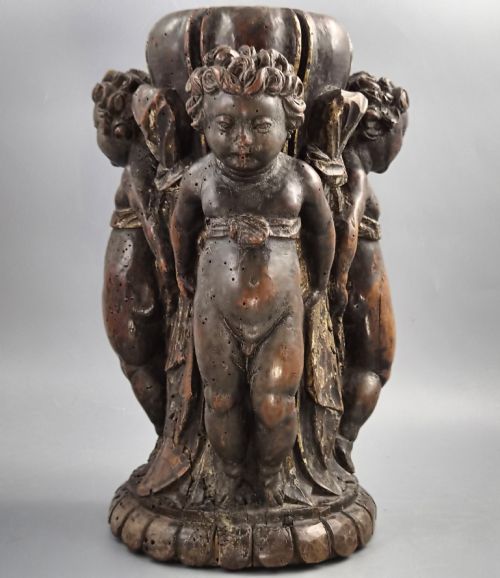
- A tall stand or pedestal base designed to support a candle or light source. These are frequently carved with figurative elements like putti.
- Putti
- Depictions of plump, winged infant spirits common in Baroque art. They appear frequently supporting ecclesiastical furnishings or architectural elements.
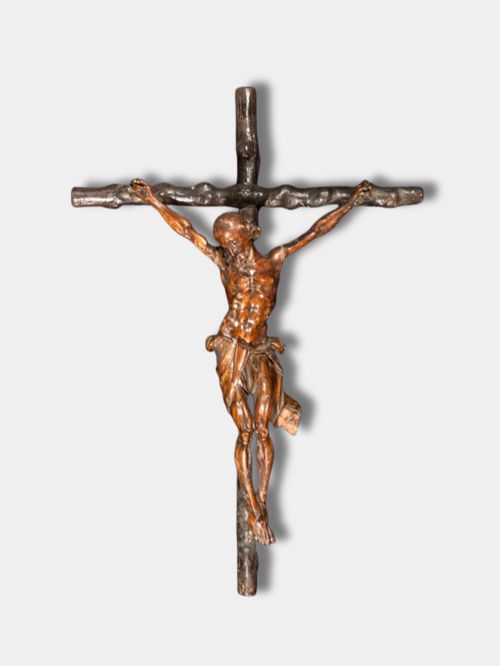
- Corpus Christi
- A representation of the body of Jesus Christ on the cross. These wooden figures range from small devotional carvings to substantial church altarpiece elements.
18th Century Wooden Sculpture: Frequently Asked Questions
How were these wooden sculptures used originally?
Many of these pieces served devotional purposes in churches and private chapels, functioning as altarpieces, crucifixes and processional figures of saints. Other items fulfilled secular roles as architectural ornaments, console tables, lecterns and decorative wall panels in grand residences.
Over time, many ecclesiastical objects transitioned into domestic decorative contexts. Church fragments and architectural salvage were repurposed as standalone display pieces or converted into household furnishings.
How do I care for an antique wood sculpture?
Keep wooden carvings away from direct sunlight, heating vents and damp areas to prevent the timber from splitting or warping. Dust gently with a dry, soft brush rather than using chemical polishes.
For pieces with gesso, gold leaf or polychrome paint, avoid moisture entirely. Professional conservation advice should be sought before attempting any surface cleaning.
How do I distinguish Baroque styles from Neoclassical pieces?
Baroque sculptures typically display dramatic movement, deep undercutting in drapery, and emotional intensity in facial expressions. Putti, swirling clouds and ornate asymmetry are common hallmarks.
Neoclassical works favour restraint, symmetry and classical antiquity references, drawing inspiration from ancient Greek and Roman forms. The carved figures appear more balanced and serene with controlled, predictable drapery.
What is the difference between polychrome and gilded finishes?
Polychrome finishes involve the application of various coloured paints to depict realistic skin tones, hair and clothing on figures. This technique brings a lifelike presence to saints and putti.
Gilded finishes utilise thin sheets of gold leaf applied over gesso to create a reflective, luminous surface. This method was favoured to highlight divine status and catch candlelight in dimly lit interiors.