


18th Century Wooden Doors
These 18th century wooden doors and associated architectural panels offer genuine period character and solid timber construction for period interiors.
18th Century Wooden Doors
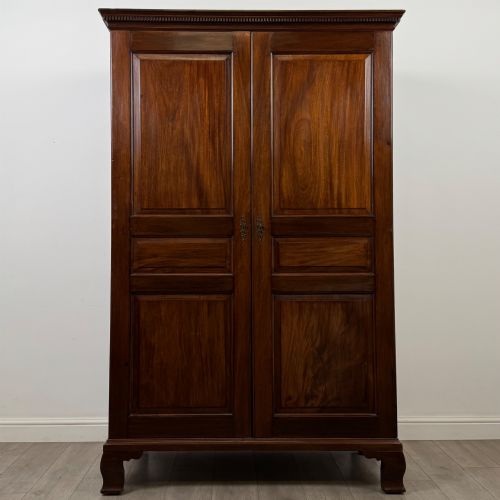
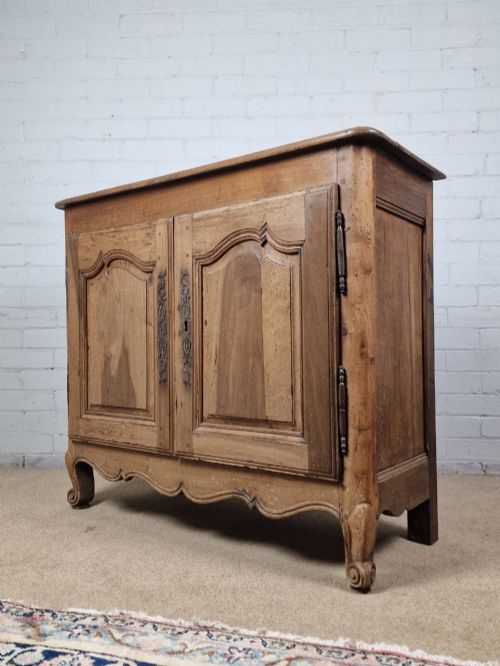
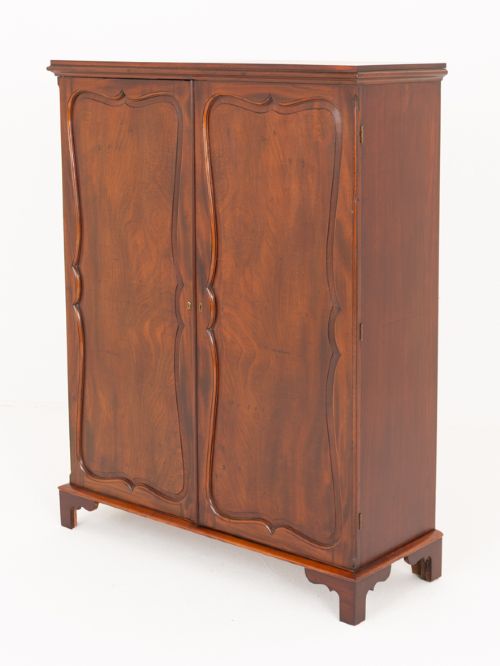
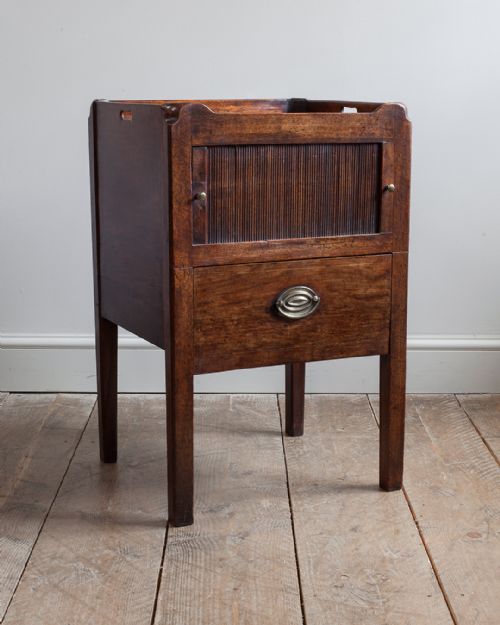
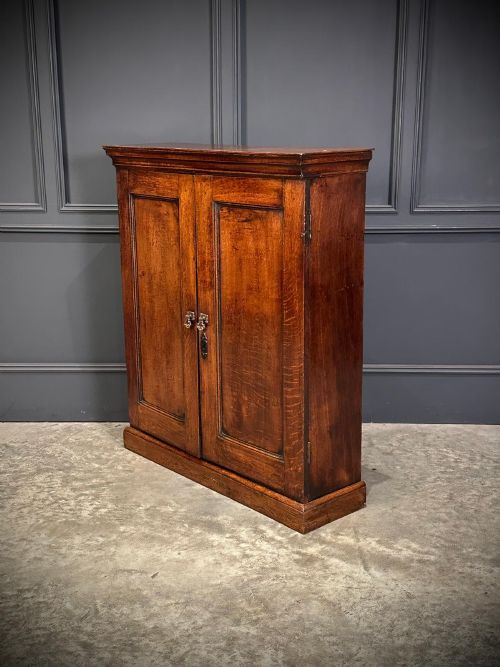
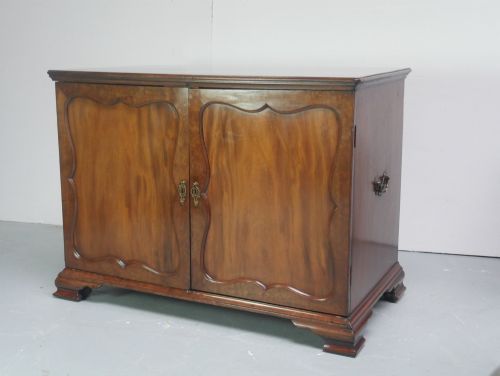
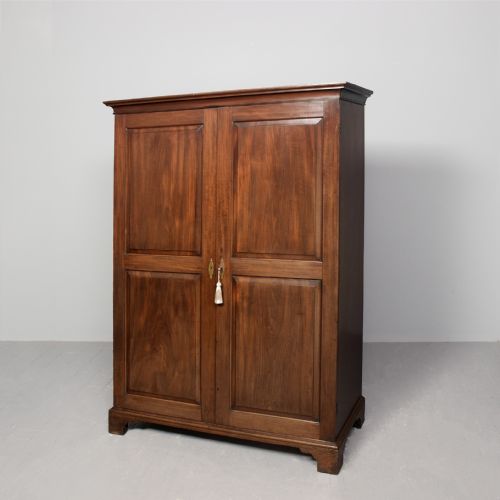
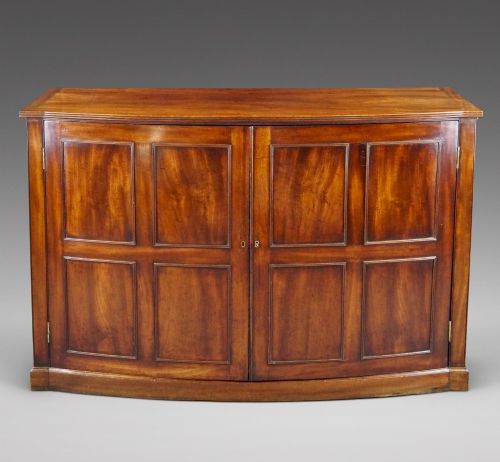
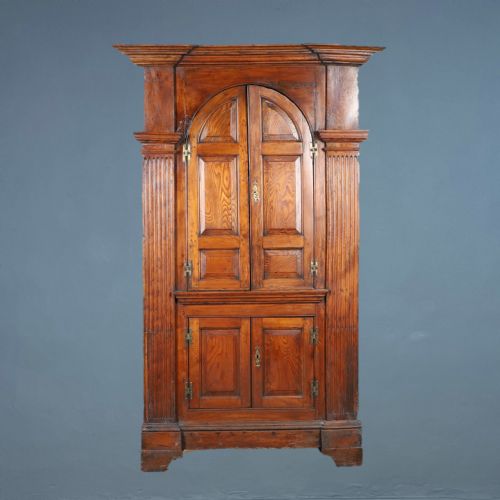
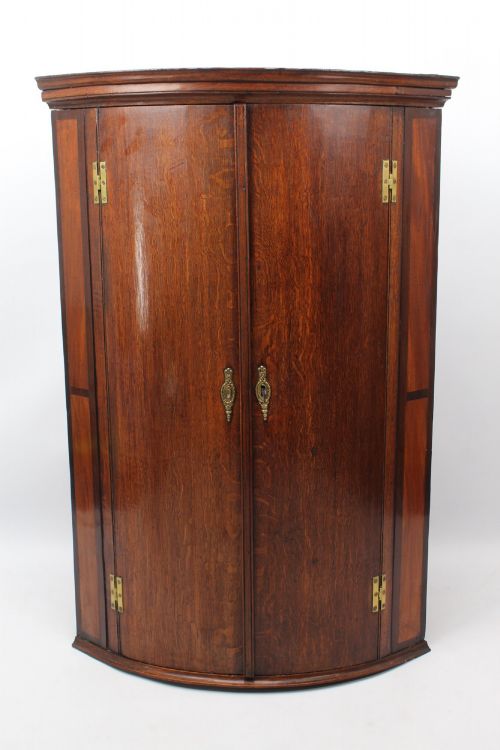
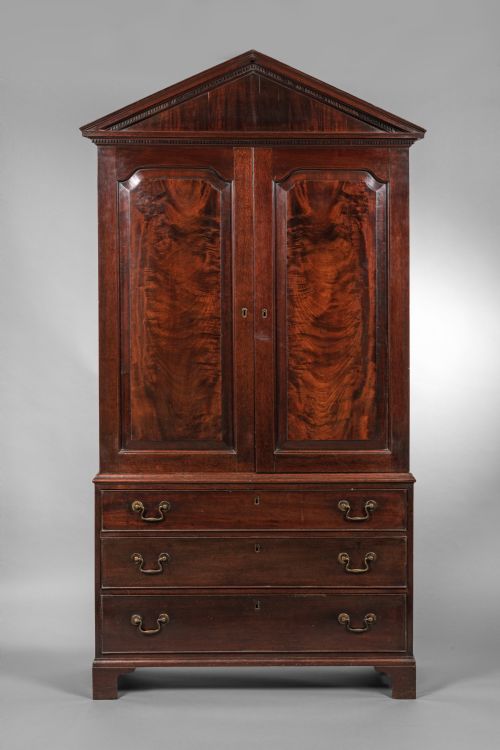
When searching for 18th century wooden doors, buyers encounter architectural elements, cupboard doors, and panelled fragments originating from Georgian and continental workshops. These pieces include specific items such as Italian panelled doors, overdoor painted panels, and cupboard doors framed for reuse.
The selection on this page reflects the broader material culture of the period, spanning oak, walnut, and mahogany cabinetry alongside dedicated architectural fragments. Buyers find both standalone architectural elements and complete doors that once formed part of larger interior schemes.
Materials and construction methods
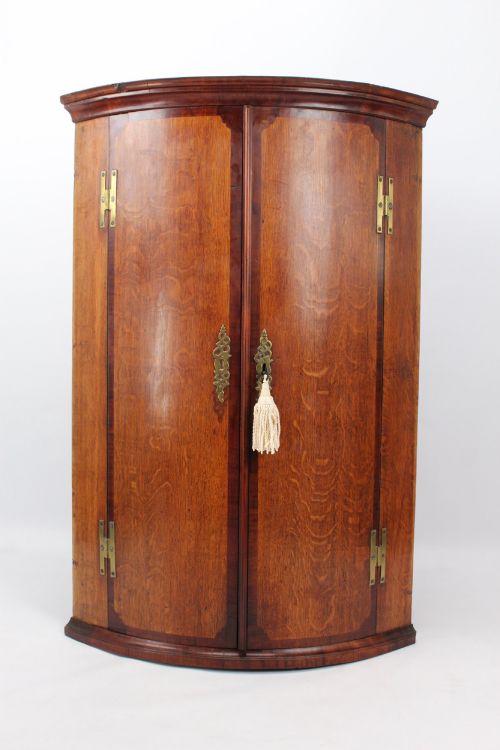
Makers utilised dense hardwoods such as oak, walnut, mahogany, elm, and cherrywood, often reinforced with iron hinges and brass fittings. Timber selection depended on regional availability and the intended function of the cabinetry or architectural joinery.
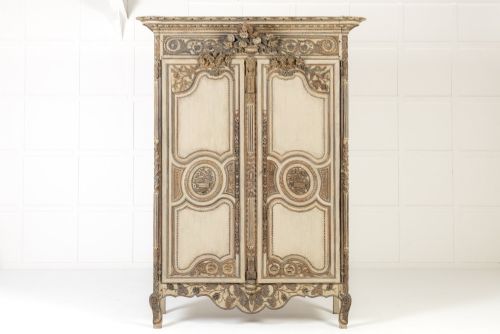
Construction relied on traditional frame and panel techniques to allow timber to expand and contract with seasonal humidity changes. Surfaces were finished with polished waxes or painted decoration, as seen in period panels and armoires.
Listings feature items from the 18th Century, Georgian, and Regency periods, constructed from oak, mahogany, walnut, elm, and cherrywood.
Factors determining quality
Quality depends upon the grade of timber selected and the precision of the joinery used in the panels and frames. Denser hardwoods and well-preserved original brass or iron hardware elevate an individual piece.
The integrity of the original surface finish, whether polished mahogany or painted walnut, influences the character of each item. Survival of original frames and hinges further distinguishes superior examples from heavily altered pieces.
The 18th Century Wooden Doors Glossary
- Georgian
- The architectural and decorative style spanning the reigns of the first four British monarchs named George, known for classical proportions and mahogany or oak construction.
- Armoire
- A large wardrobe or cupboard used for storing clothing, typically featuring two doors and constructed from oak, walnut, or cherrywood.
- Panel
- A flat piece of wood set within a surrounding frame, utilised in doors and cabinetry to prevent warping.
- Overdoor
- An architectural painting or panel positioned above a doorway, often decorated with heraldic or pastoral scenes.
- Corner cupboard
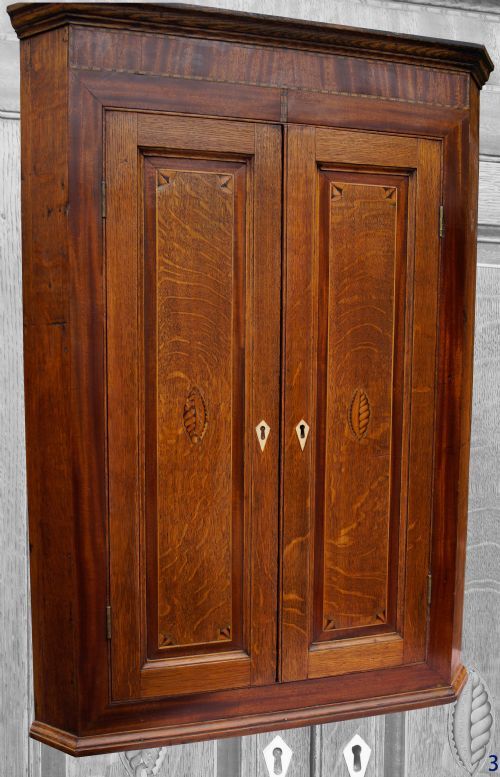
- A cabinet designed specifically to fit into the corner of a room, produced in both hanging and standing formats.
18th Century Wooden Doors: Frequently Asked Questions
How do I date these doors?
Dating relies on timber species, construction joints, and decorative motifs typical of the Georgian and 18th-century periods. Hardware such as iron locks and brass hinges also provides chronological clues.
Examining the backboards and panel construction helps determine whether a piece belongs to the 1750 period or later nineteenth-century adaptations.
What woods were commonly used?
Makers predominantly worked in oak, mahogany, walnut, elm, and cherrywood depending on the region of origin. British pieces frequently utilise oak and mahogany, while continental examples often feature walnut and cherry.
Access to specific forests dictated local cabinet-making traditions across Britain and Europe.
How should I maintain the timber?
Keep wooden surfaces away from direct heat sources and dramatic humidity fluctuations to prevent the timber from splitting. Apply appropriate beeswax periodically to nourish the grain.
Avoid modern silicone polishes that can build up and damage the historic finish over time.