

18th Century Wooden Armchair
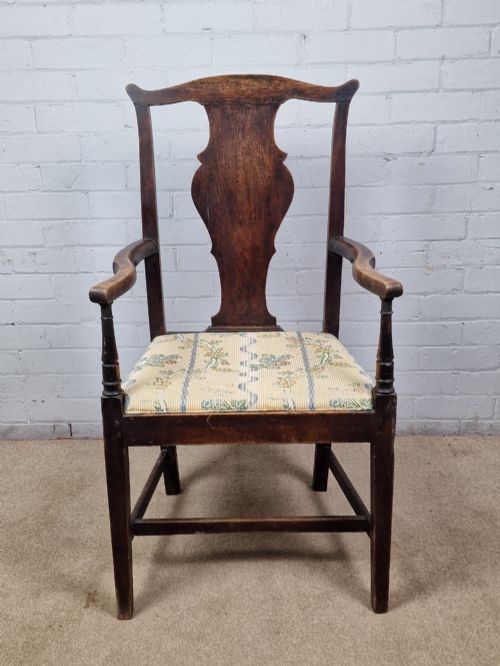
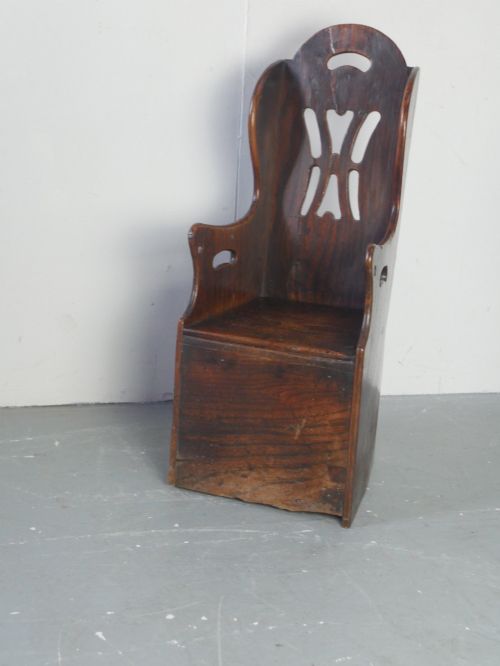
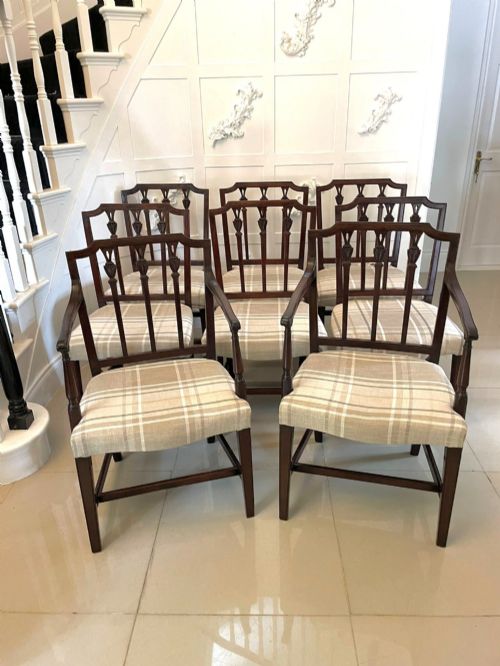
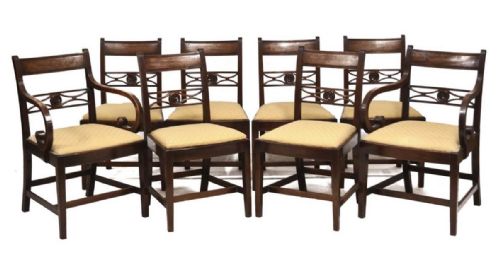
An 18th century wooden armchair offers tactile timber and vernacular design that anchors a room with quiet presence.
18th Century Wooden Armchair
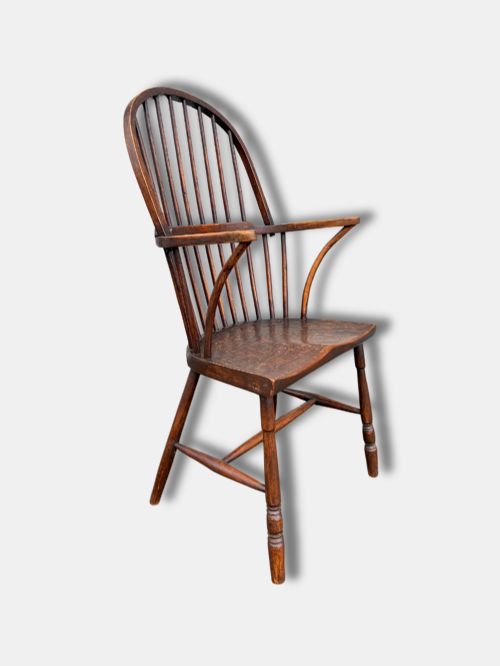
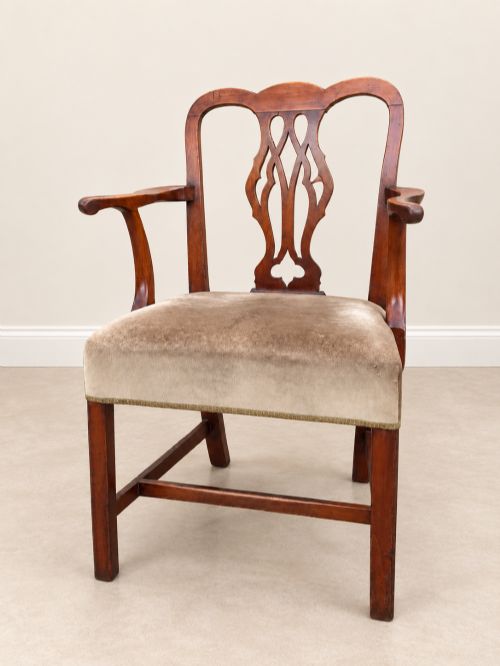
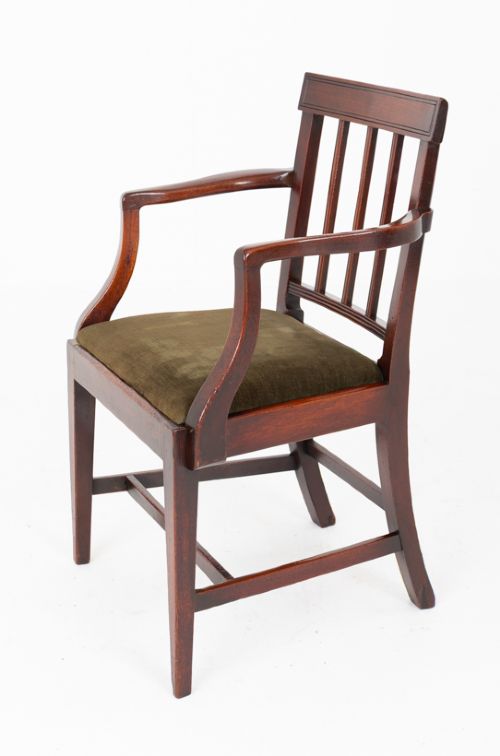
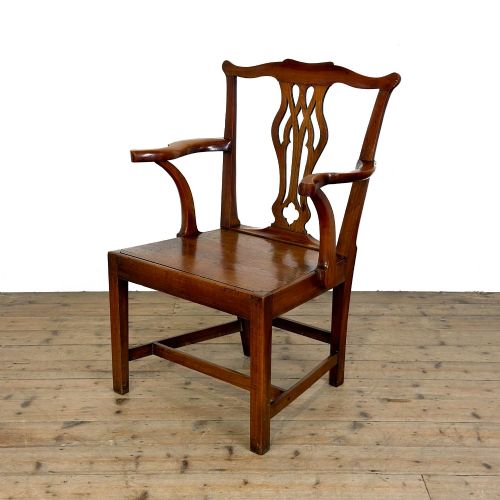
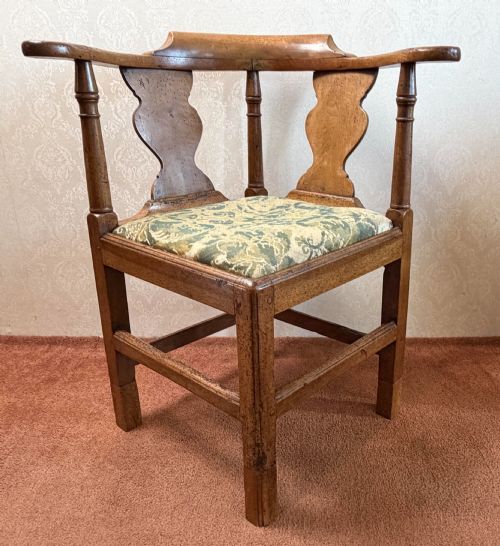
When you search for an 18th century wooden armchair, you encounter seating built during the Georgian era, incorporating styles from country vernacular to formal Chippendale design. The selections span sturdy regional Windsor chairs in ash and elm, substantial oak wainscot forms, and refined mahogany dining and open armchairs.
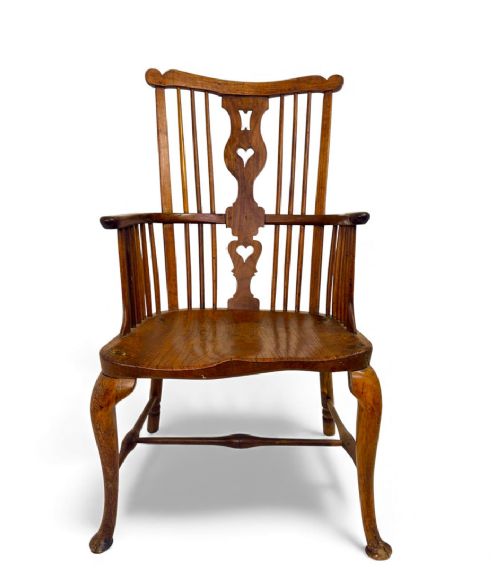
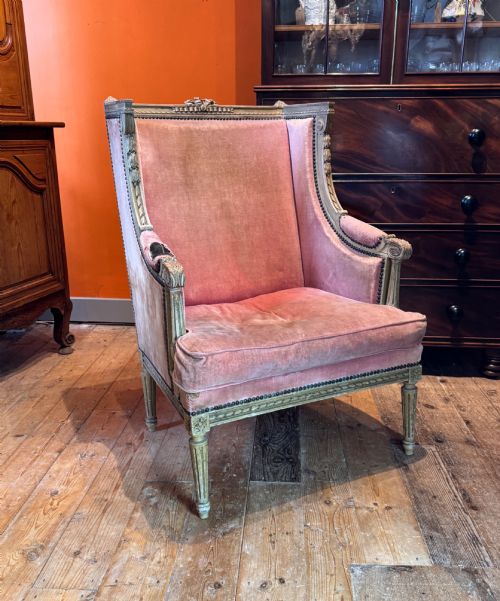
The pieces you meet on this page range from modest provincial children's chairs and comb-back windsor types to walnut dining seating and French Louis period arrivals. Many examples derive from English country workshops, whilst others reflect urban cabinet makers working in mahogany and walnut.
Materials and construction
Cabinet makers and vernacular craftsmen utilised native timbers including elm, ash, oak, fruitwood, yew and mahogany. Solid construction relies on traditional joinery, with Windsor variants combining turned undercarriages and bentwood components.
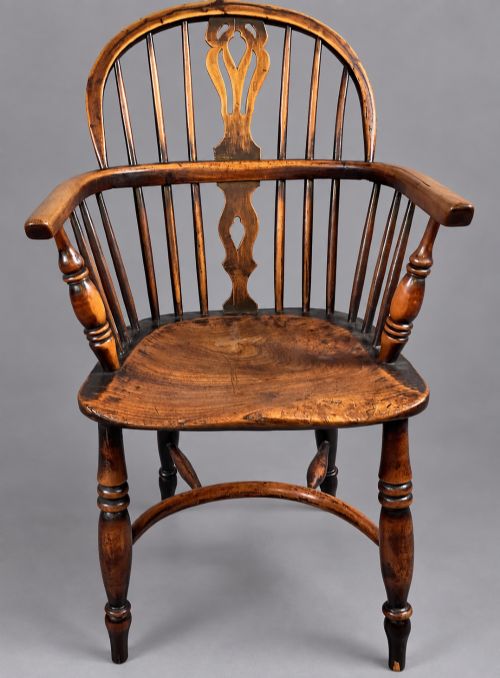
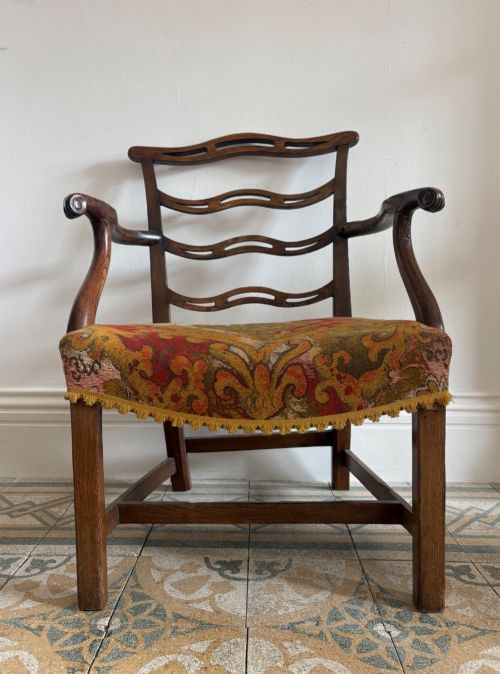
Seats often feature exposed timber, sometimes shaped from a single solid plank of elm, or incorporate upholstered pads covered in tapestry or fabric. Regional variations dictate whether a maker turned to local hedgerow woods or imported hardwoods.
Listings feature woods such as elm, ash, oak, mahogany, walnut, yew and fruitwood across the eighteenth and nineteenth centuries.
Judging timber and design
Quality rests in the selection and figuring of the timber, alongside the crispness of carved details such as ladderbacks or splats. A well-proportioned frame retains its original structural integrity without excessive replacement timber.
Regional windsor chairs show distinction in the turning of the spindles and the comfort of the hoop-back, whilst formal mahogany armchairs reveal refinement in the shaping of the arms and legs.
Gillows
The 18th Century Wooden Armchair Glossary
- Windsor chair
- A chair built with a solid wooden seat into which the legs and back sticks are separately inserted. These vernacular seats often combine elm for the seat and ash for the bow.
- Comb back
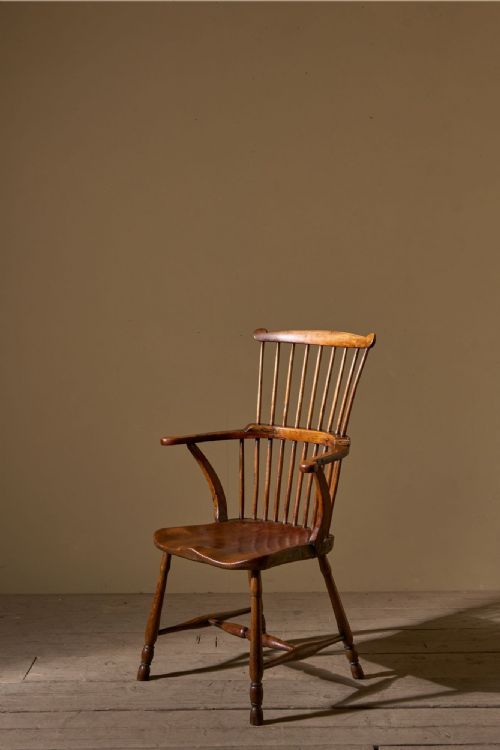
- A chair back featuring vertical spindles rising through a low horizontal crest rail that resembles the teeth of a comb. This regional form appears frequently in eighteenth century provincial seating.
- Wainscot armchair
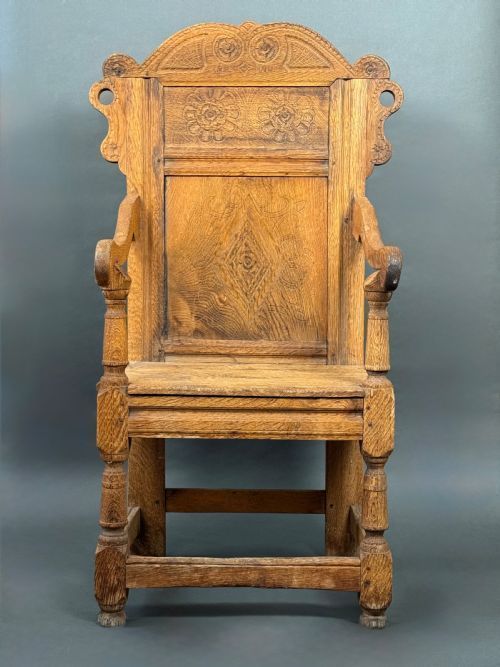
- A heavy, solid oak armchair from an earlier tradition, featuring panelled backs and substantial arm supports. These pieces represent high status domestic seating before lighter timber designs gained favour.
- Chippendale style
- Furniture produced in the manner of Thomas Chippendale and his contemporaries, characterised by carved ribbon-backs and distinct fretwork. These mahogany and fruitwood chairs defined formal eighteenth century fashion.
- Settle
- A wooden bench with a high solid back and arms, designed to block draughts in period interiors. Smaller examples serve as seating alongside standard armchairs.
18th Century Wooden Armchair: Frequently Asked Questions
How do I care for an old wooden armchair?
Feed dry timber with traditional beeswax to maintain the lustre of the grain. Avoid placing antique seating near direct heat sources or in fluctuating humidity.
Protect upholstered elements from prolonged direct sunlight to preserve textiles and original tapestry seats.
Are these chairs suitable for daily use?
Many solid hardwood armchairs remain entirely sturdy for everyday sitting. Vernacular windsor and country chairs were built for durability and handle regular domestic life well.
Delicate carved mahogany or giltwood examples require more mindful placement and gentler handling than robust country elm or oak.
What is a comb back armchair?
A comb back is a specific regional windsor variant where the vertical spindles extend upward to form a crest rail. This design provided comfortable support in eighteenth century farmhouses and cottages.
Makers typically fashioned the bent bow from ash and the contoured seat from solid elm.
How can I tell a provincial chair from a formal one?
Provincial chairs utilise local woods like ash, elm and fruitwood, focusing on comfort and sturdy turned construction. They often lack elaborate carving in favour of practical vernacular shapes.
Formal pieces employ imported mahogany or walnut, displaying refined carving, cabriole legs and stylistic influences associated with cabinet makers of the Georgian period.