




18th Century Oak Desk Chair
An 18th century oak desk chair offers sturdy construction and rich patination, making it a practical and handsome addition to any study.
18th Century Oak Desk Chair
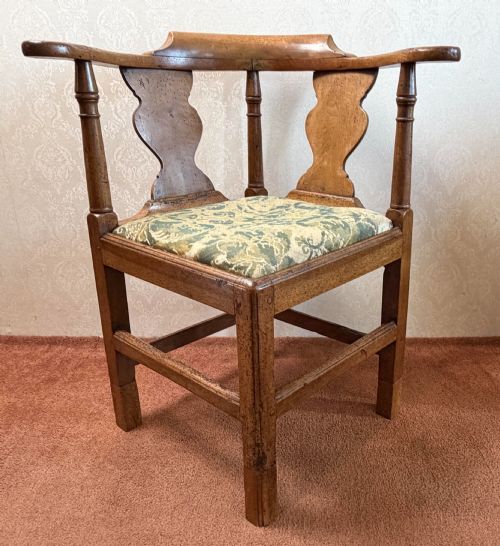
An 18th century oak desk chair encompasses robust seating forms produced primarily during the Georgian era, ranging from simple side chairs to expansive armchairs and corner seats. Buyers seeking an 18th century oak desk chair will encounter regional variations, including Welsh vernacular pieces and North Country designs.
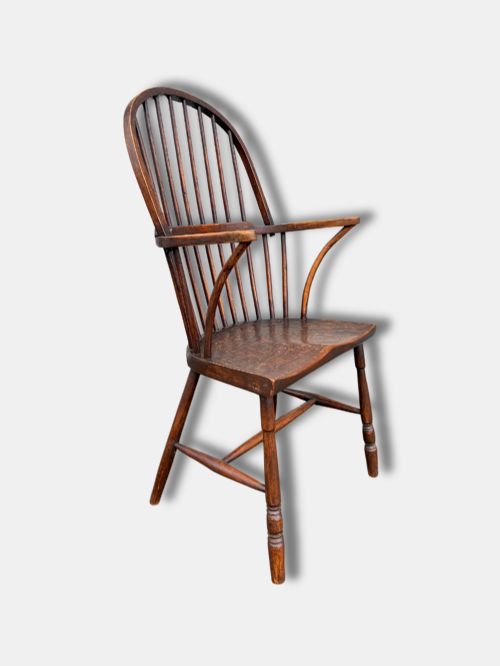
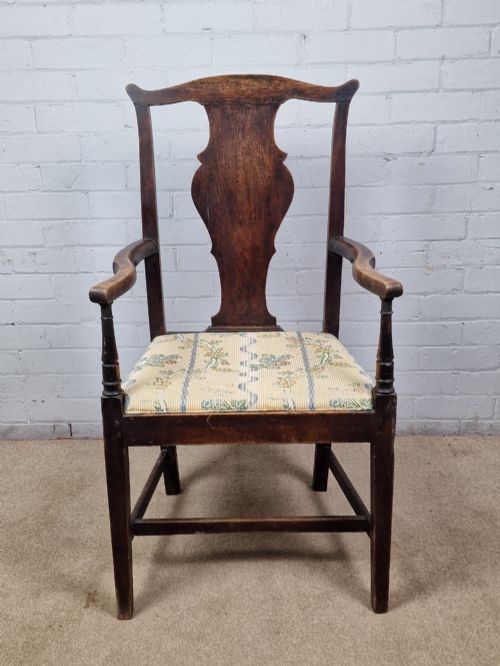
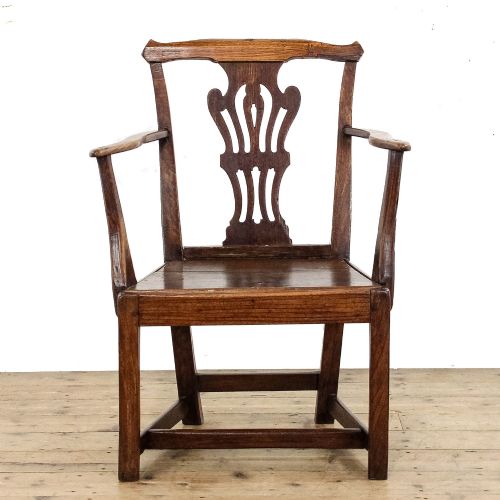
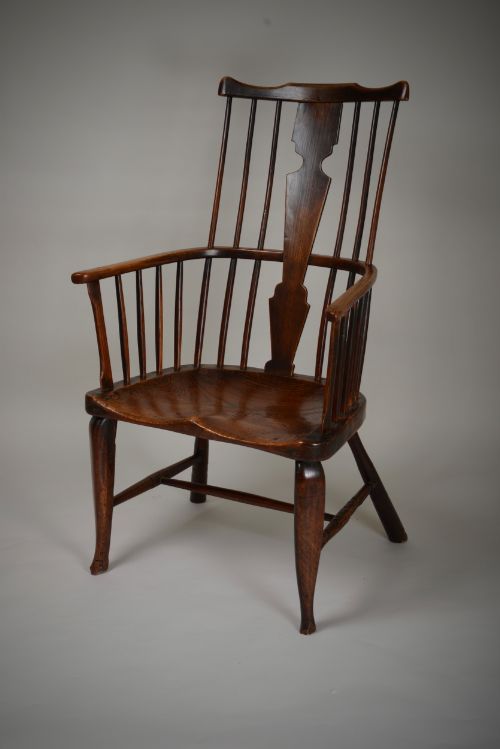
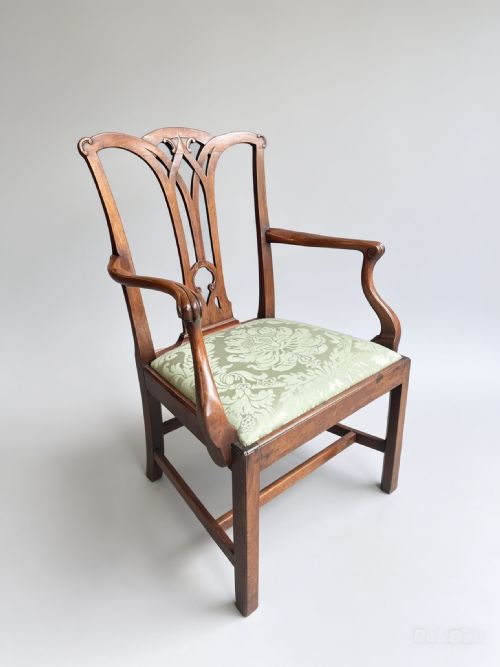
The selection includes Windsor models with comb backs and stick backs, alongside Chippendale design armchairs and rush-seated variants. Elm, ash, and fruitwood frequently appear alongside primary oak structures, reflecting traditional provincial joinery.
These pieces bridge the gap between utilitarian country furniture and refined Georgian style, utilising timber selected for durability and character. Most examples date from the middle to late 1700s, though occasional pieces stretch into the early 19th century.
How they were made
Cabinetmakers and country joiners utilised solid oak for frames, combining it with secondary timbers like elm, ash, and yew for seats and spindles. Construction relied on traditional mortise and tenon joints, pegged frames, and turned components.
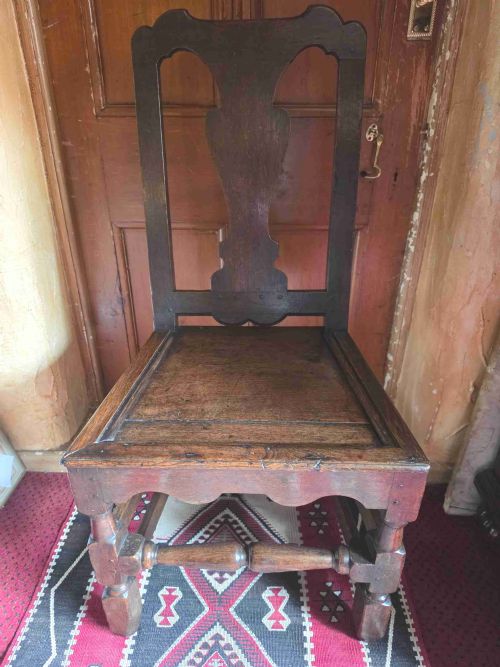
Seats were shaped from solid timber planks or fitted with rush seating, while select models featured upholstered pads in fabrics such as Zoffany. Surface finishes developed through decades of waxing and handling, preserving the natural grain of the wood.
Listings feature oak alongside elm, ash, yew wood, and fruitwood, spanning the Georgian period and the 17th to 19th centuries.
What varies in quality
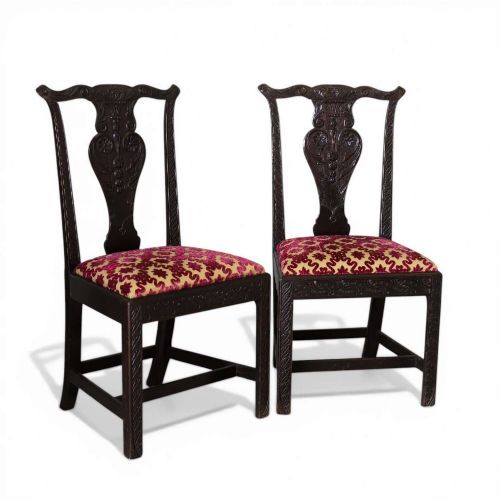
The distinction between standard provincial seating and exceptional pieces rests in the crispness of carved details, such as pierced splats and fiddle backs, and the harmonious integration of mixed timbers. Better examples exhibit balanced proportions, sturdy leg junctions, and minimal timber replacement.
Surface patination and originality of components dictate desirability, with untouched timber surfaces commanding greater respect than heavily refinished frames. Structural integrity in the joints and the retention of rush or early upholstery further separate ordinary utility chairs from finer country house examples.
The 18th Century Oak Desk Chair Glossary
- Corner chair
- A seating form designed to fit into room angles, featuring a continuous curved armrest supported by turned columns and a central leg at the front.
- Comb back Windsor
- A wooden armchair featuring vertical spindles that extend through a bentwood bow, topped by a low horizontal crest rail resembling a comb.
- Rush seat
- A woven seating surface made from dried marsh rushes, commonly found on traditional country chairs.
- Vernacular
- Furniture made by regional craftsmen following local traditions rather than metropolitan academic designs.
- Fiddle back
- A chair splat shaped like the body of a violin, typical of certain Georgian seating designs.
18th Century Oak Desk Chair: Frequently Asked Questions
How do I identify an 18th century oak desk chair?
Look for pegged mortise and tenon joints, hand-carved components, and deep natural patination on the timber. Regional traits in the turning and shaping often point to specific areas like Wales or the Thames Valley.
Examine the underside for tool marks and signs of age that confirm manual construction rather than machine production.
Are these chairs comfortable for daily use?
Many period examples offer surprisingly ergonomic support due to sculpted wooden seats and supportive bentwood backs. Adding a loose cushion can enhance comfort for modern working habits.
Ensure the height and arm clearances match your specific desk before regular daily placement.
How should I care for an oak and rush chair?
Maintain a stable room humidity to prevent the oak from splitting and the rush seating from becoming brittle. Feed the wooden surfaces occasionally with a traditional beeswax polish.
Avoid placing the chair near direct heat sources or strong sunlight that might fade the antique patination.