


18th Century Wine Cabinet
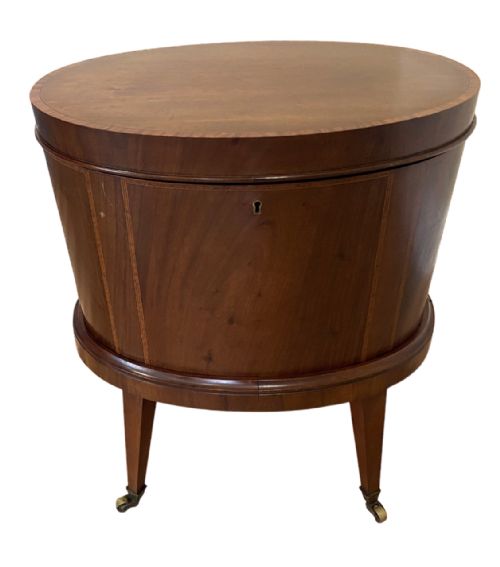
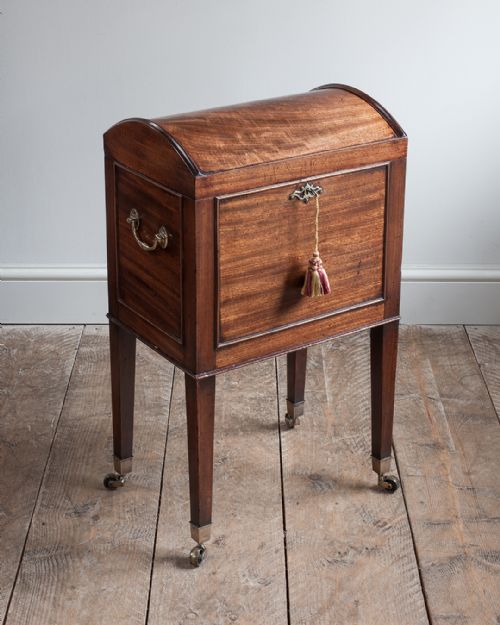
An 18th century wine cabinet, most commonly encountered here as a cellarette or wine cooler, holds bottles securely near the dining table.

18th Century Wine Cabinet
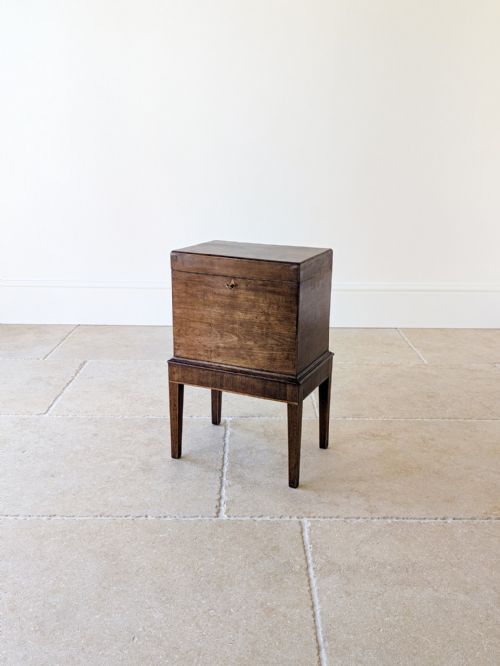
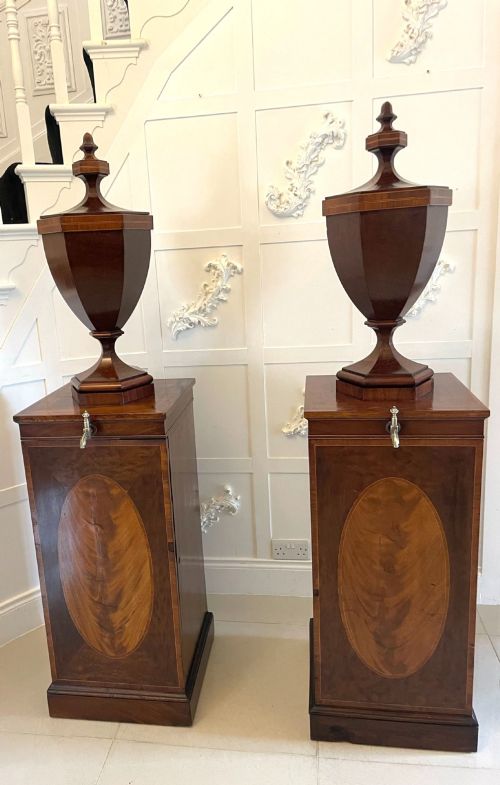
When you search for an 18th century wine cabinet, you encounter cellarettes, wine coolers and pedestal urns designed for formal dining rooms. These pieces served to store and cool wine before bottles moved directly to the table.
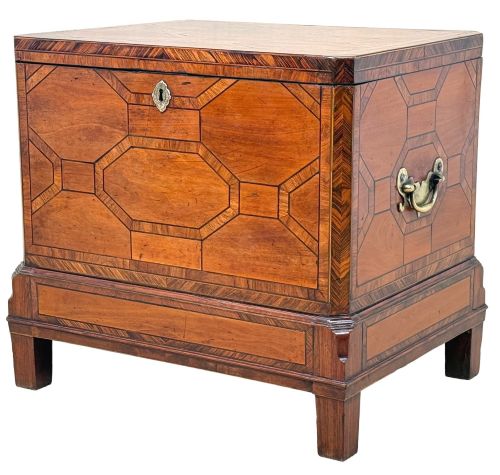
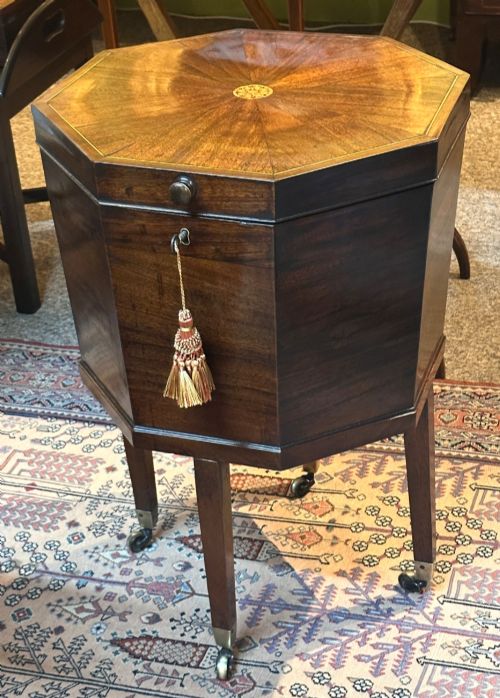
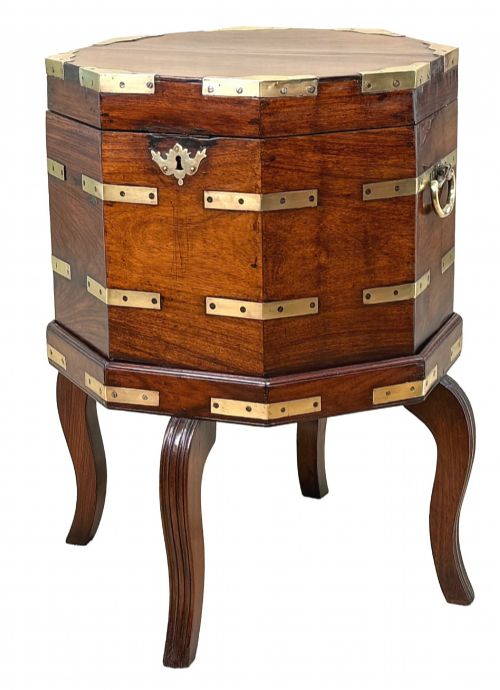
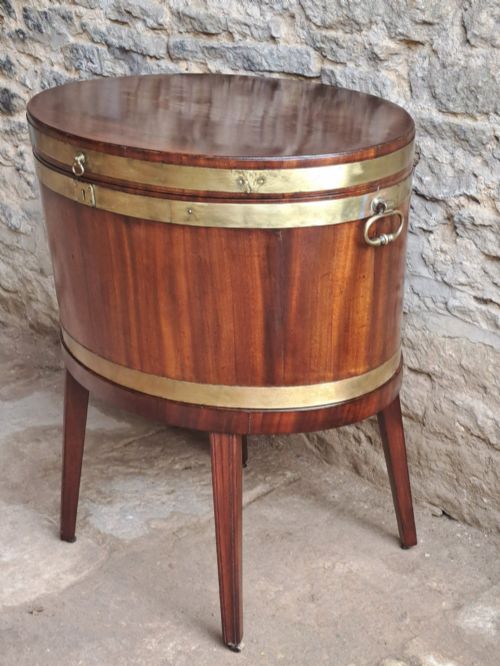
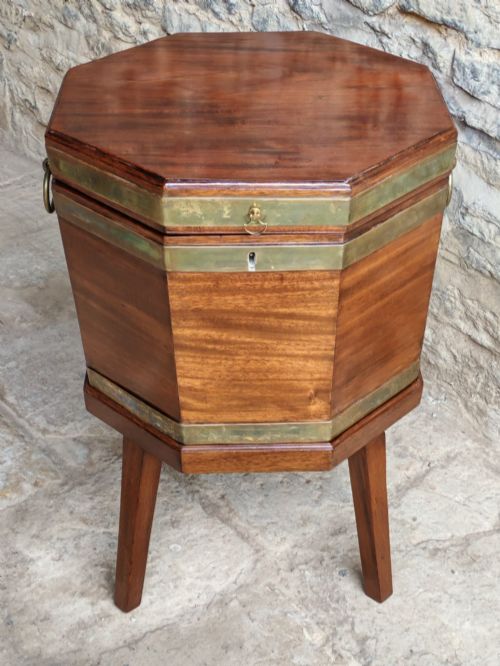
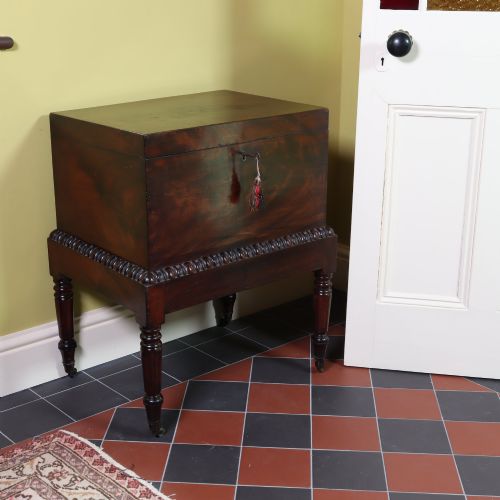
The selections on this page span the Georgian period, including George II and George III styles, alongside Anglo-Indian colonial pieces. Forms range from octagonal chests to oval vessels and metamorphic tables.
Mahogany predominates among these listings, often figured as flame grain or enhanced with satinwood, kingwood and boxwood inlay. Brass fittings such as bands and carrying handles appear frequently across the forms.
What varies in quality
Quality rests upon the selection of timber, seen in the choice of richly figured flame mahogany or finely contrasting satinwood and boxwood inlay. The crispness of carved mouldings and the integration of original brass fitments further distinguish the work.
Construction methods also separate standard production from finer pieces, evident in precise joinery on octagonal or oval bodies and the survival of internal lead or zinc linings.
Listings for this phrase feature pieces from the Georgian, George II, and George III periods, alongside 18th and 19th-century works.
The 18th Century Wine Cabinet Glossary
- Cellarette
- A lockable chest or box designed to hold wine bottles, usually kept beneath the sideboard or dining table. They often feature internal divisions to separate individual bottles.
- Wine Cooler
- A vessel used for chilling wine with ice, frequently taking the form of an octagonal wooden tub with brass bands or a pedestal urn. These pieces stood prominently in the dining room during formal meals.
- Flame Mahogany
- A veneer cut from the branch junction of a mahogany tree, producing a distinctive rippled flame pattern. Cabinetmakers prized this figure for the primary faces of high-status furniture.
- Pedestal and Urn
- A matched pair of architectural stands topped by urn-shaped vessels, used in grand dining rooms for storing wine and water. They date predominantly from the late eighteenth century.
- Metamorphic Furniture
- Pieces designed to transform into different objects, such as a cellarette table that conceals storage or serving surfaces within its frame. These clever designs gained popularity during the Georgian era.
18th Century Wine Cabinet: Frequently Asked Questions
What is an 18th century wine cabinet?
An 18th century wine cabinet is a specialised storage piece, typically referred to as a cellarette or wine cooler, designed to keep wine bottles secure and cool in the dining room.
These pieces range from octagonal mahogany chests to pedestal urns and metamorphic tables, reflecting the formal dining customs of the Georgian period.
How were these wine coolers used?
They were positioned near the dining table to hold wine bottles and chill them using ice placed inside metal linings.
Servants would retrieve bottles from the cellarette as needed during long meals, keeping the drink at the correct temperature without cluttering the main table.
What materials are most common?
Mahogany is the primary timber found in these pieces, often utilised in solid form or as highly figured flame veneer.
Cabinetmakers also incorporated satinwood, kingwood, pollard oak, and boxwood inlay, complemented by structural and decorative brass bands and handles.
How do I identify a George III piece?
George III pieces often display classical neoclassical influences, such as symmetrical boxwood inlay, tapered forms, and refined brass mountings.
The structural lines tend to be clean and architectural, utilising the rich grain of mahogany to decorative effect without excessive carving.
Can I use one as a regular cabinet?
Many people repurpose these pieces as side tables, drinks cabinets, or distinctive storage chests in modern living spaces.
Their compact proportions and rich timber surfaces allow them to function effectively alongside contemporary furniture while retaining their historic character.