

18th Century Walnut Secretary
An 18th century walnut secretary provides a stately writing workspace and concealed storage, prized for rich timber figures and traditional craftsmanship.

18th Century Walnut Secretary
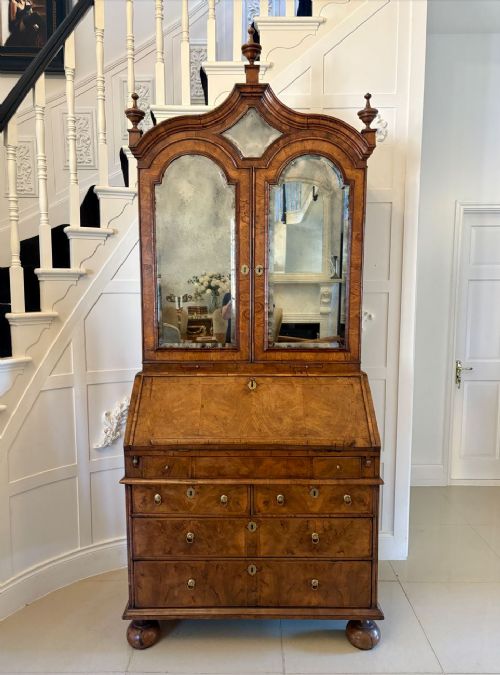
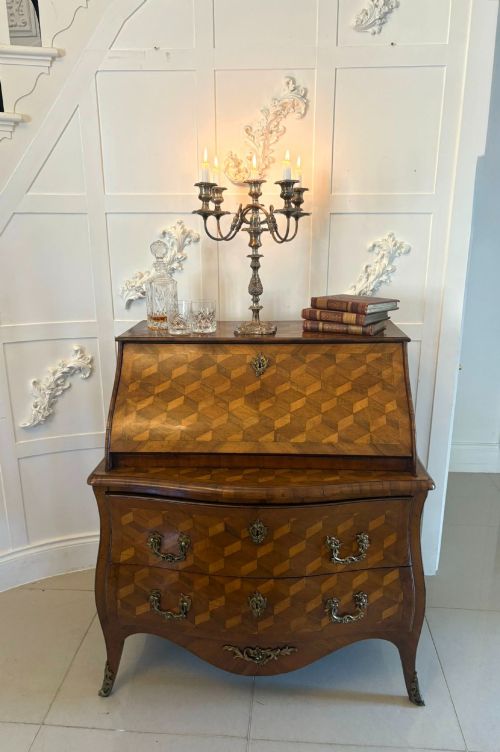
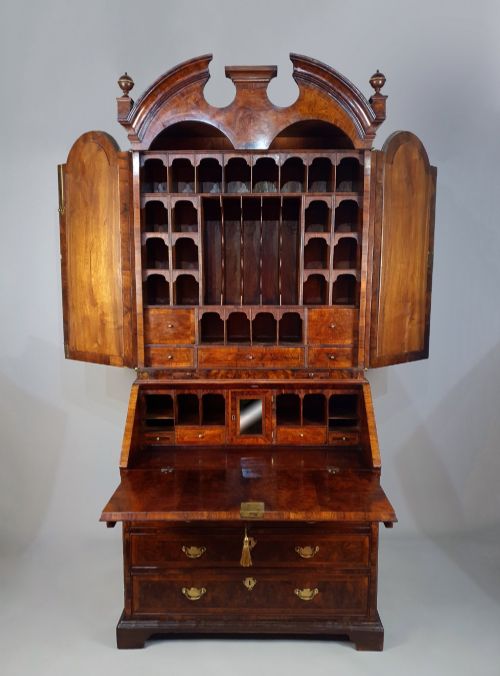
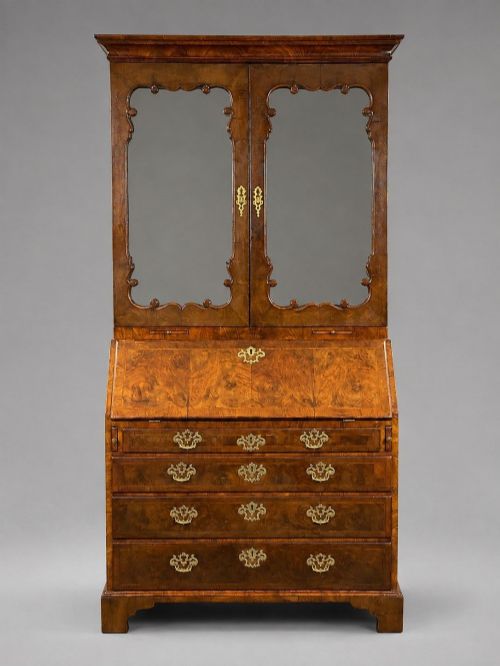
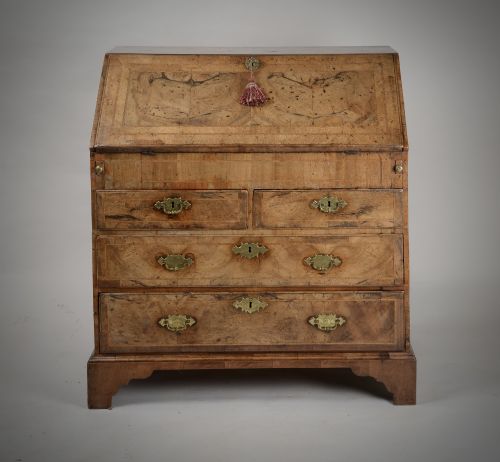
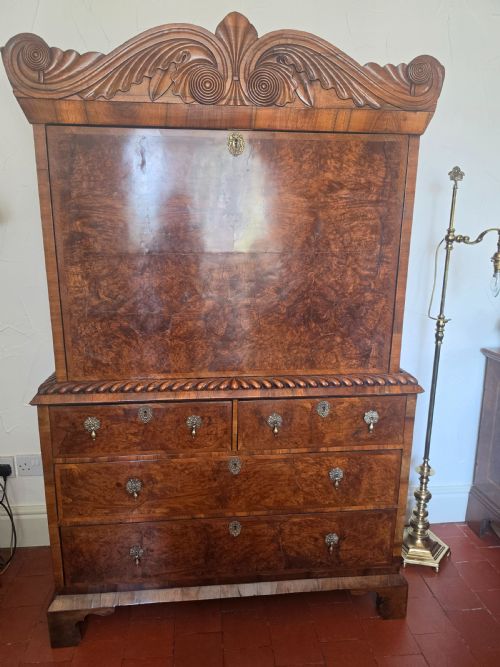
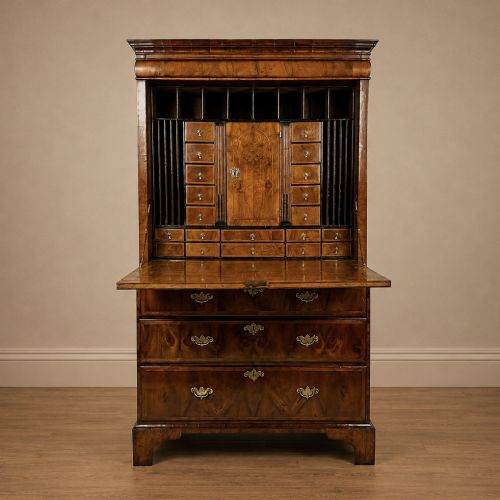
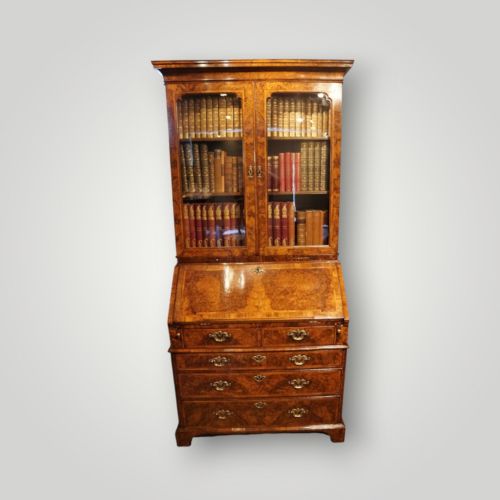
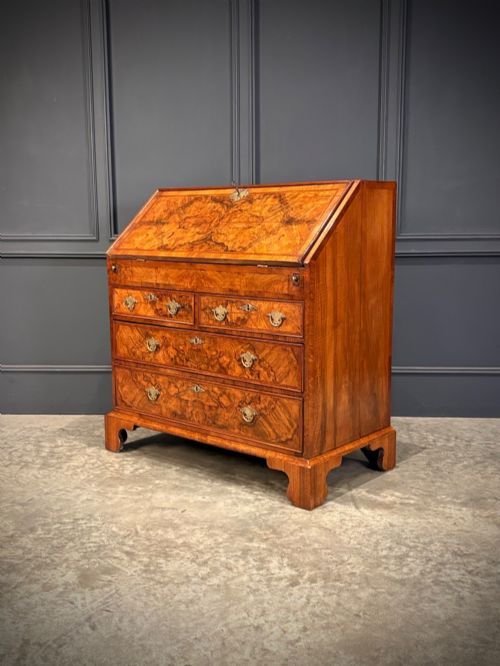
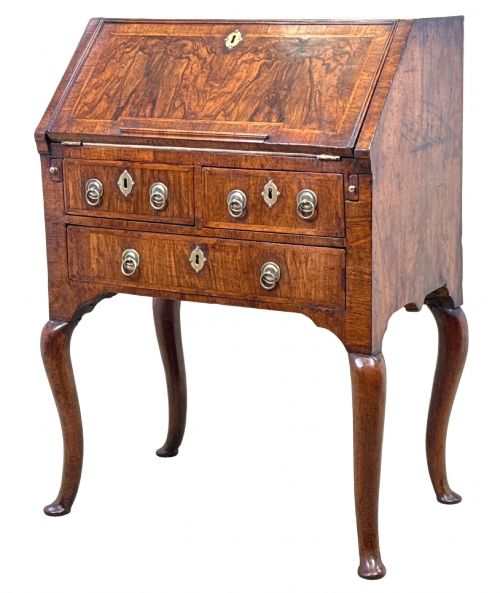
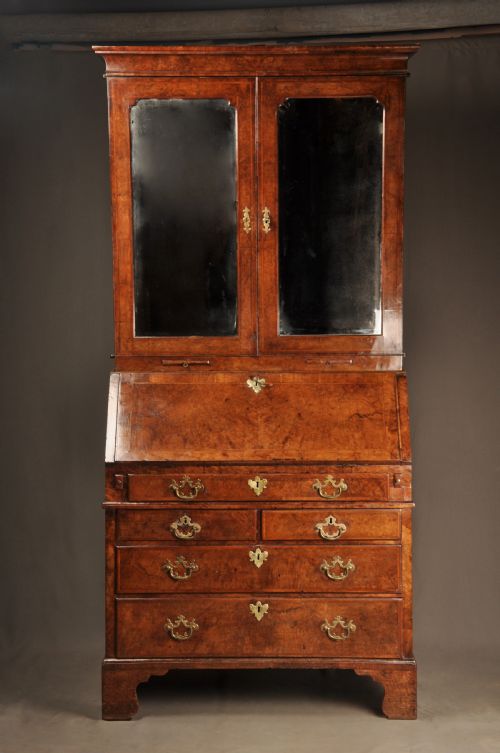
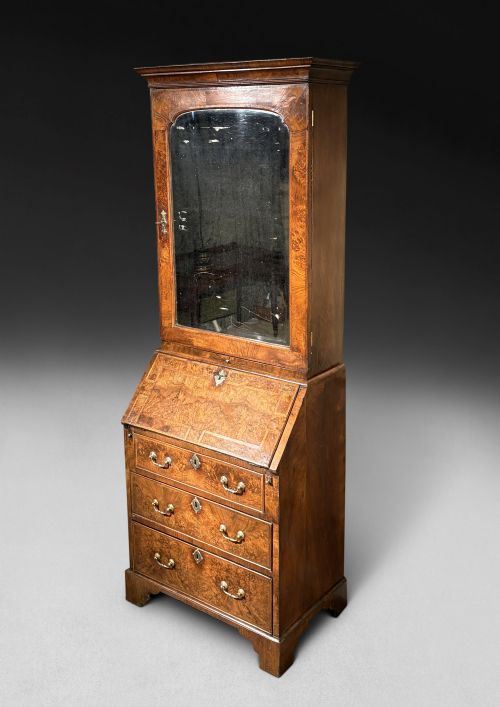
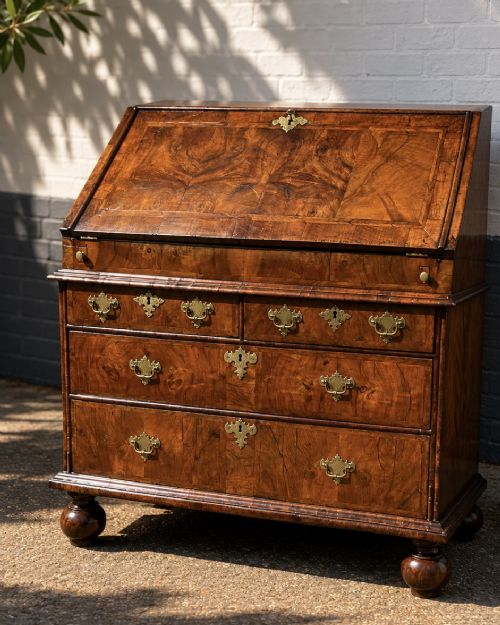
An 18th century walnut secretary encompasses fall-front desks, slope-front bureaux, and towering bureau bookcases designed for domestic correspondence and document storage. These pieces combine a writing surface with internal pigeonholes and drawers, often topped by glazed or panelled upper cabinet doors.
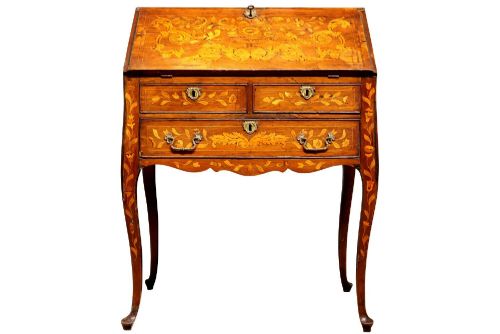
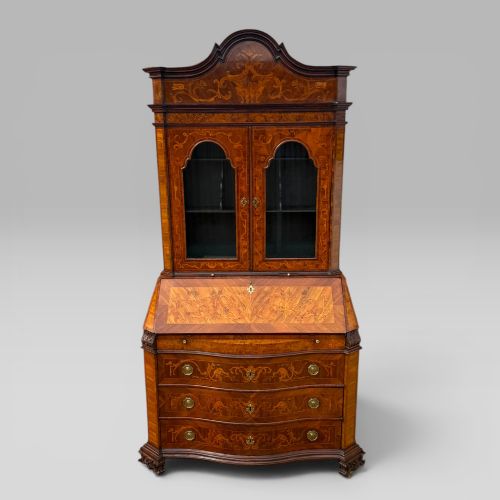
The selections span English, Dutch, and Italian origins, ranging from compact Queen Anne and George I examples to elaborate marquetry and bombé forms. Bureau bookcases and fall-front escritoires dominate the forms seen across the period.
Makers utilised native and continental walnut veneers, creating figured surfaces that define the aesthetic of the era. Buyers encounter bureau cabinets with fitted interiors, candle slides, and sectional construction designed for transport.
What varies in quality
The selection of timber grain largely determines the visual impact, with matched burr walnut and intricate floral marquetry representing the higher tier of cabinetmaking. Subtle details like featherbanding, crossbanding, and well-figured book-matched veneers separate standard examples from exceptional ones.
Structural complexity also dictates worth, ranging from simple slant-front desks on legs to large double-dome bureau bookcases with fully fitted architectural interiors. Original ironwork, patination, and intact glass panes preserve the historical integrity of the piece.
Secretaries frequently conceal hidden compartments behind sliding pigeonhole panels for storing currency and confidential letters.
The 18th Century Walnut Secretary Glossary
- Bureau bookcase
- A writing cabinet featuring a lower slope-front desk section combined with an upper enclosed shelving or display unit. These tall pieces often separate into distinct upper and lower sections for transport.
- Fall front
- A hinged writing flap that drops forward to reveal an internal arrangement of small drawers and pigeonholes. When closed, it conceals the working surface and writing supplies entirely.
- Burr walnut
- Timber taken from a growth deformity on the walnut tree, producing highly twisted, swirling grain patterns. Cabinetmakers sliced this wood into thin veneers for decorative drawer fronts and panels.
- Featherbanding
- A type of inlay formed by cutting thin strips of veneer across the grain at an angle and arranging them in a herringbone pattern. It typically frames larger veneered panels on drawer fronts.
- Escritoire
- A tall writing cabinet or desk, often featuring a fall-front writing surface above a series of lower drawers. The term derives from the French word for writing.
- Candle slide
- Pull-out wooden strips positioned beneath the upper doors of a bureau bookcase to support lighting during evening correspondence.
18th Century Walnut Secretary: Frequently Asked Questions
How do I distinguish walnut from oak?
Walnut displays a rich, warm brown tone with varied grain patterns and subtle dark figuring. Oak is generally paler, heavier, and characterised by prominent visible growth rings and medullary rays.
Cabinetmakers of this era often used oak for internal carcases and drawer linings while reserving walnut for external decorative veneers.
Where were these secretaries made?
These pieces originate from workshops across England, the Netherlands, Germany, and Italy. English examples often favour clean architectural lines and figured veneers.
Continental pieces frequently incorporate elaborate floral marquetry, parquetry, or curved bombé forms influenced by Dutch and Venetian design styles.
How should I care for walnut veneer?
Keep walnut furniture away from direct sunlight and heat sources to prevent the underlying timber and veneers from drying out or splitting. Maintain a stable room temperature and humidity level.
Dust the surface gently with a dry, soft cloth and avoid applying modern silicone-based polishes that can damage the historic finish.