





18th Century Wall Decor
These pieces of 18th century wall decor bring period character, fine portraiture and historic craftsmanship directly into modern interiors.
18th Century Wall Decor
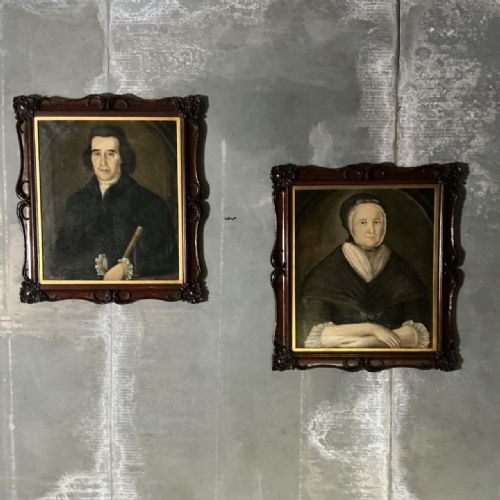
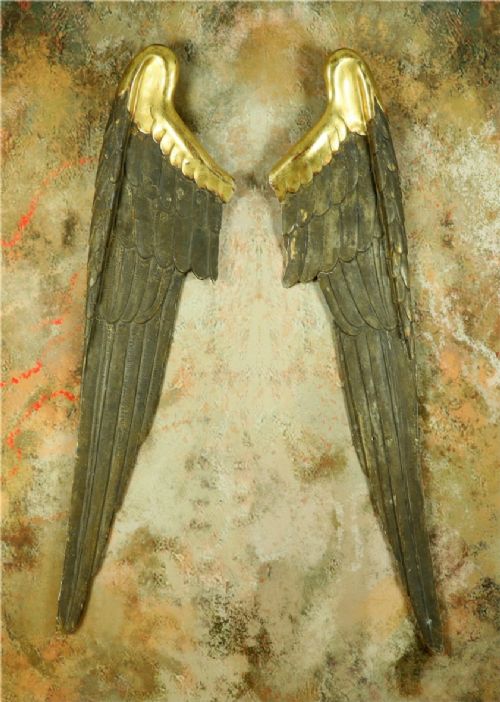
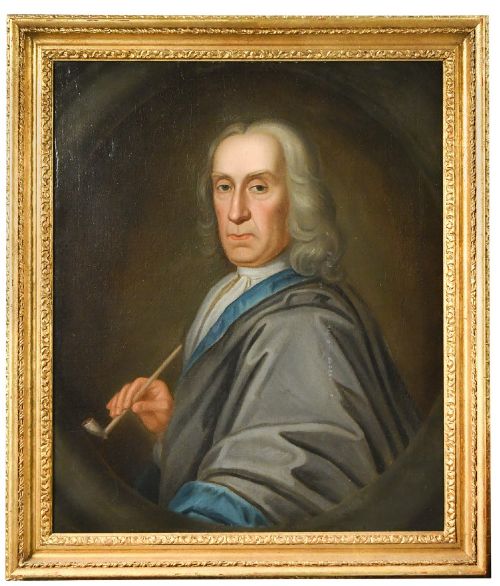
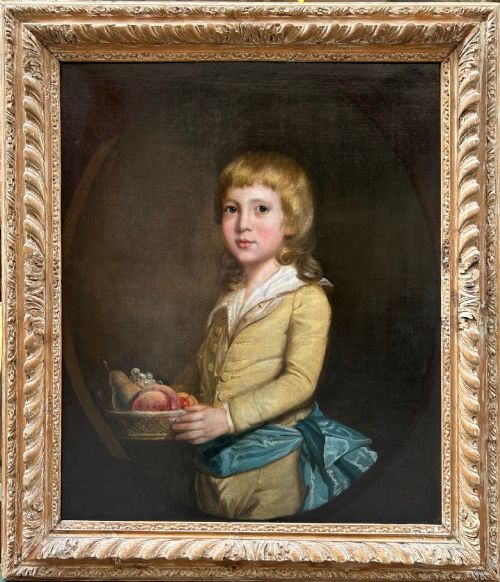
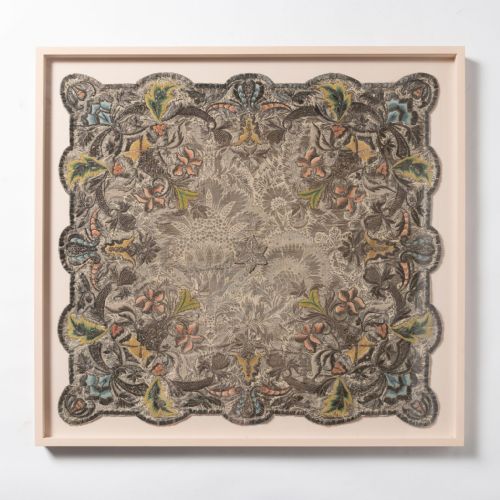
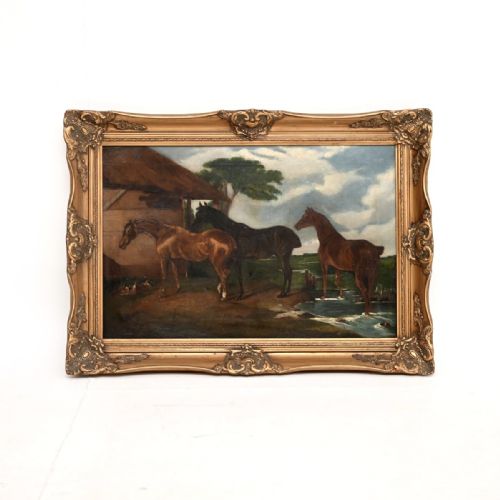
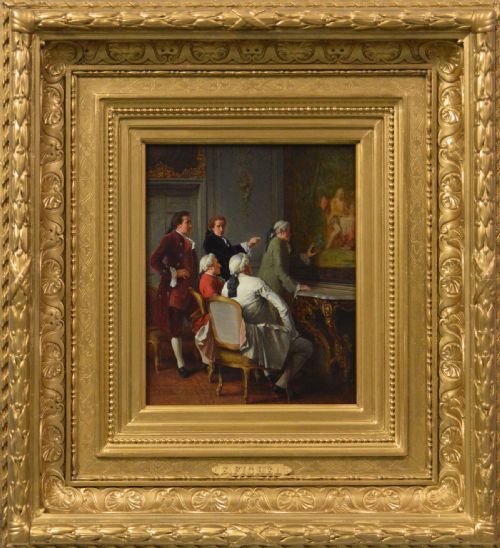
When you search for 18th century wall decor, you encounter a varied assortment of period items designed to ornament walls, ranging from oil paintings and framed prints to carved wood panels and decorative plates. The selection draws heavily on Georgian portraits, Dutch forest scenes, and French neoclassical aesthetics.
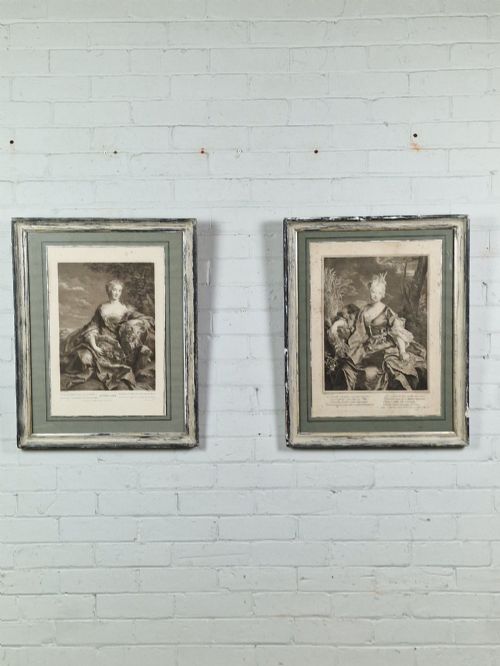
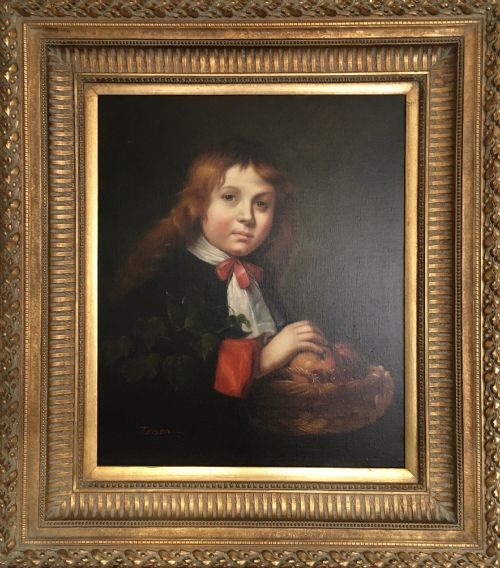
You are most likely to meet framed portraits in oil on canvas, hand-coloured engravings, and carved oak architectural panels. These pieces reflect the varied domestic and institutional interiors of the Georgian and eighteenth-century eras, spanning British, French, and Dutch origins.
Materials and Techniques
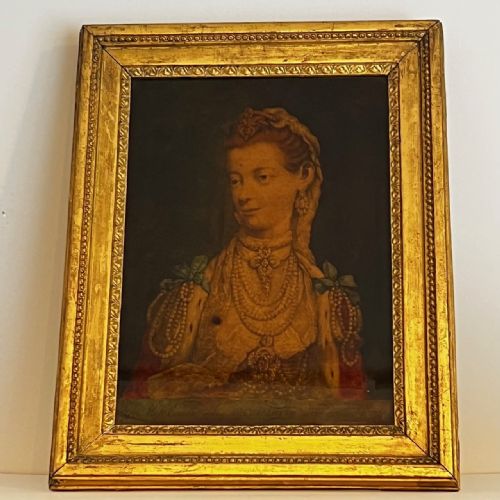
Makers utilised traditional supports such as canvas, pine panel, and oak, applying oil paint, pigment, and gold leaf to achieve rich surface textures. Reverse glass painting and mezzotint printing represent specialised techniques that required precise reversing of imagery during creation.
Carved elements display hand-tooled execution in wood and plaster cast, while paper pieces utilise hand-coloured engraving and stipple methods. Gilt wood and gesso frames provide the structural housing for many of these wall ornaments.
Eighteenth-century anatomists also needed wall art, as shown by surviving skeletal and muscular engravings by Jan Wandelaar.
What Varies in Quality
The standard of execution in portraiture and engraving distinguishes finer examples, where handling of pigment, line definition, and anatomical proportion show greater artist skill. Evidence of period hand-carving in wood panels and plaster friezes reveals depth and precision absent in simpler productions.
Preservation of original surfaces, whether oil on canvas or reverse glass prints, impacts the integrity of the piece. The quality of framing, from Hogarth frames to gilt wood borders, contributes significantly to the overall presence of the object.
Sir William Beechey·Lemuel Francis Abbott·Thomas Beach·George Edwards·William Williams·Jan Evert Morel
The 18th Century Wall Decor Glossary
- Mezzotint
- A printmaking process where the image is worked from dark to light by roughening the copper plate to achieve tonal gradations. This technique allows for subtle shadows and rich contrasts.
- Reverse glass painting
- An art form where the painting or printing is executed on the reverse side of a glass panel and viewed from the front. It creates a glossy, luminous surface finish.
- Plumbago
- A drawing executed in graphite, taking its name from the Latin word for graphite or black lead. These monochrome works offer fine linear detail.
- Stipple engraving
- A method of creating prints using dots rather than lines to build up tone and shadow. It produces a soft, painterly effect well suited to portraiture.
18th Century Wall Decor: Frequently Asked Questions
How do I hang heavy carved wood panels?
Heavy carved wood panels and oak wall sculptures require secure wall anchors and appropriate load-bearing brackets fixed into structural studs. Professional installation is recommended to support the substantial weight of dense timber and plaster pieces.
Ensure the hanging wire or integrated mounting points are rated for the specific weight of the antique. Distribute the load evenly across multiple fixing points where possible.
Are reverse glass prints fragile?
Reverse glass prints are delicate because the image adheres directly to the glass substrate. Impact or pressure can cause the pigment to flake or the glass to fracture.
Display these pieces away from high-traffic zones and areas prone to vibration. Handle them strictly by the frame rather than the glazing.
What defines a Georgian portrait?
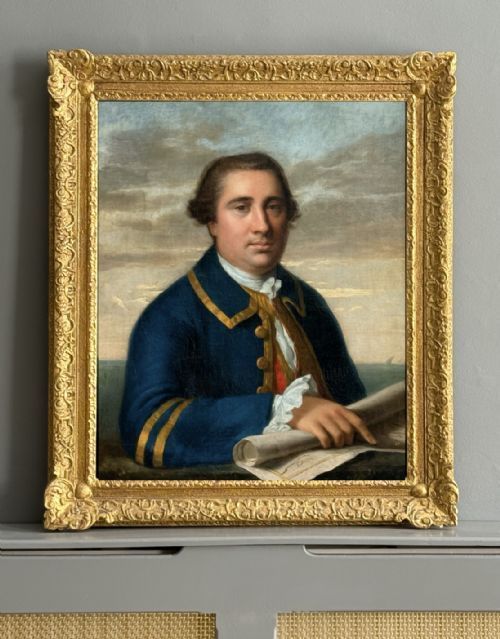
Georgian portraits typically depict subjects in formal or domestic attire, rendered in oil on canvas or captured through engraving. They reflect the portraiture conventions of the eighteenth century across British and European schools.
These works often feature specific sitters, ranging from naval captains to nobility, accompanied by period attire and setting details.