

18th Century Tilt Top
An 18th century tilt top table combines ingenious space-saving engineering with exceptional cabinet-making, offering a versatile surface that tucks away when not in use.
18th Century Tilt Top
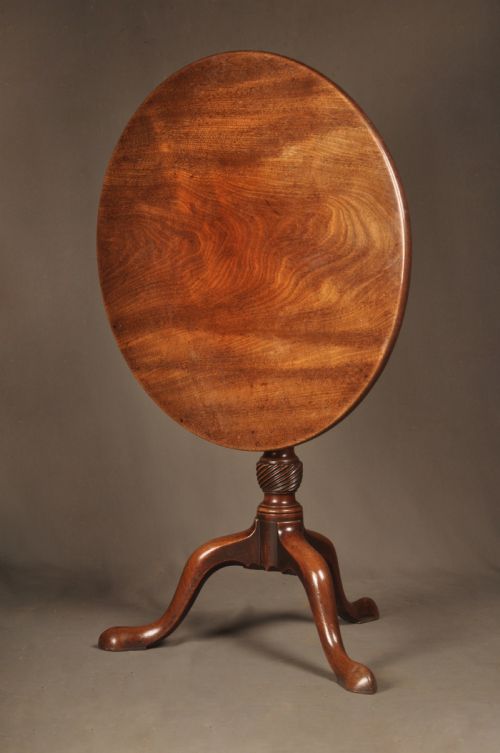
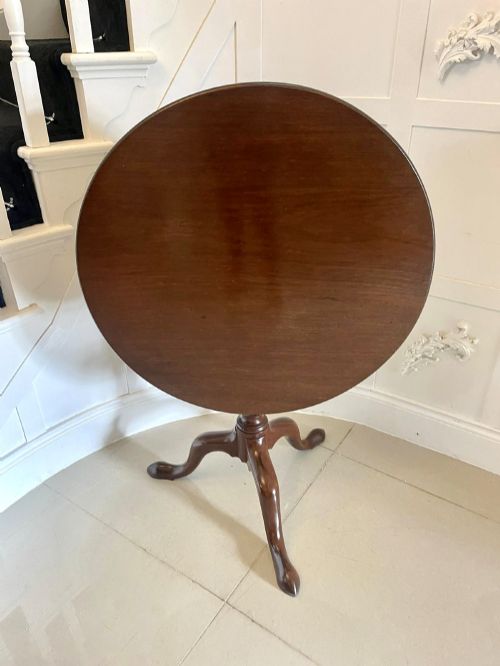
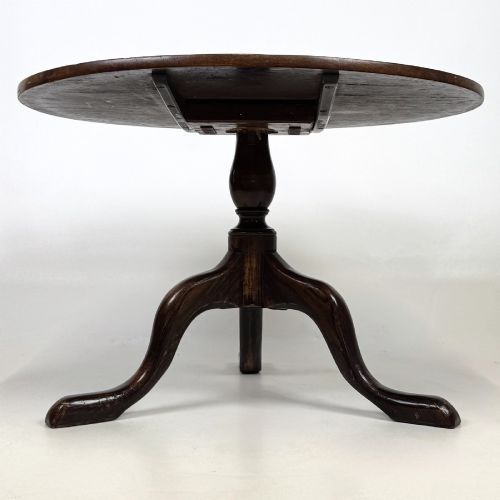
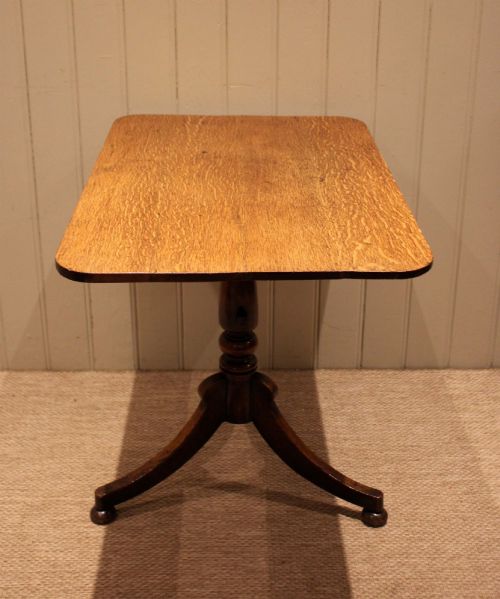
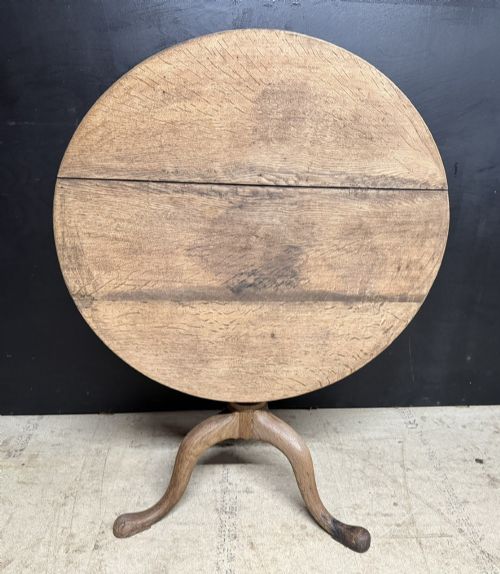
When searching for an 18th century tilt top table, collectors encounter versatile occasional, wine, and supper tables designed to pivot vertically against a wall or in a corner. These pieces originate primarily from the Georgian period, spanning the reigns of George II and George III, alongside provincial vernacular expressions in oak and fruitwood.
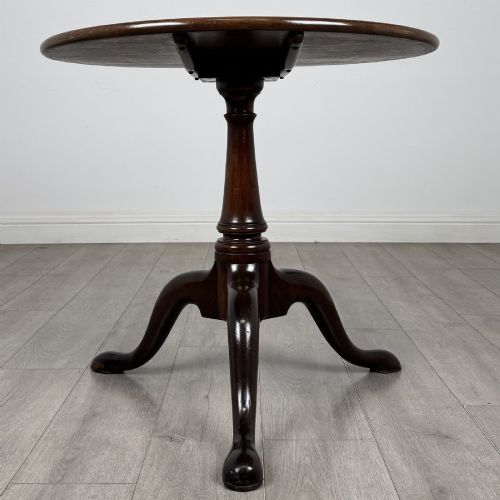
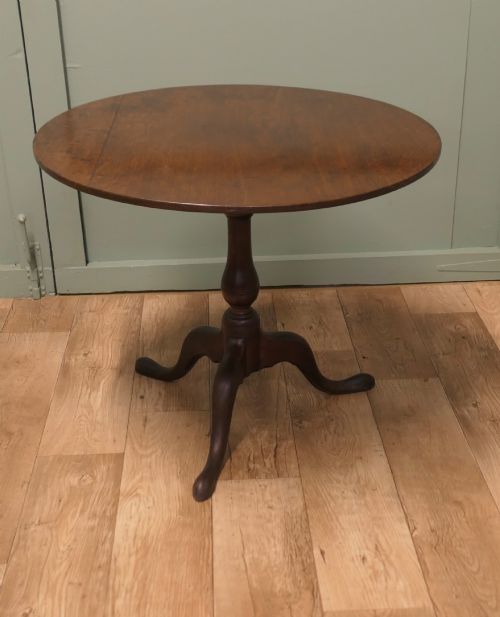
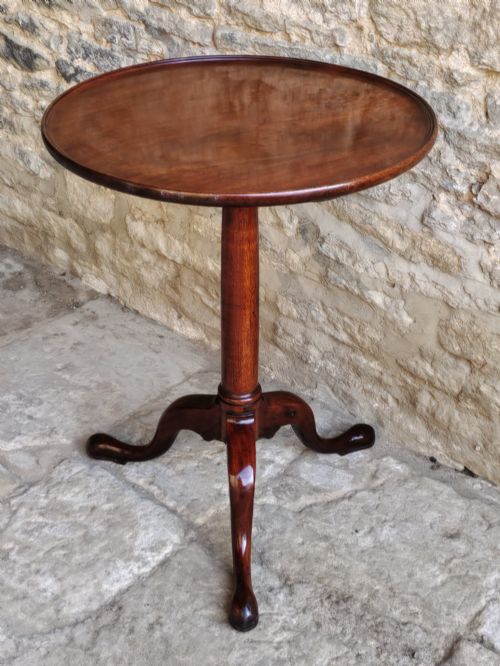
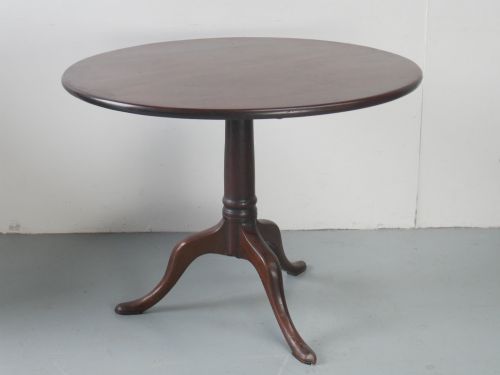
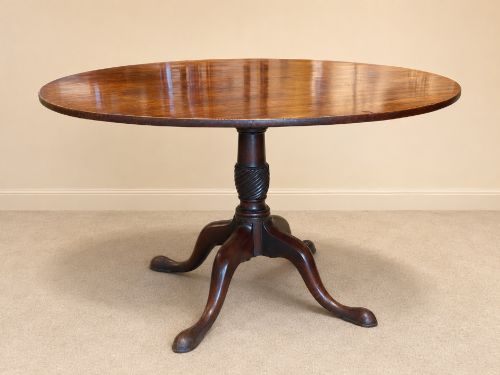
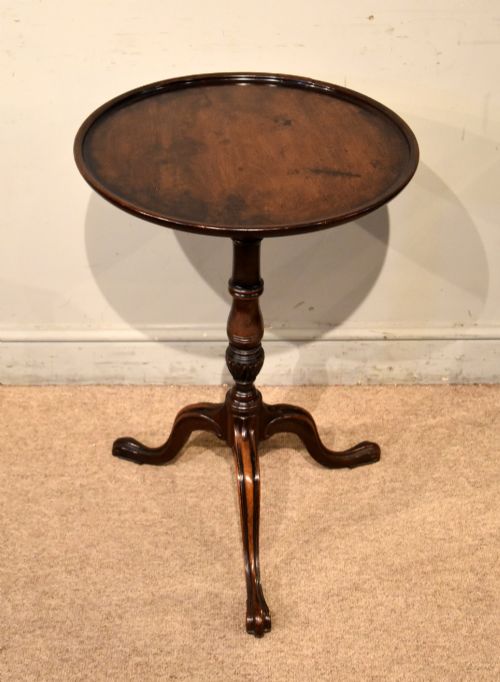
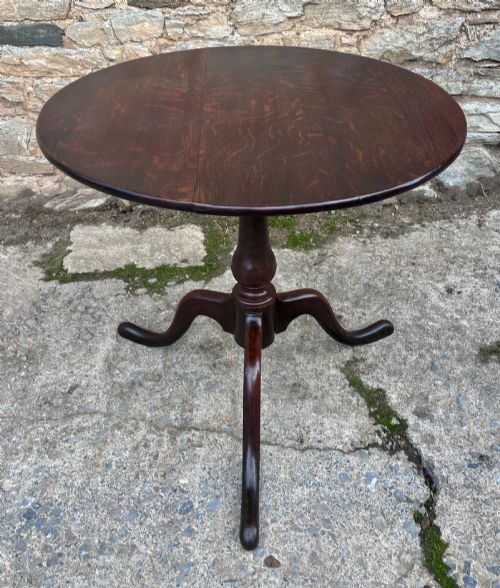
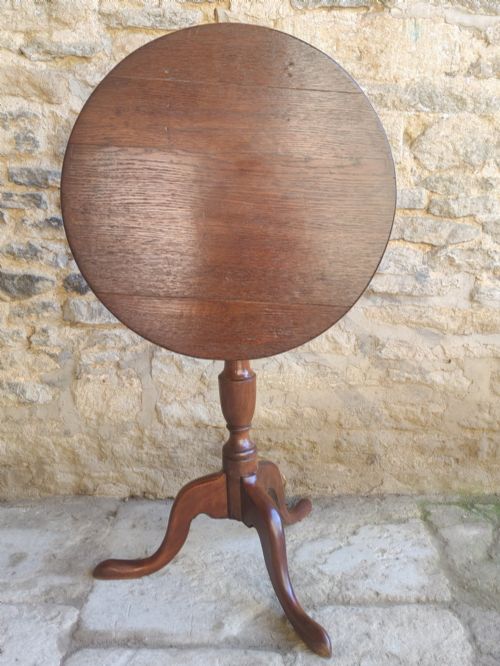
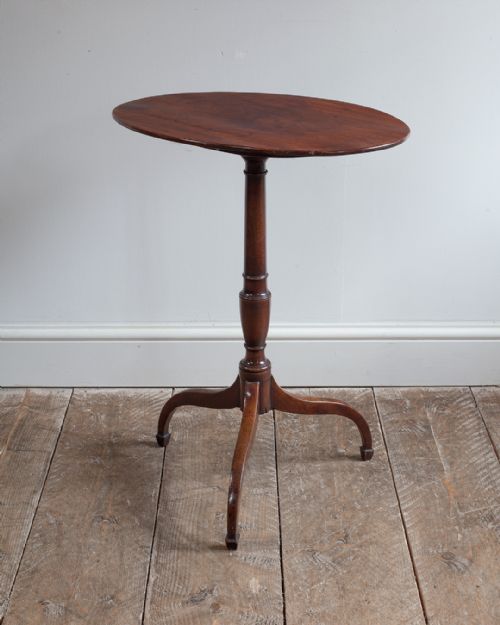
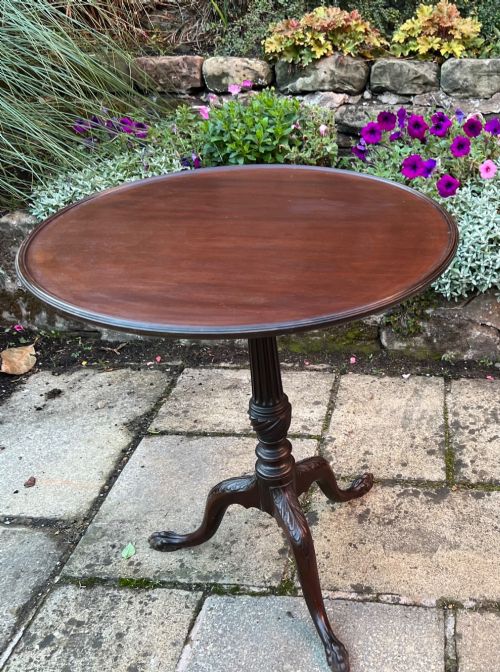
The version most frequently met on this page is the tripod tea or wine table in mahogany, often featuring a circular or shaped top supported by a slender turned pillar and three arched legs. Examples range from compact lamp tables to larger breakfast and dining formats that seat several guests.
Makers of the period utilised clever pivoting mechanisms, sometimes incorporating a rotating wooden frame known as a birdcage, which allowed the tabletop to both tilt and revolve. This mechanical ingenuity sat at the heart of domestic life in fashionable drawing rooms and country houses alike.
Materials and Construction
Timber selection dictated the character of these tables, with dense Honduras and Cuban mahogany dominating fashionable English and Irish workshops, while regional makers relied on native oak, elm, walnut, and fruitwood. Craftsmen frequently matched single-board table tops or figured burr veneers to showcase natural grain patterns.
The structural integrity of a tripod base relied on sturdy dovetail or bridle joints connecting the legs to the central turned column. Iron or brass hardware, including butterfly catches and pivot pins, secured the tipping mechanism beneath the surface.
Carved decoration appeared on finer examples, utilising techniques such as pie crust moulding, crisp acanthus leaf carving on the knees of the cabriole legs, and ball and claw or pad feet.
18th Century Tilt Top Retail Price Guide 2026
Typical asking prices for 18th century tilt top among the pieces listed under this phrase on Sellingantiques today, from the lower quarter to the upper quarter. They describe what is for sale here now, not the wider market.
Table forms span occasional tea tables, supper wine stands, breakfast dining surfaces, and campaign designs.
Assessing Quality and Execution
Distinction across the range lies in the harmony of proportions and the precision of the turning on the central pillar. Superior examples display fluid movement in the cabriole legs and crisp, undercut carving rather than sluggish, mechanical execution.
The integrity of the pivoting mechanism separates workshop output, particularly where birdcage components move smoothly without excessive wobble or replaced timber components. Original brass catches and untouched pivoting blocks add substantial merit.
Surface finish and timber figure heavily influence standing, where deep, faded patination developed over centuries of polish retains the natural warmth of the walnut or mahogany.
Gillows
The 18th Century Tilt Top Glossary
- Tilt-top
- A table featuring a hinged mechanism that allows the surface to rotate from horizontal to vertical. This clever design enabled furniture to be stored compactly against room perimeters when unoccupied.
- Birdcage
- A square wooden framework situated between the tabletop and the central pillar. It permits the surface to revolve as well as tilt, providing extra utility for serving tea.
- Pie crust
- A raised, scalloped edge carved directly from the solid timber perimeter of the top. This ornate moulding prevents cups or glasses from sliding off during use.
- Tripod base
- A support structure comprising three spreading legs radiating from a central turned column. It offers stability on uneven floorboards.
- Snap top
- A spring-loaded or latched mechanism that locks the tabletop securely into the horizontal position during use. It prevents accidental tipping while resting items upon the surface.
18th Century Tilt Top: Frequently Asked Questions
What was a tilt top table used for?
These tables served primarily as mobile surfaces for tea, wine, or card games in Georgian living spaces. Their tilting capability meant servants could clear the floor quickly after evening gatherings.
In smaller rooms, homeowners folded the tops vertical to reclaim valuable floor space throughout the day. They functioned as convenient lamp stands, breakfast tables, or reading desks wherever needed.
How do I identify a birdcage mechanism?
A birdcage consists of a miniature wooden box frame positioned directly beneath the table top, built from parallel vertical spindles. This assembly allows the surface to spin horizontally in a complete circle.
When combined with the primary hinge, the birdcage lets the top tilt backward independently of the central column. This feature generally indicates a higher grade of eighteenth-century manufacture.
Are these tables sturdy enough for daily use?
The three-legged tripod design is remarkably stable on even surfaces because all three feet maintain continuous contact with the floor. The pivoting joint requires gentle handling when lowering the top.
Normal daily placement for lamps, books, or drinks poses no risk to sound eighteenth-century construction. Owners should simply avoid placing excessive downward pressure near the outer edges.
How do I distinguish walnut from mahogany pieces?
Walnut tables typically date from the earlier decades of the eighteenth century, showing rich, golden-brown tones with darker grain figure. The timber feels softer to the touch and often exhibits subtle figuring.
Mahogany became dominant later, presenting a denser, heavier weight with a naturally reddish or deep brown hue. Cuban mahogany varieties additionally display dramatic flame patterns under polished surfaces.