
Antique Round Tripod Table
An antique round tripod table brings compact circular form and traditional three-legged balance to any room.
Antique Round Tripod Table
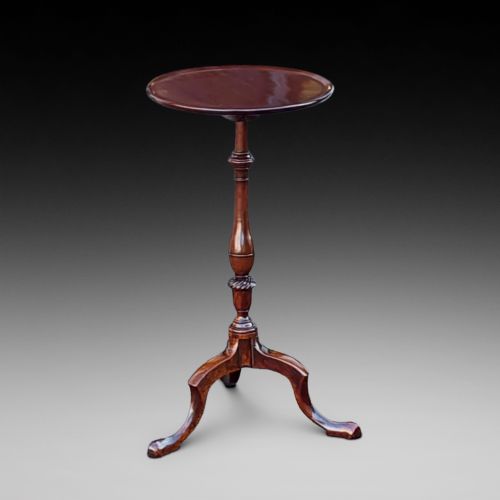
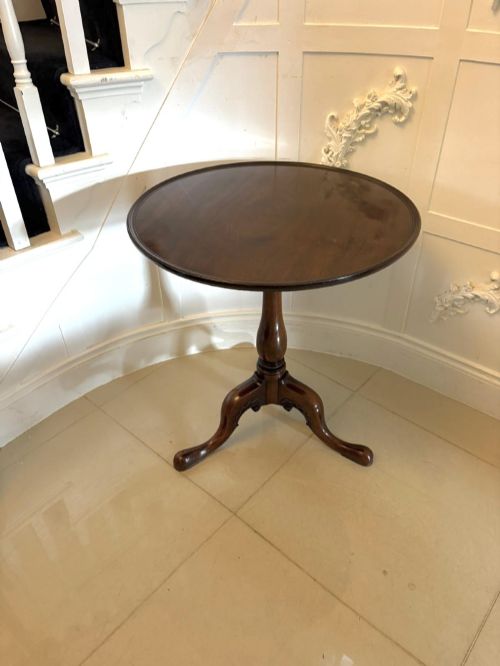
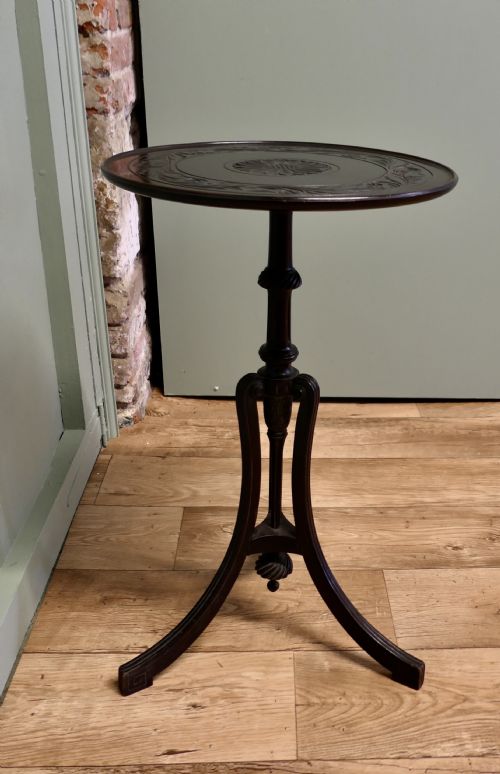
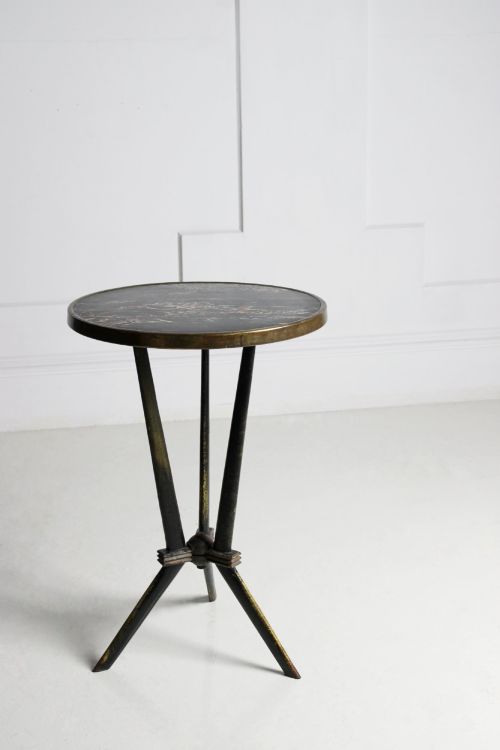
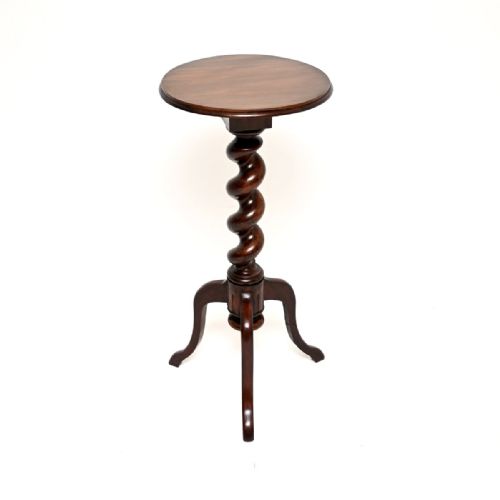
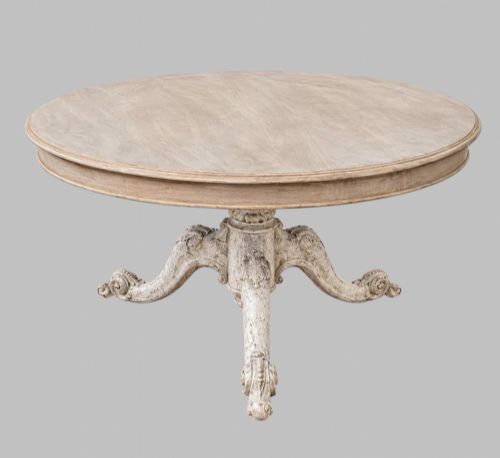
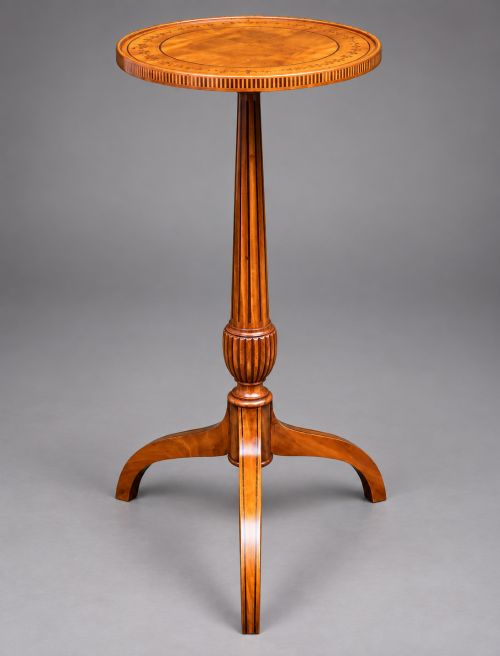
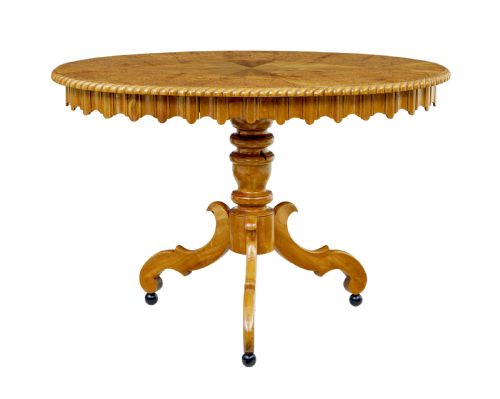
An antique round tripod table is a small circular surface supported by a central pillar and three legs, historically used for wine, tea, or illumination. The selection spans the Georgian and Victorian eras, alongside Arts and Crafts examples.
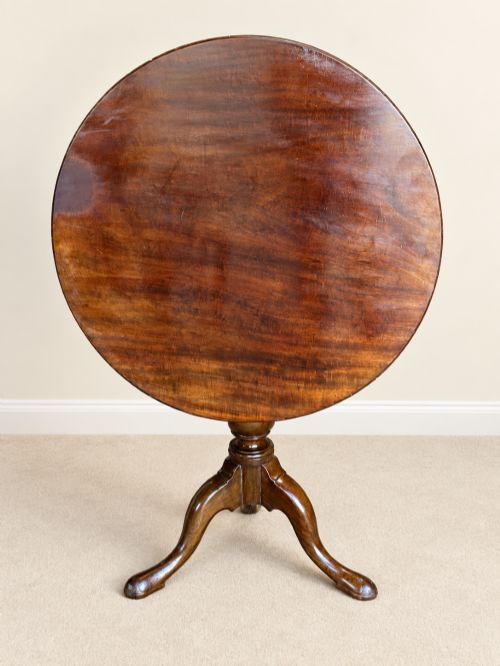
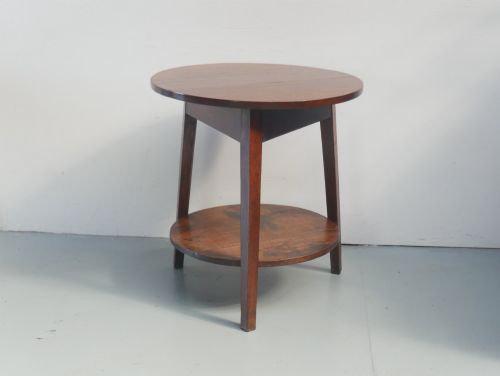
Most pieces encountered are mahogany or oak wine and lamp tables, though walnut, rosewood, and pine also appear. Forms range from simple country cricket tables to tilt-top occasional tables with birdcage mountings.
Origins include English workshops, Scottish pieces, and Scandinavian painted examples, reflecting both formal drawing-room elegance and rural domestic utility.
How they were made
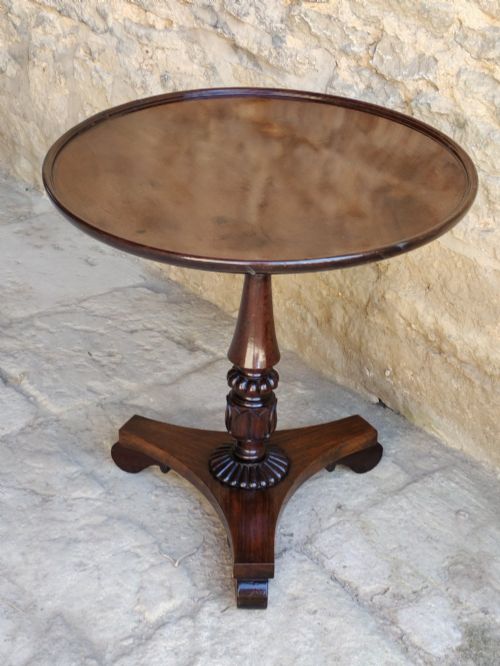
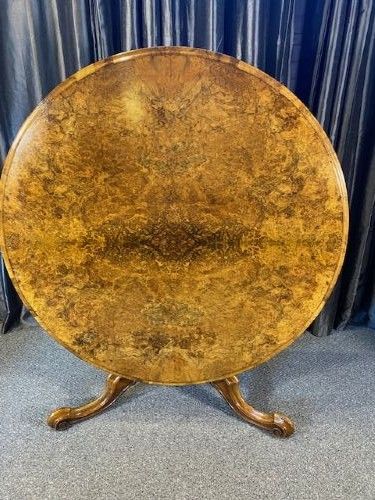
Makers utilised solid timbers like oak and mahogany, often applying burr wood or flame mahogany veneers to the circular tops for decorative figure. Turning techniques shaped the central pedestals and the three supporting legs.
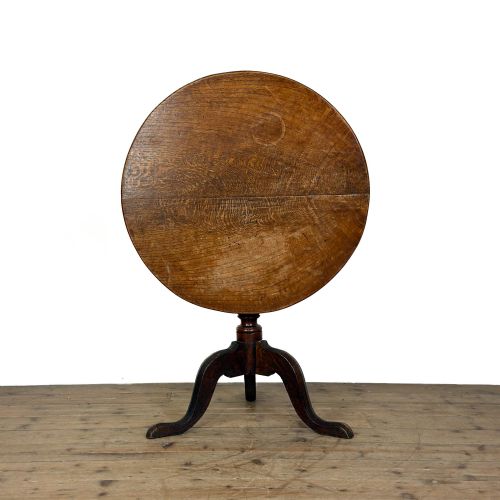
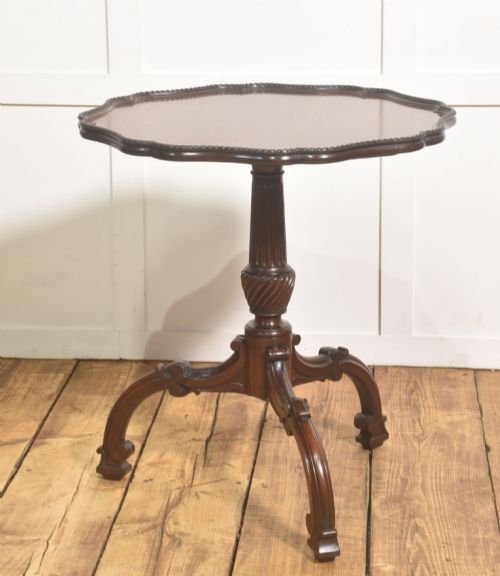
Many Georgian and Victorian versions incorporate a tilt-top mechanism, sometimes featuring a birdcage mounting that allows the circular surface to rotate and pivot flat against the pillar when not in use.
Several Victorian listings specifically identify tarot and gypsy tables, acknowledging the era's fascination with domestic fortune-telling.
What varies in quality
The choice of timber grain dictates much of the visual appeal, with richly figured mahogany and burr oak sitting above plain deal or pine. The elegance of the turned pedestal and the precise seating of the three legs determine the structural harmony.
Sophistication of mechanism marks the upper tier, seen in functional tilt-top birdcage mounts and well-fitted rule joints rather than simple fixed tops.
The Antique Round Tripod Table Glossary
- Cricket table
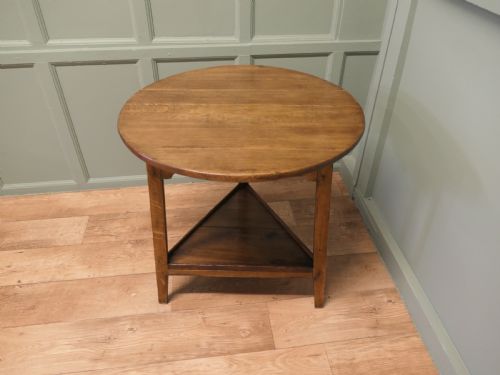
- A sturdy three-legged wooden table originating from the 18th century, typically built with an oak top and three splayed legs. These utility tables served domestic needs before evolving into decorative pieces.
- Tilt-top table
- A table designed with a mechanism allowing the circular top to pivot into a vertical position. This saved floor space in smaller rooms between uses.
- Birdcage
- A revolving wooden framework beneath the circular top of a tripod table. It connects the surface to the central pillar and permits both rotation and tilting.
- Wine table
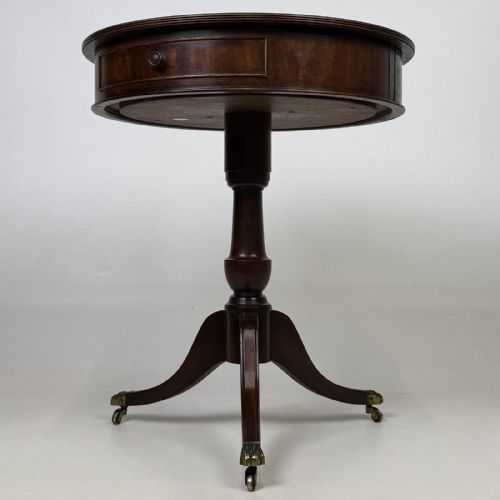
- A small occasional table designed to hold glassware and decanters. They generally feature a compact circular top elevated on a slender pedestal.
- Tripod base
- A support structure consisting of three diverging legs joined to a central vertical pillar. This design ensures stability on uneven floors.
Antique Round Tripod Table: Frequently Asked Questions
What were antique round tripod tables used for?
These pieces served multiple domestic functions in period homes, frequently holding teapots, wine glasses, or reading lamps. Smaller versions doubled as bedside stands or decorative display surfaces.
In larger reception rooms, tilt-top variants were stood against walls when not in use, wheeled out only when guests required extra surface area.
How do I identify a Georgian tripod table?
Georgian examples typically feature dense mahogany or structural oak with hand-turned central pillars and pad or snake feet. Look for traditional construction methods like pegged joints and patinated timber surfaces.
Many of these 18th-century pieces incorporate tilt-top actions with brass catches or wooden latches rather than modern metal screws.
Can I use an antique tripod table as a lamp table?
The circular top and sturdy three-legged base make these pieces well-suited for holding table lamps or bedside illumination. Their compact footprint fits easily beside armchairs or sofas.
Consider the height and weight distribution of your lamp to ensure it matches the proportions of the specific table top.
What is a cricket table?
A cricket table is a traditional three-legged form usually constructed from solid oak during the 18th or 19th centuries. They possess a rustic aesthetic that differs from polished urban parlor furniture.
These pieces often show simple pegged construction and straightforward circular tops designed for everyday utility.