
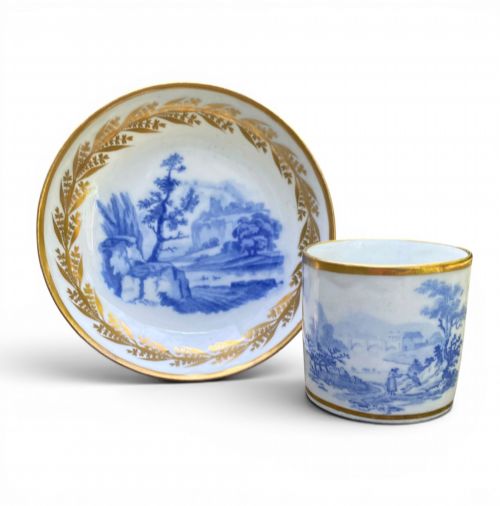


18th Century Teacup
An 18th century teacup is a delicate vessel of porcelain or pottery that brings historic elegance to morning tea.
18th Century Teacup
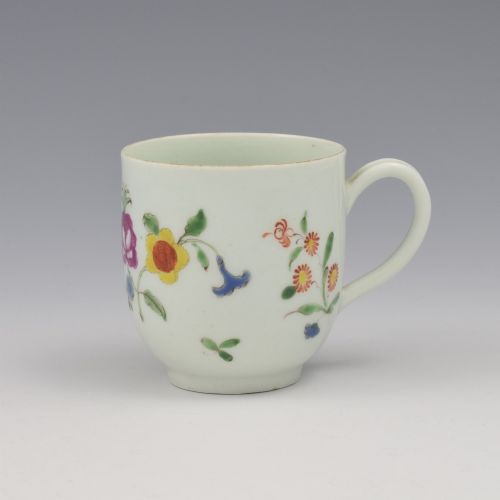
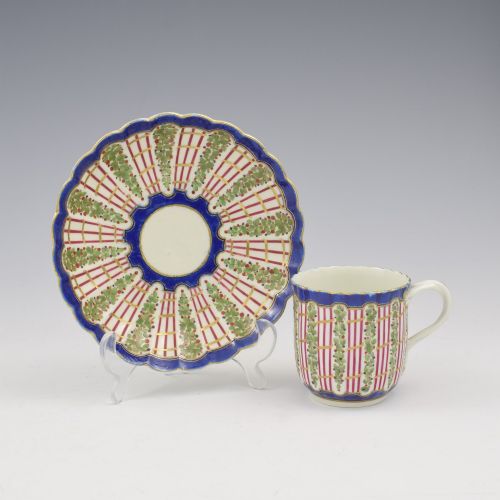
An 18th century teacup encompasses delicate tea bowls, handled coffee cups, saucers, and trios created during the Georgian era. Buyers exploring this selection encounter English and continental wares alongside Chinese export pieces, reflecting the tea-drinking habits of the period.
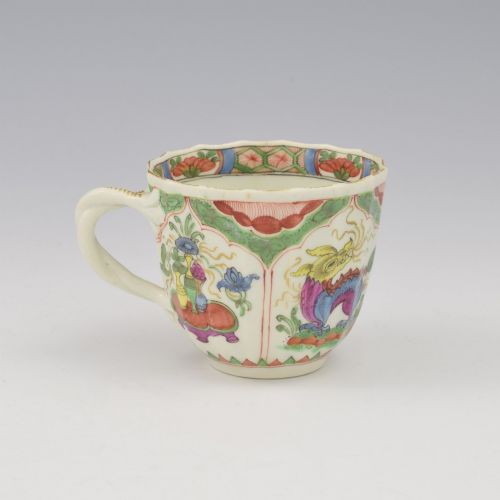
The domestic examples are most likely to be met on this page, particularly pieces from Worcester, New Hall, Derby, Liverpool, and Lowestoft. These sit alongside Chinese export porcelain decorated with famille rose or Mandarin palettes, and continental examples from Meissen and Paris.
How they were made
The bodies utilise soft-paste porcelain, hard-paste porcelain, creamware, and earthenware, shaped on potters' wheels or cast in moulds. Artisans applied hand-painted enamels, underglaze blue, and gold leaf or gilding to finish the surfaces.
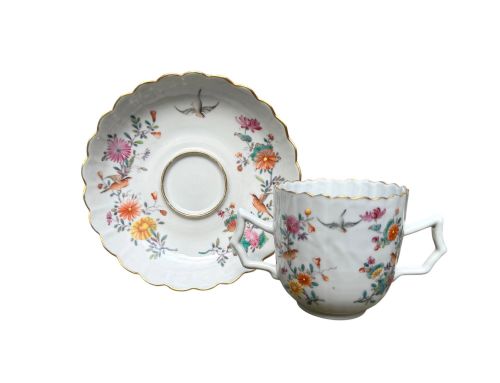
Firing took place in kilns designed to vitrify the ceramic body before intricate hand-painted patterns like hop trellis, turquoise guilloche, or fancy birds were applied. Many items feature fluted moulding or delicate handles suited to small drinking vessels.
The listings show English soft-paste porcelain alongside Chinese export porcelain and creamware pottery from the eighteenth century.
What varies in quality
The refinement of the ceramic body and the precision of the potting distinguish finer cups from heavier earthenware wares. Thinner porcelain walls and crisp moulding indicate superior manufacturing skill.
Artistic execution in the hand-painted enamels and gilding sets exceptional pieces apart from standard factory production. Detailed brushwork in specific motifs such as birds or Chinese figures reflects the hand of a skilled decorator.
Richard Chaffers·New Hall·Manufacture de la Reine·Meissen·Derby·Lowestoft·Robert Browne
The 18th Century Teacup Glossary
- Tea bowl
- A handleless small drinking vessel designed for hot infusions. These predate the widespread adoption of handled cups in early tea sets.
- Soft-paste porcelain
- A ceramic composition made from white clay mixed with ground glass and other materials. It was fired at lower temperatures than hard-paste porcelain.
- Creamware
- A refined cream-coloured earthenware developed in Staffordshire during the eighteenth century. It was glazed with a clear lead glaze that pooled yellow in crevices.
- Famille rose
- A palette of opaque enamels dominated by pink or rose colours introduced to Chinese export porcelain. This style became popular across Europe during the eighteenth century.
- Coffee can
- A straight-sided cylindrical cup designed specifically for drinking coffee rather than tea. These often lack handles and appear in sets with matching saucers.
18th Century Teacup: Frequently Asked Questions
What is the difference between a tea bowl and a teacup?
A tea bowl is a handleless vessel influenced by Chinese forms, while a teacup incorporates a handle for holding.
Tea bowls require both hands to sip hot liquid safely, reflecting earlier eighteenth-century etiquette before handled cups became standard.
Can I use an 18th century teacup for drinking tea?
Using antique teacups for drinking is generally discouraged by dealers due to the fragility of soft-paste porcelain and historic glazes. Hand-washing is essential if they are handled at all.
Thermal shock from boiling water can crack centuries-old ceramic bodies, so most collectors keep them for display rather than daily use.
What does Chinese export porcelain mean?
Chinese export porcelain refers to ceramics made in China specifically for the European and American markets during the Qing Dynasty. These items often combined Chinese potting techniques with Western shapes or decorative commissions.
Shipments arrived via trading companies, bringing famille rose patterns and Mandarin palettes into eighteenth-century British homes.