
18th Century Style Oil Painting
An 18th century style oil painting brings the dramatic portraits and classical landscapes of the Georgian era directly onto your wall.
18th Century Style Oil Painting
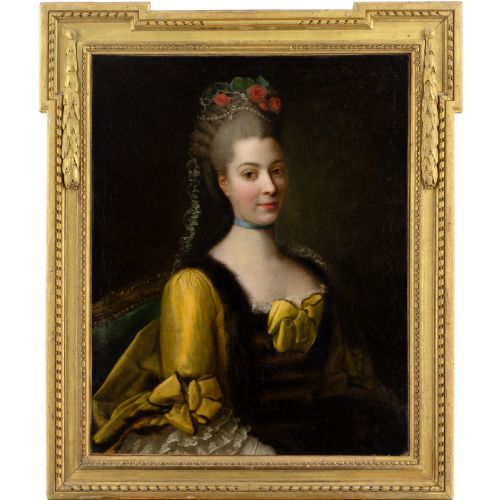
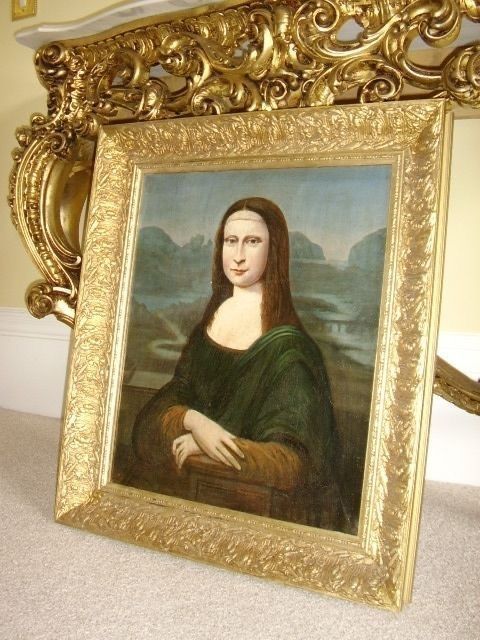
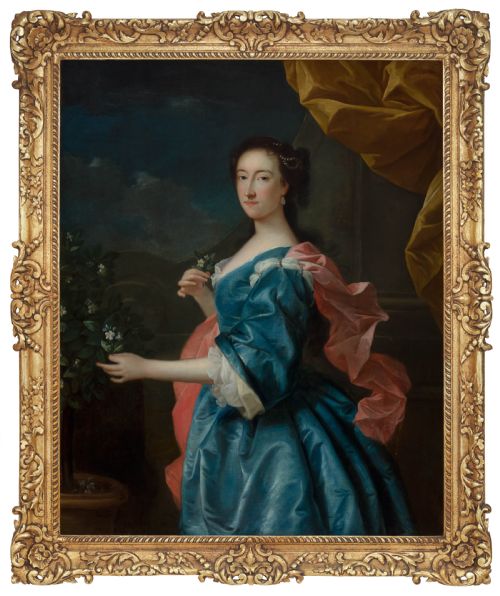
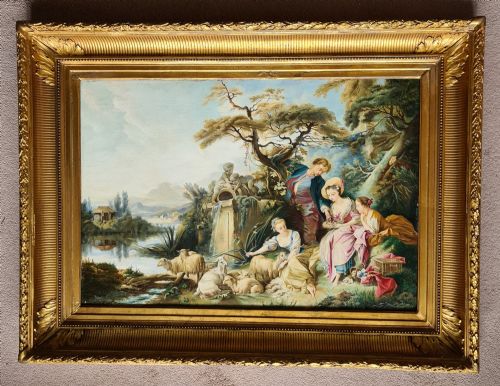
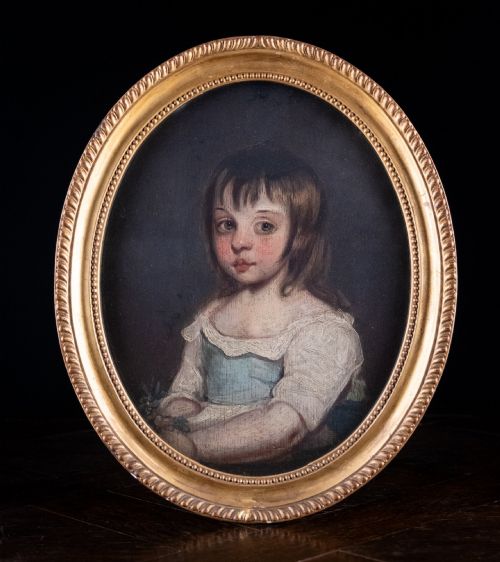
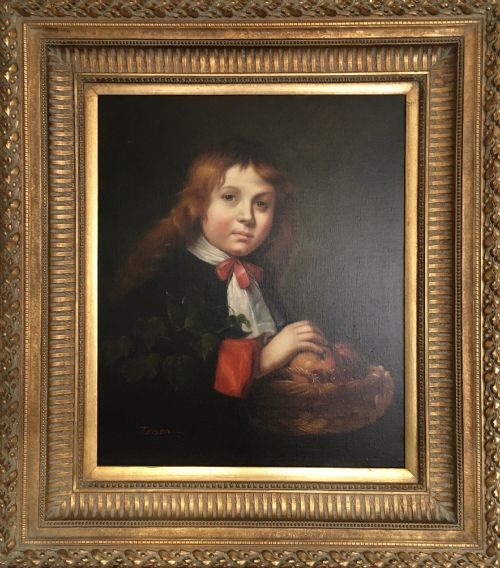
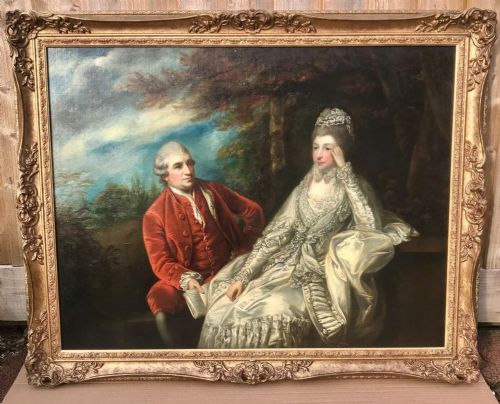
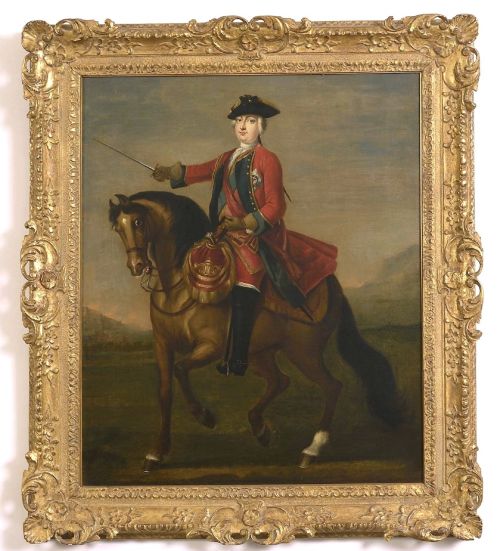
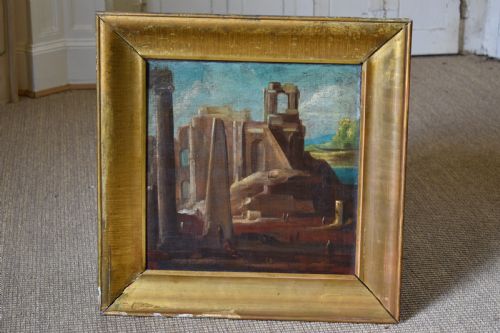
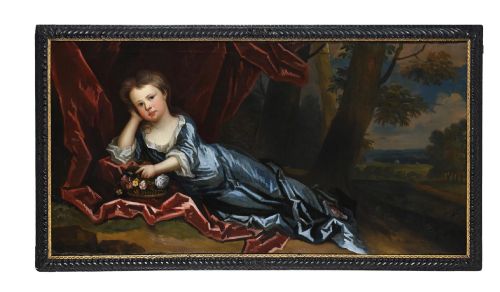
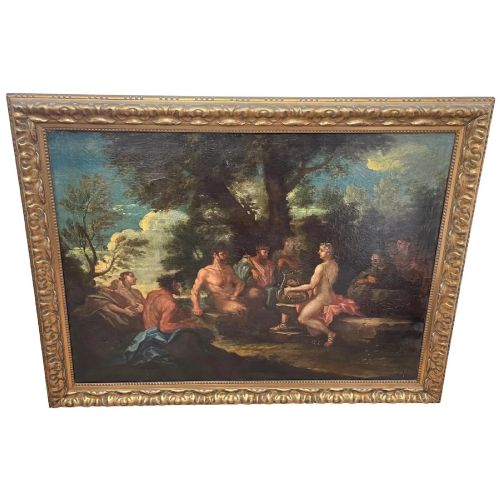
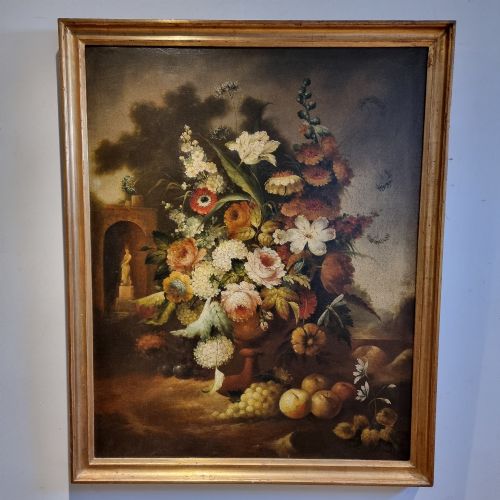
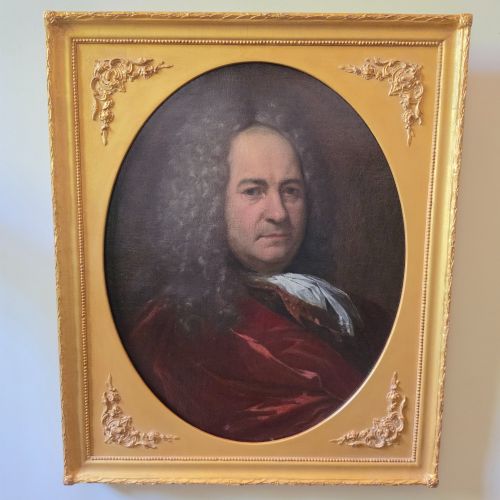
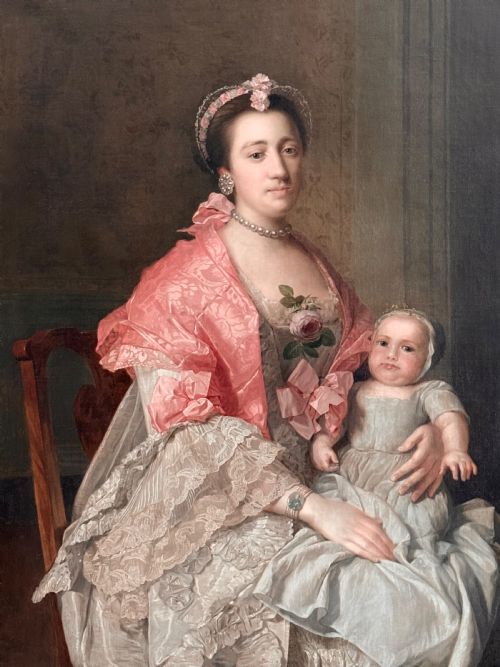
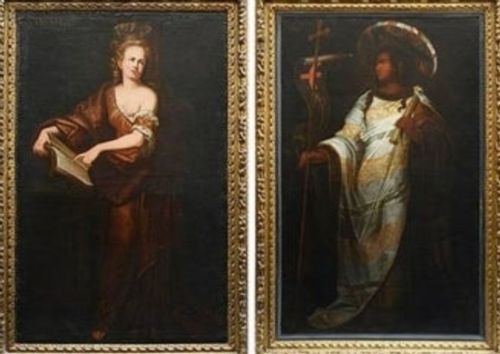
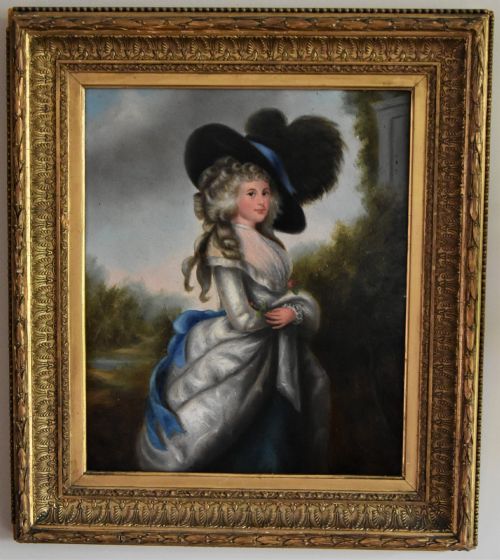
When searching for an 18th century style oil painting, you encounter works ranging from genuine period portraits to later reproductions executed in historical modes. The selection on this page includes depictions of aristocratic ladies, country girls, mythological figures, and Dutch-inspired tavern scenes. These canvases capture the painterly traditions of the 17th, 18th, and 19th centuries, often created within specific regional schools such as the French, Flemish, or Dutch traditions.
Portraits dominate the available inventory, frequently presented in elaborate giltwood frames that complete the period aesthetic. You will find both original compositions from the 1700s and later Grand Tour interpretations or studio copies after masters like Rembrandt, Boucher, and Gainsborough. Whether depicting an English gentleman in armour or a mythological Italian landscape, these pieces serve as striking focal points in traditional interiors.
How They Were Made
The works rely primarily on oil paint applied to woven canvas, though occasional examples employ wood panels or board substrates. Painters built up compositions using rich pigments that allowed for subtle transitions of light and shadow, particularly in clothing and facial expressions. Canvases were frequently stretched over wooden frames and later housed in heavy, carved gilt wood or gilded frames.
Techniques varied from direct studio painting to meticulous copying after earlier masters, reflecting academic methods of the period. Artists utilised glazing and layering to achieve depth in drapery and flesh tones, creating the luminous surfaces characteristic of the era. The physical support, whether oak panel or coarse canvas, dictates much of the physical weight and preservation state of each painting.
What Varies in Quality
The framing contributes significantly to the overall integrity of the piece, with period-appropriate giltwood frames enhancing the visual weight. Condition of the pigment layer, including the presence of craquelure and the degree of past restoration, also distinguishes the hierarchy of the works. Original age-related patina differs markedly from heavy modern interventions or mechanical embellishments.
Jeremiah Davison·Francois Boucher·Joshua Reynolds·John Wootton·Thomas Hudson·Charles D Agar·Allan Ramsay·William Hogarth·Jean Baptiste Greuze·Jean Baptiste van Loo·James Maubert·George Morland·Joseph Highmore·Francesco Solimena·Philipp Peter Roos·Nicolas Fouche
The 18th Century Style Oil Painting Glossary
- Oil on Canvas
- Pigments bound in a drying oil applied to a stretched woven fabric support. This combination became the dominant medium for Western fine art from the Renaissance onward.
- Giltwood
- Wood that has been coated with a thin layer of gold leaf or gold paint. Frames utilising this technique provide the traditional ornate border typical of period portraits.
- Grand Tour
- A cultural journey of Europe formerly undertaken by young upper-class European men of means to flourish their taste. Paintings acquired on these travels often featured classical Italianate landscapes.
- Dutch School
- The style of painting practiced in the Netherlands during the 17th century and later emulated. It is characterised by meticulous realism, domestic interiors, and dramatic lighting.
- Grisaille
- A painting executed entirely in shades of grey or neutral monochromatic tones. This technique was often employed to imitate sculpture or serve as a base for subsequent colour glazing.
18th Century Style Oil Painting: Frequently Asked Questions
How do I hang a heavy framed oil painting?
These canvases require secure wall fixings distributed evenly across the weight of the giltwood frame. Utilising wall anchors suited to your plaster or brick ensures the piece remains safely suspended.
Position the centre of the painting at eye level to replicate historical display practices found in period country houses and galleries.
Are these paintings original 18th century works?
The selection encompasses both authentic 18th-century pieces and later interpretations executed in the same historical style. Examining the canvas age, stretcher construction, and pigment characteristics helps determine the exact period of execution.
Signatures, attribution notes, and framing styles further assist in dating each individual artwork accurately.
How should I clean an antique oil painting?
Dust accumulation on the canvas surface should be removed very gently using a soft, dry artist brush without applying pressure. Avoid using any liquid cleaners, water, or chemical solvents, as these can permanently damage the fragile oil layers.
Professional conservators should handle any deep cleaning or removal of aged, discoloured varnish from the pigment.
What is the difference between a portrait and a genre painting?
Portraits specifically record the likeness of real individuals, such as the aristocratic subjects and gentlemen frequently depicted in these listings. Genre paintings instead illustrate scenes from everyday life, such as tavern interiors or village gatherings.
Both forms utilise identical oil painting techniques but serve entirely different narrative purposes within historical art traditions.