





Dutch Golden Age Style Painting
Dutch golden age style painting captures the dramatic light and rich detail of seventeenth-century European art, appealing to collectors seeking historical atmosphere.
Dutch Golden Age Style Painting
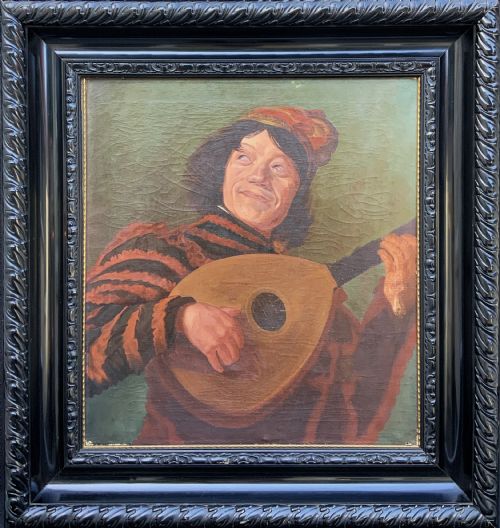
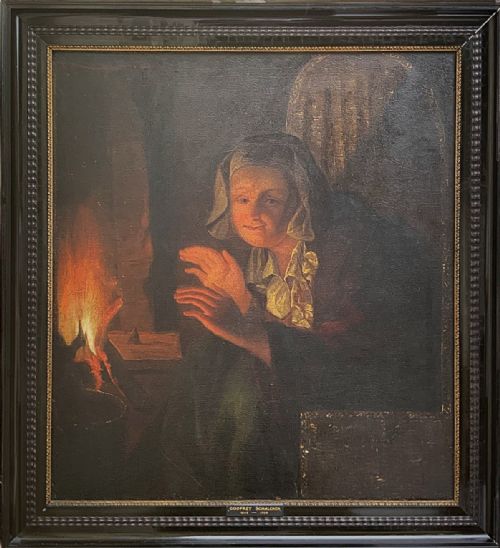
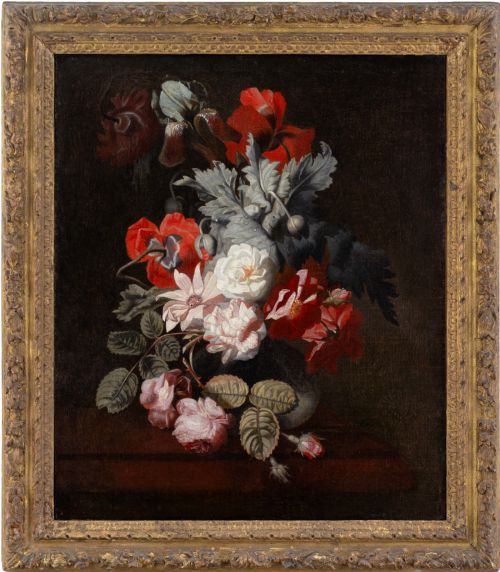
A dutch golden age style painting presents subjects ranging from formal portraiture and tavern interiors to still lifes and maritime battle scenes. These works appear across various periods, including authentic seventeenth-century pieces alongside later nineteenth-century revivals and twentieth-century interpretations.
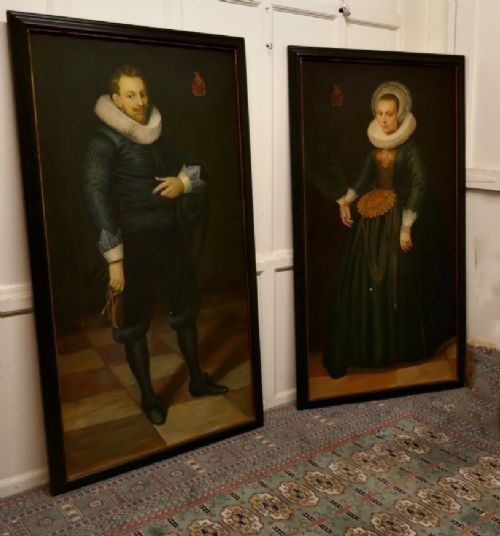
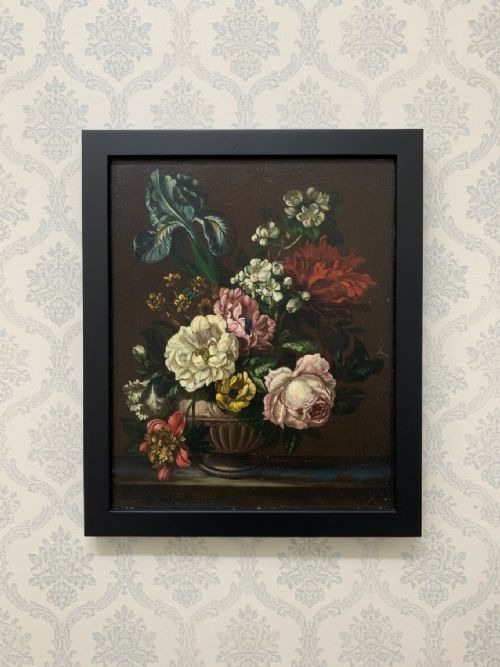
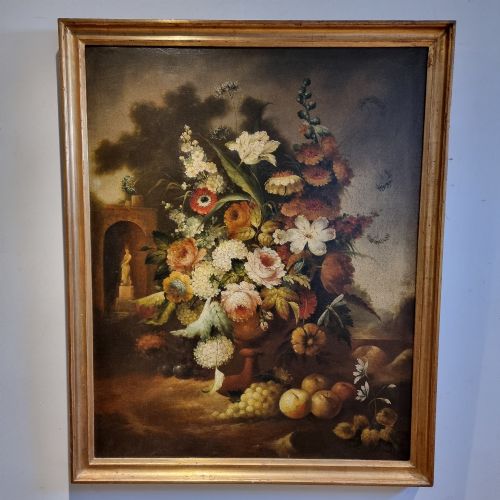
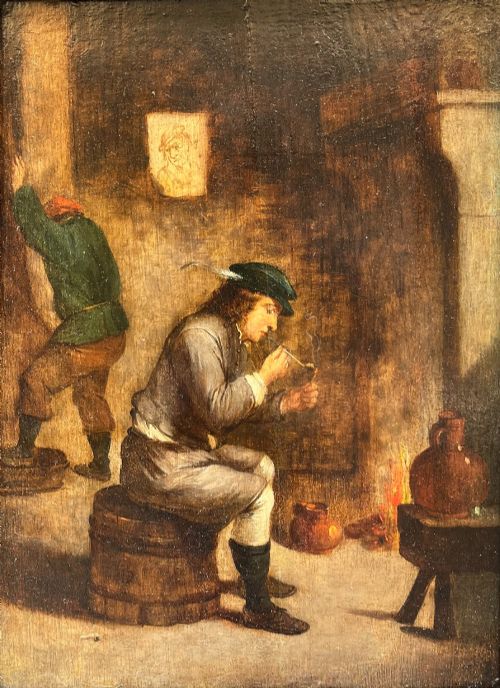
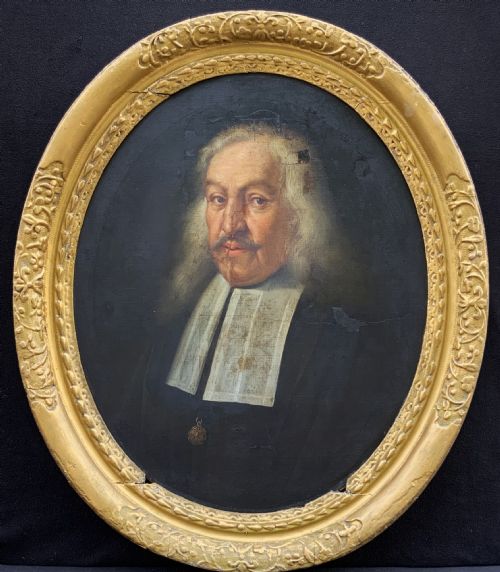
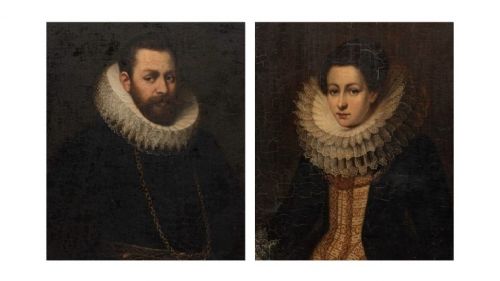
Buyers frequently encounter portraits featuring sitters in ruff collars, domestic genre scenes, and floral still lifes on this page. The forms replicate the compositions of Northern European masters, executed in oil on canvas, panel, or board.
How They Were Made
Painters utilised oil paint applied to canvas, wood panels, copper plates, or vinyl canvas to build deep tonal contrasts and fine details. Grounds were prepared to receive translucent glazes that created the characteristic luminosity of the period style.
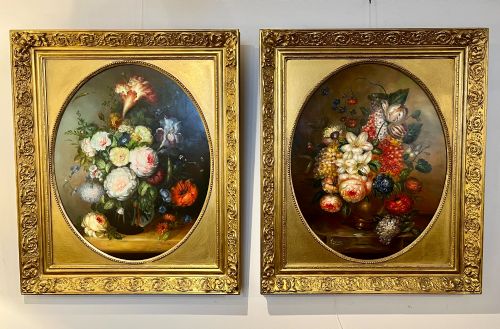
Framing often involved giltwood or gilded wood surrounds that complemented the dark, rich palettes of the artworks. Surface textures vary from smooth panel preparations to visible canvas weaves depending on the period of execution.
Several canvases feature diligent dogs waiting patiently by domestic hearths.
What Varies in Quality
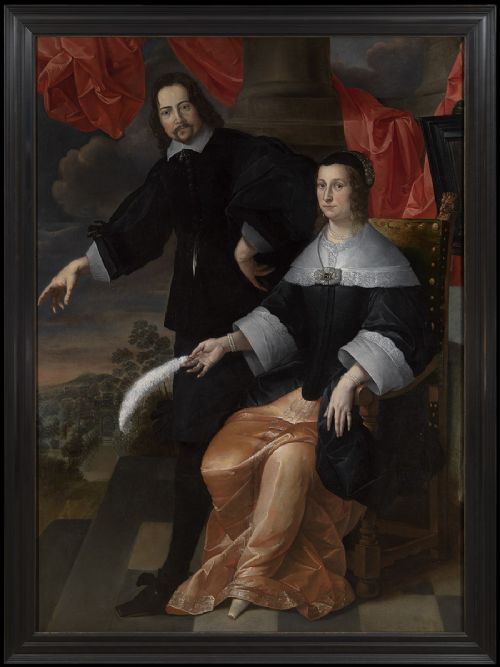
The sophistication of brushwork and the handling of light distinguish superior examples from simpler decorative copies. Mastery in rendering fabrics like satin, lace ruffs, and reflective surfaces marks the higher tier of these works.
Compositional balance and the psychological depth of portrait sitters separate accomplished studio pieces from routine reproductions. The integrity of the support material and the preservation of the original paint layer also influence the standing of an individual canvas or panel.
Cornelis Van Der Voort·Bartholomeus van der Helst·David Teniers·Pieter Borseler·Frans Hals·Godfried Schalcken·Nicolaes Maes·Simon Pietersz Verelst·Rembrandt van Rijn·James de Rijk·Ludolf de Jongh·Pieter Claesz·Reinier de la Haye·Philips Wouwerman·Abraham Storck·Jan Steen·Adriaen Hanneman
The Dutch Golden Age Style Painting Glossary
- Oil on canvas
- A painting medium where pigments suspended in drying oils are applied to a stretched fabric support. This combination allows for rich blending and textured impasto work.
- Baroque
- An artistic style originating in the seventeenth century characterised by exaggerated motion, drama, and deep shadow effects known as chiaroscuro. It forms a primary stylistic root for these works.
- Giltwood
- Wood that has been treated with a thin layer of gold leaf or gilt powder for decorative effect. Frames of this material frequently accompany traditional European paintings.
- Still life
- A work depicting inanimate subject matter, typically commonplace objects such as flowers, food, or vessels. In Northern European art, these compositions often carried symbolic moral meanings.
- Genre scene
- A painting that depicts aspects of everyday life by portraying ordinary people engaged in common activities. Tavern interiors and domestic kitchen scenes belong to this category.
Dutch Golden Age Style Painting: Frequently Asked Questions
What is a dutch golden age style painting?
These works are oil paintings created in the manner of seventeenth-century Northern European masters, depicting portraits, interiors, and maritime scenes.
They emulate the lighting, techniques, and subjects characteristic of historical Dutch and Flemish art traditions.
How do I date a painted portrait?
Dating relies on examining the costume details such as ruff collars and dress styles, alongside the material of the canvas or panel.
Signatures, inscriptions, and the method of framing also provide vital clues regarding whether a piece is seventeenth-century or a later revival.
Where should I hang these paintings?
Traditional oil works suit rooms with controlled natural light and stable humidity away from direct heat sources.
Pairing them with period furniture or placing them against dark walls enhances their dramatic chiaroscuro lighting effects.
What subjects are most common?
Portraits of noblemen and ladies in formal attire appear frequently alongside rustic tavern interiors and genre scenes.
Still lifes featuring flowers and animals also populate the selection, reflecting the core interests of historical Northern European painters.