


Dutch Master Flower Painting
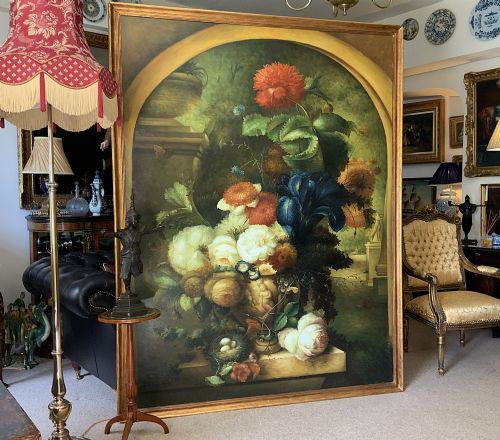
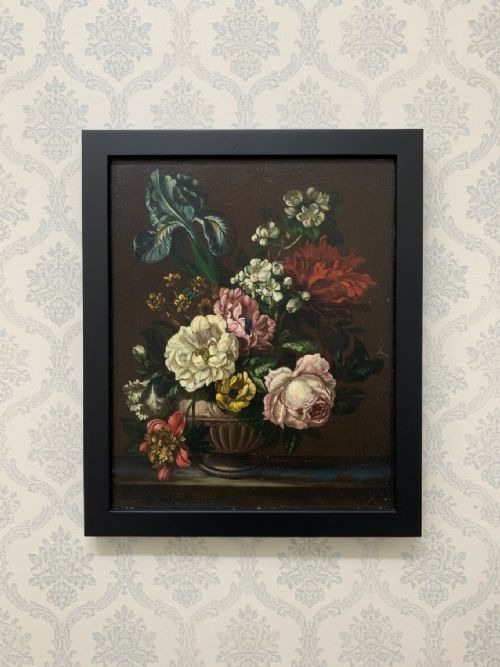
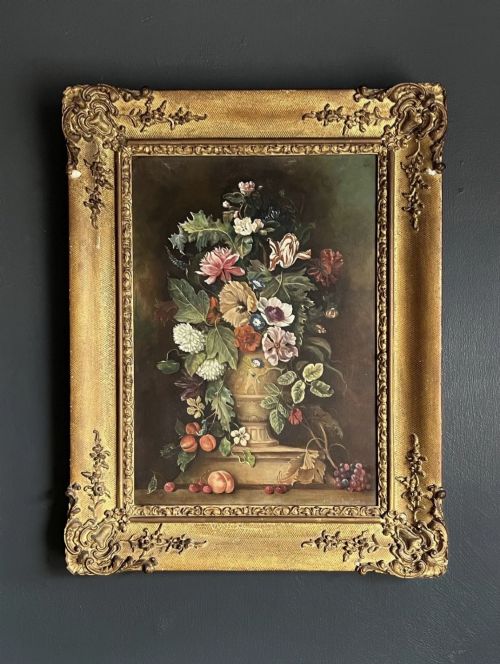
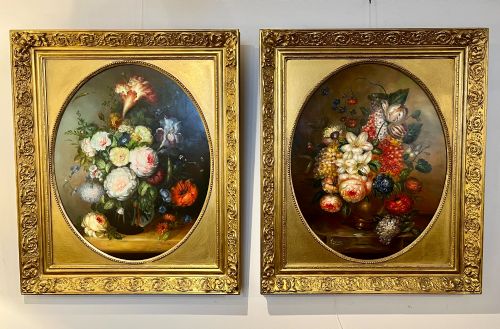
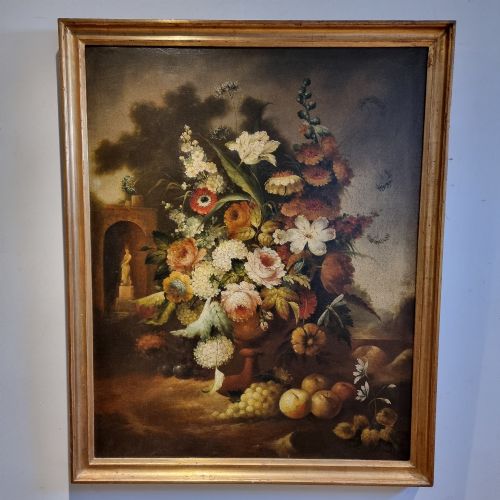
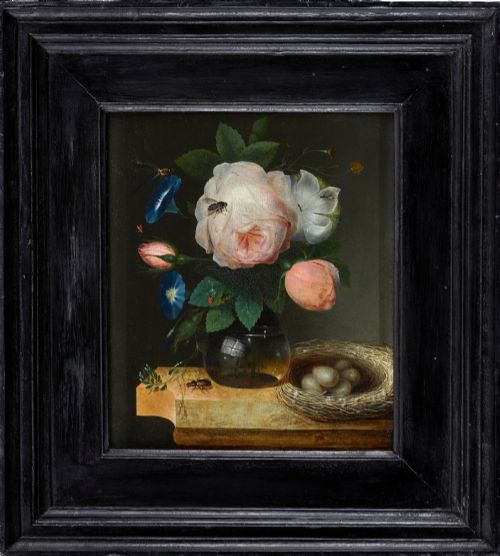
These dutch master flower painting works are oil paintings that capture the rich detail of traditional botanical arrangements, offering buyers a window into historic floral still lifes.
Dutch Master Flower Painting
A dutch master flower painting represents the botanical still life tradition associated with northern European art, capturing dense arrangements of blooms like tulips and roses. These works range from seventeenth-century originals to later revivals from the nineteenth and twentieth centuries.
Buyers will encounter oil paintings executed on canvas, wood panels, and board, often housed within elaborate gilded frames. The subjects draw heavily on the aesthetic of the Dutch Golden Age and Flemish Baroque styles.
The selection includes large-scale decorative pieces alongside intimate panels, reflecting both period originals and later interpretations in the traditional still life manner.
How they were made
These works are executed in oil paint on supports of canvas, wood panels, or oak panels, utilising traditional layering techniques to build depth and luminosity. The application of paint allows for the fine rendering of petals, insects, and glass vases characteristic of the genre.
The listings feature oil paintings spanning from the seventeenth century through to the mid-twentieth century, utilising canvas and wood panel supports.
What varies in quality
The refinement of brushwork and the management of light define the upper tier of these works, where individual petals and botanical specimens are rendered with striking naturalism. Lesser examples rely on repetitive forms and flatter application of oil paint without the same subtlety of tone.
The integrity of the support and the condition of the surface paint layers vary across the selection, with panels and canvases showing differing degrees of historic restoration. Original period frames with intact gesso and gold leaf also elevate the standing of a piece.
Gaspar Peeter Verbruggen·Calzolari·Terence Loudon
The Dutch Master Flower Painting Glossary
- Oil paint
- A slow-drying paint made by combining pigments with a drying oil, commonly linseed. This medium allows artists to achieve rich colour saturation and subtle tonal blending.
- Gesso
- A plaster-like mixture used as a base coat on wooden frames or panels before gilding. It provides a smooth surface for the application of gold leaf.
- Gold leaf
- Gold beaten into extremely thin sheets used for gilding frames and decorative surfaces. It creates a reflective border that enhances the artwork.
- Panel
- A rigid flat piece of wood used as a painting support instead of canvas. Oak and other timbers were historically prepared with grounds for oil painting.
- Trompe l'oeil
- An artistic technique involving extremely realistic imagery that creates the optical illusion that the depicted objects exist in three dimensions.
Dutch Master Flower Painting: Frequently Asked Questions
How do I date a floral still life?
Dating relies upon examining the material of the support, such as oak panels versus later canvases, alongside the construction methods of the accompanying frame.
Stylistic cues within the painting, including the density of the floral arrangement and the handling of the oil paint, further help place the work within periods like the seventeenth century or later revival eras.
What is a Dutch Golden Age style painting?
This style draws inspiration from the art produced in the Netherlands during the seventeenth century, focusing on detailed botanical subjects and dramatic lighting.
Many works on the market are later interpretations from the nineteenth and twentieth centuries that emulate this historical aesthetic.
Are these paintings on canvas or wood?
The works utilise a variety of supports as recorded in the evidence, including stretched canvas, solid wood panels, and oak boards.
Each support type reflects the period of creation and influences how the oil paint has aged over time.
How should I frame an old master style painting?
Traditional framing often involves gilded wood and gesso moulding that complements the ornate nature of the botanical subject matter.
Many pieces arrive complete with gilt frames that reflect the historical period of the artwork.