
18th Century Style Armchair
An 18th century style armchair brings period presence into a room, offering robust timber frames and upholstered comfort.
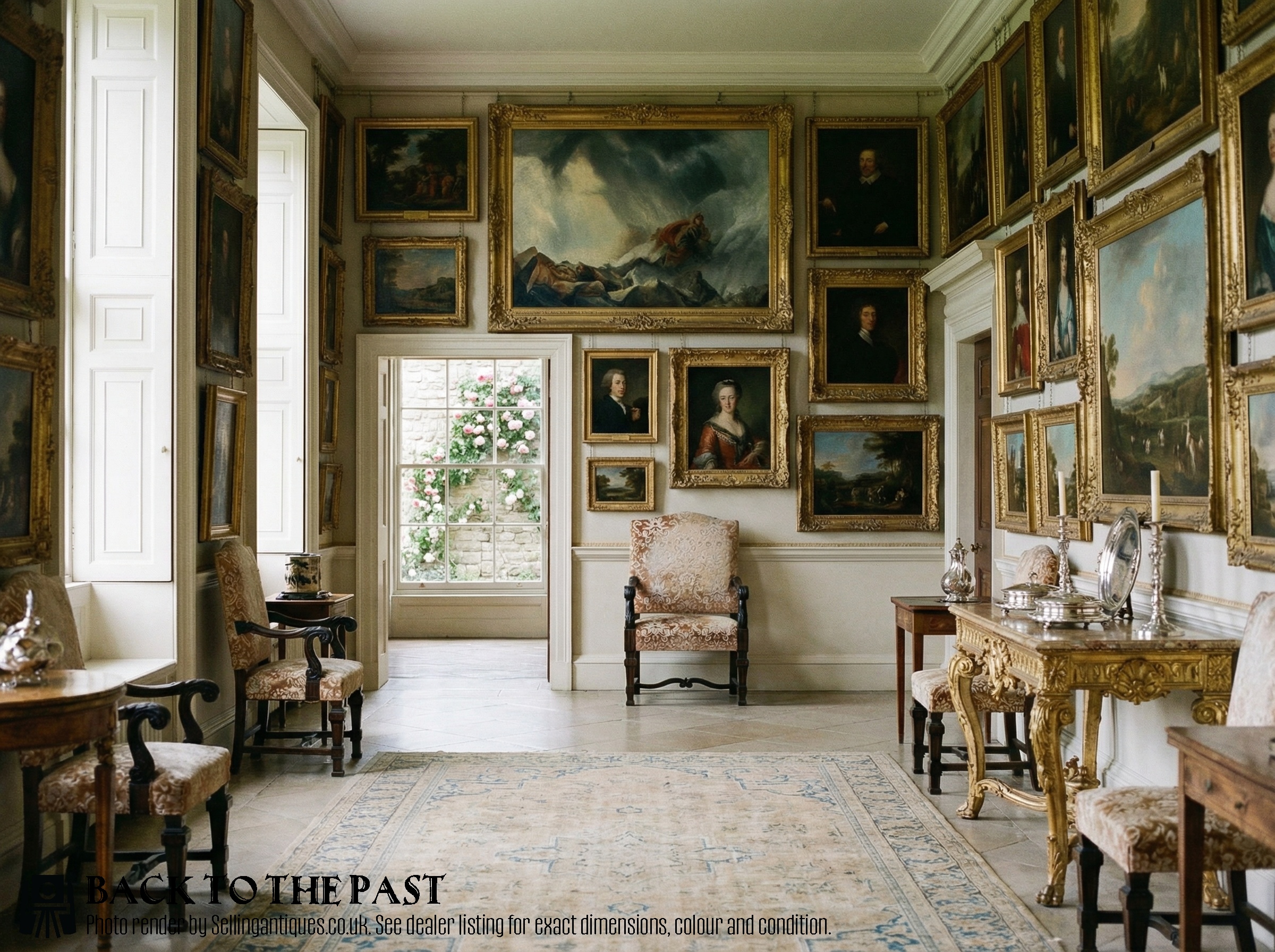
What an 18th Century Style Armchair Is
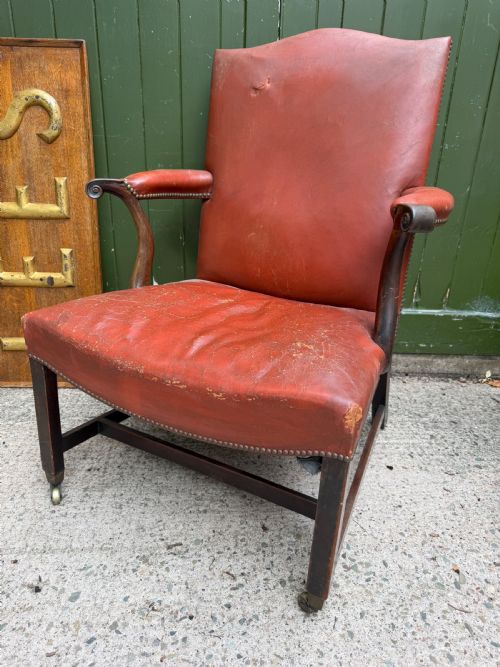
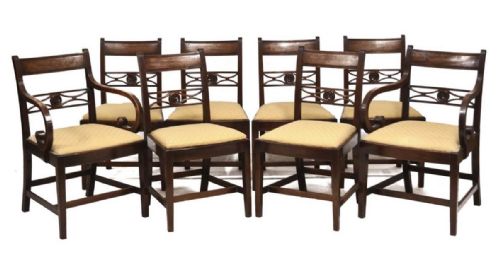
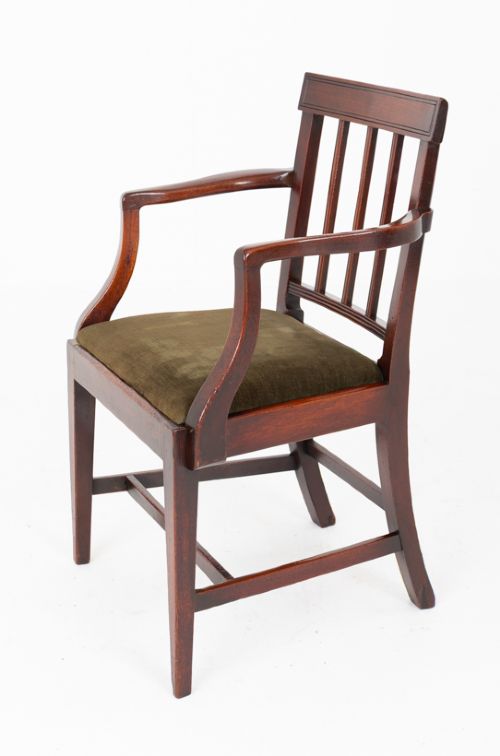
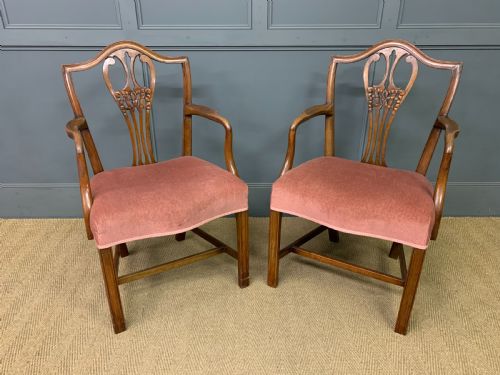
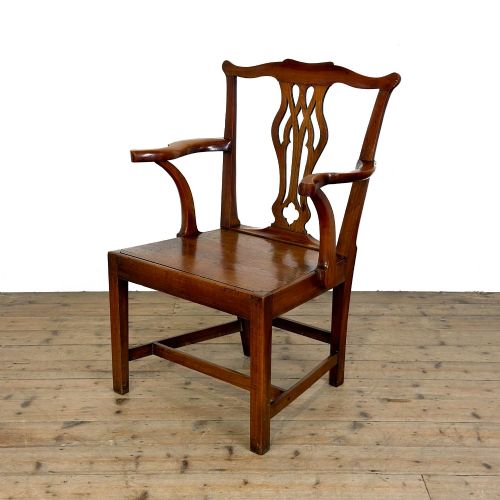
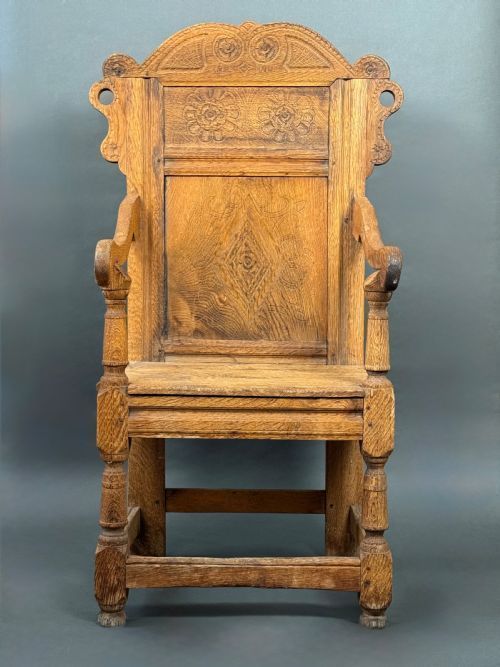
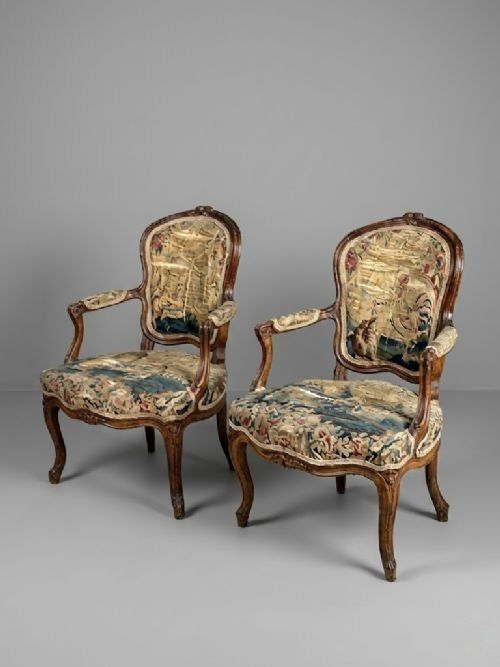
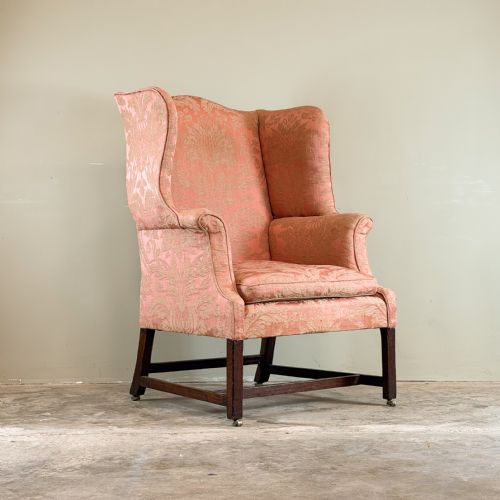
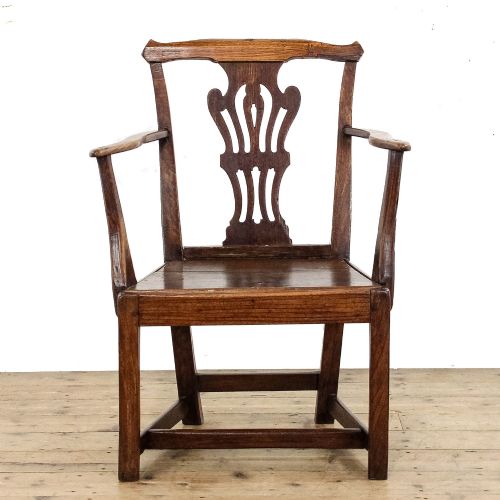
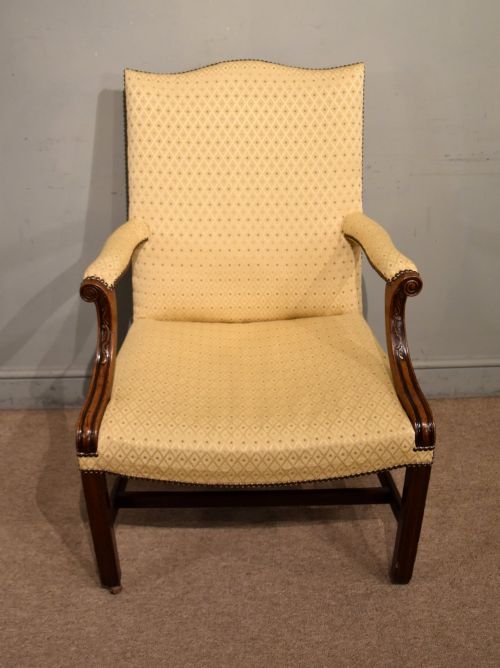
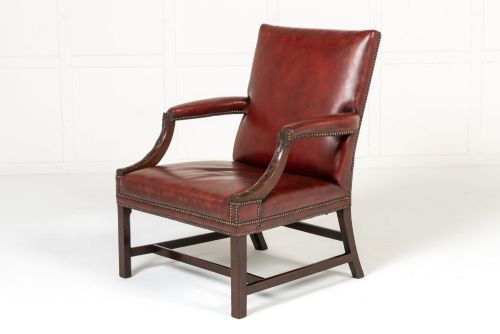
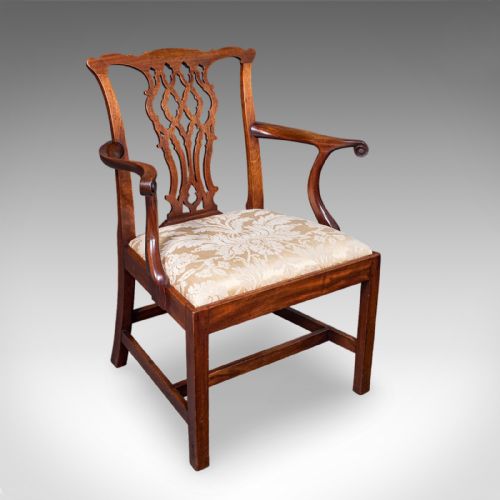
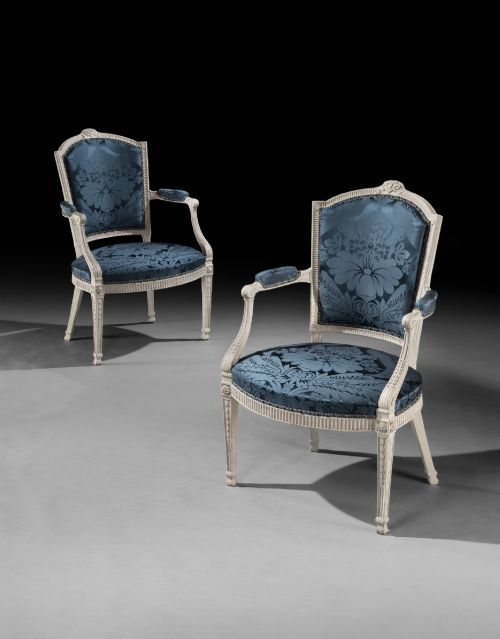
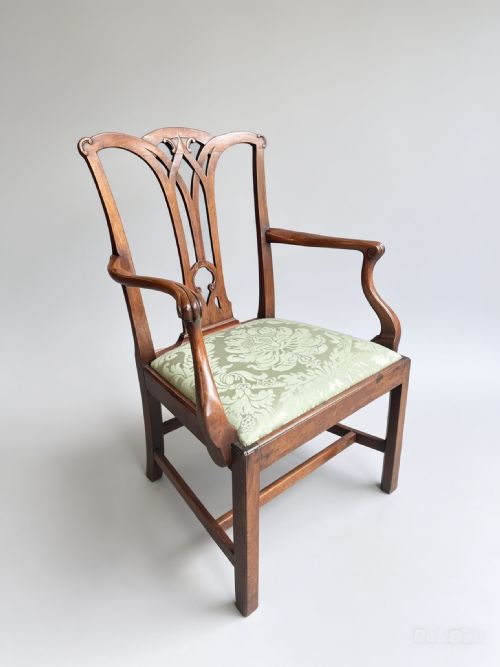
An 18th century style armchair draws on historical designs from Georgian, George II, and Chippendale traditions, recreated across later periods. These seating pieces appear in forms ranging from open armchairs to high-backed wingback chairs and porters or masonic chairs.
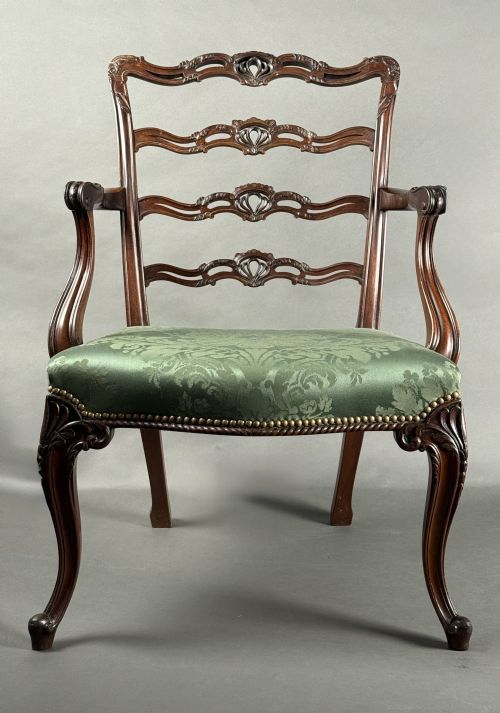
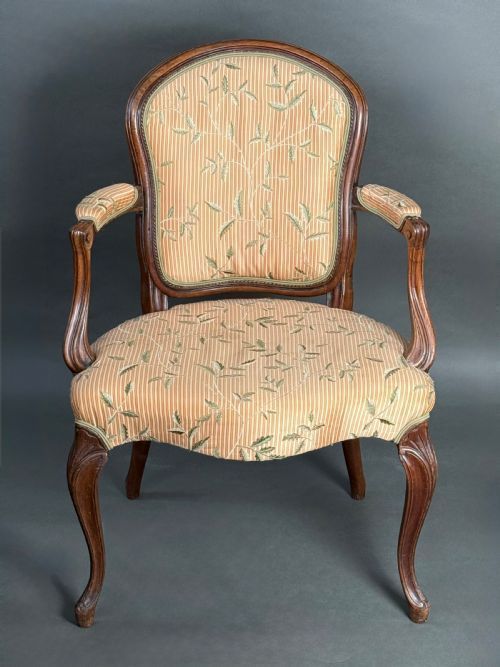
The selections encountered here span genuine Georgian pieces alongside later 19th-century and Edwardian interpretations. Makers often utilised classic structural layouts such as ladder backs or barley twist supports while applying upholstery in textile, printed cotton, and velvet.
How They Were Made
Construction relies upon dense hardwoods including mahogany, fruitwood, padouk, oak, and walnut. These timbers provide the structural integrity required for armchairs subjected to daily use.
Upholstery techniques incorporate fabric, textile, velvet, and tapestry, often paired with exposed wooden frames. Carving and turning shape the structural members, seen in details like ladder backs and barley twist legs.
Retail Price Guide 2026
Typical UK retail prices for 18th century style armchair, calculated from the Sellingantiques database of over a million retail prices indexed since 2003. This retail price guide relies exclusively on Sellingantiques data; no external sources or auction records are used, so the figures do not describe the wider market.
One exceptional armchair doubles as a covert listening post, designed with grand wings originally meant to trap gossip.
What Varies in Quality
Quality rests in the selection and working of the timber, distinguishing straightforward utilitarian frames from finely carved examples. The choice of dense woods like padouk or well-figured mahogany elevates the piece above standard fruitwood or oak constructions.
The integration of upholstery also dictates the standard of the chair. Superior examples feature carefully matched textiles, tapestries, or printed cottons that complement the proportions and period details of the wooden framework.
Gillow
The 18th Century Style Armchair Glossary
- Georgian
- A period spanning the reigns of the first four British monarchs named George, known for distinctive developments in furniture design. Pieces from this era often display balanced proportions and refined timber use.
- Chippendale Style
- A design tradition inspired by the cabinetmaker Thomas Chippendale, characterised by elaborate carving and balanced proportions. These chairs frequently incorporate ladder backs or ornate splats.
- Padouk
- A heavy, durable tropical timber with a rich reddish-brown hue utilised in cabinetmaking. Its density makes it exceptionally sturdy for structural chair components.
- Wingback Armchair
- An upholstered seating form featuring protective wings flanking the backrest to shield the sitter from drafts. Early versions often stood on cabriole or turned legs.
- Barley Twist
- A decorative turning technique resembling a twisted rope, commonly found on the legs and stretchers of seventeenth and eighteenth-century chairs.
Frequently Asked Questions
Are these armchairs comfortable for daily seating?
Most upholstered versions provide generous cushioning suitable for regular use. Wingback and padded elbow chairs offer substantial support compared to rigid wooden forms.
Heavier timber frames ensure stability during daily sitting. Fabric choices range from durable printed cottons to heavier tapestries.
How do I identify a Georgian piece from a later copy?
Original pieces display period construction methods, timber ageing, and tool marks consistent with eighteenth-century workshop practices. Later interpretations often reflect Victorian or Edwardian manufacturing techniques.
Details such as secondary woods and joinery style help differentiate period items from later revival pieces.
What woods were commonly used for these chairs?
Mahogany and walnut appear frequently in formal seating, offering a stable base for detailed carving. Fruitwood, oak, and padouk also feature across different regional traditions and styles.
Timber choice often dictates the weight and colour tone of the frame.
How should I care for the upholstery?
Vacuuming fabric surfaces gently removes dust and prevents fibres from wearing down. Keeping upholstered chairs away from direct sunlight protects textiles and printed cottons from fading.
Professional cleaning is recommended for antique tapestries and delicate velvets.