
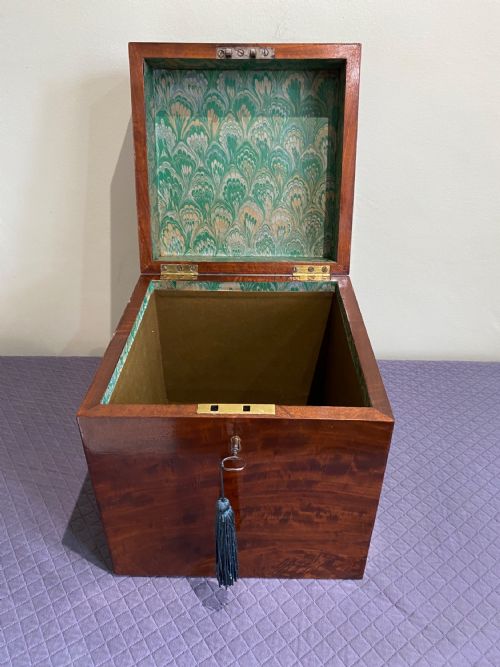


18th Century Storage Box
An 18th century storage box is a sturdy wooden container built to hold valuables, documents or textiles, prized for its honest craft and everyday utility.
18th Century Storage Box
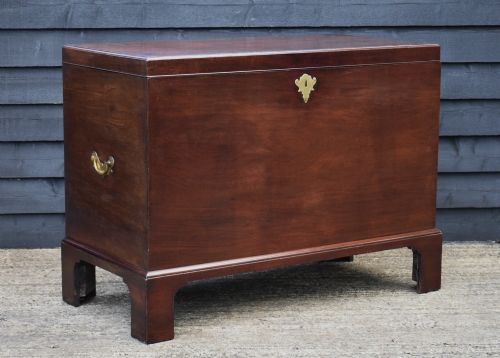
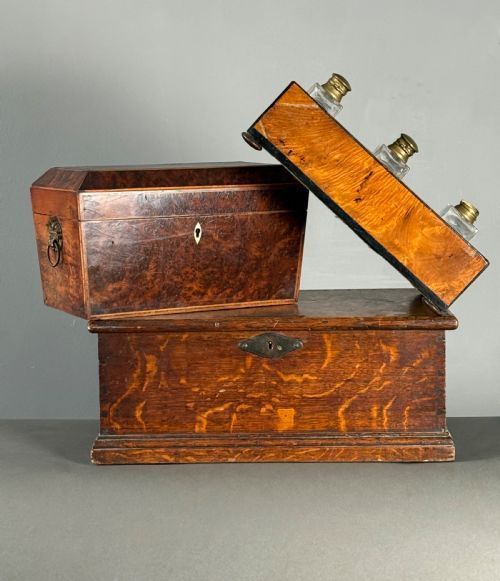
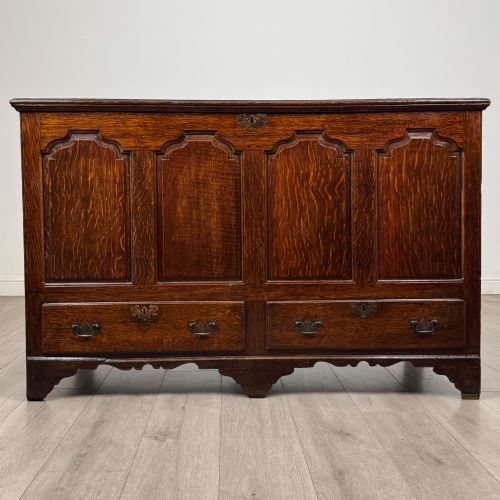
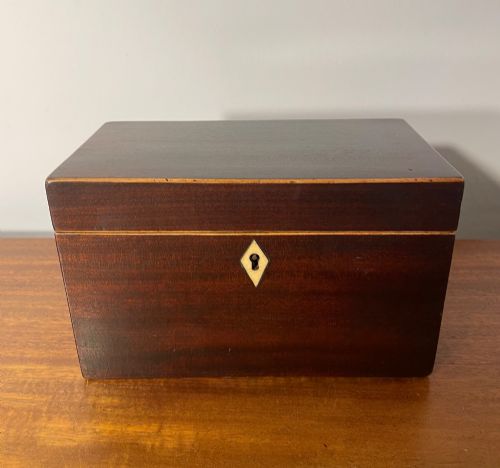
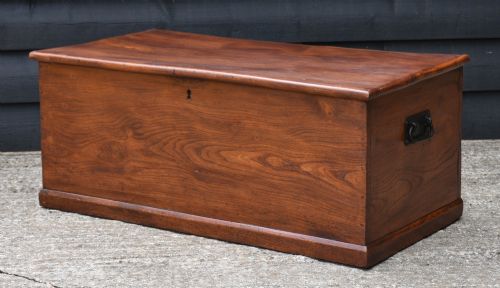
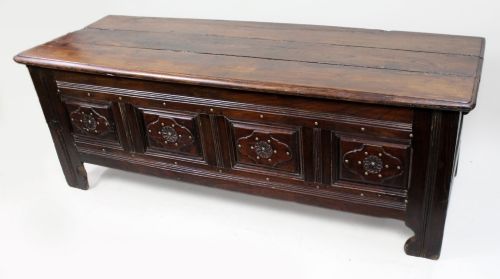
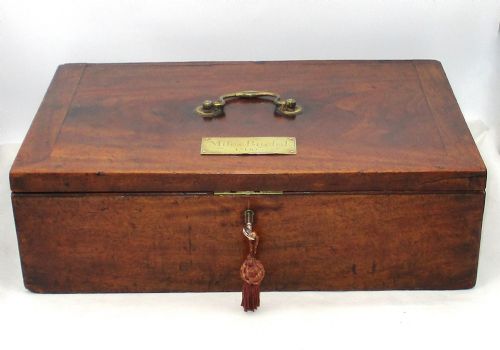
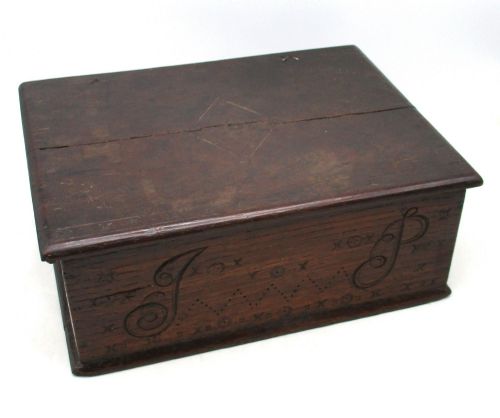
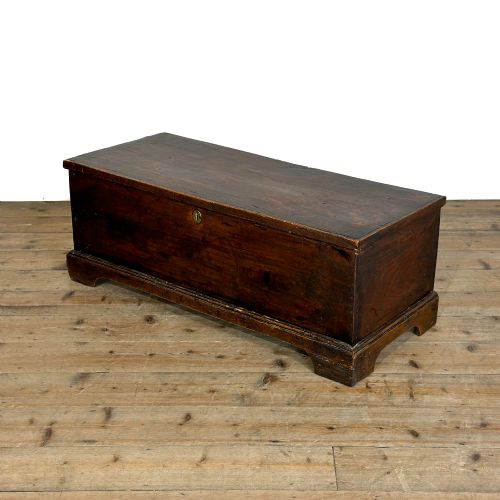
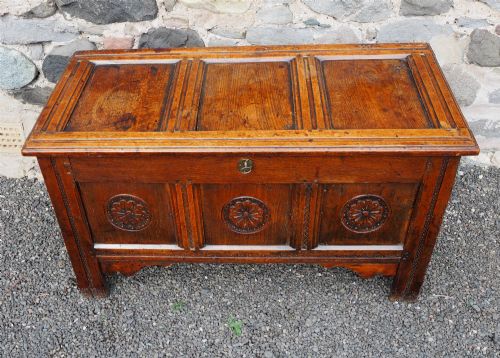
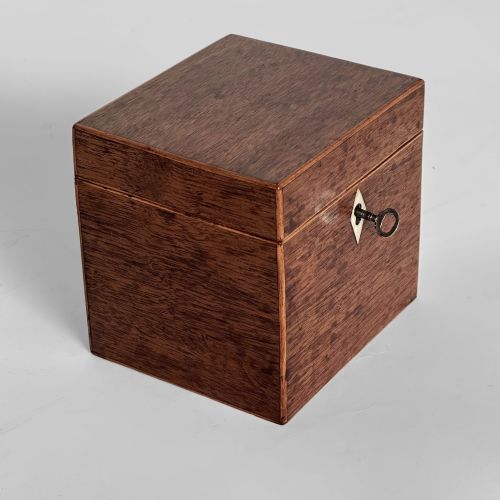
When searching for an 18th century storage box, buyers encounter a diverse range of forms including heavy oak coffers, blanket chests, document boxes and tea caddies. The most common examples seen here are solidly built oak coffers and blanket chests originating from English, Welsh and French provincial workshops.
These pieces served essential domestic functions, housing family silver, important papers, woollen blankets and household provisions before fitted wardrobes and chests of drawers became common. Alongside large chests, smaller table-top document boxes, bible boxes and tea caddies catered to personal valuables and dry goods.
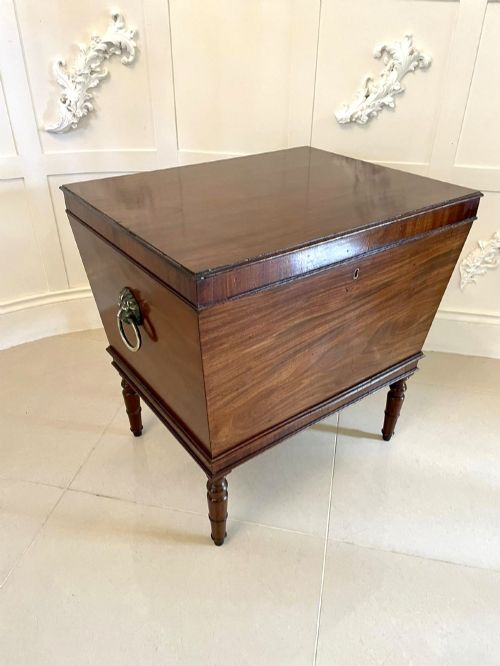
Regional variations shape the selection, spanning Welsh vernacular pieces, French provincial coffers, Scandinavian trunks and Georgian mahogany designs. Buyers also find specialist forms such as box settles, mule chests with lower drawers, and brass-mounted travelling chests.
Materials and construction methods
Makers relied heavily on native timbers, utilising solid oak, elm, ash and pine for vernacular regional furniture, while finer pieces employed imported mahogany, padouk and teak. Boards were joined using traditional pegged mortise and tenon construction, dovetailed corners for smaller boxes, and panelled lids designed to accommodate wood movement.
Iron and brass hardware provided both structural reinforcement and security, featuring strap hinges, heavy carrying handles, decorative brass studs on leather-covered trunks, and working locks with iron keys. Surface finishes remained simple, often showing bare scrubbed timber, traditional wax polish, or traces of early paint and leather upholstery.
Some travel trunks were stoutly studded with thousands of tiny brass nails just to keep wandering merchants from losing their grip.
Judging quality and integrity
Quality rests in the original integrity of the timber, the crispness of any hand-carved panels, and the survival of matching brass or iron hardware. Pieces that retain their original hinges, locks, feet and uncompromised internal till compartments hold distinct distinction over heavily restored examples.
The refinement of the joinery and timber selection defines the tier of a piece, separating humble utilitarian pine packing boxes from finely figured mahogany document caddies or crossbanded Lancashire mule chests. Surface patina accumulated through centuries of daily handling completes the measure of a superior antique.
The 18th Century Storage Box Glossary
- Coffer
- A large heavy box with a hinged lid, traditionally used for storing valuables or linen. Many early examples feature hand-carved front panels and boarded construction.
- Mule chest
- A storage chest fitted with one or more drawers beneath the main compartment. This hybrid form bridges the traditional chest and the chest of drawers.
- Caddy
- A small box designed to store tea leaves securely, often featuring internal lidded compartments. They frequently appear in mahogany or exotic hardwoods with bone details.
- Box settle
- A high-backed wooden bench with a hinged seat opening to a storage compartment below. These dual-purpose seats stood near hearths to block cold drafts.
- Crossbanding
- A border technique where narrow strips of veneer are laid across the grain to frame a panel. It appears on finer Georgian mahogany pieces.
18th Century Storage Box: Frequently Asked Questions
What did they store in them?
These boxes held domestic essentials including heavy woollen blankets, family silver, legal deeds, bibles and expensive dry goods like tea.
Smaller desk boxes protected personal correspondence and writing equipment, while large blanket chests kept textiles safe from damp air.
How do I tell oak from mahogany pieces?
Oak pieces generally reflect earlier vernacular or regional styles with visible grain patterns and pegged joints, typical of seventeenth and early eighteenth-century country furniture.
Mahogany boxes emerged later in the Georgian period, displaying a darker reddish-brown tone, smoother surfaces and finer joinery suited to polite parlours.
Where were box settles used?
Box settles stood in farmhouse kitchens and hallways, serving as both a seat by the fire and a secure chest for household storage.
The high wooden back acted as a screen against cold drafts, while the under-seat compartment held boots or heavy textiles.
Are replacement hinges common?
Many working boxes underwent repairs to iron strap hinges or locks over centuries of daily use, as these moving parts endured heavy strain.
Collectors look closely for original ironwork and evidence of past hinge placements when assessing the untouched condition of a chest.
Can I use an antique chest as a coffee table?
Sturdy blanket chests and low coffers function well as coffee tables in modern living spaces while providing practical internal storage for blankets and books.
Their flat wooden lids easily support decorative trays, though care should be taken to protect antique polished or waxed surfaces from moisture.