






18th Century Spice Cupboard
An 18th century spice cupboard offers compact storage with distinct period character, combining small proportions and utilitarian origins.
18th Century Spice Cupboard
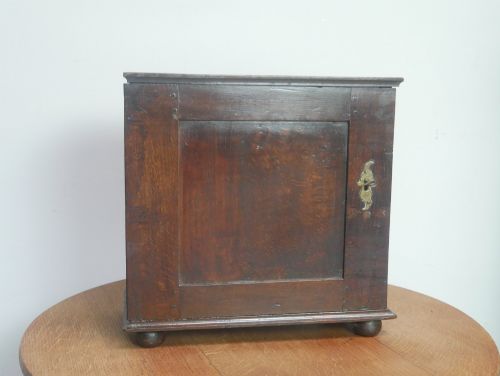
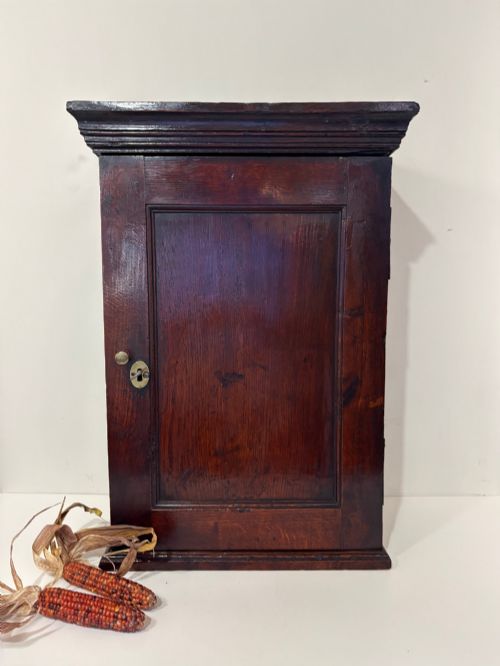
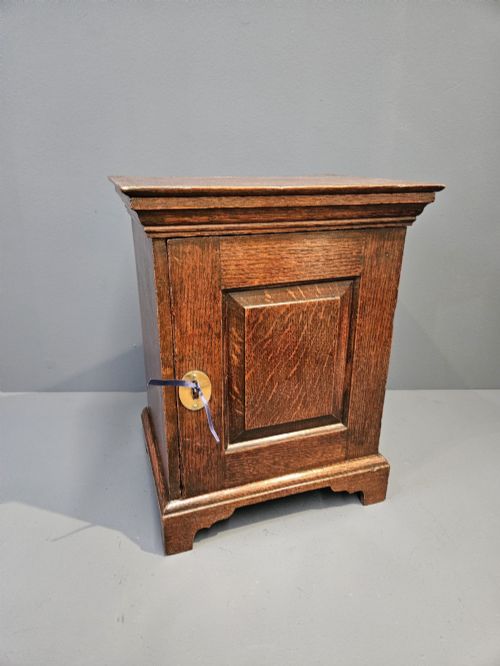
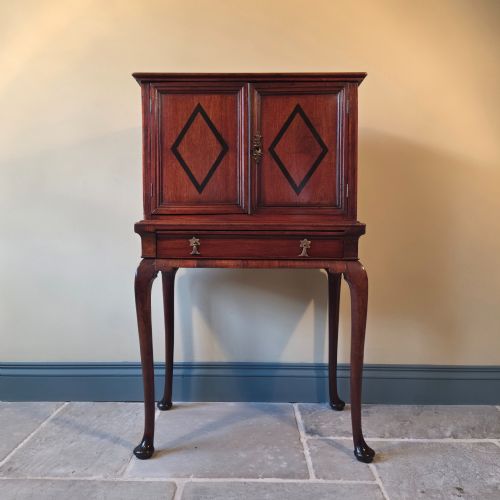
An 18th century spice cupboard is a small storage piece designed to keep valuable dry goods secure within a domestic interior. These small cabinets frequently appear in oak, with walnut, fruitwood, and pine also represented across regional workshops.
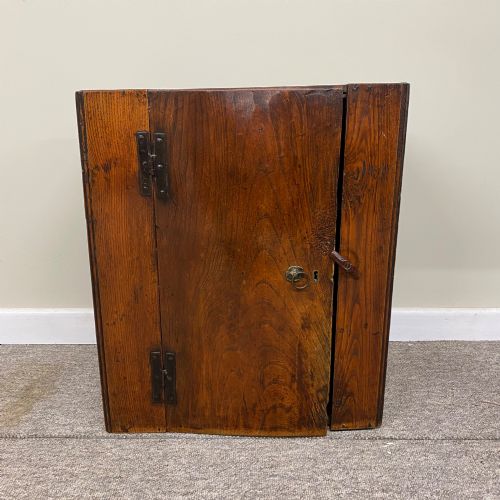
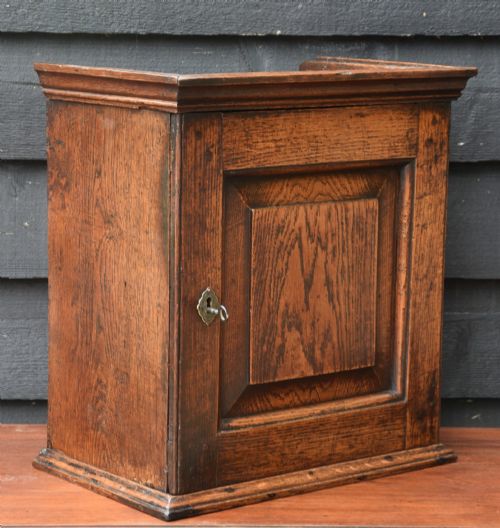
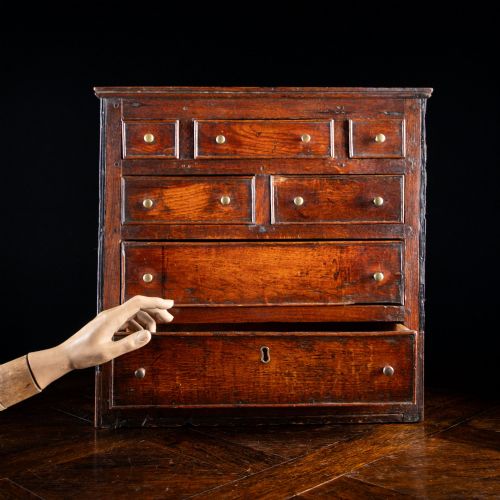
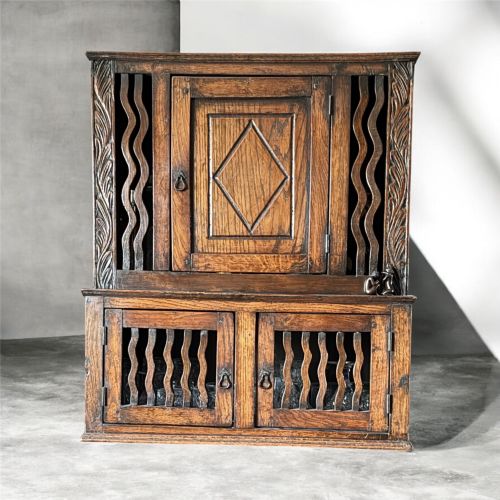
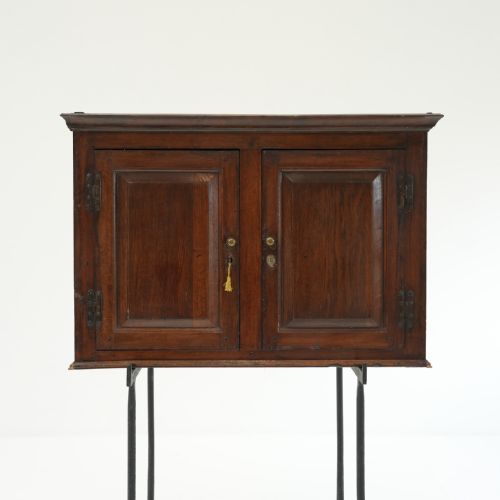
The most common formats on this page are wall-hanging cabinets and small table-top models. Many feature panelled doors and internal configurations of smaller drawers, reflecting their original purpose of storing costly kitchen provisions.
How they were made
Carpenters constructed these cupboards primarily in solid oak using traditional frame-and-panel techniques to accommodate timber movement. Secondary timbers such as pine appear on internal drawer linings and backboards.
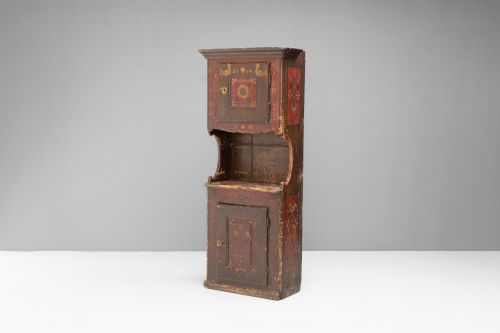
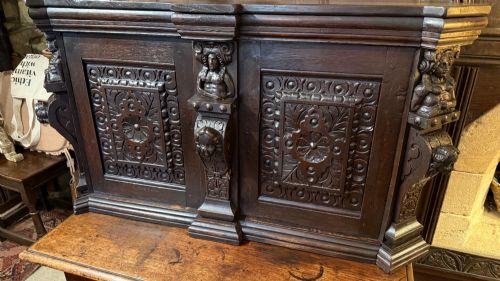
Hardware consists of forged iron hinges, latches, and brass escutcheons or pulls, securing the small doors. Carving, inlay, and painted decoration occasionally embellish the primary surfaces, depending on the regional workshop.
18th Century Spice Cupboard Retail Price Guide 2026
Typical asking prices for 18th century spice cupboard among the pieces listed under this phrase on Sellingantiques today, from the lower quarter to the upper quarter. They describe what is for sale here now, not the wider market.
The listings span oak, fruitwood, walnut, and pine, demonstrating the variety of timbers utilised by period cabinet makers.
What varies in quality
Quality in an 18th century spice cupboard rests largely on the crispness of the timber selection and the integrity of the original hardware. Pieces retaining their fitted internal drawers and backboards command greater interest from collectors.
The depth of carving and the subtlety of surface patination distinguish finer regional examples from simpler utilitarian containers. Construction details, such as hand-cut dovetails on internal drawers, also indicate the care taken by the maker.
The 18th Century Spice Cupboard Glossary
- Oak
- A durable hardwood native to Britain and Europe, used extensively for framing and panelling in 18th century case furniture. Its distinct grain pattern becomes more pronounced as the timber ages.
- Escutcheon
- A protective plate surrounding a keyhole, usually cast in brass or wrought in iron. These fittings prevent the surrounding wood from wearing down through repeated use of the key.
- Dovetail
- A joint formed by interlocking wedge-shaped fingers, utilised to secure drawer corners. Hand-cut dovetails indicate traditional cabinet-making methods prior to industrial manufacturing.
- Patination
- The natural sheen and surface alteration developed on timber over decades through handling, light exposure, and waxing. It forms a key indicator of age and historical use.
- Cornice
- The moulded projection running along the top edge of a cabinet. This architectural detail gives a finished proportion to wall-hanging pieces.
18th Century Spice Cupboard: Frequently Asked Questions
Where were spice cupboards hung?
These small cabinets were typically hung on kitchen or pantry walls where provisions remained close to hand. Their compact footprint allowed them to fit into tighter spaces than standard case furniture.
Today, buyers frequently place them in hallways, kitchens, or living rooms where their shallow depth prevents them from dominating a smaller wall space.
How do I identify a Georgian spice cupboard?
Georgian examples often display balanced proportions, panelled doors, and architectural mouldings that reflect the design conventions of the 18th century. Many incorporate small internal banks of drawers behind a single exterior door.
Regional variations also occur, with Welsh and English country makers employing distinct timber choices and surface treatments compared to continental pieces.
Were these cupboards only used for spices?
While designated for expensive provisions like spices, tea, and medicinal herbs, these small cabinets also stored letters, documents, and small valuables. The internal compartments served multiple domestic storage needs.
Their secure locking doors made them practical containers for items that required safekeeping within a busy household.
How should I care for an oak spice cupboard?
Oak furniture benefits from a stable environment away from direct heat sources and dramatic humidity fluctuations. These conditions prevent the solid timber from splitting or warping.
Occasional application of traditional beeswax helps maintain the surface sheen without building up heavy chemical residues on the historic wood.