

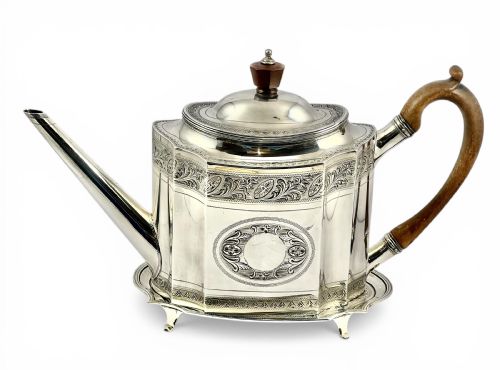


18th Century Silver Stand
These 18th century silver stand pieces range from compact teapot bases to substantial cruets, offering genuine period utility for the dining table.
18th Century Silver Stand
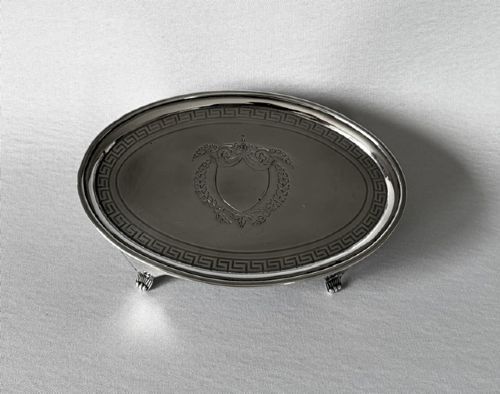
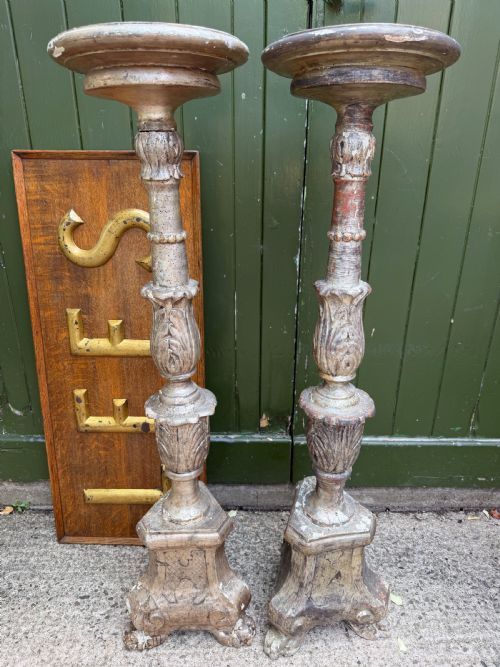
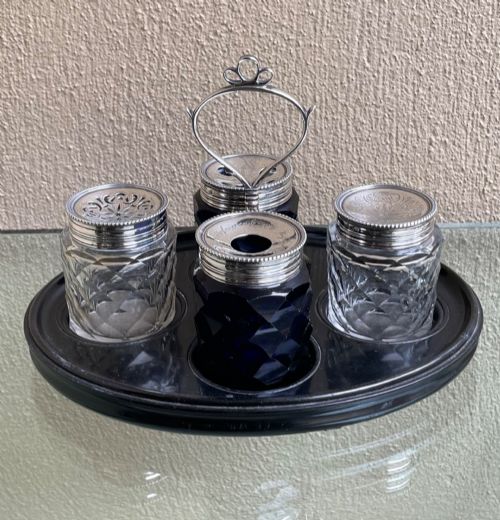
An 18th century silver stand covers a diverse group of domestic furnishings designed to hold tableware, writing equipment, or lighting fixtures above the surface of a table or floor. The selection includes dedicated teapot stands, cruet stands with glass bottles, inkstands, and tall torcheres or candle stands.
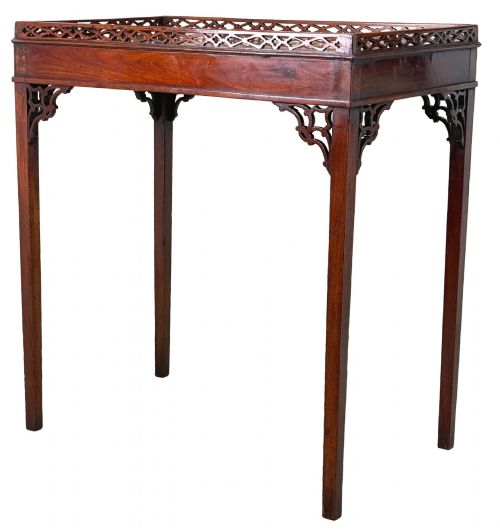
Most examples originate from the Georgian period, often bearing the stylistic hallmarks of George II or George III reigns. Buyers encounter both solid sterling silver and plated metals such as Old Sheffield Plate, alongside related wooden furniture items designed specifically to hold silver.
Materials and methods of construction
Silversmiths utilised sterling silver and silver plate, frequently combining the metal with cut glass bottles, ebony, or copper within cruet frames and inkstands. Wooden pieces employ mahogany, oak, and red walnut, sometimes decorated with silver leaf or carved details.
Construction techniques involve traditional silversmithing methods such as casting, hammering, and piercing, alongside cabinetmaking skills seen in the production of tea chests and occasional tables.
Object forms span practical domestic items including cruet sets, inkstands, goblets, and dish crosses alongside taller torcheres.
What sets individual pieces apart
Quality rests upon the clarity of maker marks and hallmarks, the crispness of chased or carved ornamentation, and the survival of original associated components like glass bottles in cruet sets. Pieces by recorded workshops retain stronger collector interest.
Structural integrity also dictates worth, particularly in items combining delicate silver mounts with glass or wood, where proper preservation of the original materials remains essential.
Robert Hennell I·Peter and Anne Bateman·James Tregent·Hester Bateman·John Cafe
The 18th Century Silver Stand Glossary
- Sterling silver
- A standard alloy consisting of silver and other metals, typically copper, to ensure durability in domestic objects. It forms the primary metal for high-status stands.
- Old Sheffield plate
- An early composite material made by fusing a layer of silver to a thicker copper base. It appears frequently on candlesticks and coasters from the period.
- Cruet stand
- A frame designed to hold a set of glass bottles or casters for condiments and spices at the dining table. They often feature silver mounts and handles.
- Torchere
- A tall ornamental stand or candlestick designed to support a light source. Eighteenth-century examples often utilise carved and silvered wood.
- Paktong
- A copper-nickel-zinc alloy imported from China and used as a substitute for solid silver in candle stands and other metalware.
18th Century Silver Stand: Frequently Asked Questions
How do I identify a teapot stand?
Teapot stands typically take small geometric forms, often oval or octagonal, supported on feet to elevate hot pots off polished wooden furniture.
They carry hallmarks on the underside or rim, matching the silver teapots they originally accompanied during tea service.
What is the difference between solid silver and plated stands?
Solid sterling silver pieces contain silver throughout and bear full hallmarks indicating city and date of assay. Plated stands, including Old Sheffield Plate items, reveal a base metal like copper beneath areas of wear.
Both types date to the same Georgian period, though solid silver commanded higher status originally.
How were cruet stands used?
Cruet stands held glass bottles and casters containing vinegar, oil, and spices for use during meals. Servants placed them centrally on the dining table so diners could season food to taste.
The metal frames often incorporate carrying handles and fitted rings to secure the glass vessels.
Can I use these stands daily?
Many sturdy stands function well for contemporary display or service, provided they receive careful handling and appropriate cleaning. Delicate items with fragile glass inserts or silver leaf require more cautious treatment.
Regular gentle maintenance preserves the surface finish of both silver and wood.