

18th Century Server Table
An 18th century server table provides a commanding surface for dining rooms, built from rich timbers to anchor a period interior.
18th Century Server Table
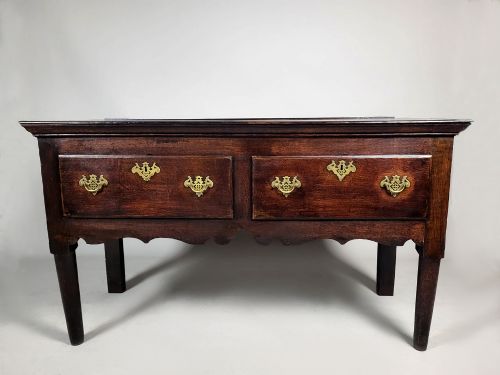
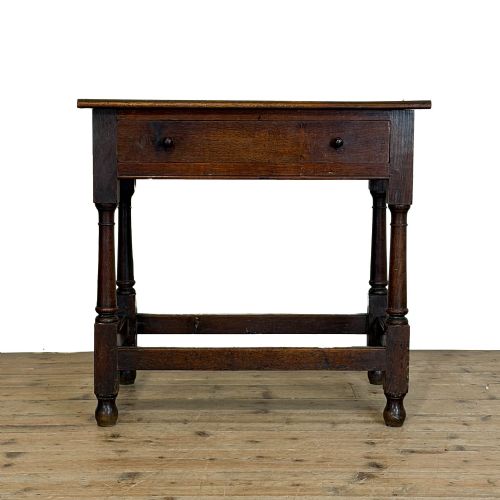
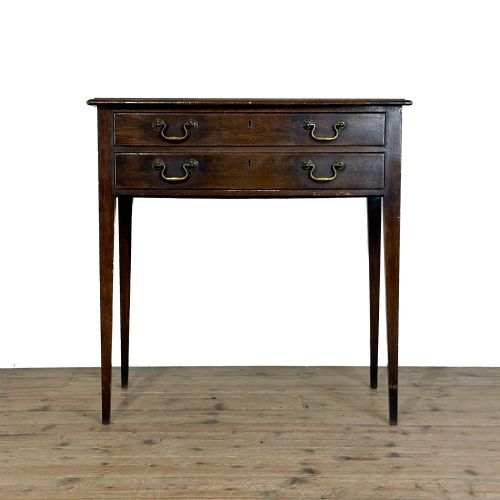
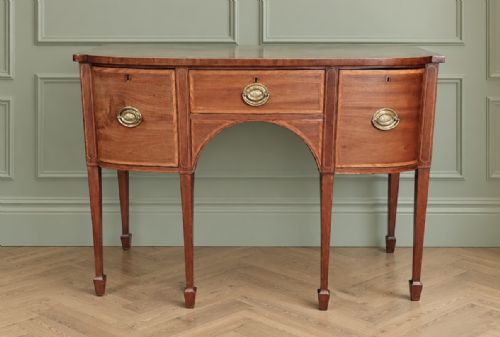
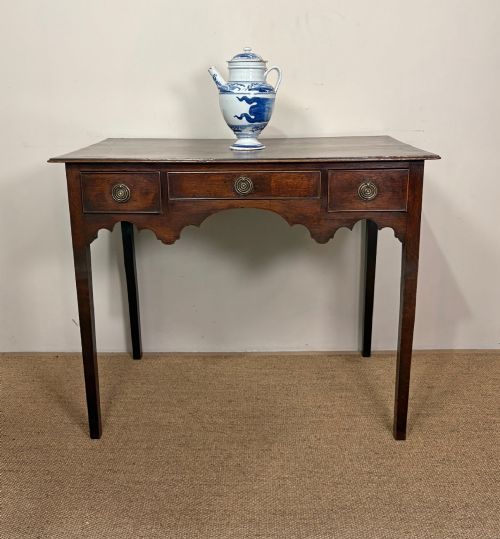
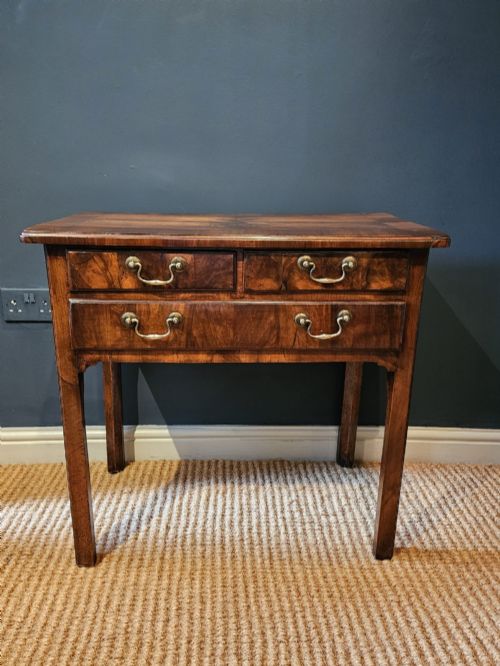
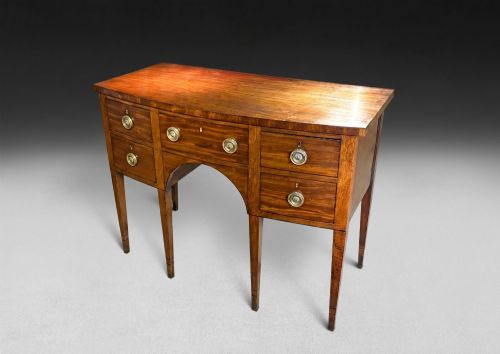
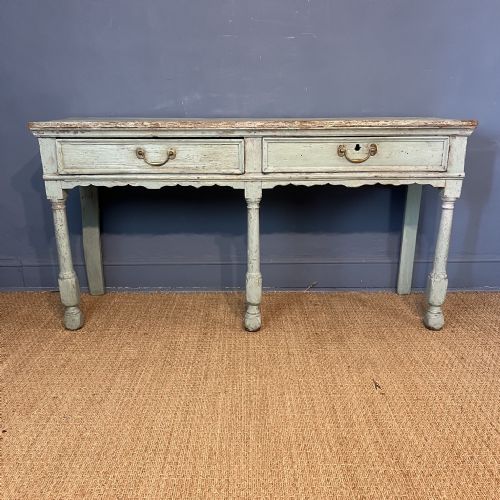
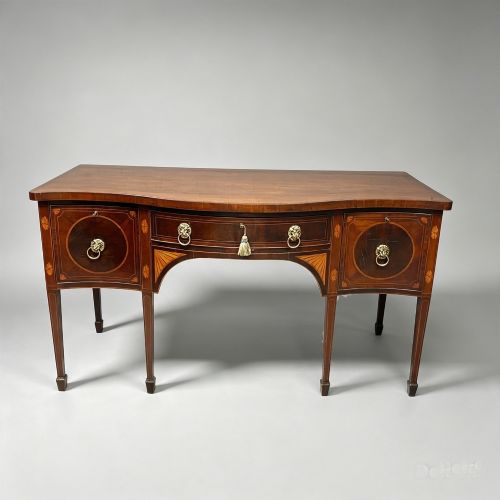
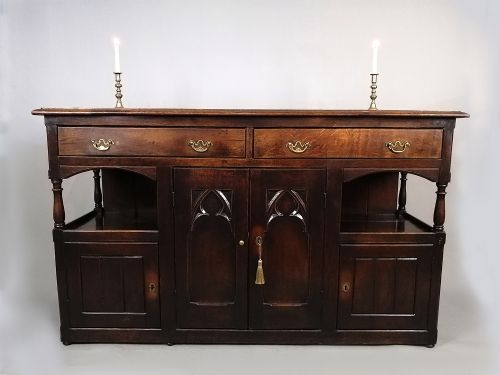
An 18th century server table is a substantial piece of dining furniture designed for serving food and displaying silver, most frequently encountered on this page as an oak or mahogany side table, dresser base, or sideboard.
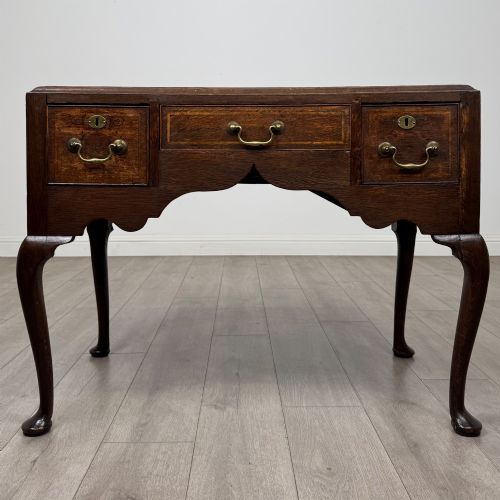
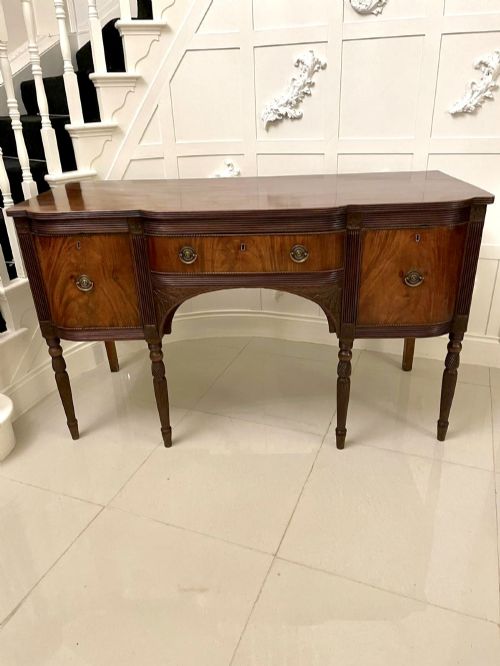
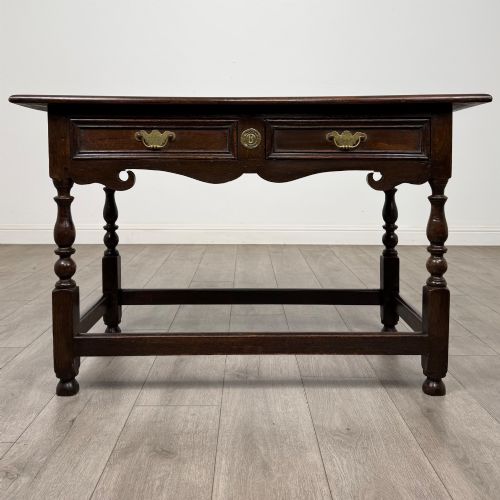
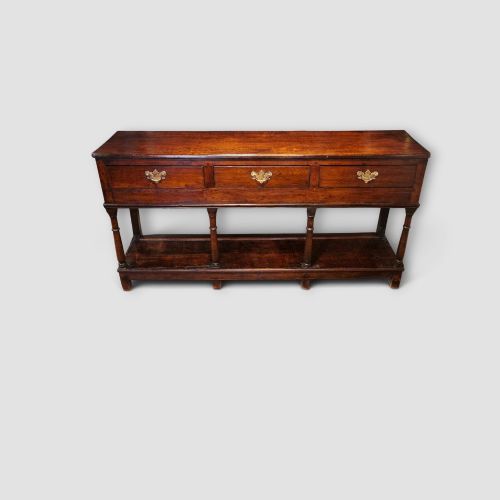
The pieces listed here span the Georgian, Queen Anne, and George II eras, appearing in forms ranging from lowboys and potboard dressers to breakfront and serpentine sideboards.
Makers and joiners constructed these tables primarily in oak and mahogany, often utilising walnut, cherrywood, and satinwood inlay to add distinction to the grain.
How they were made
Cabinetmakers utilised solid timbers such as oak, mahogany, and walnut, building robust frames with mortise and tenon joinery that withstood heavy daily use in busy households.
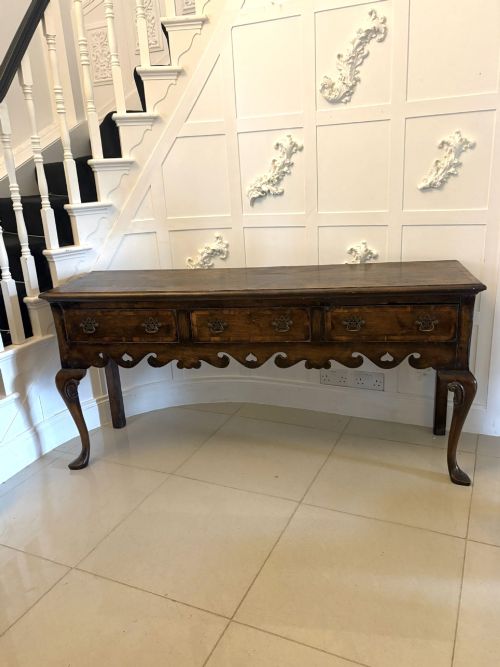
Craftsmen enhanced selected pieces with decorative techniques including boxwood and satinwood inlay, geometric mouldings, and carved cabriole legs suited to formal reception rooms.
Listings feature oak, mahogany, walnut, cherrywood, boxwood, and satinwood inlay across Georgian and Queen Anne periods.
What varies in quality
The distinction between standard and superior pieces rests upon the choice of timber figure, such as highly figured mahogany or burr walnut, combined with the crispness of hand-carved details.
Proportion and structural integrity separate simpler utility furniture from high-status items, where refined elements like serpentine fronts, purpleheart banding, and intact potboards demonstrate superior craftsmanship.
The 18th Century Server Table Glossary
- Lowboy
- A small oak or walnut table featuring one or more rows of drawers, commonly used as a dressing table or side table in the eighteenth century.
- Potboard
- An open lower shelf fitted between the legs of a dresser base, traditionally used for storing pottery and heavy kitchen wares.
- Serpentine
- A curved line of furniture fronting that sweeps inward centrally and outward at the ends, requiring advanced carpentry skill.
- Cabriole leg
- A furniture leg that curves outward at the knee and tapers inward at the ankle, mimicking animal limbs popular in Georgian design.
- Tray top
- A raised rim edging the top surface of a side table, designed to prevent rolling items from falling to the floor.
18th Century Server Table: Frequently Asked Questions
What is a server table used for?
These tables served dining rooms by holding dishes, serving platters, and silver during large meals before sideboard designs evolved.
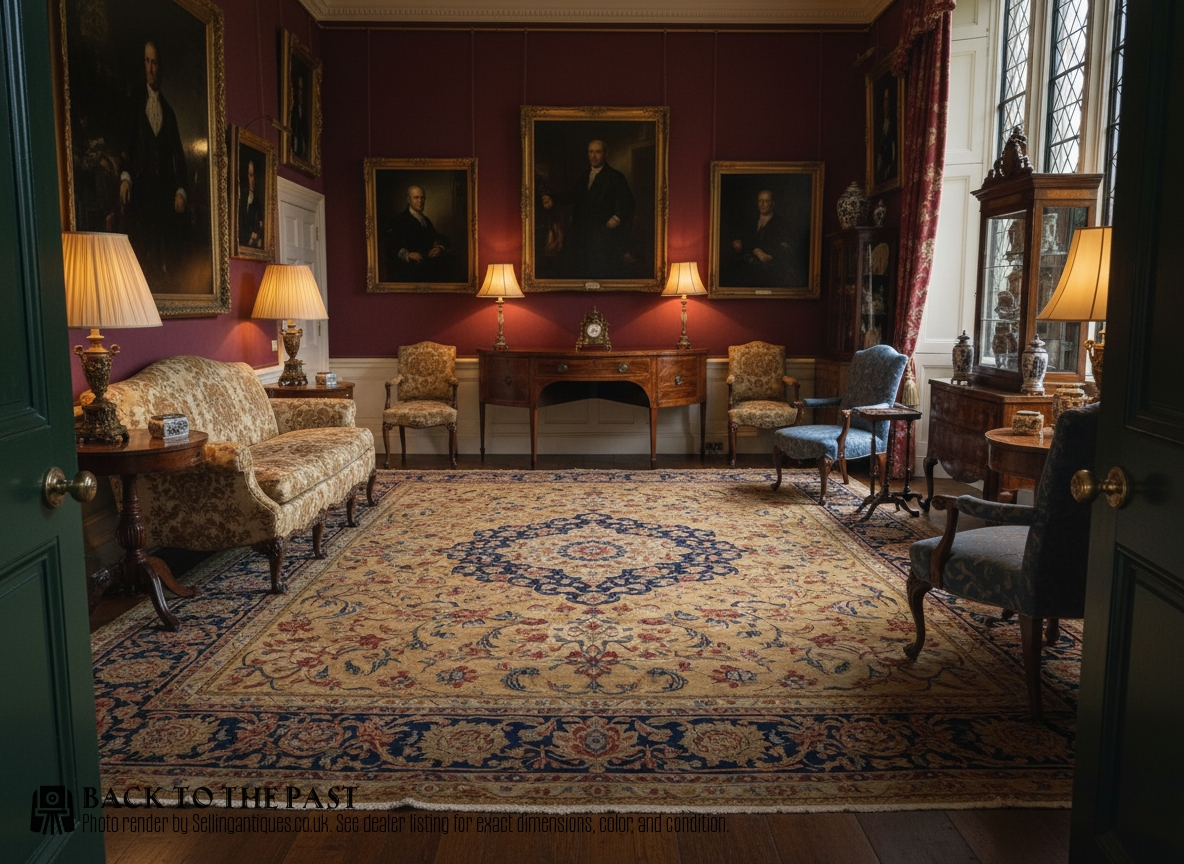
Today, they function as display consoles in hallways and living spaces, offering useful surface area and concealed drawer storage.
How do I identify a Georgian piece?
Georgian furniture is identified through characteristic stylistic markers such as cabriole legs, geometric mouldings, and specific proportions tied to the reigns of the Georges.
Timbers shifted from early oak to rich Cuban mahogany and walnut as the century progressed, accompanied by refined inlay work.
What is the difference between a lowboy and a server?
A lowboy is a compact table with drawers, typically lower in height and originally intended for personal grooming or light storage.
A server or serving table is larger, designed specifically for dining room service and heavier display duties.
Are these tables made from solid wood?
Eighteenth-century workshops built these pieces using solid native and imported hardwoods like oak, mahogany, and walnut for structural stability.
Finer surfaces often incorporated decorative veneers and contrasting stringing over secondary pine or oak carcases.