

18th Century Seating
These pieces of 18th century seating offer enduring craft and domestic history, bringing solid woods and period upholstery straight into a modern room.
18th Century Seating
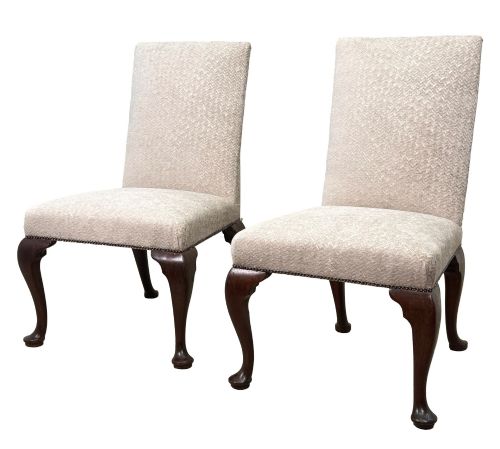
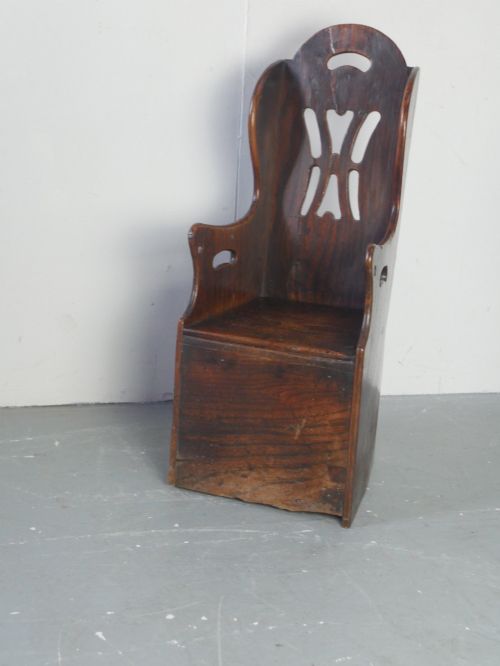
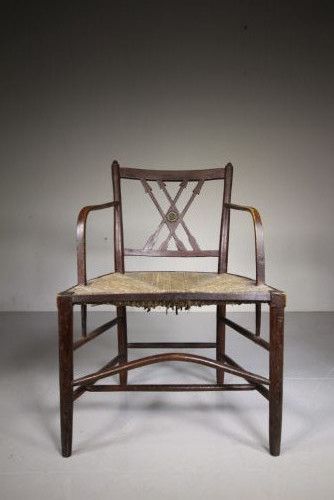
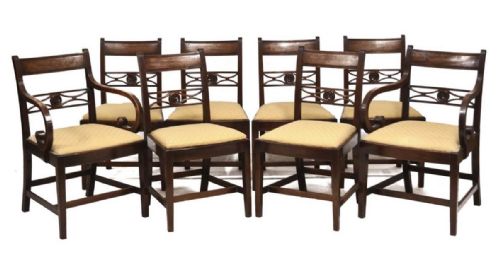
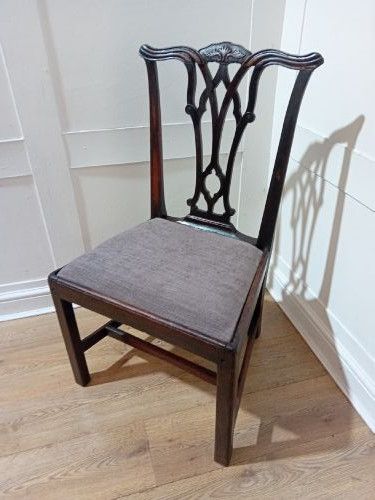
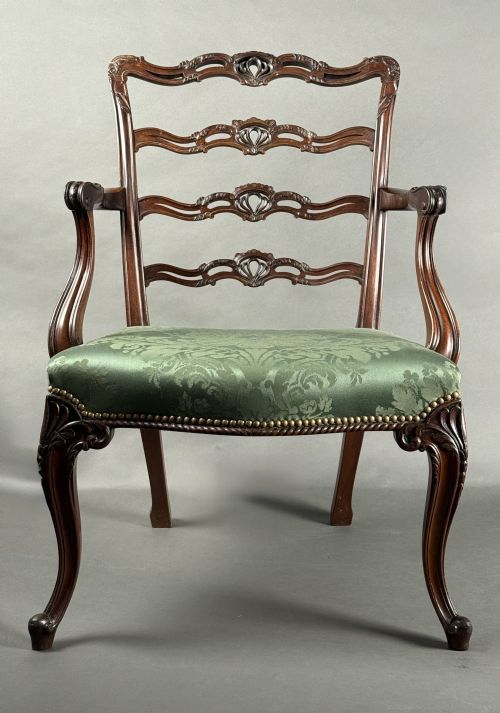
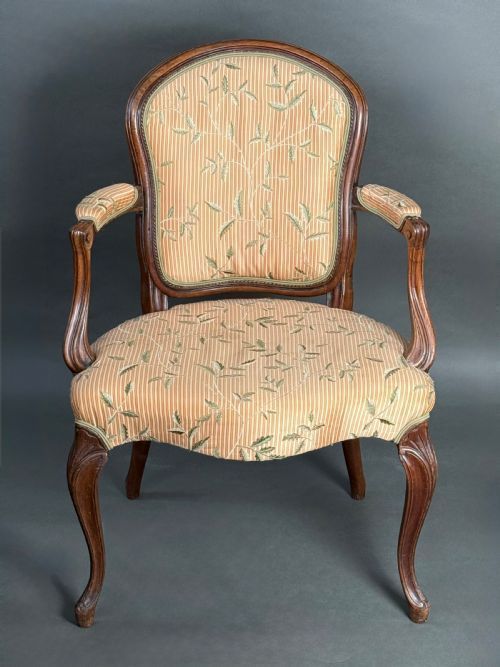
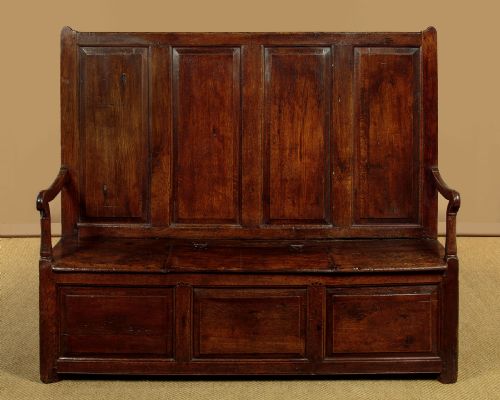
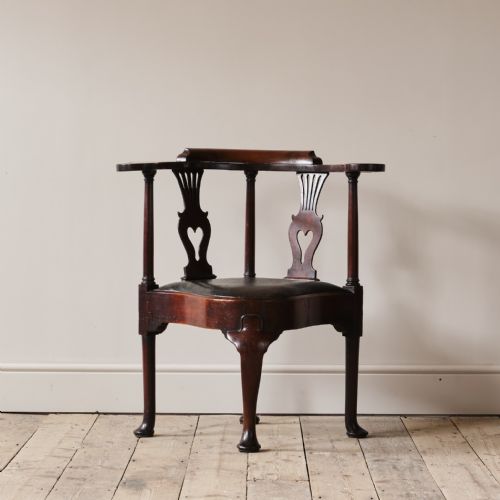
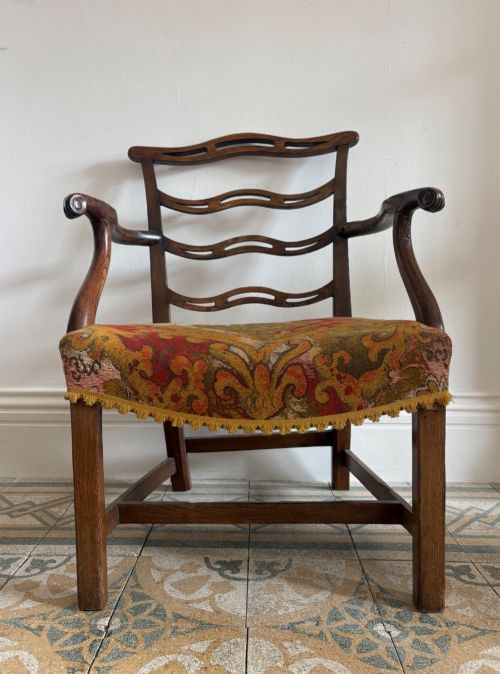
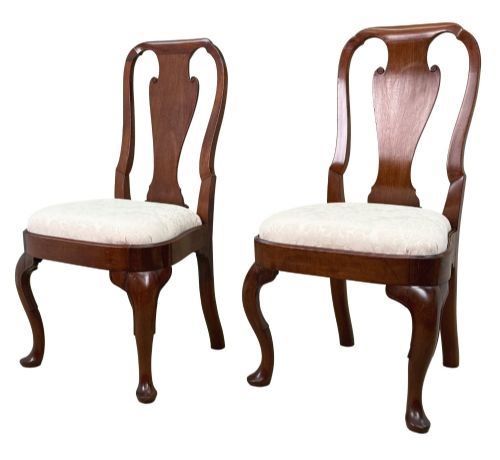
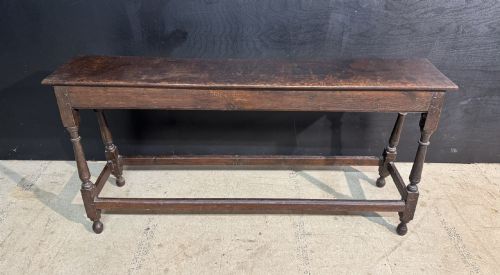
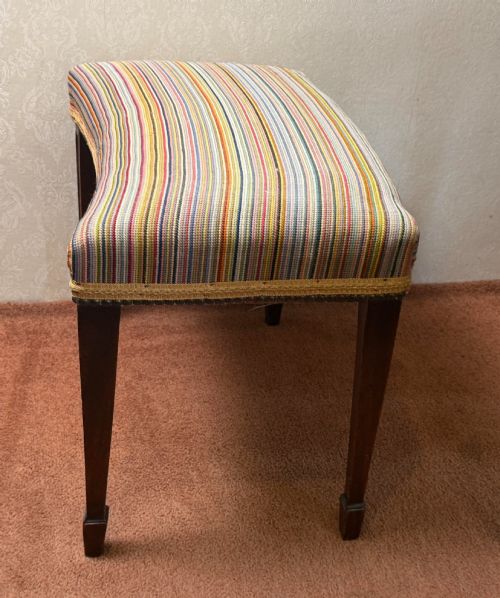
When searching for 18th century seating, a buyer encounters a diverse range of functional domestic furniture spanning dining chairs, armchairs, settles, and stools. The selection reflects the varied social strata of the period, moving from high-status mahogany library chairs to robust oak country settles.
The most common forms appearing in these listings include George III dining chairs, Windsor armchairs in elm and ash, and early walnut side chairs. These pieces served practical roles in domestic interiors, from the dining room to the hallway and the fireside.
Geographic origins span English workshops alongside Scottish, Welsh, Irish, French, and Swedish examples, each utilising regional timbers and vernacular design traditions. This variety allows a buyer to source specific regional pieces that suit a particular interior scheme.
Construction and materials
Cabinetmakers and joiners relied heavily on native hardwoods such as oak, elm, ash, and fruitwood for vernacular furniture, while importing fine mahogany and walnut for formal urban commissions. Timber selection dictated the structural capabilities of the chair, allowing for slender carved cabriole legs in walnut or sturdy turned spindles in regional Windsor designs.
Joinery methods involved traditional mortise and tenon joints, dovetailing, and steam-bending for curved elements like Windsor bow backs. Upholstered pieces employed webbing and horsehair stuffing beneath outer textile coverings including silk, tapestry, and painted finishes.
18th Century Seating Retail Price Guide 2026
Typical asking prices for 18th century seating among the pieces listed under this phrase on Sellingantiques today, from the lower quarter to the upper quarter. They describe what is for sale here now, not the wider market.
Listings feature timbers including mahogany, oak, walnut, elm, ash, and fruitwood across pieces dated from the 17th to the 19th century.
Judging quality and integrity
The distinction between ordinary and exceptional examples rests upon the crispness of carved detail, the preservation of original timber surfaces, and structural integrity. A piece retaining its original timber patination and honest proportions holds greater architectural coherence than one altered by later restoration.
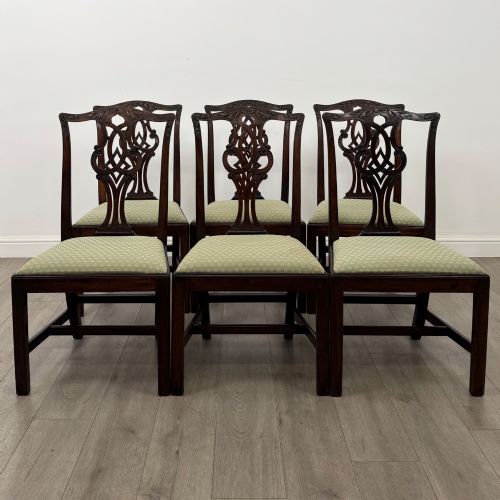
Refinement in design, such as well-proportioned splats, elegant rail curves, and harmonious integration of legs to seat frame, separates standard provincial work from master cabinet work. Original upholstery foundations and untouched frame construction further elevate the standing of a piece.
Colefax and Fowler
The 18th Century Seating Glossary
- Cabriole leg
- A furniture leg that curves outward at the knee and tapers inward toward the ankle, often ending in a pad or claw foot. This form derives from animal limbs and gained popularity during the Queen Anne and George II periods.
- Splats
- The vertical wooden strip down the centre of a chair back, connecting the crest rail to the seat. It frequently receives carved decoration or pierced openwork.
- Joint stool
- A low wooden stool constructed with mortise and tenon joints using pegs rather than glue. These sturdy seats served multi-purpose domestic functions before individual dining chairs became commonplace.
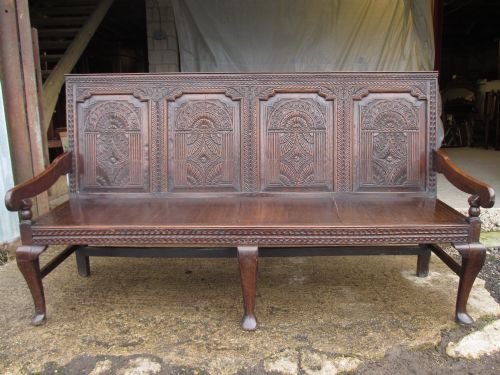
- Box settle
- A high-backed wooden bench featuring a storage compartment beneath the seat. The enclosed base protected occupants from floor drafts in older properties.
- Gainsborough chair
- A type of upholstered armchair with an open padded arm, short legs, and a wide seat designed for library use during the Georgian period.
- Wheelback
- A Windsor chair variation featuring a pierced circular splat resembling the wheel of a cart. This regional vernacular design developed primarily in the late 18th century.
18th Century Seating: Frequently Asked Questions
How do I identify a George III chair?
George III pieces typically display straight or square-tapered legs, shield or pierced ladder backs, and the frequent use of mahogany timber. These design traits reflect the neoclassical shift away from heavier earlier styles.
Looking closer at the joinery and carving reveals the refined standards of the late 18th century workshop tradition.
What is a Windsor armchair?
A Windsor chair is a vernacular seating form featuring a solid wooden seat into which individual legs and back spindles are wedged directly. They often combine elm seats with ash or yew superstructures.
These chairs were widely produced in regional English workshops for domestic and farmhouse use throughout the 18th century.
Where were box settles used?
Box settles stood in hallways, kitchens, and large living spaces to provide communal seating while blocking cold draughts from stone floors. The enclosed base also served as a secure trunk for household storage.
Their solid oak construction allowed them to endure heavy daily use in busy rural homes.
How do I care for antique wood?
Maintain antique timber furniture by placing it away from direct heat sources and strong sunlight, which dry out the wood and fade the finish. Regular dusting with a dry, soft cloth preserves the natural surface patination.
Avoid modern silicone polishes, as they build up residue and degrade the historic finish over time.