




18th Century Religious Sculpture
These 18th century religious sculpture pieces offer devotional devotion and craftsmanship from continental workshops.
18th Century Religious Sculpture
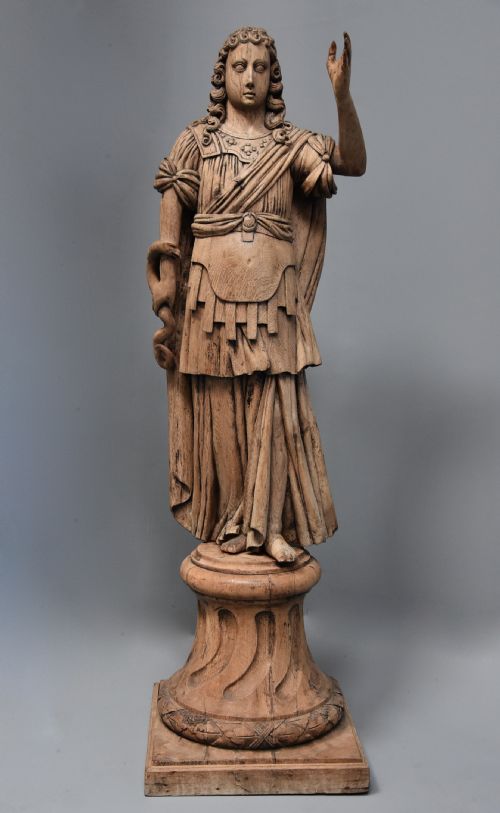
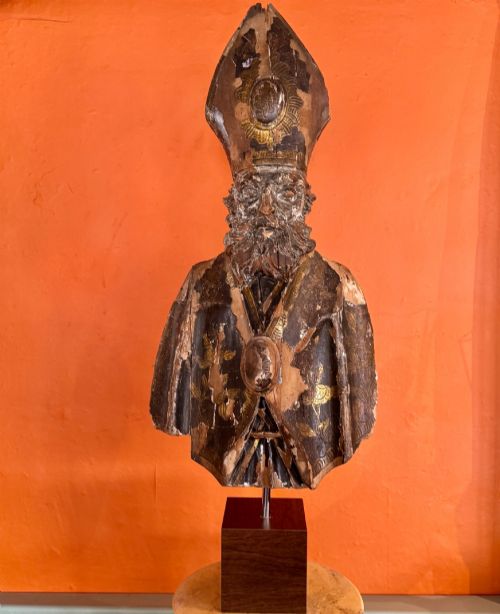
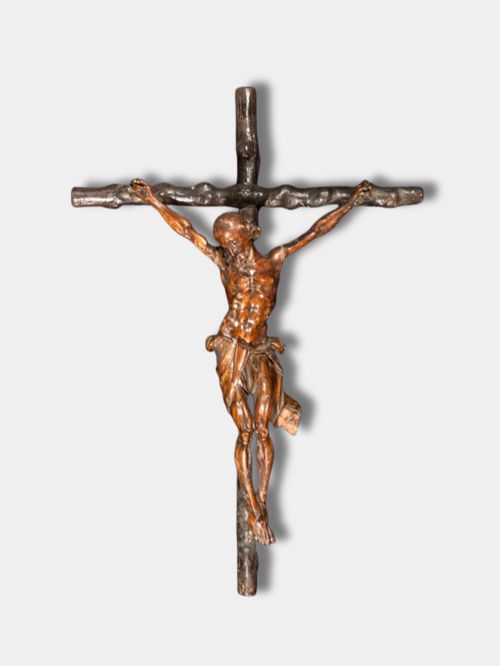
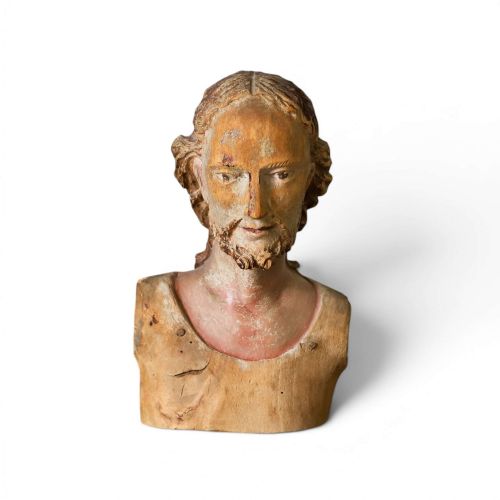
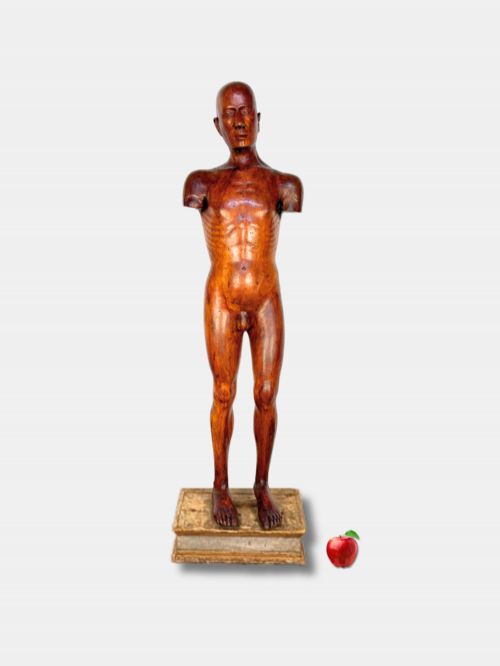
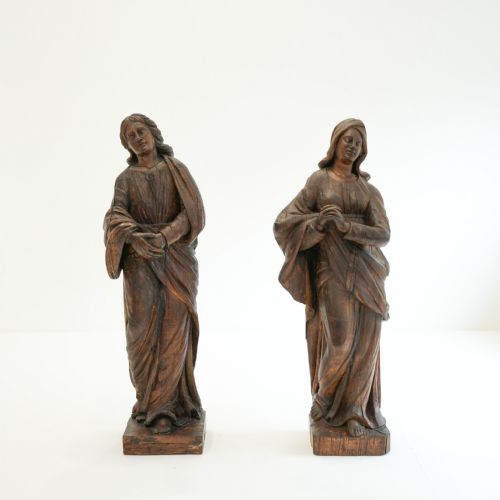
Forms range from life-size oak figures and detailed walnut busts to smaller limewood carvings and polychrome putti. Continental Baroque styles dominate the selection, showing the dramatic and ornate aesthetic common in ecclesiastical commissions of the period.
Materials and construction
Carvers shaped these pieces primarily from woods such as oak, walnut, olive wood, lindenwood, and hardwood. Artisans frequently applied gesso surfaces over the timber base to prepare for detailed finishing.
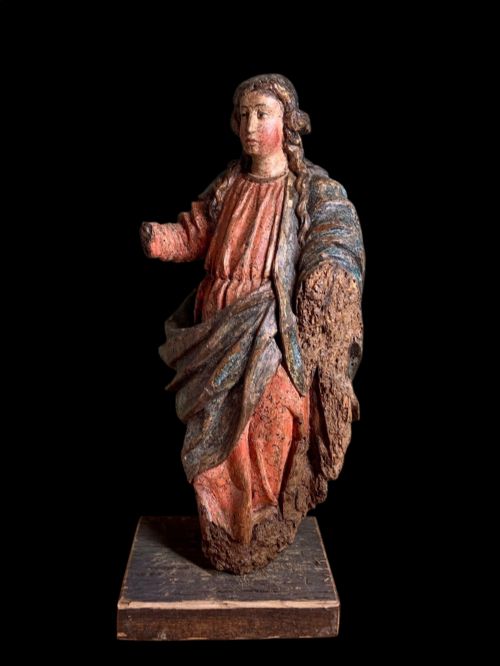
Makers then decorated the wooden forms using polychrome paint, silvering, and gold leaf applications. Certain items incorporated bronze casting or engraving techniques alongside traditional wood carving.
18th Century Religious Sculpture Retail Price Guide 2026
Typical asking prices for 18th century religious sculpture among the pieces listed under this phrase on Sellingantiques today, from the lower quarter to the upper quarter. They describe what is for sale here now, not the wider market.
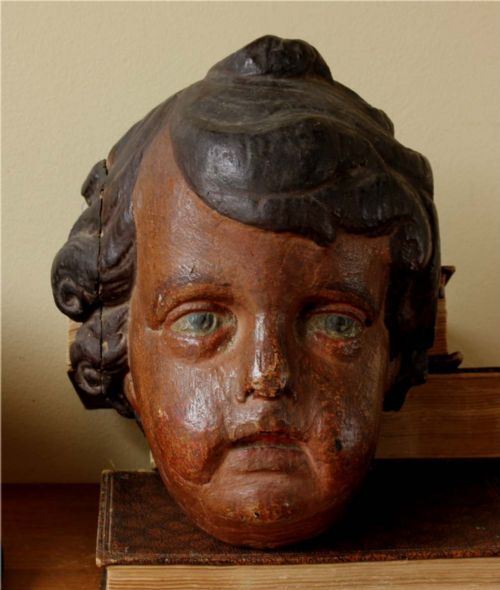
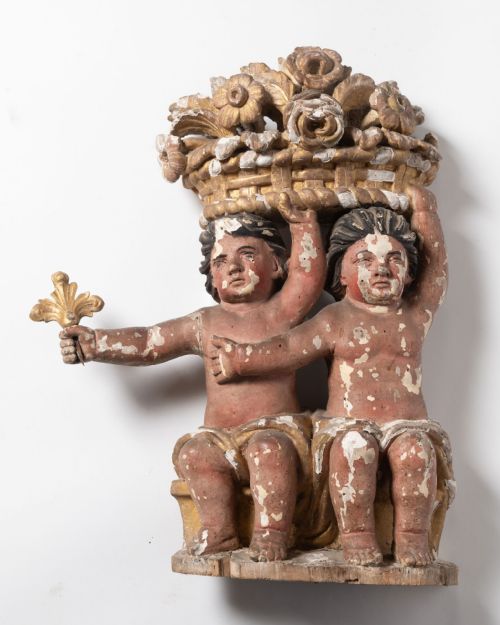
Several chubby wooden putti gaze downward from invisible clouds, frozen mid-flutter.
Qualities of execution
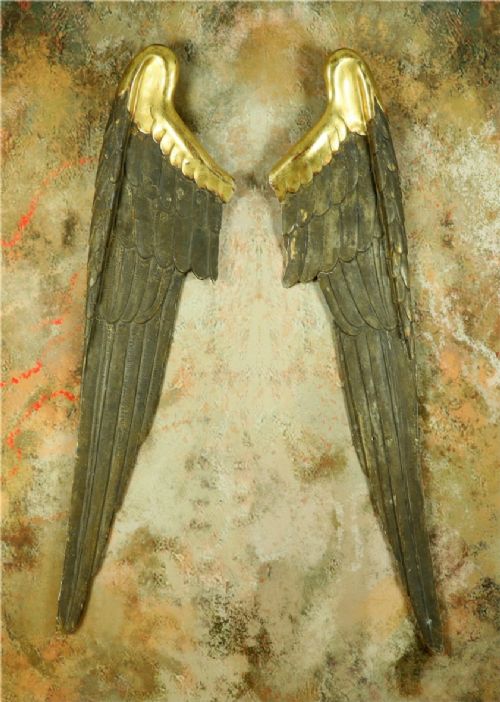
The preservation of original polychrome paint surfaces and gilt gesso layers significantly affects the integrity of a piece. Hand-carved detail in secondary elements like hair, wings, and plinths demonstrates the original workshop standard.
The 18th Century Religious Sculpture Glossary
- Polychrome
- Painted in several colours. This finish was commonly applied to wood carvings to enhance realism.
- Gesso
- A plaster mix used as a base for paint or gold leaf. It provides a smooth surface on wood sculptures.
- Corpus Christi
- An image of Christ on the cross. These figures form the central focus of crucifixes.
- Putto
- A figure of a small winged infant. They frequently appear as cherubs in religious artwork.
- Santos
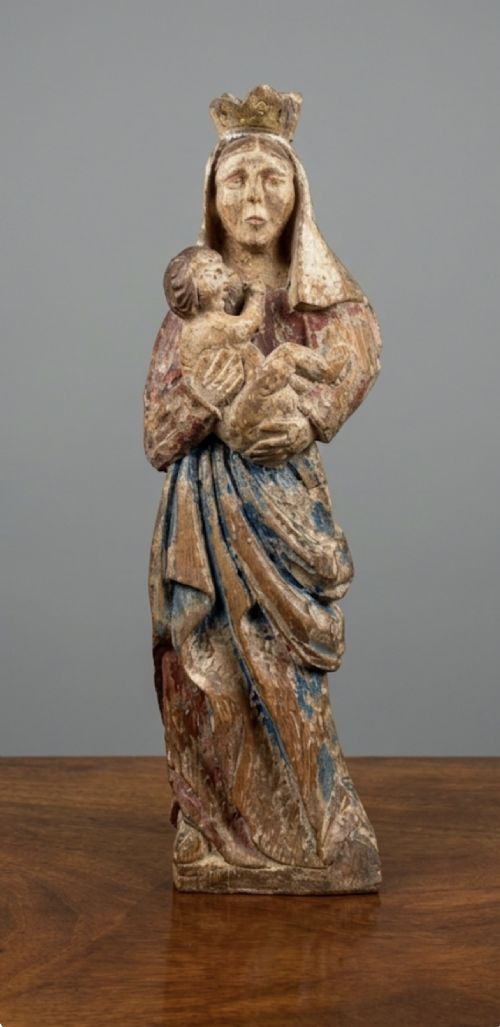
- A carved figure of a saint. These statues served devotional functions in homes and churches.
18th Century Religious Sculpture: Frequently Asked Questions
Where were these sculptures displayed?
These figures stood in churches, domestic chapels, and private homes for devotional practice. Larger statues occupied niches or altars, while smaller busts and crucifixes served personal prayer.
Ecclesiastical settings often commissioned life-size figures for processions and seasonal displays. Domestic spaces held smaller santos figures and carved wooden panels.
How do you identify wood types?
Examining the grain, weight, and colour helps determine the timber used by the carver. Oak and walnut provide heavier structural integrity for larger figures, whilst lindenwood allows for finer detail.
European workshops selected local woods depending on regional availability. Lindenwood and soft hardwoods were favoured in German and Italian regions for intricate carving work.
What is polychrome paint?
Polychrome paint involves the application of multiple pigments directly onto the carved wood surface. This technique added lifelike colour to skin tones, hair, and vestments.
Artists often sealed the wood with gesso before applying the paint layers. Over centuries, these painted surfaces develop a characteristic craquelure and patina.
How are periods distinguished?
Stylistic traits such as the theatrical gestures of the Baroque movement help date these sculptures to the seventeen hundreds. Tool marks and construction methods also provide clues to the era of manufacture.
Continental workshops transitioned through various regional interpretations of Baroque and ecclesiastical styles during this timeframe. Comparative analysis of costume and iconography further refines the dating.