



18th Century Religious Carving
These pieces of 18th century religious carving bring devotional heritage into domestic spaces through authentic period craftsmanship.
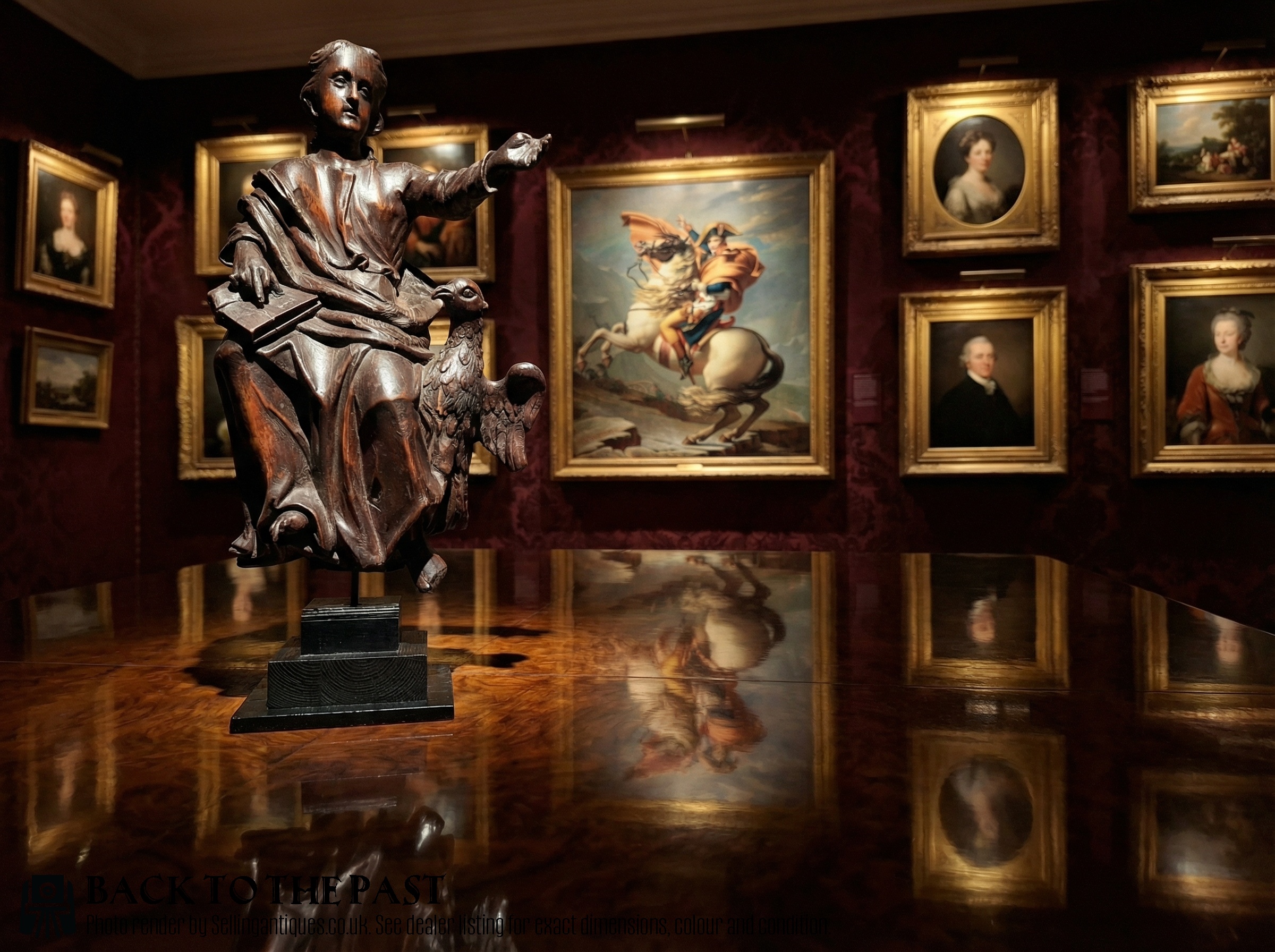
18th Century Religious Carving
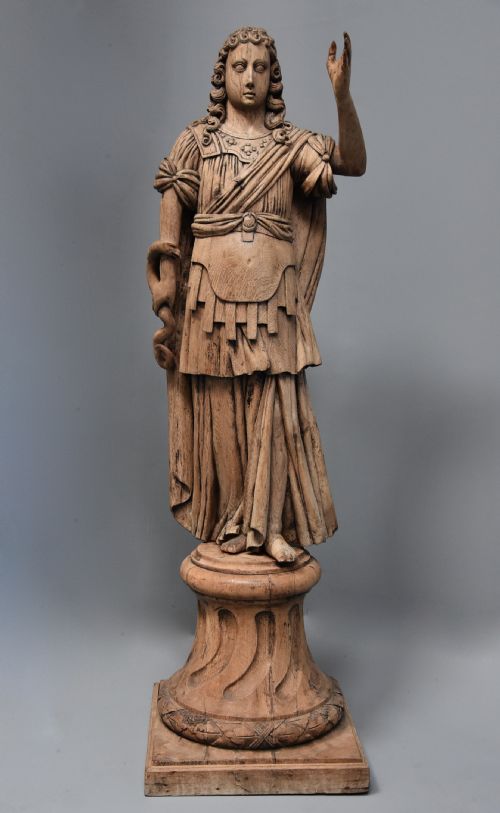
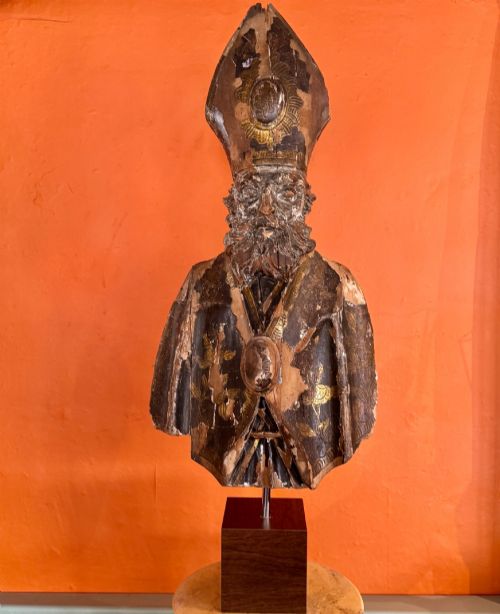
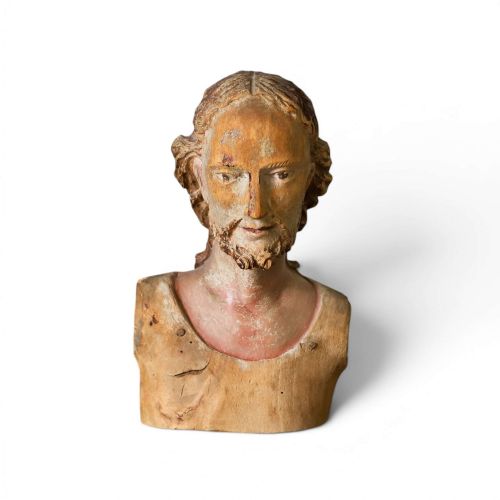
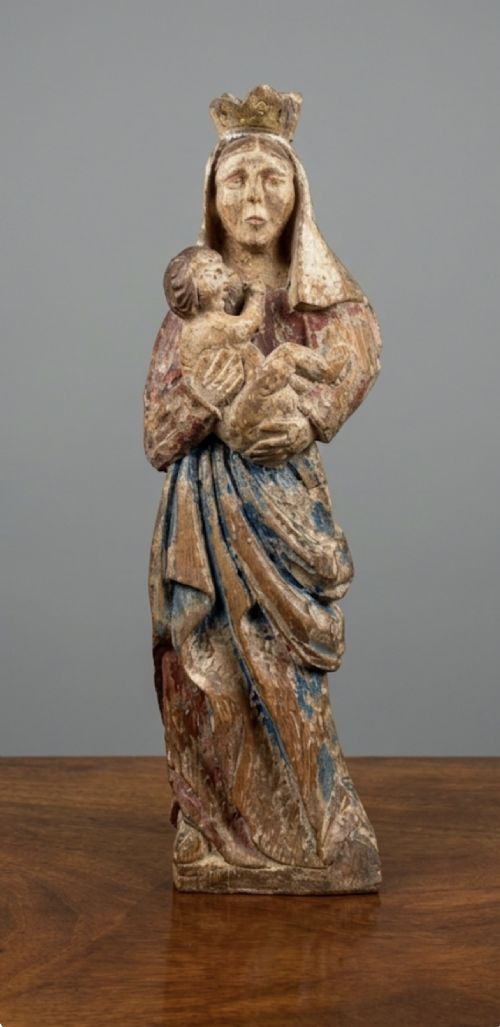
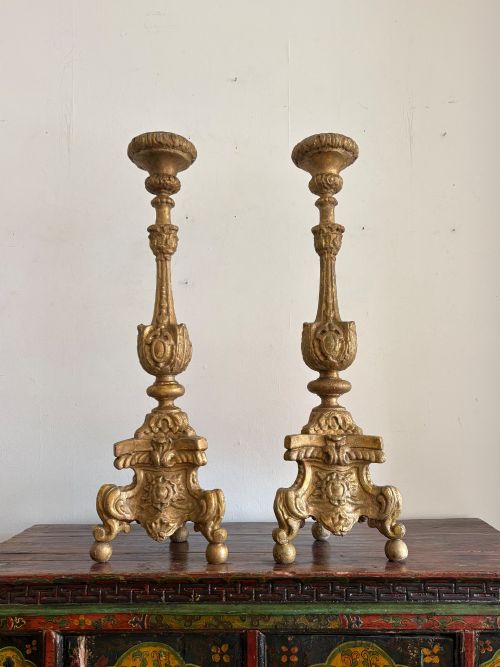
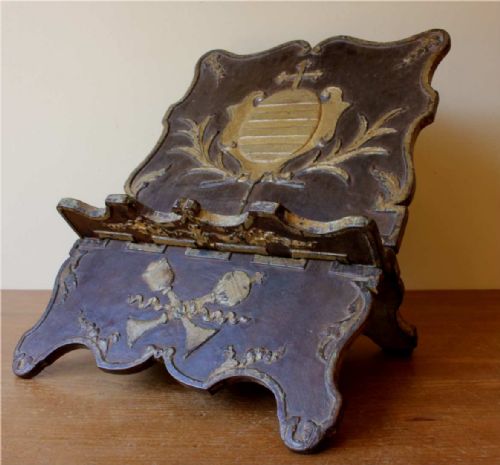
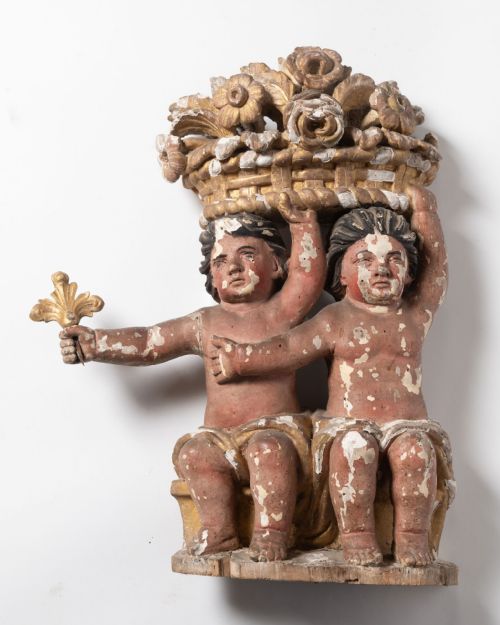
An 18th century religious carving encompasses wooden figures, saints, putti, angels, and liturgical furnishings originating primarily from continental workshops in Italy, Spain, France, and Germany. The selection centres on full-sized statues, miniature devotional items, and architectural fragments such as altar candlesticks, missal stands, and reliquary mirrors.
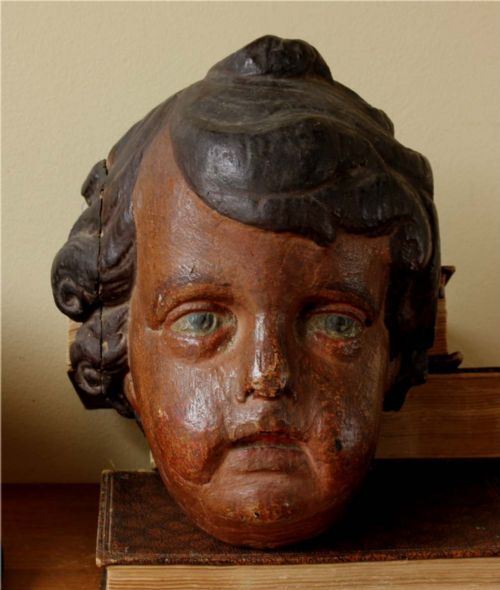
Buyers frequently encounter Continental Baroque aesthetic expressions, including Spanish capipotes, Italian busts, and German lime wood praying figures. These objects often represent specific saints, cherub heads, or scenes of the Madonna and Child, reflecting the heavy ecclesiastical patronage of the period.
The inventory demonstrates a geographic breadth spanning Southern and Western Europe, with Italian and Spanish regional styles appearing most often alongside French giltwood elements. Pieces range from diminutive cherub heads to life-sized oak figures originally intended for church interiors or private devotional chapels.
Materials and Techniques
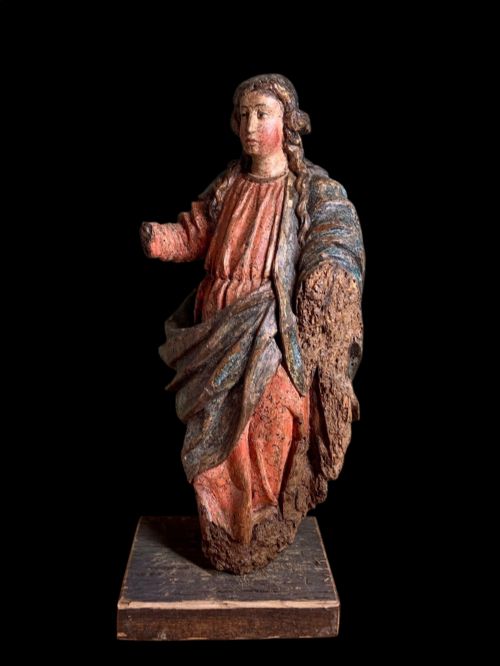
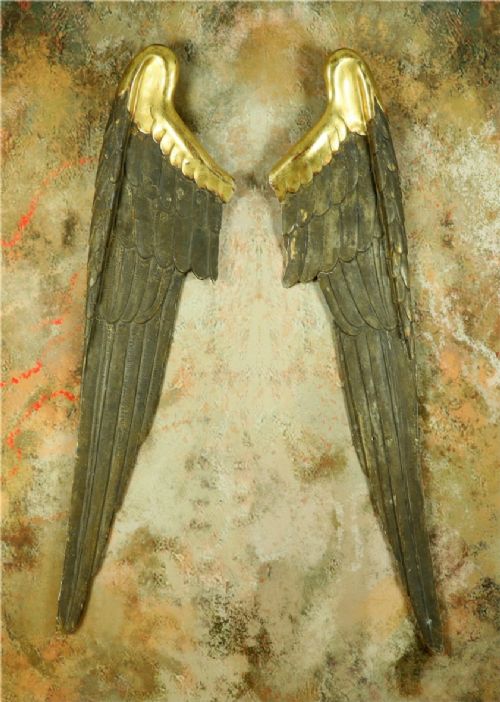
Many surfaces received a preparatory layer of gesso before painters applied polychrome pigments, metallic silvering, or gold leaf to heighten realism and devotional impact. Guilders and painters worked in tandem to build up rich surface textures, utilising oil-based paints and burnished gilding that survive across centuries.
18th Century Religious Carving Retail Price Guide 2026
Typical asking prices for 18th century religious carving among the pieces listed under this phrase on Sellingantiques today, from the lower quarter to the upper quarter. They describe what is for sale here now, not the wider market.
A tiny cherub watches silently from beneath the feet of a saint.
Evaluation of Quality
The integrity of the original polychrome paint or gold leaf finish dictates the visual strength of the piece, with untouched historic surfaces commanding higher regard than heavily restored or later repainted layers. The harmony between the underlying timber carving and the decorative gesso application separates workshop output from master production.
Juan Ruiz Soriano
The 18th Century Religious Carving Glossary
- Polychrome
- Painted in several colours. This technique was applied over gesso to wooden religious sculptures to achieve realistic flesh tones and garments.
- Gesso
- A plaster mix used as a base. It provided a smooth surface for gilding and painting on wood.
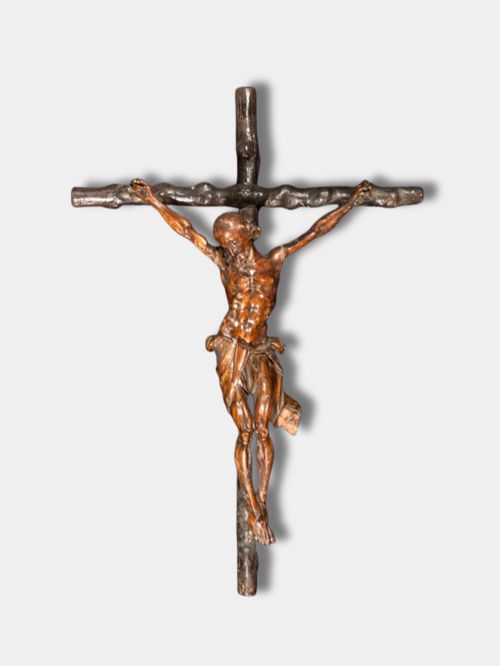
- Corpus Christi
- The body of Christ on the cross. These figures focus intensely on the anatomy and suffering of the subject.
- Santos
- A carved figure of a saint. These statues were often dressed in real textiles for religious processions.
- Reliquary
- A container for holy relics. They frequently incorporated mirrors and elaborate giltwood frames.
18th Century Religious Carving: Frequently Asked Questions
What is an 18th century religious carving?
These items are hand-carved wooden sculptures, figures of saints, and ecclesiastical furnishings produced across Europe during the 1700s for worship.
They reflect the dominant Baroque styles of Italy, Spain, France, and Germany, serving both public church functions and private domestic devotion.
How were these wooden carvings used?
Artisans created these objects for placement on altars, inside private chapels, or as central focal points for prayer within domestic spaces.
Larger statues stood on plinths or acted as architectural supports, while smaller items like missal stands and reliquary mirrors functioned during daily liturgy.
How do I care for polychrome wood?
Keep these sensitive wooden artefacts away from direct sunlight, heating vents, and rapid humidity changes to protect the fragile gesso and paint layers.
Dust them gently with a dry, soft brush and avoid liquid cleaners that can destabilise centuries-old organic binders.
How can I tell Spanish from Italian pieces?
Spanish carvings often lean towards intense emotional realism, utilising matte polychrome paint and articulated frames like capipotes for procession robes.
Italian pieces frequently incorporate rich giltwood, expressive putti, and refined facial detailing associated with Southern European Baroque workshops.