



18th Century Porcelain Figurine
An 18th century porcelain figurine captures the sculptural ambition of early European kilns, offering collectors small-scale allegories, shepherds, and animals modelled with lasting charm.
18th Century Porcelain Figurine
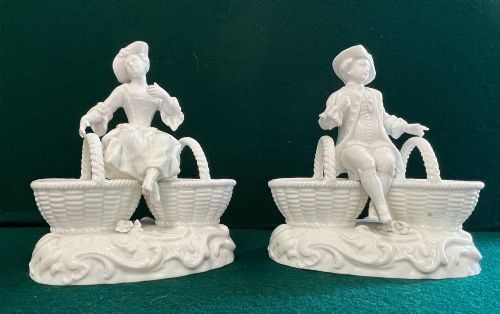
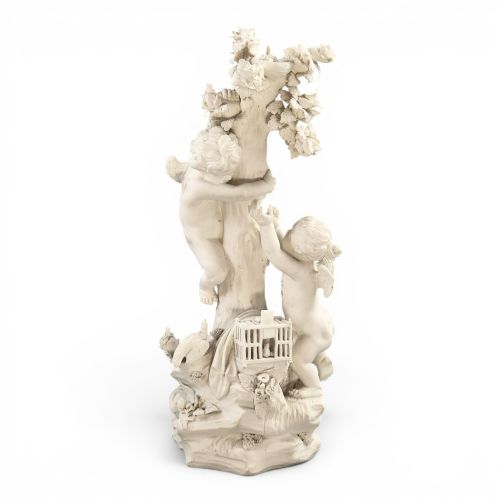
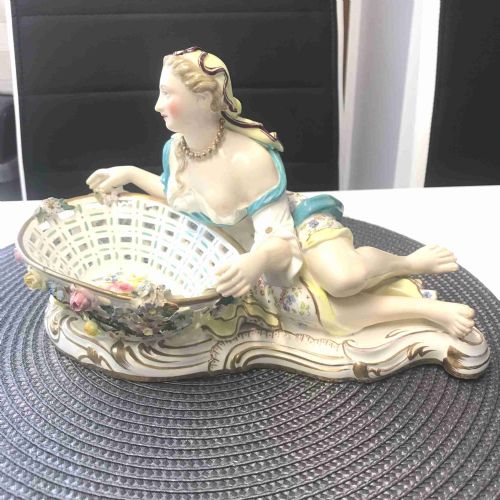
When searching for an 18th century porcelain figurine, collectors encounter delicate table sculptures depicting mythological figures, rustic traders, putti, and animals modelled in soft-paste or hard-paste ceramic bodies. The pieces on this page span classic Georgian subjects from factories like Derby and Meissen, alongside French and English soft-paste works reflecting Rococo and Neoclassical tastes.
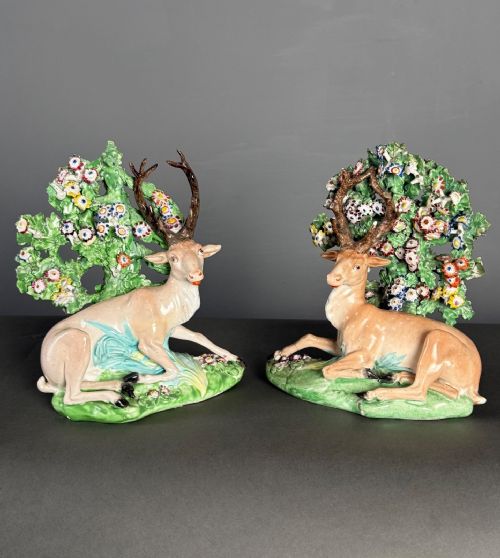
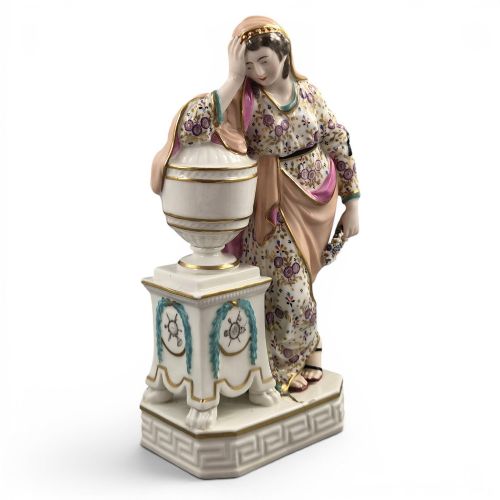
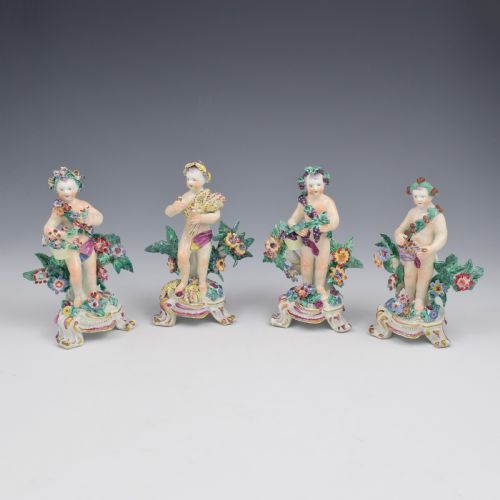
Many survivors take the form of paired companions, seasonal allegories, or figures integrated into candlesticks adorned with bocage foliage. While some portray named actors or classical heroines such as Andromache and Minerva, others record everyday street vendors, gardeners, and pastoral shepherds with lambs.
The objects bridge the gap between ornamental table art and ceramic history, retaining the lively modelling characteristic of mid-to-late Georgian production. Buyers find both single display pieces and matched sets originating from major European kilns active during the 1750s to the close of the century.
Materials and modelling technique
Early figures frequently display the characteristic shrinkage cracks, glaze pooling, and kiln scars inherent to eighteenth-century firing methods, particularly in softer ceramic bodies. Foliate backgrounds known as bocage required separate manual assembly, attaching delicate leaves and branches behind the main subject before the final glaze fire.
18th Century Porcelain Figurine Retail Price Guide 2026
Typical asking prices for 18th century porcelain figurine among the pieces listed under this phrase on Sellingantiques today, from the lower quarter to the upper quarter. They describe what is for sale here now, not the wider market.
Rhesus monkeys and wild boars share the shelf with elegant ladies and theatrical actors.
Measures of quality and preservation
The standard of an 18th century porcelain figurine rests primarily on the crispness of the original modelling and the delicacy of the hand-applied polychrome enamels. Superior examples retain sharp facial expressions, clean limb articulation, and intricate applied elements like floral baskets or garments without excessive distortion from the kiln.
Preservation heavily influences the character of a piece, distinguishing items with pristine modelled foliage and original painted surfaces from those requiring extensive restoration. The subtlety of the gilding and the smooth application of the glaze further separate standard production runs from exhibition-quality models.
Meissen·Derby·Bow·Longton Hall·La Coutille Factory·Ludwigsburg
The 18th Century Porcelain Figurine Glossary
- Soft-paste porcelain
- A glassy ceramic composition fired at lower temperatures than hard-paste porcelain, producing a warm, creamy body common in early English factories.
- Hard-paste porcelain
- A true porcelain body made from kaolin and petuntse, fired at high temperatures to yield a dense, vitreous surface that resists scratching.
- Bocage
- Applied decorative foliage and leafy arbours modelled behind figures, typical of mid-eighteenth-century English and continental ceramic groups.
- Biscuit porcelain
- Unglazed ceramic fired to a matte, marble-like finish that highlights sculptural detail without enamel distraction.
- Patch mark
- Small unglazed blemishes on the underside of figures caused by the clay supports used inside the kiln during firing.
18th Century Porcelain Figurine: Frequently Asked Questions
How do I clean an antique porcelain figure?
Dust the surface gently with a soft, dry artist's brush to remove particles without disturbing delicate applied elements like flowers or lace.
Avoid using water, chemical cleaners, or immersion, as moisture can damage old repairs, unglazed biscuit bodies, and fragile enamel pigments.
What is the difference between soft-paste and hard-paste?
Soft-paste bodies contain glassy frit mixtures fired at lower heats, creating a warmer, softer glaze appearance often seen on early English pieces.
Hard-paste incorporates true china stone and kaolin, resulting in a harder, whiter, and more vitrified surface typical of continental factories like Meissen.
Why do some figures have leafy backgrounds?
The leafy backgrounds, known as bocage, represent natural arbours designed to frame pastoral or mythological scenes in mid-eighteenth-century table displays.
These intricate botanical elements were hand-applied piece by piece before firing, making them particularly vulnerable to loss over centuries of handling.
How can I tell a Derby figure from a Meissen piece?
Derby figures typically utilise soft-paste porcelain with characteristic patch marks underneath, often depicting British theatrical subjects, rustic vendors, or animals.
Meissen pieces generally employ hard-paste porcelain, displaying precise factory mark traditions, refined enamel painting, and sophisticated Rococo modelling originating from Germany.