


18th Century Porcelain Boat
An 18th century porcelain boat brings tactile grace to a table, offering miniature sculptural forms painted with delicate cobalt blue and enamel palettes.
18th Century Porcelain Boat
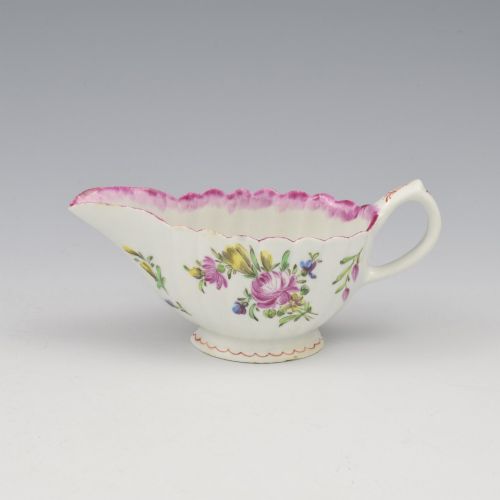
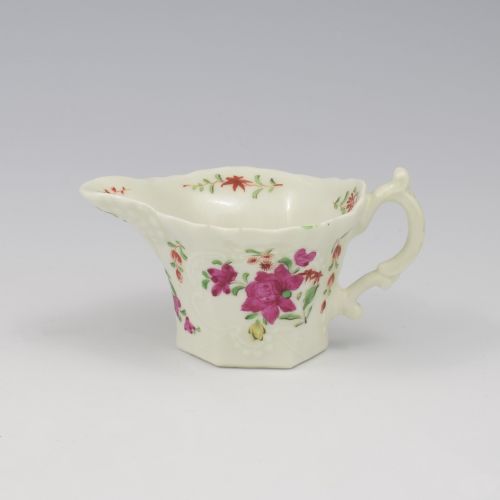
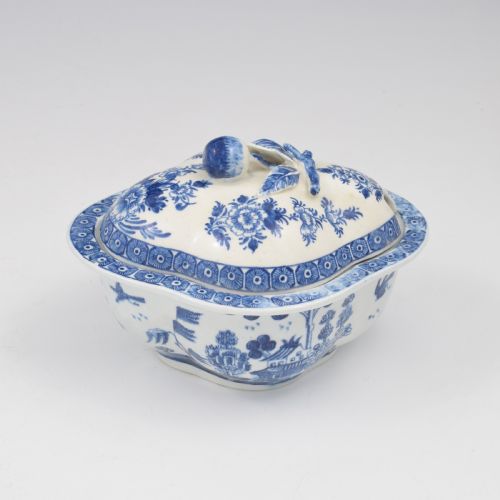
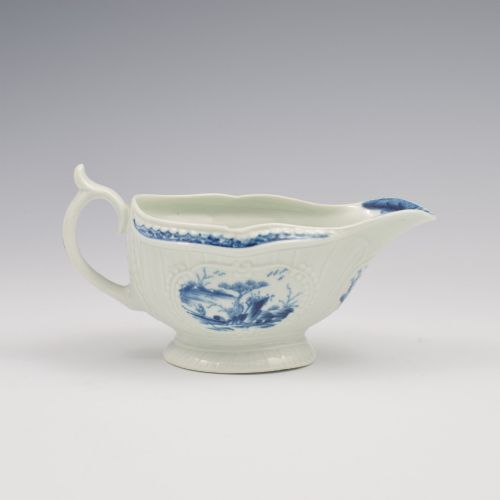
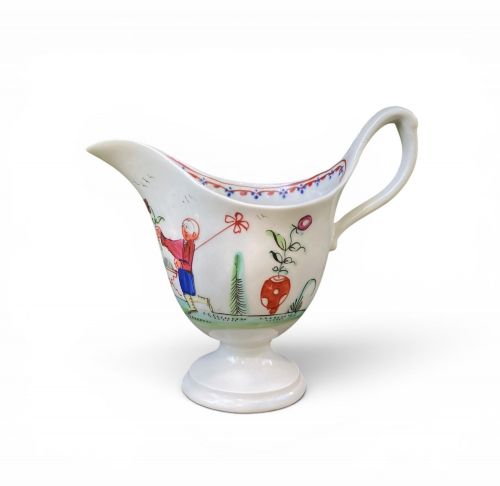
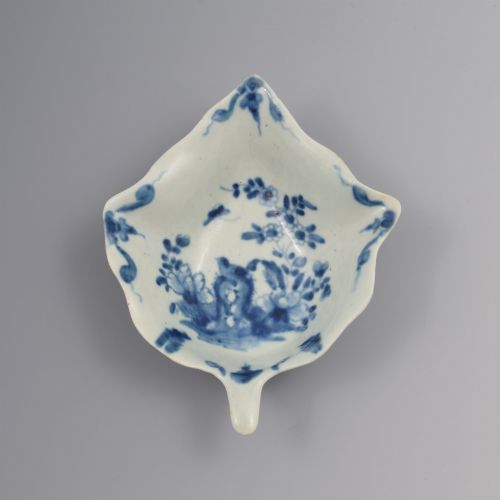
When you search for an 18th century porcelain boat, you encounter functional tableware designed for serving sauces, cream, and gravies at Georgian dining tables. These vessels take various forms including sauceboats, sauce tureens, cream jugs, and leaf-shaped pickle dishes.
The pieces on this page span the Georgian era and the eighteenth century, featuring wares from English factories alongside Chinese export porcelain. Sauce boats form the majority of the selection, often modelled with moulded ribs, fluting, or naturalistic shapes like lettuce leaves and dolphin ewers.
Materials and manufacture
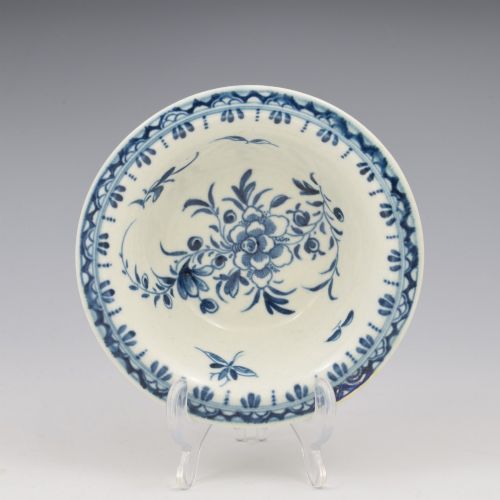
Makers utilised soft-paste porcelain and hard-paste porcelain, shaping the clay by hand or pressing it into moulds to create fluted and moulded vessel bodies. Artisans applied cobalt blue glaze beneath the surface or painted polychrome enamels and gold leaf over the glaze.
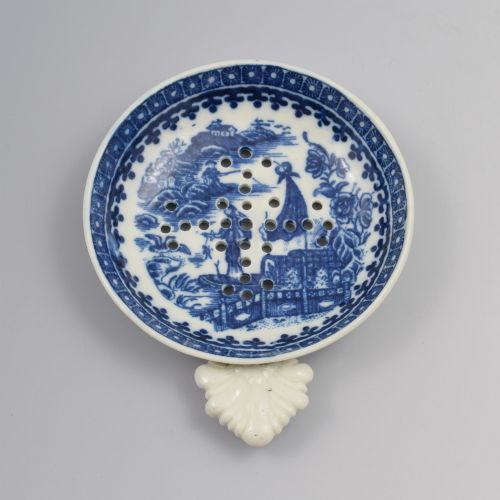
Kiln firing transformed these glazed bodies, fixing intricate hand-painted patterns such as Chinese figures, floral motifs, and landscape scenes onto the porcelain surface.
Object forms span sauce boats, pickle leaf dishes, cream jugs, and egg drainers from the eighteenth century.
Evaluating quality and execution
Quality rests upon the crispness of the moulded form and the confidence of the hand-painted decoration, whether in deep cobalt blue glaze or polychrome enamels. Early Worcester, Bow, and Caughley pieces demonstrate precision in their handling of transfer or brushwork.
The refinement of the porcelain paste and the smoothness of the glaze distinguish superior items, alongside the sculptural ambition shown in complex handles, such as lamprey forms on dolphin ewers.
Bow Porcelain·Caughley Porcelain·New Hall Porcelain·Derby Porcelain
The 18th Century Porcelain Boat Glossary
- Soft-paste porcelain
- A glassy ceramic composition fired at lower temperatures than hard-paste porcelain, producing a warm tone and a slightly softer surface. It characterises much eighteenth-century English factory production.
- Cobalt glaze
- A metallic oxide pigment applied under the glaze to produce deep blue decoration during firing. This technique withstands high kiln temperatures without losing definition.
- Sauce boat
- A small ceramic vessel with a spout and handle designed for holding table sauces or gravies. Eighteenth-century examples often feature elaborate rococo moulding or botanical leaf shapes.
- Pickle dish
- A small, shallow tableware item shaped like a leaf or shell, used for serving condiments. They frequently appear in blue and white porcelain patterns.
- Enamel
- Opaque vitreous colours painted over a fired glaze and fixed with a lower temperature second firing. They provide vibrant polychrome details on porcelain bodies.
18th Century Porcelain Boat: Frequently Asked Questions
What were 18th century porcelain boats used for?
These vessels served liquids and condiments at formal Georgian dining tables, holding drawn butter, cream, gravy, and sauces.
Their spouts and comfortable handles allowed guests or servants to pour contents smoothly during meals.
How do I care for an antique porcelain boat?
Wash the piece gently by hand in warm water using mild soap, avoiding abrasive sponges or modern dishwashers.
Display the vessel away from direct sunlight and dramatic temperature fluctuations to protect the glaze and enamel.
How can I tell different factory styles apart?
Study the specific paste consistency, glaze pooling characteristics, and distinct blue and white or enamel painting styles associated with each historic site.
Factory motifs such as specific fisherman scenes or floral arrangements help attribute pieces correctly.
Why are some pieces shaped like leaves?
Rococo design embraced natural forms, leading modellers to draw inspiration from lettuce leaves, daisy petals, and fruit.
These organic shapes added decorative charm to functional tableware during the mid-eighteenth century.