
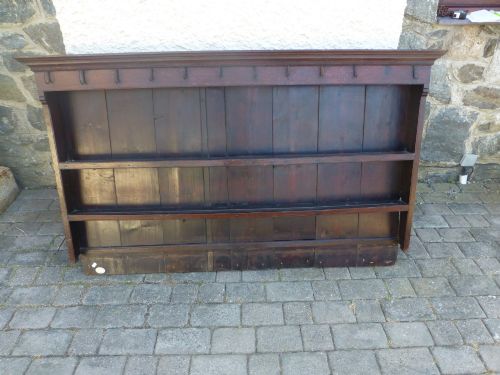
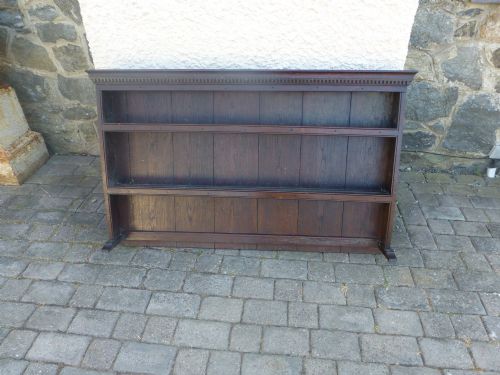
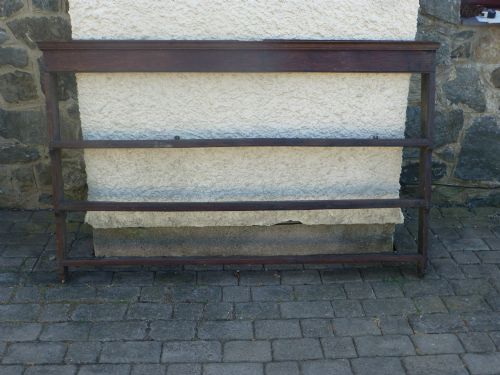
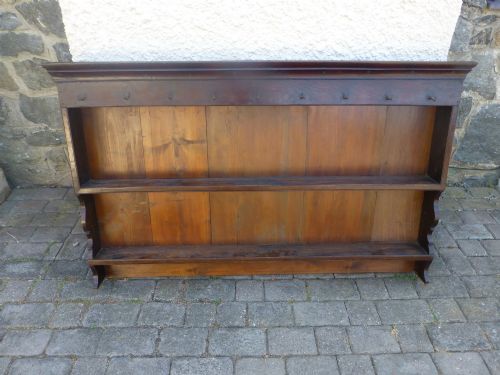
18th Century Plate Rack
An 18th century plate rack brings enduring domestic utility and warm timber grain directly to a kitchen wall.
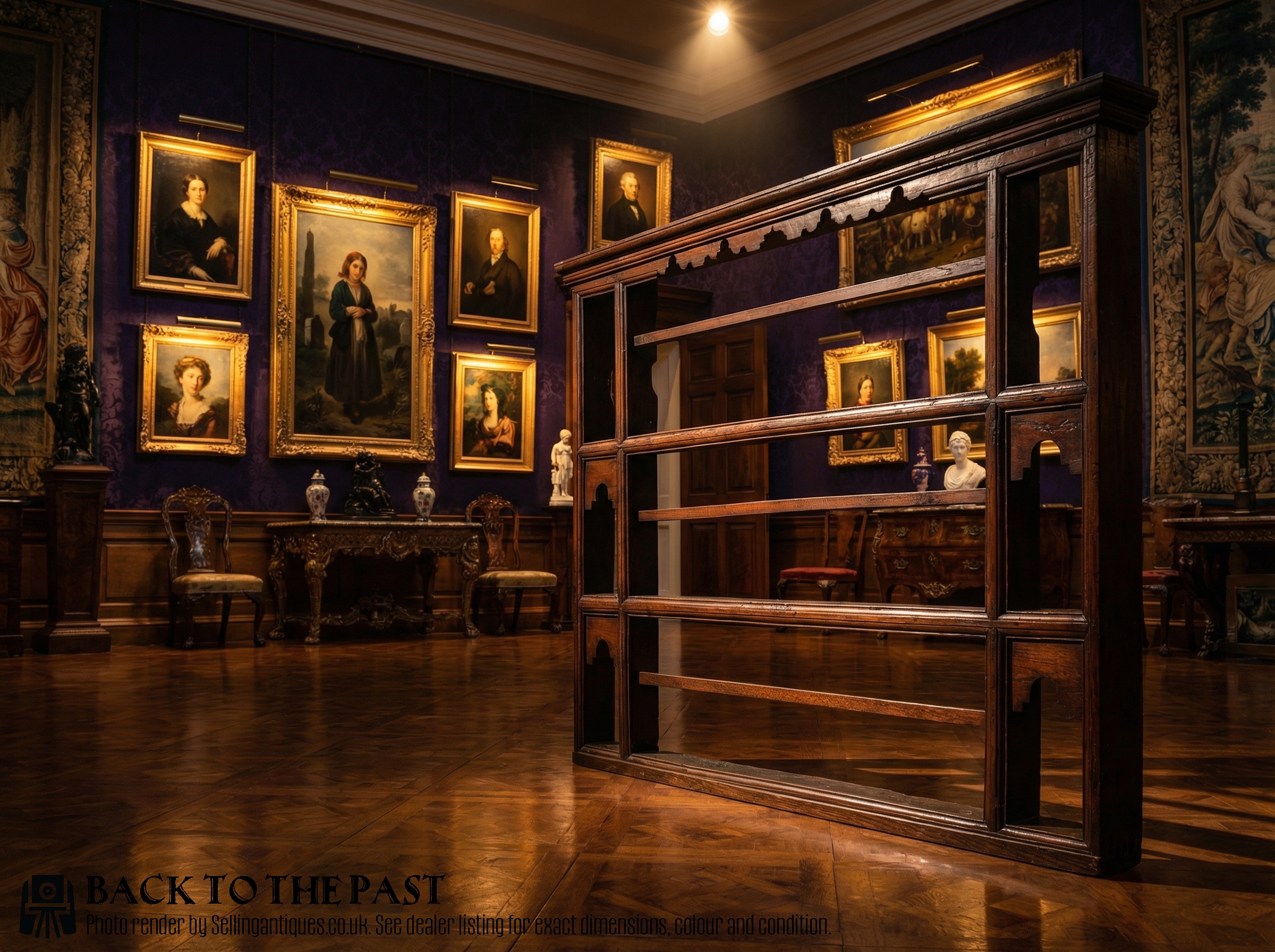
What an 18th century plate rack is
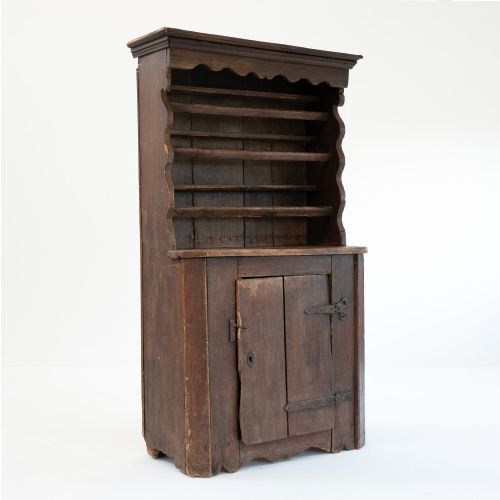
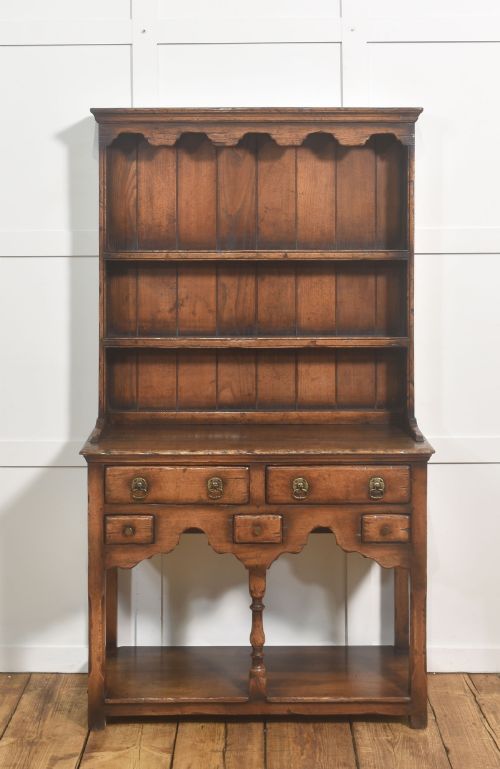
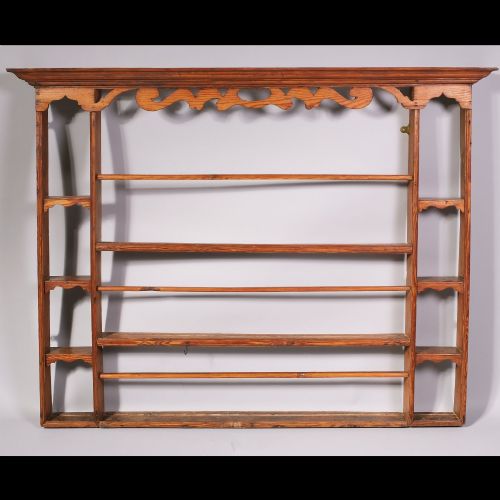
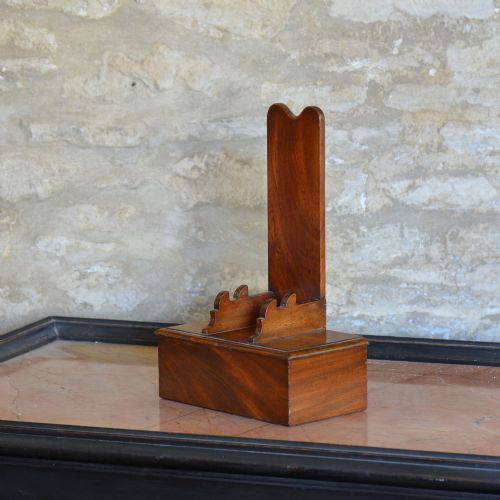
An 18th century plate rack is a practical wall-hung shelving unit designed to display and dry ceramics in the home. These pieces belong to the Georgian and George III periods, originating from country houses and domestic kitchens where earthenware required accessible storage.
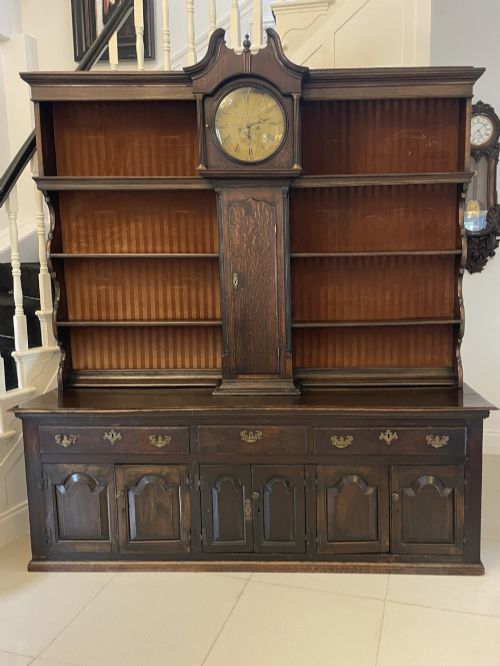
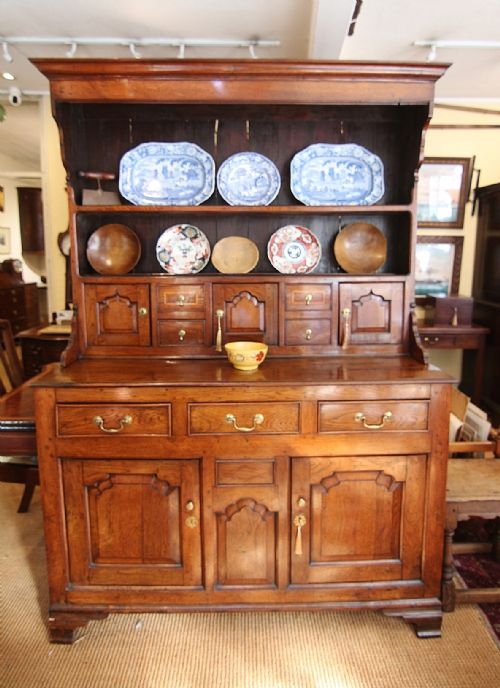
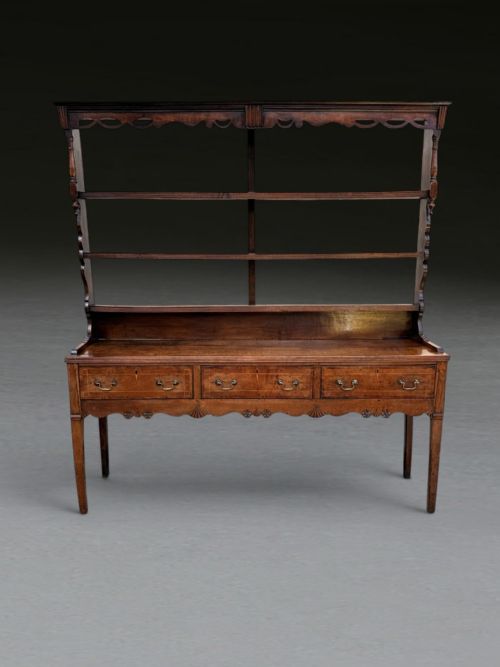
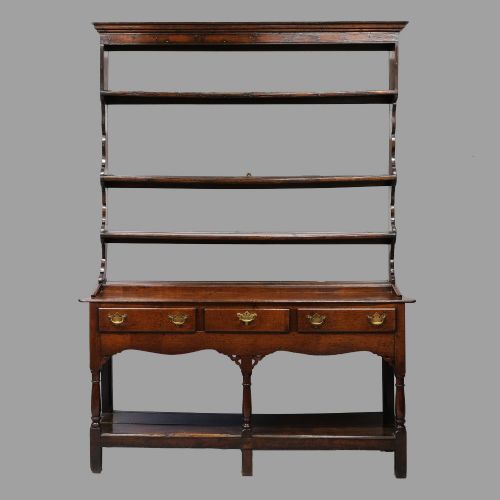
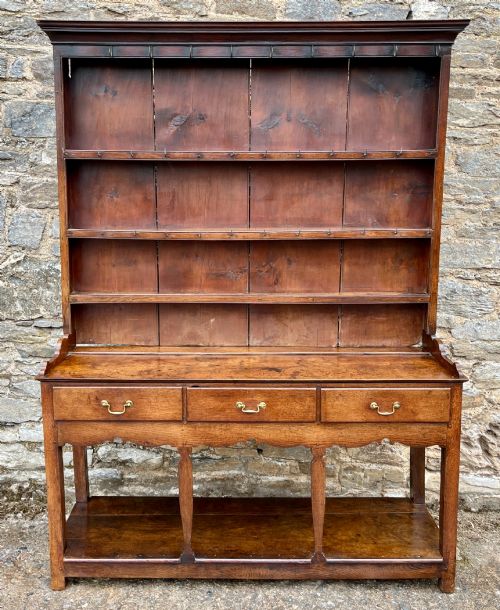
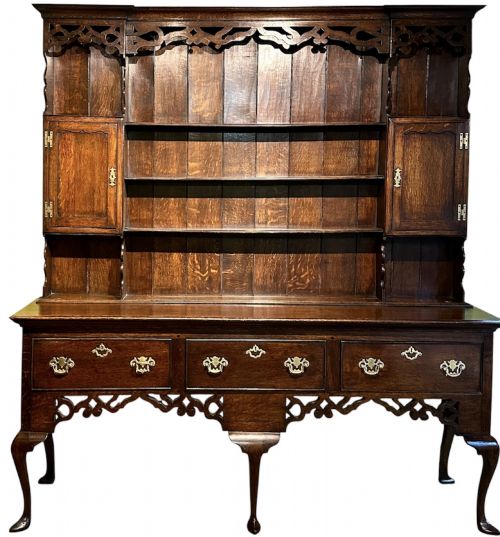
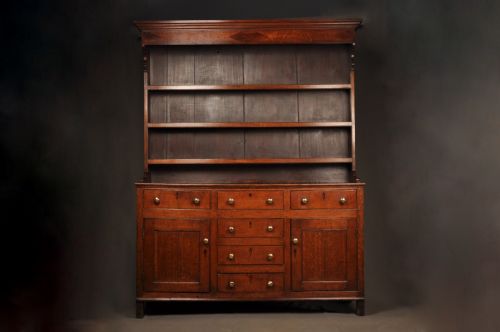
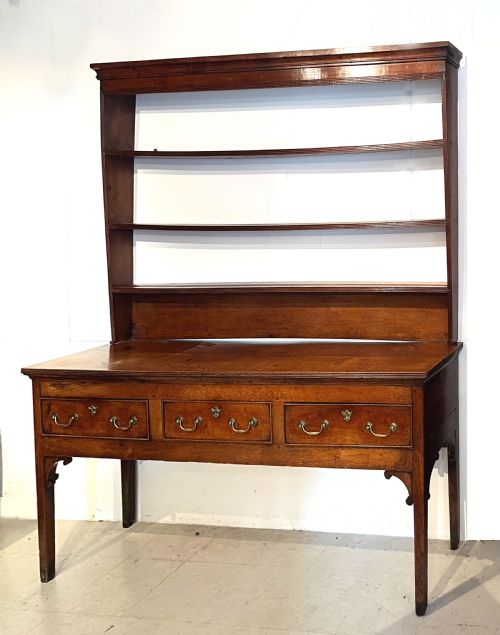
Buyers browsing this selection will most frequently encounter regional oak and pine pieces, sometimes associated with delftware display or integrated into larger dresser bases. The forms range from simple wall-mounted shelves to substantial structures featuring cup hooks and tiered slats.
How they were made
Cabinetmakers constructed these pieces primarily using solid oak and pine, shaping the timbers with hand tools appropriate to the eighteenth century. Structural reinforcement often involved iron components, while decorative elements included inlaid details and painted finishes.
The joinery matches the vernacular domestic furniture of the Georgian era, built to sustain the heavy daily weight of ceramic plates and platters. Slats, plate rails and wall boards were pegged or nailed together to form sturdy vertical hanging racks.
Retail Price Guide 2026
Typical UK retail prices for 18th century plate rack, calculated from the Sellingantiques database of over a million retail prices indexed since 2003. This retail price guide relies exclusively on Sellingantiques data; no external sources or auction records are used, so the figures do not describe the wider market.
Some sturdy 18th century oak racks retain original cup hooks ready to catch the handles of long-vanished tavern mugs.
What varies in quality
The distinction between standard domestic examples and superior pieces rests on timber selection, proportion and surface preservation. Richly figured oak boards and sophisticated integration with dresser bases elevate certain racks above basic utility items.
The 18th Century Plate Rack Glossary
- Georgian
- The period spanning the reigns of the first four Georges, characterised by distinct stylistic shifts in British architecture and furniture. Pieces from this era often display robust proportions and practical domestic utility.
- Delft
- Tin-glazed earthenware popular during the eighteenth century for tableware and display. Plate racks were specifically designed to hold these ceramic plates upright for drying and viewing.
- Dresser
- A kitchen or dining room furnishing comprising storage drawers or cupboards below an open plate rack. Many surviving examples show how the hanging rack functioned as part of a larger fitted ensemble.
- Patina
- The surface sheen and colour acquired by timber through decades of handling, cleaning and exposure to light. This natural ageing process is valued by collectors for evidencing genuine age.
Frequently Asked Questions
How do I hang an 18th century plate rack?
These timber racks require secure fixing to solid wall studs or masonry using appropriate weight-bearing brackets to support both the heavy oak frame and stacked ceramics.
Because original hanging points may have shifted or worn over centuries, modern concealed fixings often provide the necessary stability for safe display.
Were these racks used in the kitchen?
Kitchens and pantries served as the primary locations for these practical wall fixtures, keeping heavy earthenware plates within reach during food preparation and washing.
Over time, many of these utilitarian units transitioned into dining rooms and living spaces for decorative display.
How do I tell oak from pine on these racks?
Oak exhibits a dense grain pattern with distinct medullary rays, offering a heavier weight and a darker, warmer colour as it ages. Pine tends to be lighter in colour and density, frequently chosen when the rack was intended to receive a painted finish.
Both timbers were standard in eighteenth-century vernacular workshops depending on regional availability and cost.
Did these racks come with dressers originally?
While many plate racks functioned as independent wall-hung units, numerous examples were built as the upper section of a larger oak dresser base. Surviving pieces show both configurations, with wall shelves designed either to mount directly onto a base or to hang entirely alone.
Modular construction allowed cabinetmakers to adapt the form to the specific storage needs of the household.