
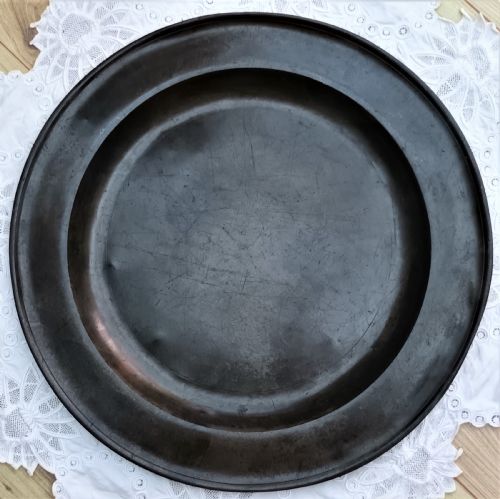
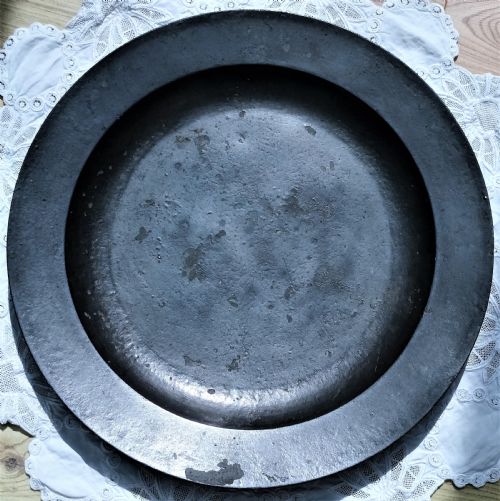
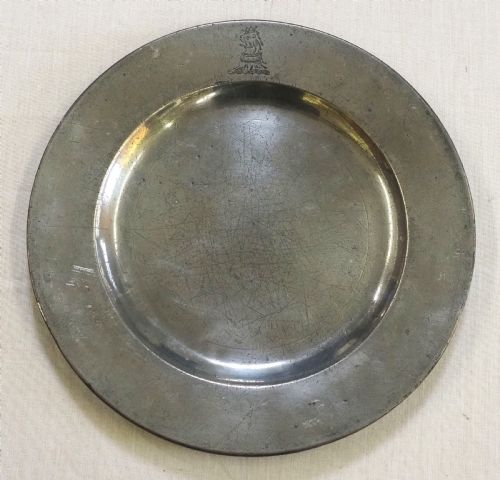
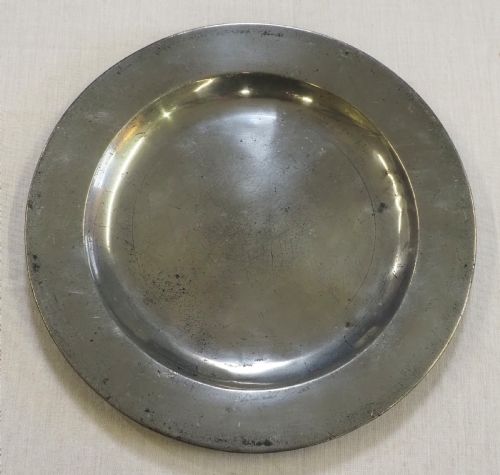



18th Century Pewter Dish
An 18th century pewter dish is a tactile domestic vessel of alloyed metal, sought after for its honest utilitarian history and soft metallic lustre.
18th Century Pewter Dish
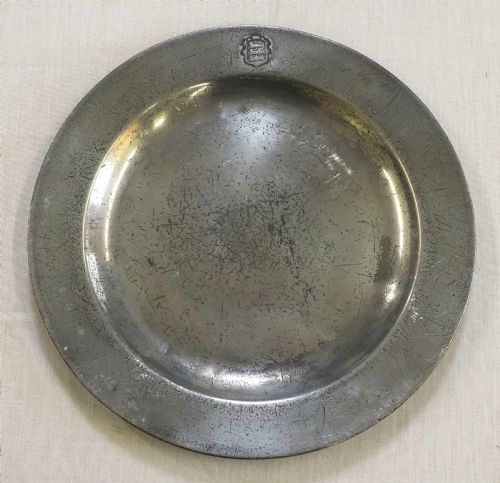
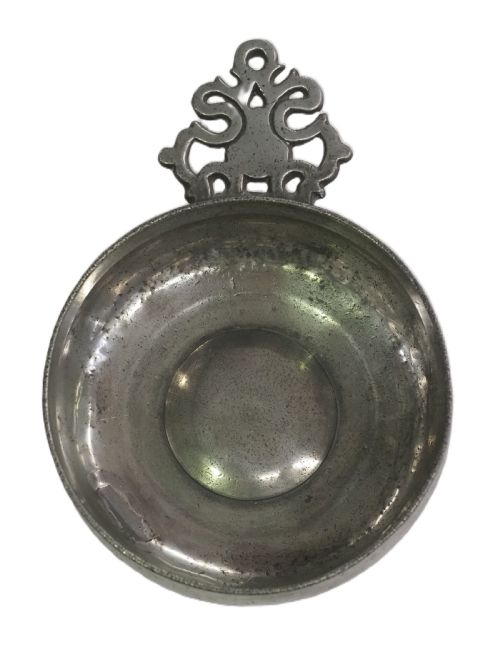
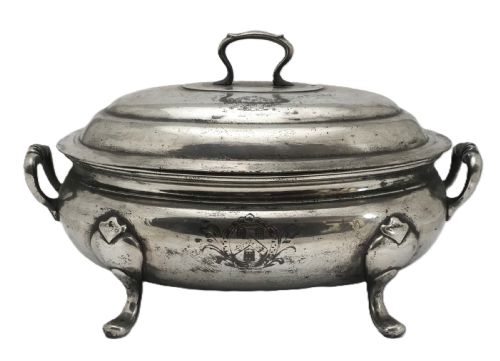
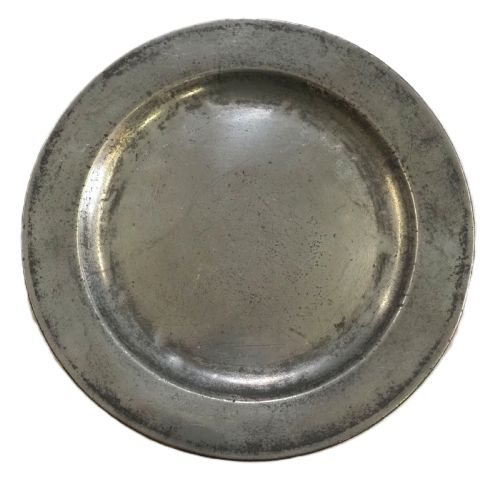
When searching for an 18th century pewter dish, a buyer encounters domestic and ceremonial metalwork spanning the Georgian era and earlier reigns. The pieces on this page comprise plain rim plates, broad chargers, deep platters, porringers, basins, and tureens shaped for utilitarian dining and household service.
Most items appearing here originate from English workshops, alongside examples from broader European traditions. Forms range from compact plates to enormous chargers measuring over twenty inches, carrying the marks of makers working from the late seventeenth century through to the end of the Georgian period.
Materials and construction
These vessels are fashioned entirely from pewter, a traditional metal alloy composed predominantly of tin combined with lead, copper, or antimony to achieve stability. Makers shaped the metal through casting and hammering, producing heavy chargers and plates with substantial tactile weight.
Surface details and rims are finished with techniques such as multiple reeding, plain edging, or wavy borders. Engraved armorial crests, lion crests, and town coats of arms are hand-cut into the metal after casting.
The documented objects span the Georgian period, featuring work from London, Exeter, and European workshops.
Judging quality and character
Quality in these metalwares rests on the crispness of touchmarks struck into the alloy and the original thickness of the rim. Superior examples retain their intended geometry without excessive warping or thinning from centuries of vigorous cleaning.
The presence of crisp armorial engraving or verified maker stamps elevates an ordinary vessel into a documented historical document. The depth of the soft, oxidized surface patina further distinguishes pieces that have aged gracefully in domestic use.
John Duncomb·Samuel Smith·James Spackman·Richard King·Wood and Michell·Humphrey Evans·Edward Leapidge·John Barlow·Thomas Alderson·William Wright
The 18th Century Pewter Dish Glossary
- Charger
- A large ornamental or serving dish, typically exceeding sixteen inches in diameter, placed centrally on a dining table or sideboard.
- Porringer
- A small, deep bowl furnished with one or two flat pierced handles, used in the period for broths and porridges.
- Reeded
- A rim decorated with a series of parallel raised parallel mouldings running around the circumference of the plate.
- Touchmark
- A small stamp impressed into the metal by the maker or workshop to denote standard and authorship.
- Platter
- A wide, shallow serving vessel designed for presenting meats and large joints at the table.
18th Century Pewter Dish: Frequently Asked Questions
How were these dishes used?
These vessels served everyday dining functions in prosperous households, holding meats, broths, and liquids during meals. Larger chargers often remained on display as sideboard decoration or served communal dishes at formal feasts.
Specialist forms like porringers and toilet basins catered to personal grooming and invalid care within domestic chambers. Their durable alloy allowed them to withstand daily handling across generations.
How do I clean antique pewter?
Washing requires only warm water and mild soap, followed by immediate drying with a soft cloth to prevent water staining. Aggressive chemical polishes strip away the prized historic surface oxidation.
Most collectors prefer to leave the natural grey patina untouched, as dark patination confirms the age and authenticity of the metal.
What is a touchmark?
A touchmark is a private stamp pressed into the soft pewter alloy by the maker to identify their workshop and guarantee metal quality. These marks often include initials, heraldic symbols, or town names.
Finding a clear touchmark helps researchers trace the precise decade and maker active in English or European guilds.
Why do some plates have crests?
Engraved crests and coats of arms denote the aristocratic families or civic institutions that originally commissioned the silver-like tableware. Guilds, towns, and noble houses marked their property to assert ownership and display civic pride.
These armorial engravings transform standard dining plates into documented historical relics tied to specific historical dynasties.