



Antique Metalware Platter
An antique metalware platter brings centuries of tactile heft and utilitarian history to a room.
Antique Metalware Platter
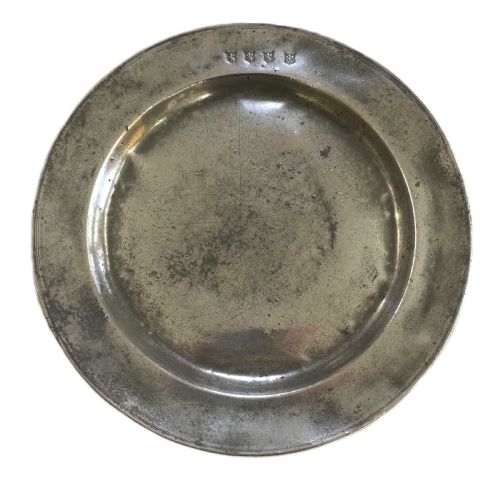
When you search for an antique metalware platter, you encounter heavy serving dishes, broad chargers, and decorative plates spanning from the seventeenth century through the early twentieth century. These pieces served practical dining functions in grand households and taverns before evolving into decorative display objects.
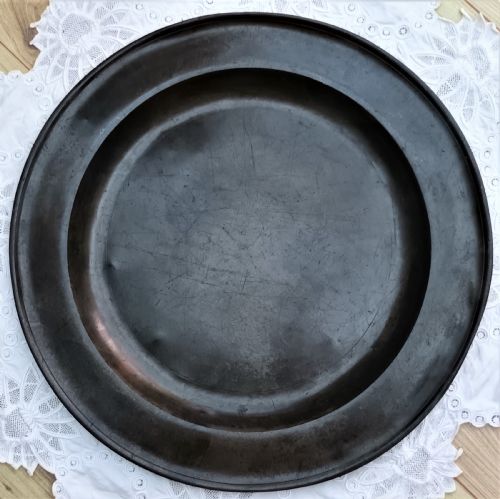
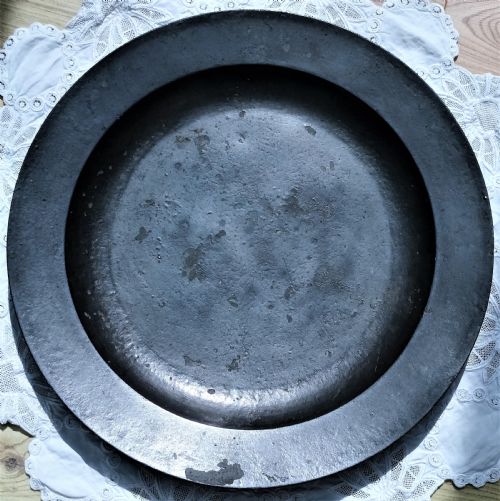
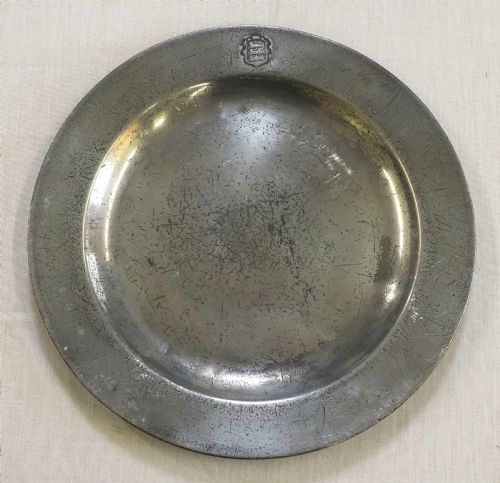
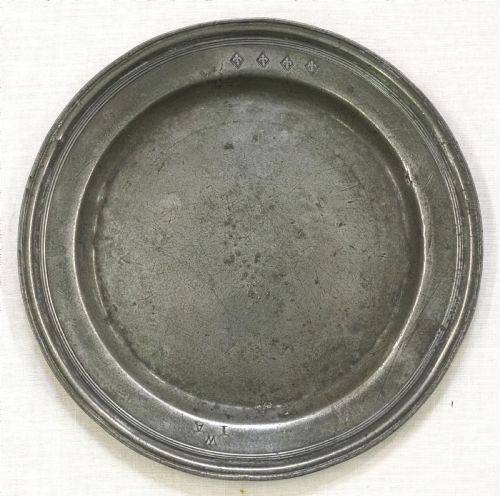
The selection here draws heavily from seventeenth-century English pewter chargers, eighteenth-century Georgian plates, and late nineteenth to early twentieth-century copper and brass items. You will frequently find plain rims, multiple reeded edges, and armorial crests stamped or engraved directly into the metal.
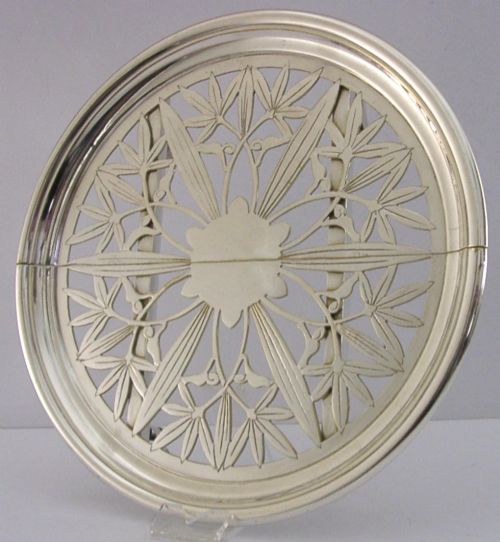
Origins stretch from English workshops to Islamic metalwork traditions from Persia and Syria, alongside Japanese cloisonne and French Art Deco silver plate. Each piece reflects the domestic habits and metalworking standards of its specific era.
Materials and construction techniques
Pewter dominates the early English examples, shaped through casting and hammering to achieve the dense, solid weight characteristic of seventeenth and eighteenth-century chargers. Makers often hammered the metal all over or incised rims to strengthen the shallow vessel.
Copper and brass serve as the primary substrates for later decorative trays and Islamic metalwork, frequently embellished with silver inlay and fine hand-engraving. Artisans also utilised silver plate over base metals, alongside enamel work seen in Japanese cloisonne plates.
Makers utilised punches, touchmarks, and armorial engraving to brand their output, leaving tangible evidence of guild standards and individual workshop identity on the underside or rim.
Listings feature English pewter spanning the seventeenth to the eighteenth centuries alongside Art Deco French silver plate and Victorian mixed metal trays.
Distinguishing quality in metalware platters
Quality rests primarily on the crispness of touchmarks, the integrity of the original surface, and the depth of hand-hammering or engraving. Early pewter chargers with clear maker stamps and distinct family crests command greater attention than heavily worn or later polished examples.
The precision of silver inlay on patinated copper and the complexity of the design work separate standard production items from finer artistic commissions. Preserved original patination without over-cleaning indicates a better-surviving historical object.
John Duncomb·Samuel Smith·Wood & Michell·John Trapp II·Robert Moulins II·Thomas Templeman·Lawrence Dyer·Thomas Haward·Christofle·Liberty & Co·William Wright
The Antique Metalware Platter Glossary
- Charger
- A large large plate or platter, typically used for serving communal portions at table or as a base plate for smaller courses. Seventeenth-century examples in pewter are particularly broad-rimmed.
- Touchmark
- An official stamp or maker's mark impressed into pewter or silver to signify the standard of the metal and the identity of the maker. These marks help historians date and attribute individual pieces.
- Cloisonne
- An enamel technique where thin metal wires are soldered to a metal base plate to create compartments filled with enamel paste before firing. This method appears on decorative plates from the Meiji period.
- Cairo Ware
- Late nineteenth and early twentieth-century metalware produced in Egypt, typically constructed from brass or copper inlaid with silver and calligraphic or geometric motifs. These were often acquired by travellers on the Grand Tour.
- Reeded rim
- A decorative border featuring parallel raised bands or moulding encircling the edge of a plate or charger. Multiple reeded rims are a hallmark of seventeenth-century English pewter.
Antique Metalware Platter: Frequently Asked Questions
How do I date a pewter charger?
Dating relies heavily on rim width, maker touchmarks, and overall manufacturing style. Seventeenth-century examples typically feature broad rims and heavy hammer marks.
Later eighteenth-century plates often adopt narrower rims and cleaner cast surfaces. Reference guides matching touchmarks to known guilds provide the most precise verification.
What is Islamic metalware doing in English collections?
Middle Eastern and Persian metalware arrived through centuries of trade, diplomatic exchange, and nineteenth-century travel. Pieces like Cairo Ware were frequently brought back by European travellers undertaking the Grand Tour.
These items were prized for their intricate silver inlay and contrasting patinated copper surfaces.
Can I use these antique platters for serving food?
Historic pewter often contains varying proportions of lead, and antique silver plate or copper may show surface wear. Most collectors treat these pieces as decorative items rather than practical tableware.
Displaying them on walls or sideboards preserves the remaining patination and prevents chemical interaction with modern food.
How should I clean an antique copper tray?
Aggressive polishing strips away the historic patination that collectors value. Gentle dusting with a dry cloth is usually sufficient for maintenance.
Avoid chemical dips or harsh abrasive cleaners that can damage engraved details and silver inlay.