


Antique Metal Wash Basin
These antique metal wash basin pieces bring heavy functional utility and rich tactile surfaces into contemporary spaces.
Antique Metal Wash Basin
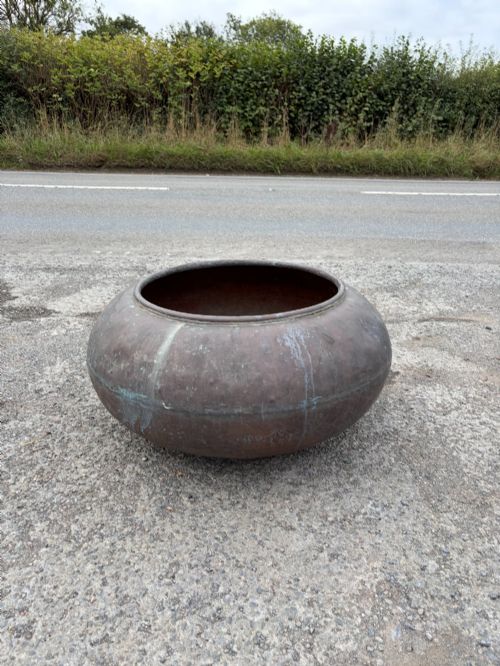
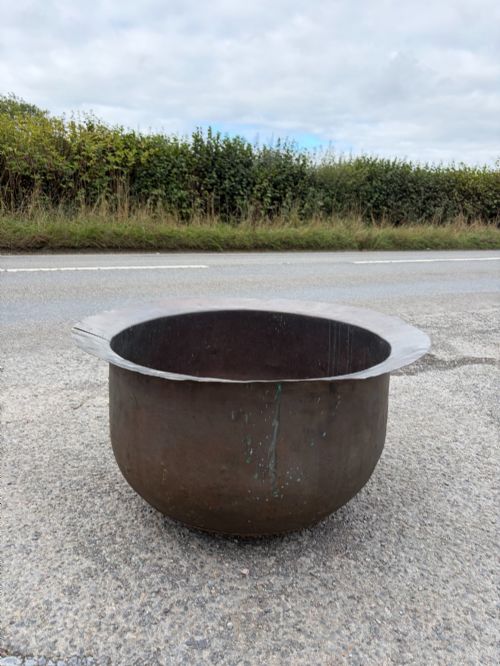
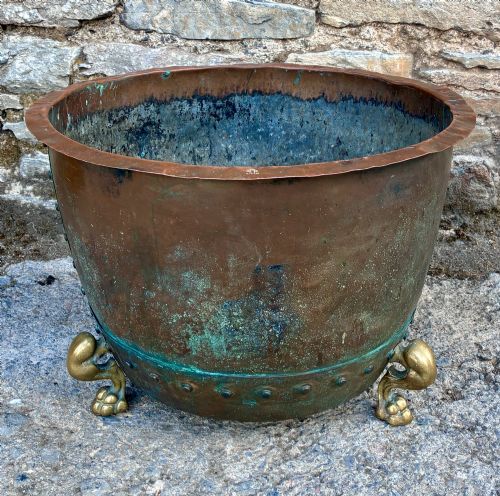
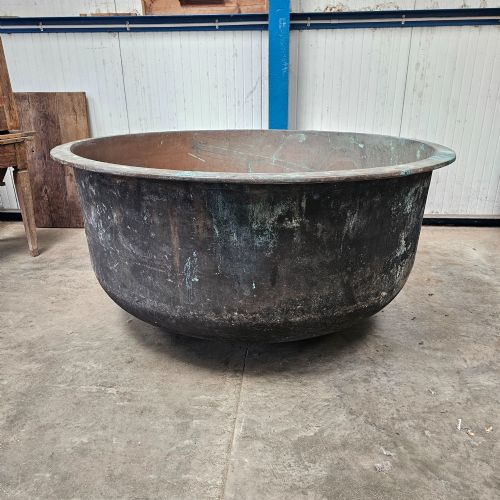
When you search for an antique metal wash basin, you encounter sturdy vessels originating from utilitarian domestic and agricultural spheres. The selection spans robust nineteenth-century copper cooking vessels, cream setting pans, and heavy brass basins.
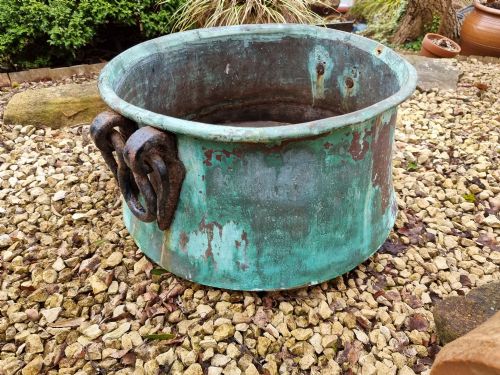
You are most likely to meet large nineteenth-century copper pots, cauldrons, and repurposed log bins rather than delicate domestic wash stands. These items crossed over from functional dairy and kitchen roles to serve as decorative planters and focal objects.
Origins stretch from English Georgian country workshops to French provincial settings and Mamluk Islamic centres. Each piece carries the marks of heavy physical labour and utilitarian service.
How they were made
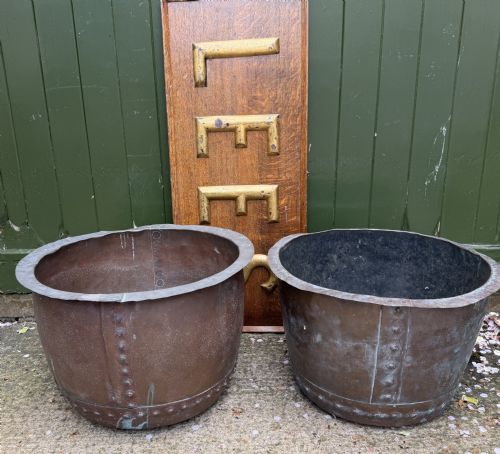
Metals such as copper, iron, brass, tin, and silver were hammered, riveted, and cast to form rigid, enduring vessels. Riveted copper boilers and heavy iron cauldrons relied on overlapping plates secured with robust metal fasteners.
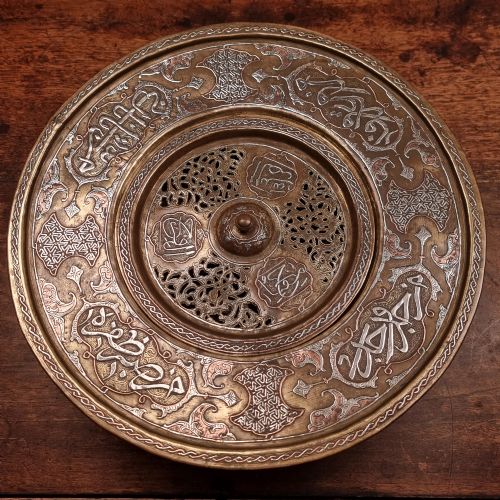
Surface ornamentation involved intricate hand engraving, as seen in Mamluk brass basins, or silver inlay work. Many items acquired natural verdigris finishes and weathered patinas through prolonged exposure to moisture and daily use.
Materials across the selection include copper, iron, brass, wrought iron, tin, paint, silver, and enamel.
What varies in quality
Quality rests on the integrity of construction, the thickness of the metal sheet, and the honesty of the surface wear. Heavy gauge copper and deep hand-engraved brass represent superior manufacturing standards compared to lighter utility stampings.
The character of the patina distinguishes ordinary utilitarian survivals from exceptional decorative examples. Weathered surfaces with undisturbed verdigris and crisp hand-tooled details command greater appreciation among collectors.
The Antique Metal Wash Basin Glossary
- Verdigris
- A green patina formed naturally on copper, brass, or bronze through atmospheric weathering and oxidation. This surface layer provides visual depth and confirms considerable age.
- Mamluk
- Pertaining to the Sultanate period in Egypt and Syria known for fine metalwork. Pieces from this tradition feature dense, meticulous hand engraving.
- Cauldron
- A large metal pot with a wide opening, traditionally used over an open fire for cooking or boiling. These heavy iron and copper vessels display robust forged handles and thick walls.
- Cream Setting Pan
- A wide, shallow vessel utilised in dairies to let cream rise to the surface of milk. English Georgian examples are typically formed from heavy sheet copper.
Antique Metal Wash Basin: Frequently Asked Questions
What were antique metal wash basins originally used for?
These vessels served demanding practical roles in domestic kitchens, dairies, and washing areas. They held water, processed dairy goods, or cooked large quantities over open fires.
Over time, many of these heavy metal containers transitioned from active utility into decorative vessels for the home and garden.
How do I clean an antique copper basin?
Most collectors prefer to leave the natural verdigris and weathered surface untouched because the patina records the age and history of the piece. Scrubbing away the dark oxidation strips the object of its visual character.
If you must clean the metal, use a gentle cloth to remove loose dust without disturbing the underlying oxidation or the historic surface finish.
Can I use these metal basins as outdoor planters?
Many large copper pots, cauldrons, and tin baths find new life outdoors as garden planters and log bins. Their durable metal construction withstands the elements remarkably well.
Ensure proper drainage if planting directly inside, or simply place potted plants inside the watertight metal shell to protect the historic interior.
How can I tell a Mamluk brass basin apart?
Mamluk basins originate from Egypt or Syria and date to the fifteenth or sixteenth centuries. They are instantly recognizable by their dense, intricate hand engraving across the brass surface.
These pieces reflect sophisticated Islamic metalworking traditions that differ markedly from plain domestic utility wares found in nineteenth-century European country kitchens.